CHO-K1 Cells
USD 395.00*
Products are shipped frozen on dry ice in cryotubes. Each cryotube typically contains 3 × 10⁶ cells for adherent lines or 5 × 10⁶ cells for suspension lines (refer to the batch CoA for details).
Basic details about the CHO-K1 cell line
| Descripción | CHO-K1 cells are a subline derived from the CHO cell line, which was originally established in the early 1950s from a Chinese hamster ovary. CHO-K1 cells are widely utilized in the production of therapeutic monoclonal antibodies and other biopharmaceuticals. Their extensive use in biopharmaceutical protein production and vaccines is attributed to their eukaryotic nature, which allows for proper folding, assembly, and post-translational modifications such as glycosylation, which influences the stability, efficacy, and safety of the produced proteins. In the realm of recombinant protein production, the CHO-K1 cell line is used to express a wide array of proteins, including monoclonal antibodies, growth factors, cytokines, and enzymes. These proteins have applications in therapeutic treatments, diagnostic assays, and vaccine formulations. CHO-K1 cells exhibit a robust growth rate and are adaptable to various culture conditions, including suspension and adherent cultures, making them highly valuable for large-scale bioproduction processes. They possess a high level of genetic stability and are used for stable cell line development as they are capable of amplifying and expressing exogenous genes efficiently, which is critical for producing high yields of recombinant proteins. CHO-K1 chinese hamster cells can be easily transfected with a variety of vectors for gene expression, facillitating gene editing or knockdown. This flexibility allows researchers to introduce specific genes, silence genes, or even perform targeted gene editing using technologies like CRISPR-Cas9 in CHO-K1 host cells. In conclusion, the chinese hamster CHO-K1 cells and CHO cells are pivotal in biotechnological research and biopharmaceutical production, offering a versatile platform for the study of gene function and the large-scale production of recombinant proteins. |
|---|---|
| Organismo | Chinese hamster |
| Tejido | Ovary |
| Aplicaciones | This cell line is an optimal choice for toxicology, industrial biotechnology and bioproduction. |
| Sinónimos | CHO K1, CHOK1, CHO cell clone K1, GM15452 |
Properties of CHO-K1 cells
| Edad | Adult |
|---|---|
| Género | Female |
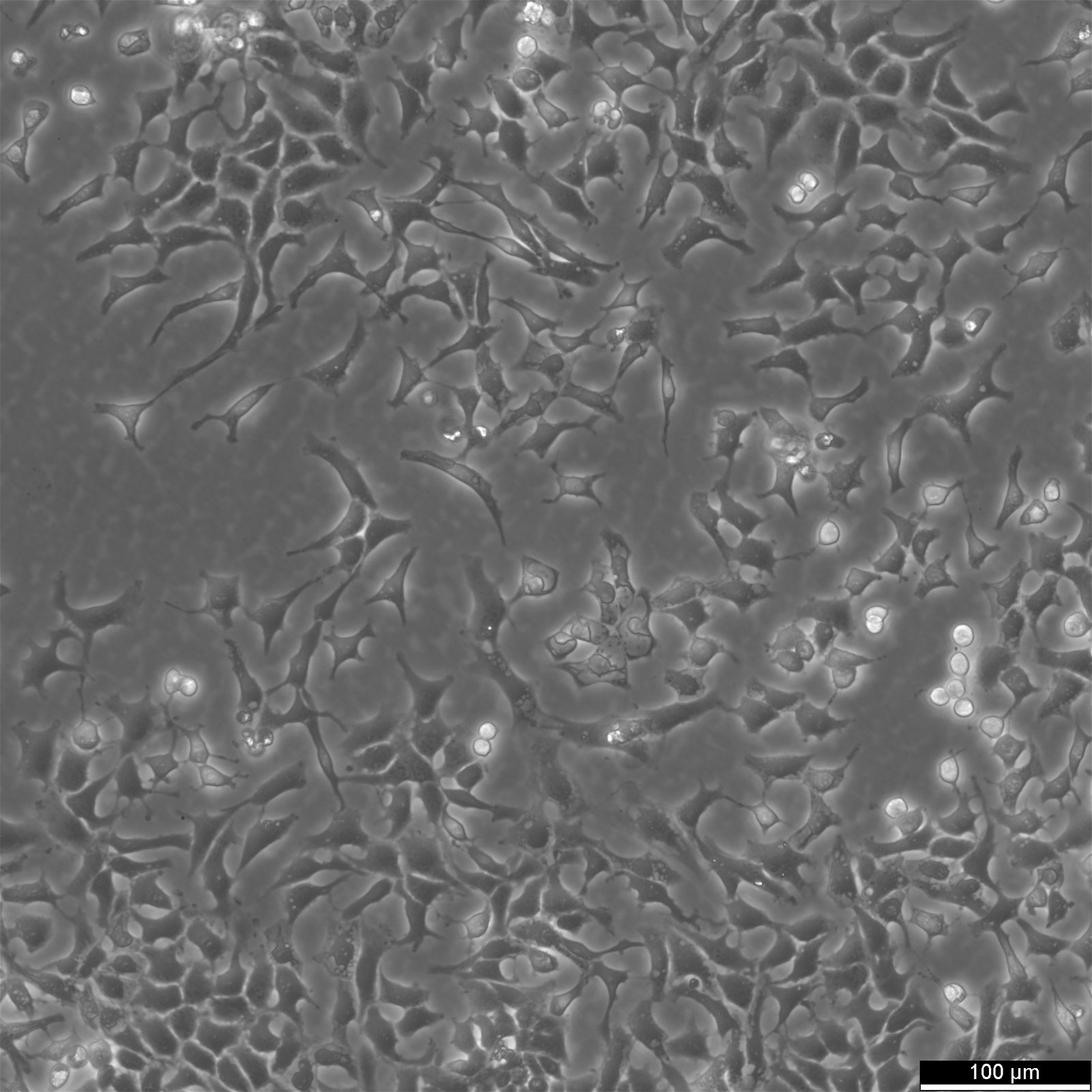
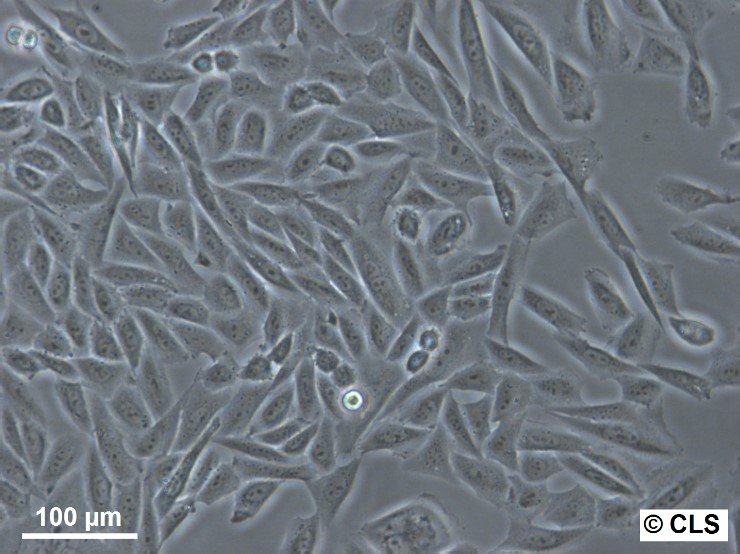
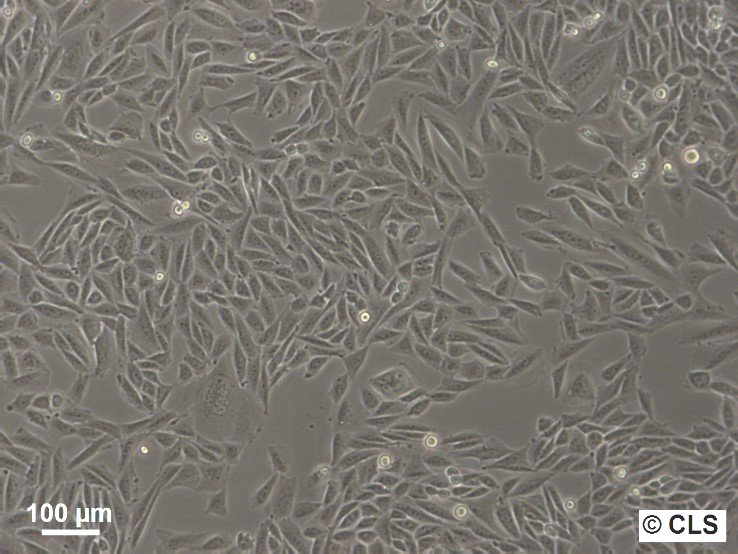
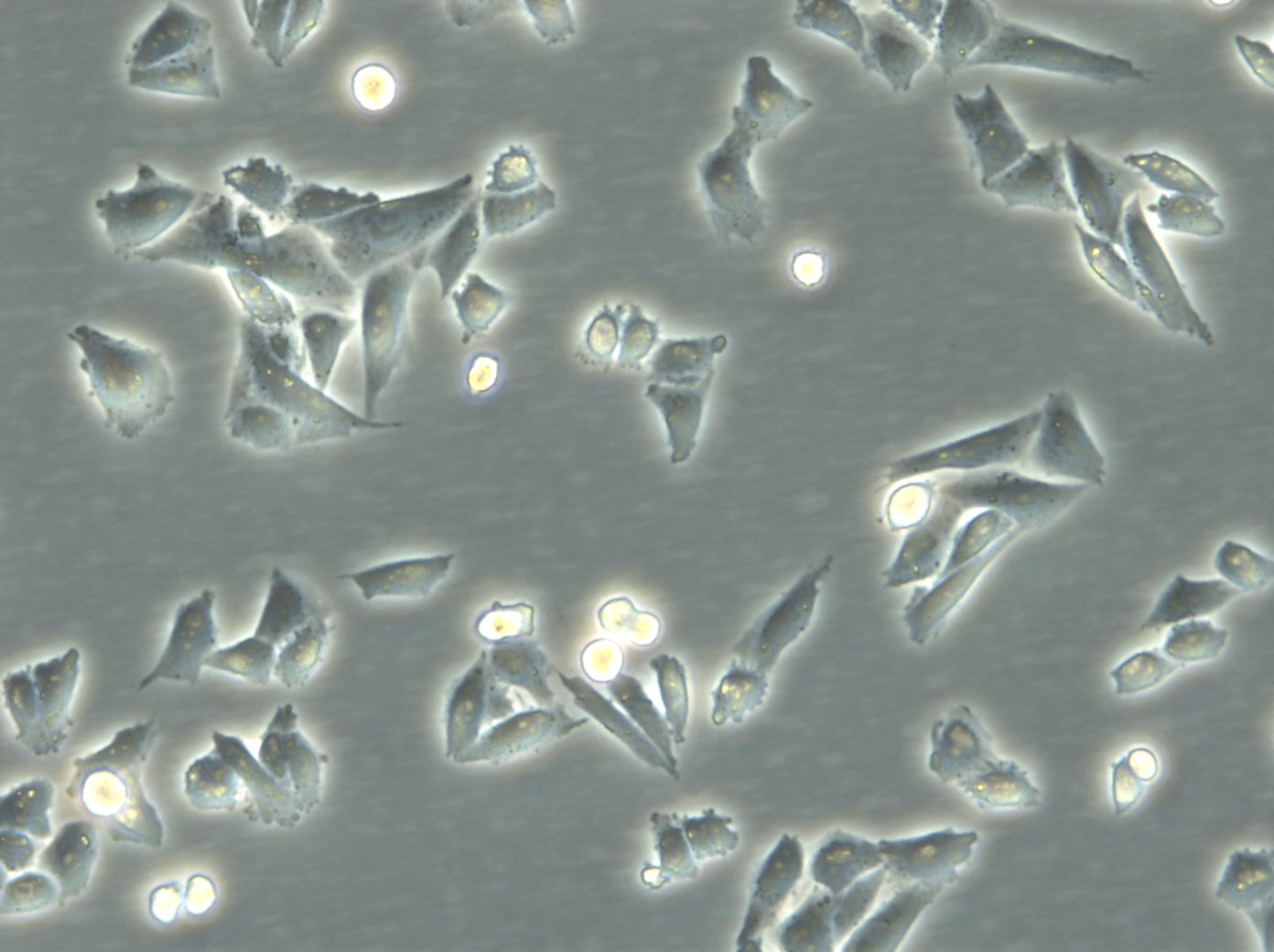
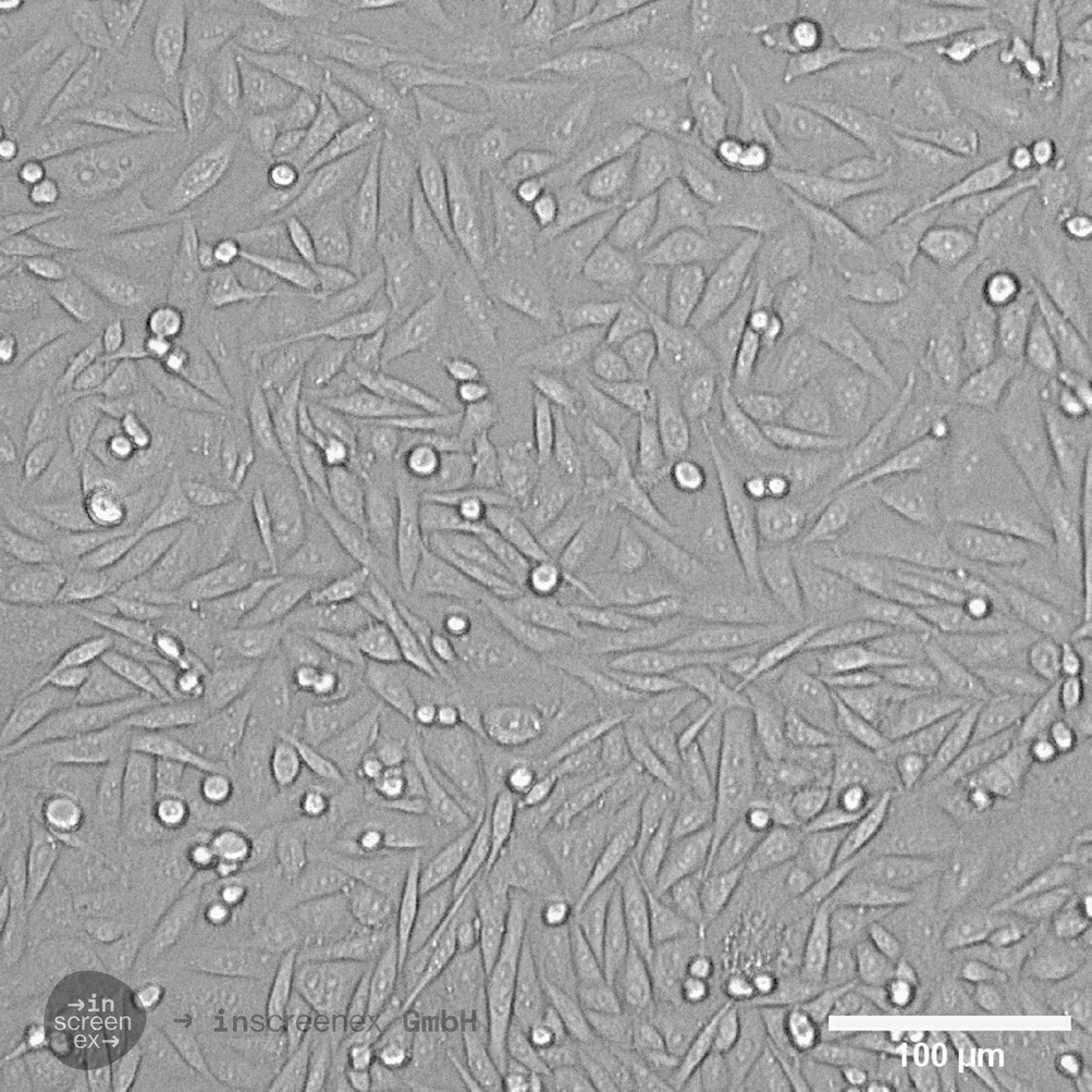
| Morfología | Epithelial-like |
| Propiedades de crecimiento | Monolayer, adherent |
Documenation
| Referencia | CHO-K1 (Cytion catalog number 603480) |
|---|---|
| Nivel de bioseguridad | 1 |
| NCBI_TaxID | 10029 |
| N.º de acceso de Cellosaurus | CVCL_0214 |
Genetic characteristics of the chinese hamster ovary cell line CHO
| Susceptibilidad a los virus | Vesicular stomatitis (Indiana), Getah virus Virus Resist: poliovirus 2, modoc virus, Button Willow virus |
|---|---|
| Transcriptasa inversa | Negative |
| Cariotipo | Chromosome Frequency Distribution 50 Cells: 2n = 22. Stemline number is hypodiploid |
Culturing guidelines
| Medio de cultivo | Ham's F12, w: 1.0 mM stable Glutamine, w: 1.0 mM Sodium pyruvate, w: 1.1 g/L NaHCO3 (Cytion article number 820600a) |
|---|---|
| Suplementos | Supplement the medium with 10% FBS |
| Reactivo de disociación | Accutase |
| Tiempo de duplicación | 22 hours |
| Subcultivo | Remove the old medium from the adherent cells and wash them with PBS that lacks calcium and magnesium. For T25 flasks, use 3-5 ml of PBS, and for T75 flasks, use 5-10 ml. Then, cover the cells completely with Accutase, using 1-2 ml for T25 flasks and 2.5 ml for T75 flasks. Let the cells incubate at room temperature for 8-10 minutes to detach them. After incubation, gently mix the cells with 10 ml of medium to resuspend them, then centrifuge at 300xg for 3 minutes. Discard the supernatant, resuspend the cells in fresh medium, and transfer them into new flasks that already contain fresh medium. |
| Densidad de siembra | 1 x 10⁴ cells/cm2 will yield in a confluent layer in about 6 days |
| Renovación de fluidos | 2 to 3 times per week |
| Recuperación tras el deshielo | After thawing, plate the cells at 5 x 10⁴ cells/cm2 and allow the cells to recover from the freezing process and to adhere for at least 24 hours. |
| Medio de congelación | As a cryopreservation medium, we use complete growth medium (including FBS) + 10% DMSO for adequate post-thaw viability, or CM-1 (Cytion catalog number 800100), which includes optimized osmoprotectants and metabolic stabilizers to enhance recovery and reduce cryo-induced stress. |
| Descongelación y cultivo de células |
|
| Atmósfera de incubación | 37°C, 5% CO2, humidified atmosphere. |
| Condiciones de envío | Cryopreserved cell lines are shipped on dry ice in validated, insulated packaging with sufficient refrigerant to maintain approximately −78 °C throughout transit. On receipt, inspect the container immediately and transfer vials without delay to appropriate storage. |
| Condiciones de almacenamiento | For long-term preservation, place vials in vapor-phase liquid nitrogen at about −150 to −196 °C. Storage at −80 °C is acceptable only as a short interim step before transfer to liquid nitrogen. |
Quality control
| Esterilidad | Mycoplasma contamination is excluded using both PCR-based assays and luminescence-based mycoplasma detection methods. To ensure there is no bacterial, fungal, or yeast contamination, cell cultures are subjected to daily visual inspections. |
|---|
Certificado de análisis (CoA)
| Número de lote | Tipo de certificado | Fecha | Número de catálogo |
|---|---|---|---|
| 603480-291124 | Certificado de análisis | 18. Aug. 2025 | 603480 |
-
Related products
Related products
CHO-CXCR4 Cells (medium-high)Variantes: Medium-highOrganismo Chinese hamster Tejido Ovary Enfermedad Chinese hamster ovary, non-neoplastic; genetically engineered for CXCR4 surface expression (medium-high expression level) USD 2,200.00*CHO-CXCR7 Cells (medium-high)Variantes: Medium-highOrganismo Chinese hamster Tejido Ovary Enfermedad Chinese hamster ovary, non-neoplastic; genetically engineered for CXCR7 (ACKR3) surface expression (medium-high expression level) USD 2,200.00*CHO-CTLA4 CellsOrganismo Chinese hamster Tejido Ovary Enfermedad Chinese hamster ovary, non-neoplastic; genetically engineered for CTLA-4 surface expression USD 2,200.00*CHO-FOLR1 CellsOrganismo Chinese hamster Tejido Ovary Enfermedad Chinese hamster ovary, non-neoplastic; genetically engineered for FOLR1 (Folate Receptor alpha) surface expression USD 2,200.00*CHO-B7H3 CellsOrganismo Chinese hamster Tejido Ovary Enfermedad Chinese hamster ovary, non-neoplastic; genetically engineered for B7H3 (CD276) surface expression USD 2,200.00*CHO-CCR8 CellsOrganismo Chinese hamster Tejido Ovary Enfermedad Chinese hamster ovary, non-neoplastic; genetically engineered for CCR8 surface expression USD 2,200.00*