
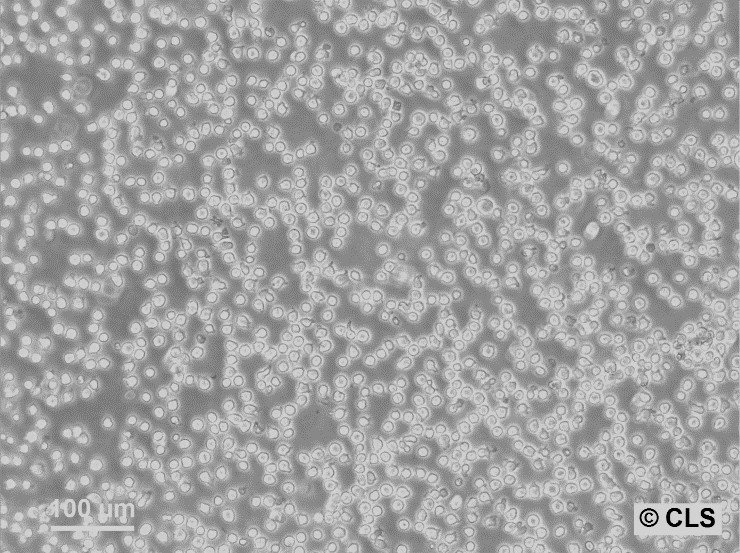
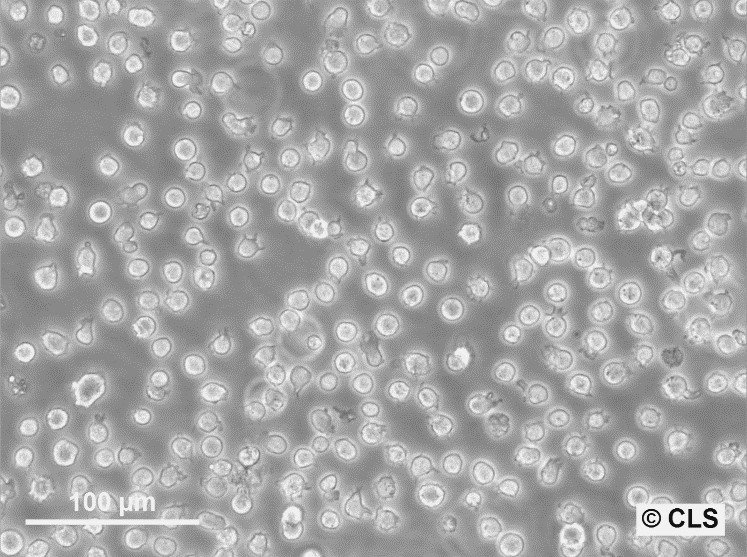
TK6 Cells
USD$395.00*
Products are shipped frozen on dry ice in cryotubes. Each cryotube typically contains 3 × 10⁶ cells for adherent lines or 5 × 10⁶ cells for suspension lines (refer to the batch CoA for details).
General information
| Description | TK6 is a lymphoblast cell line derived from the spleen of a 5-year-old male diagnosed with hereditary spherocytosis. This cell line is particularly notable for being heterozygous at the thymidine kinase (TK) locus, which underpins its utility in genetic research. The heterozygosity at the TK locus allows the TK6 cells to serve as a sensitive model for detecting forward mutations, providing a robust platform for mutagenicity testing and genetic toxicology studies. The cells are employed extensively in assays designed to quantitatively detect forward mutations at three loci, including resistance to trifluorothymidine at the tk locus. This capability makes TK6 an invaluable tool in the pharmaceutical and chemical industries for evaluating the mutagenic potential of new compounds. The cell line’s unique genetic background and its relevance to disease make it a critical resource for studies focused on understanding mutation processes and evaluating the cytogenetic effects of chemical exposures in a controlled environment. |
|---|---|
| Organism | Human |
| Tissue | Spleen |
| Synonyms | TK-6, H2BT |
Characteristics
| Age | 5 years |
|---|---|
| Gender | Male |
| Cell type | Lymphoblast |
| Growth properties | Suspension |
Regulatory Data
| Citation | TK6 (Cytion catalog number 300357) |
|---|---|
| Biosafety level | 2 |
| NCBI_TaxID | 9606 |
| CellosaurusAccession | CVCL_0561 |
Biomolecular Data
Handling
| Culture Medium | RPMI 1640, w: 2.0 mM stable Glutamine, w: 2.0 g/L NaHCO3 (Cytion article number 820700a) |
|---|---|
| Supplements | Supplement the medium with heat inactivated 10% FBS, 2,5% horse serum |
| Subculturing | Initiate cultures with a cell density of 5 x 10⁵ cells/ml and maintain them within the range of 1 x 10⁵ to 1 x 10⁶ cells/ml. For subculturing, transfer the cell suspension to a fresh cell culture flask pre-filled with the correct volume of fresh culture medium. |
| Seeding density | 1 x 10⁵ cells/mL |
| Fluid renewal | 2 to 3 times per week |
| Freeze medium | As a cryopreservation medium, we use complete growth medium (including FBS) + 10% DMSO for adequate post-thaw viability, or CM-1 (Cytion catalog number 800100), which includes optimized osmoprotectants and metabolic stabilizers to enhance recovery and reduce cryo-induced stress. |
| Thawing and Culturing Cells |
|
| Incubation Atmosphere | 37°C, 5% CO2, humidified atmosphere. |
| Shipping Conditions | Cryopreserved cell lines are shipped on dry ice in validated, insulated packaging with sufficient refrigerant to maintain approximately −78 °C throughout transit. On receipt, inspect the container immediately and transfer vials without delay to appropriate storage. |
| Storage Conditions | For long-term preservation, place vials in vapor-phase liquid nitrogen at about −150 to −196 °C. Storage at −80 °C is acceptable only as a short interim step before transfer to liquid nitrogen. |
Quality Control & Molecular Analysis
| Sterility | Mycoplasma contamination is excluded using both PCR-based assays and luminescence-based mycoplasma detection methods. To ensure there is no bacterial, fungal, or yeast contamination, cell cultures are subjected to daily visual inspections. |
|---|
Certificate of Analysis (CoA)
| Lot Number | Certificate Type | Date | Catalog Number |
|---|---|---|---|
| 300357-181224 | Certificate of Analysis | 23. May. 2025 | 300357 |
| 300357-513 | Certificate of Analysis | 26. May. 2025 | 300357 |