
Sp2/0-Ag14 Cells
USD$395.00*
Products are shipped frozen on dry ice in cryotubes. Each cryotube typically contains 3 × 10⁶ cells for adherent lines or 5 × 10⁶ cells for suspension lines (refer to the batch CoA for details).
General information
| Description | The Sp2/0-Ag14 cell line, commonly referred to as Sp2/0, is a murine myeloma cell line used extensively for the production of monoclonal antibodies. Originating from the BALB/c mouse strain, this cell line was developed by fusing spleen cells from immunized mice with myeloma cells that lack the enzyme hypoxanthine-guanine phosphoribosyltransferase (HGPRT). This deficiency makes Sp2/0 cells unable to survive in HAT (hypoxanthine, aminopterin, thymidine) medium, a feature crucial for hybridoma selection when fused with spleen cells from immunized mice, as only the hybridoma cells can proliferate in this selective medium. The Sp2/0-Ag14 cell line is characterized by its stability and robustness in cell culture, making it a preferred host for hybridoma production. The absence of immunoglobulin production in these cells is a critical feature because it prevents the secretion of endogenous immunoglobulins that could interfere with the monoclonal antibody produced by the hybridomas. This cell line has been extensively used in scientific research and industrial applications for generating monoclonal antibodies against a wide array of antigens. The antibodies produced are used in research, diagnostics, and therapeutic applications, highlighting the significant utility of the Sp2/0 cell line in biotechnological and pharmaceutical industries. |
|---|---|
| Organism | Mouse |
| Tissue | Blood |
| Disease | B cell hybridoma |
| Synonyms | SP2/0-Ag14, SP2/0-AG14, SP2/0-ag14, Sp2/O-Ag14, SP2/O-Ag14, Sp2/0-Ag-14, SP2-0-Ag14, SP2/0 Ag-14, SP-2/0-AG14, Sp 2/0-Ag 14, Sp2/0, SP2/0, Sp2/O, SP2/O, SP-2, SP2, GM03569, GM3569, GM03569B, GM3569B, GM03569D |
Characteristics
| Breed/Subspecies | BALB/c |
|---|---|
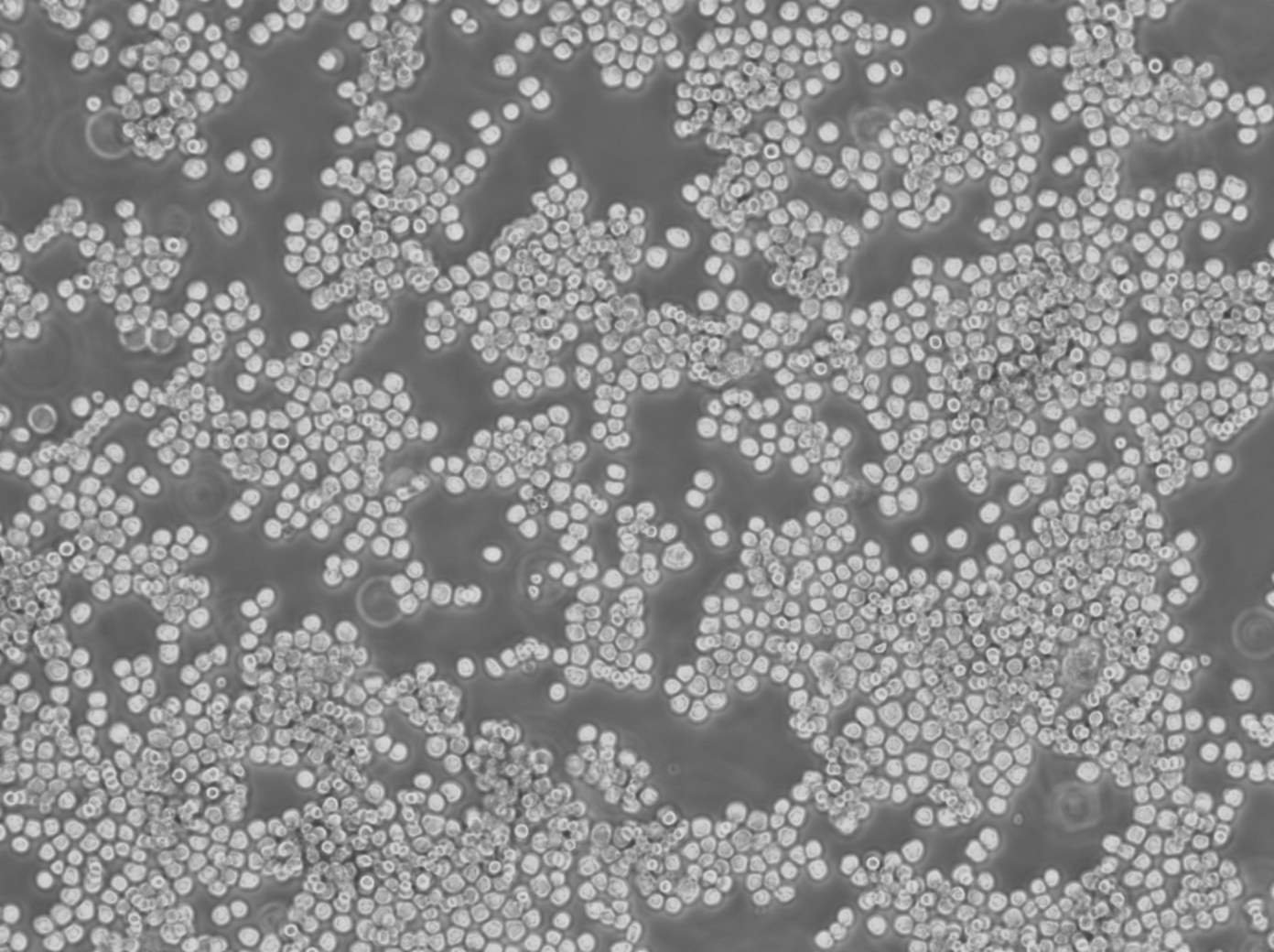
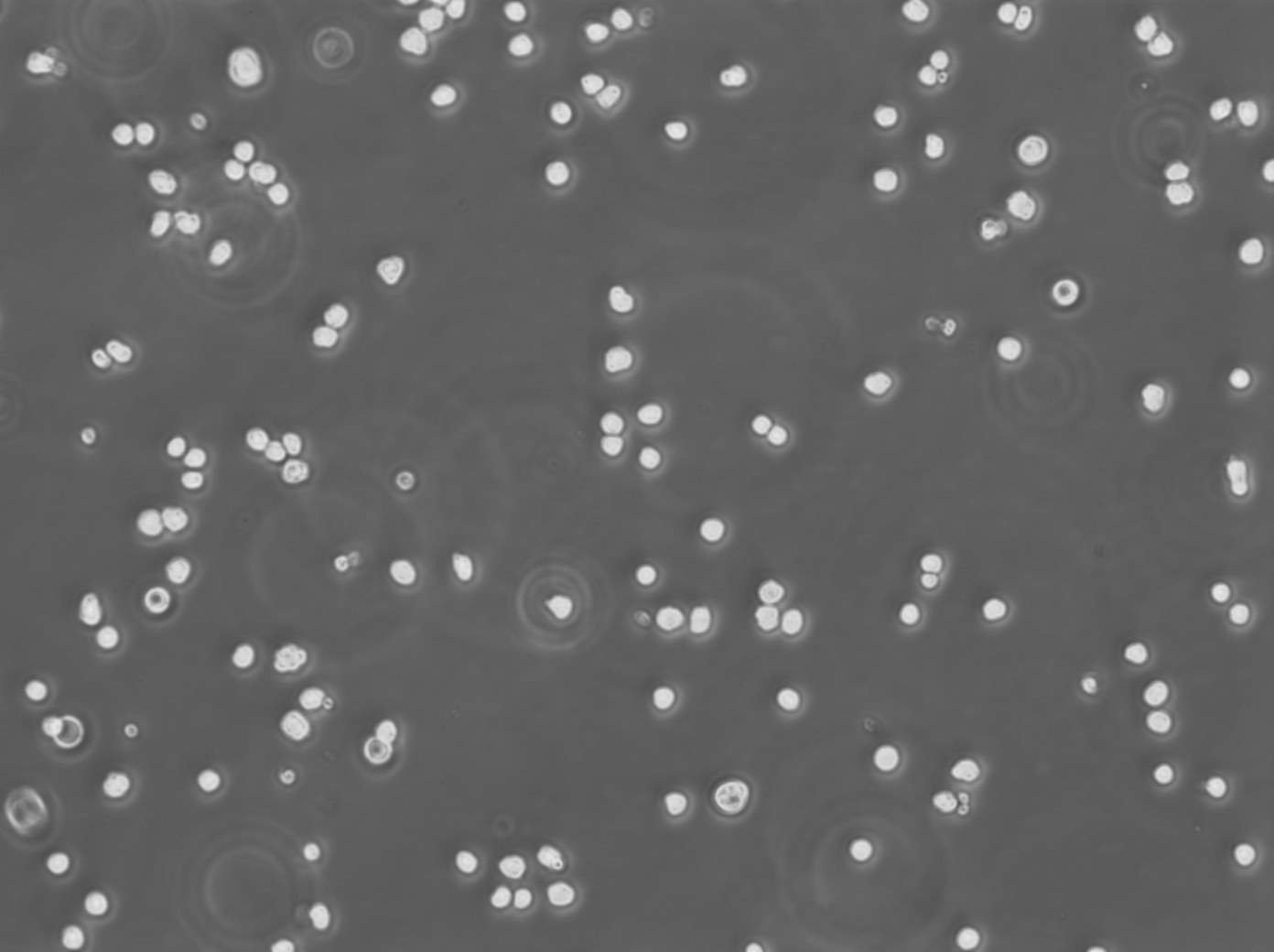
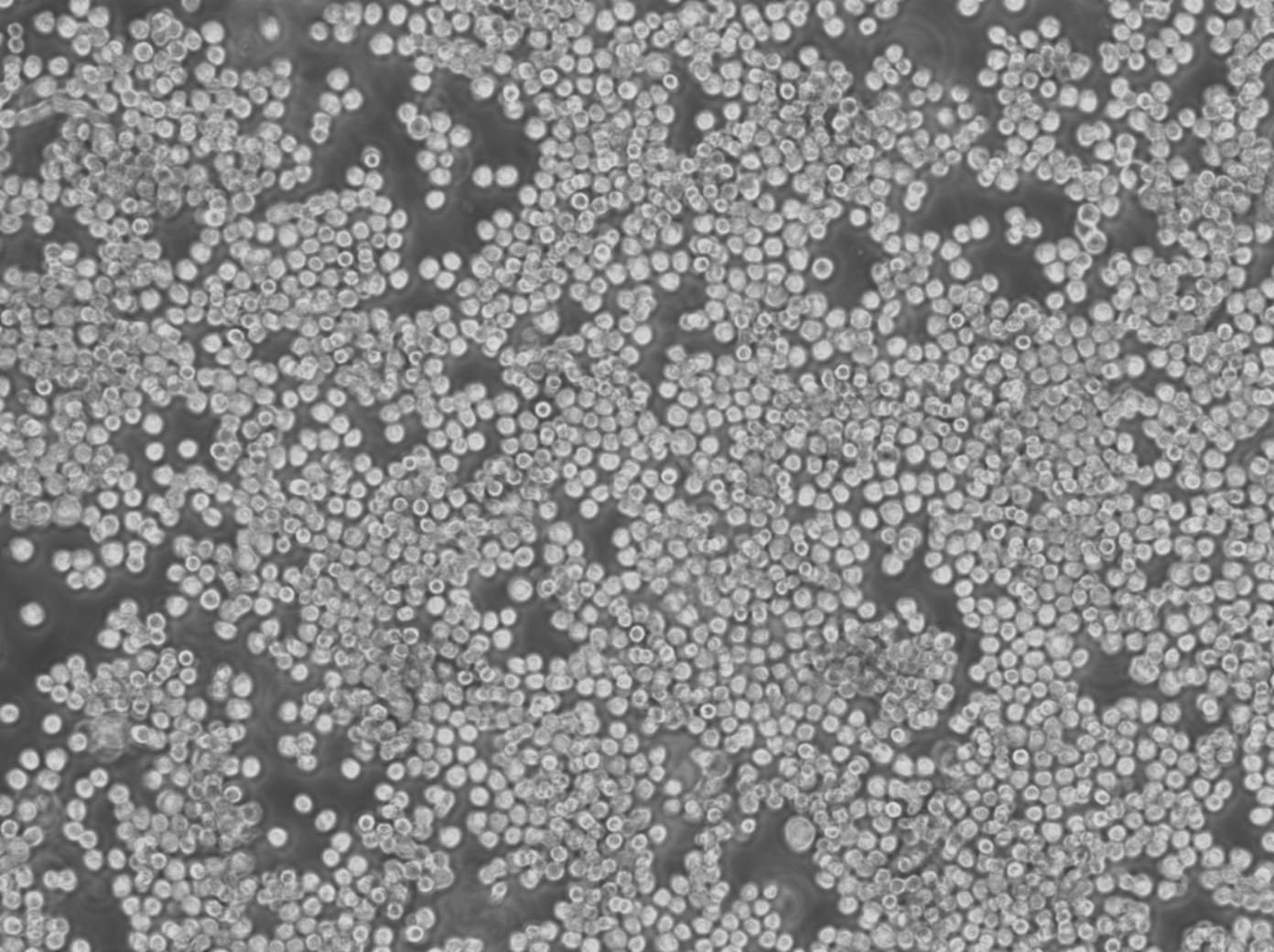
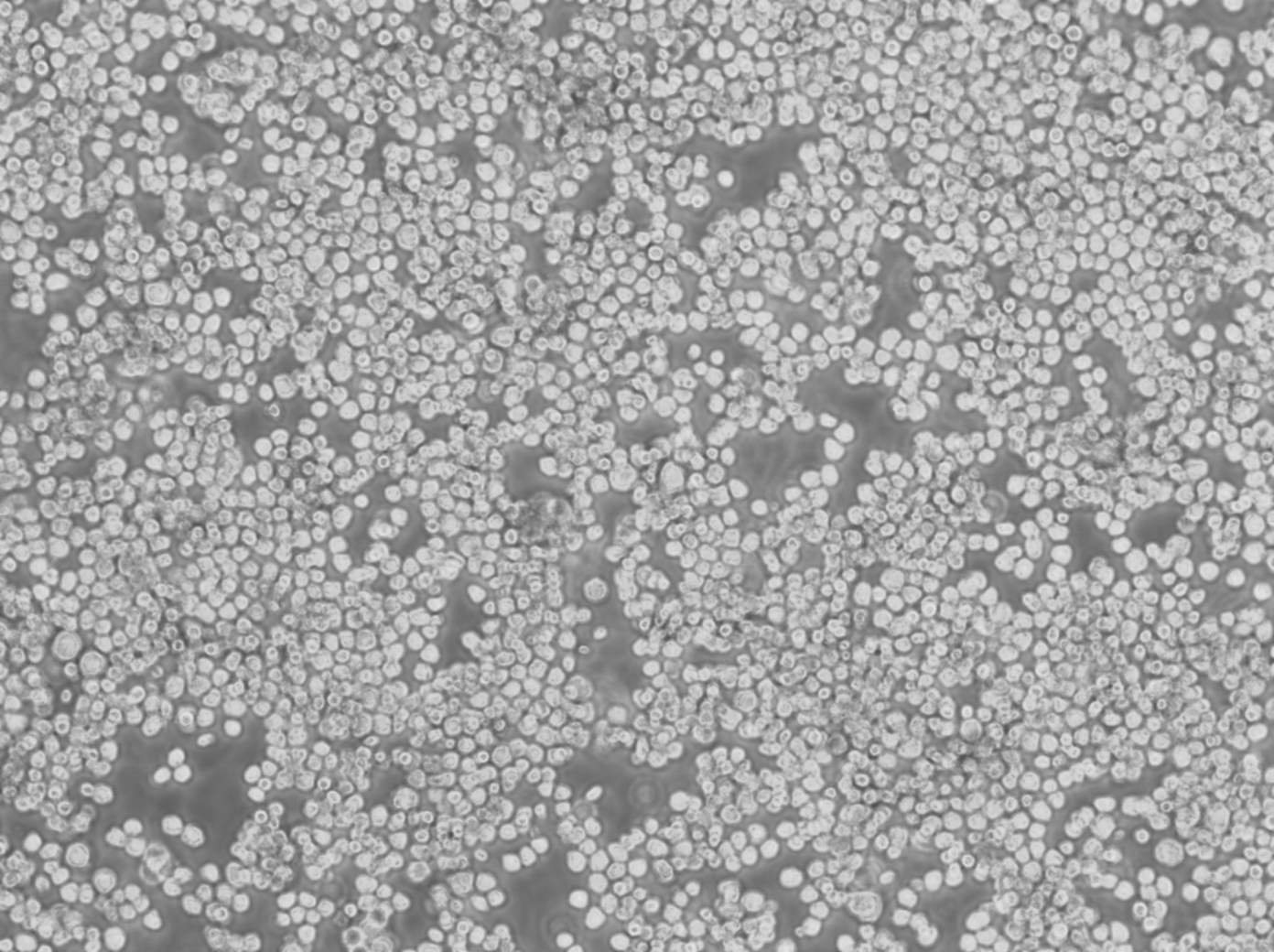
| Morphology | Round cells |
| Growth properties | Adherent/Suspension |
Regulatory Data
| Citation | Sp2/0-Ag14 (Cytion catalog number 400481) |
|---|---|
| Biosafety level | 1 |
| NCBI_TaxID | 10090 |
| CellosaurusAccession | CVCL_2199 |
Biomolecular Data
| Antigen expression | H-2d |
|---|---|
| Viruses | Tested and found negative for ectromelia virus (mousepox). |
Handling
| Culture Medium | DMEM, w: 4.5 g/L Glucose, w: 4 mM L-Glutamine, w: 3.7 g/L NaHCO3, w: 1.0 mM Sodium pyruvate (Cytion article number 820300a) |
|---|---|
| Supplements | Supplement the medium with 10% FBS |
| Subculturing | Collect medium with floating cells in a microcentrifuge tube. Rinse the adherent cells using PBS without calcium and magnesium (3-5 ml PBS for T25, 5-10ml for T75 cell culture flasks). Add Accutase (1-2ml per T25, 2.5ml per T75 cell culture flask), the cell sheet must be covered completely. Incubate at 37 degree Celsius for 10 minutes. Combine the floating cells and the detached cells in one tube, centrifuge at 300xg for 3min. Carefully resuspend the cells in fresh medium and dispense into new flasks which contain fresh medium. |
| Seeding density | Maintain cell density between 5 x 10⁴ and 5 x 10⁶ viable cells/ml. |
| Fluid renewal | 2 to 3 times per week |
| Freeze medium | As a cryopreservation medium, we use complete growth medium (including FBS) + 10% DMSO for adequate post-thaw viability, or CM-1 (Cytion catalog number 800100), which includes optimized osmoprotectants and metabolic stabilizers to enhance recovery and reduce cryo-induced stress. |
| Thawing and Culturing Cells |
|
| Incubation Atmosphere | 37°C, 5% CO2, humidified atmosphere. |
| Shipping Conditions | Cryopreserved cell lines are shipped on dry ice in validated, insulated packaging with sufficient refrigerant to maintain approximately −78 °C throughout transit. On receipt, inspect the container immediately and transfer vials without delay to appropriate storage. |
| Storage Conditions | For long-term preservation, place vials in vapor-phase liquid nitrogen at about −150 to −196 °C. Storage at −80 °C is acceptable only as a short interim step before transfer to liquid nitrogen. |
Quality Control & Molecular Analysis
| Sterility | Mycoplasma contamination is excluded using both PCR-based assays and luminescence-based mycoplasma detection methods. To ensure there is no bacterial, fungal, or yeast contamination, cell cultures are subjected to daily visual inspections. |
|---|
Certificate of Analysis (CoA)
| Lot Number | Certificate Type | Date | Catalog Number |
|---|---|---|---|
| 400481-200924 | Certificate of Analysis | 23. May. 2025 | 400481 |