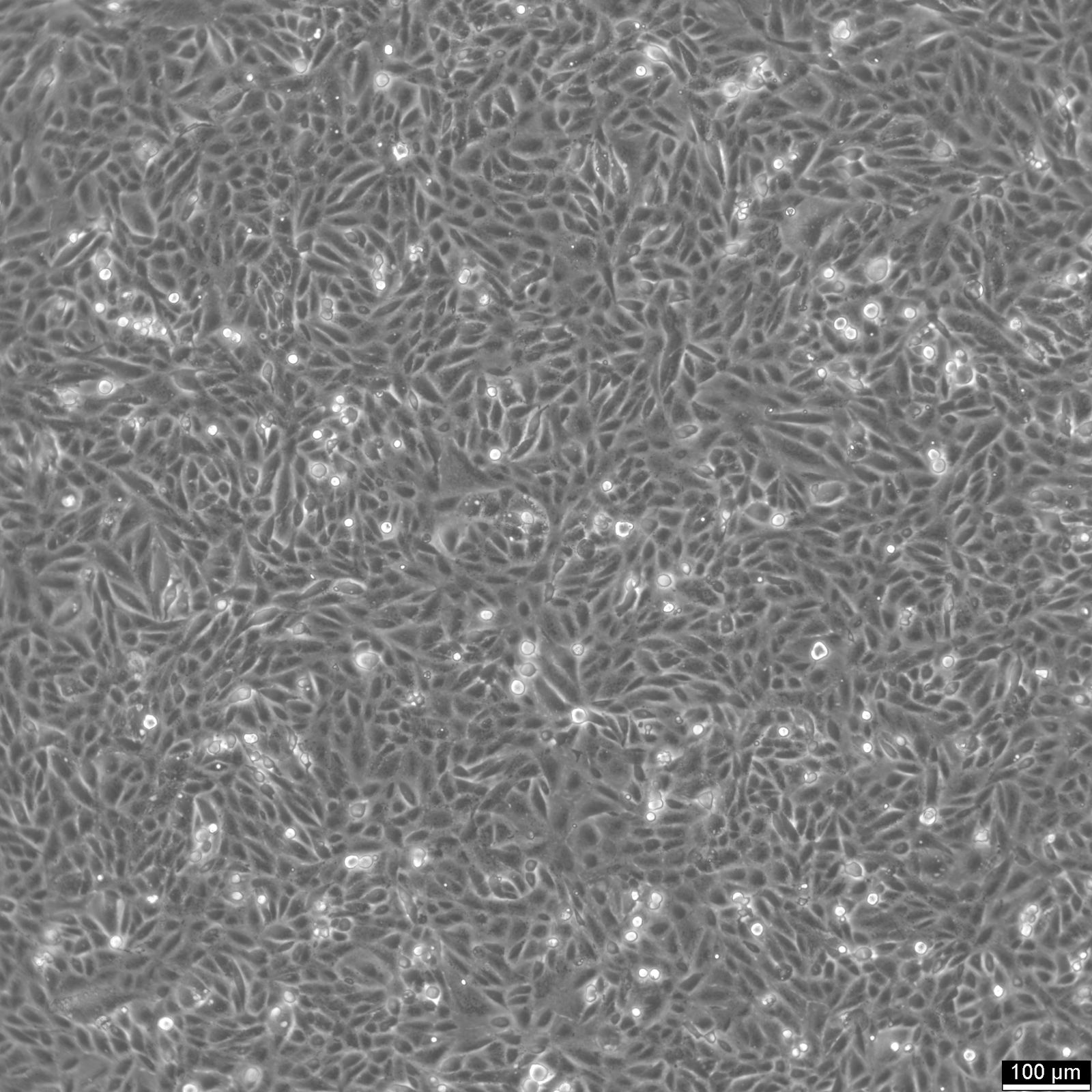
SNU-81 Cells
USD$540.00*
Products are shipped frozen on dry ice in cryotubes. Each cryotube typically contains 3 × 10⁶ cells for adherent lines or 5 × 10⁶ cells for suspension lines (refer to the batch CoA for details).
General information
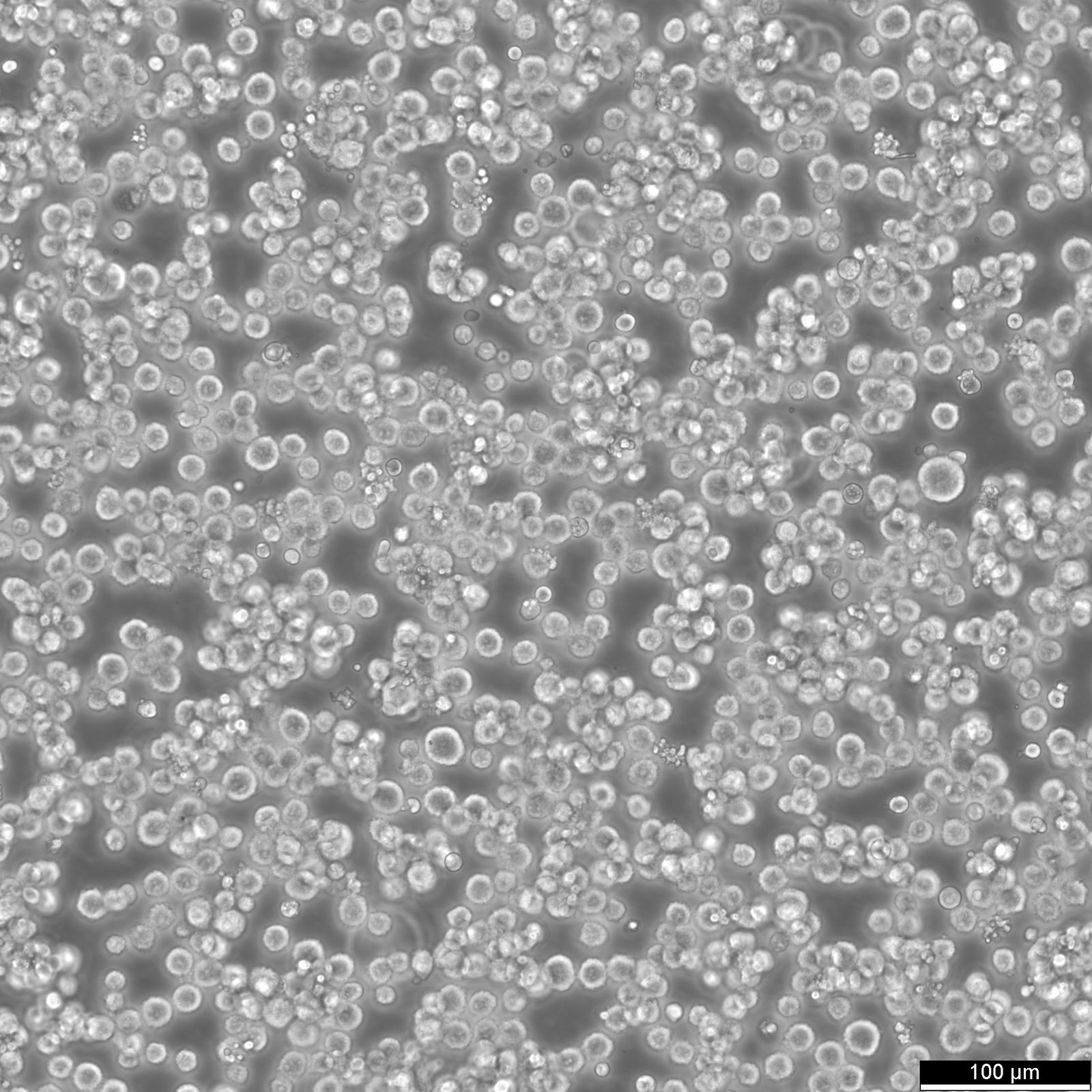
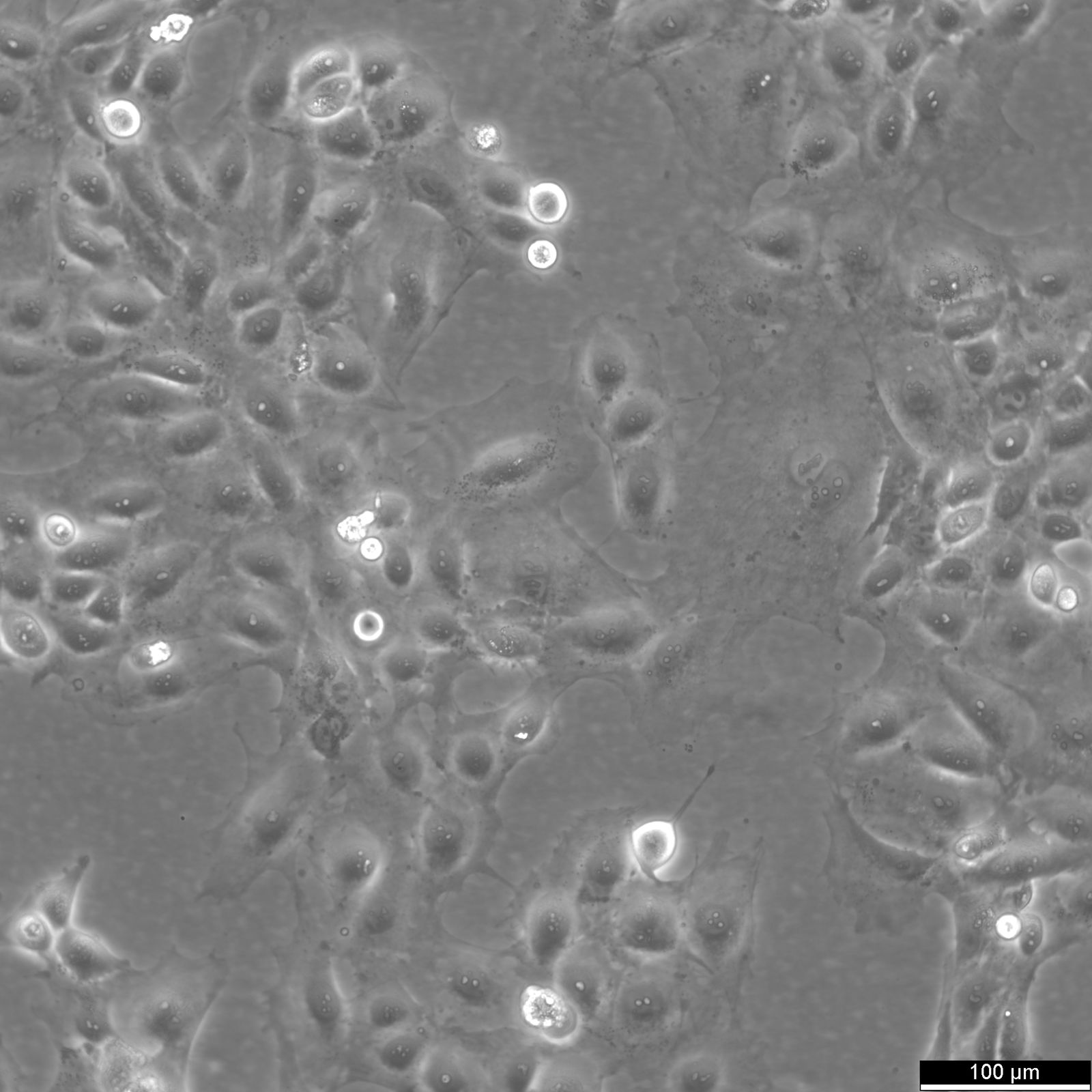
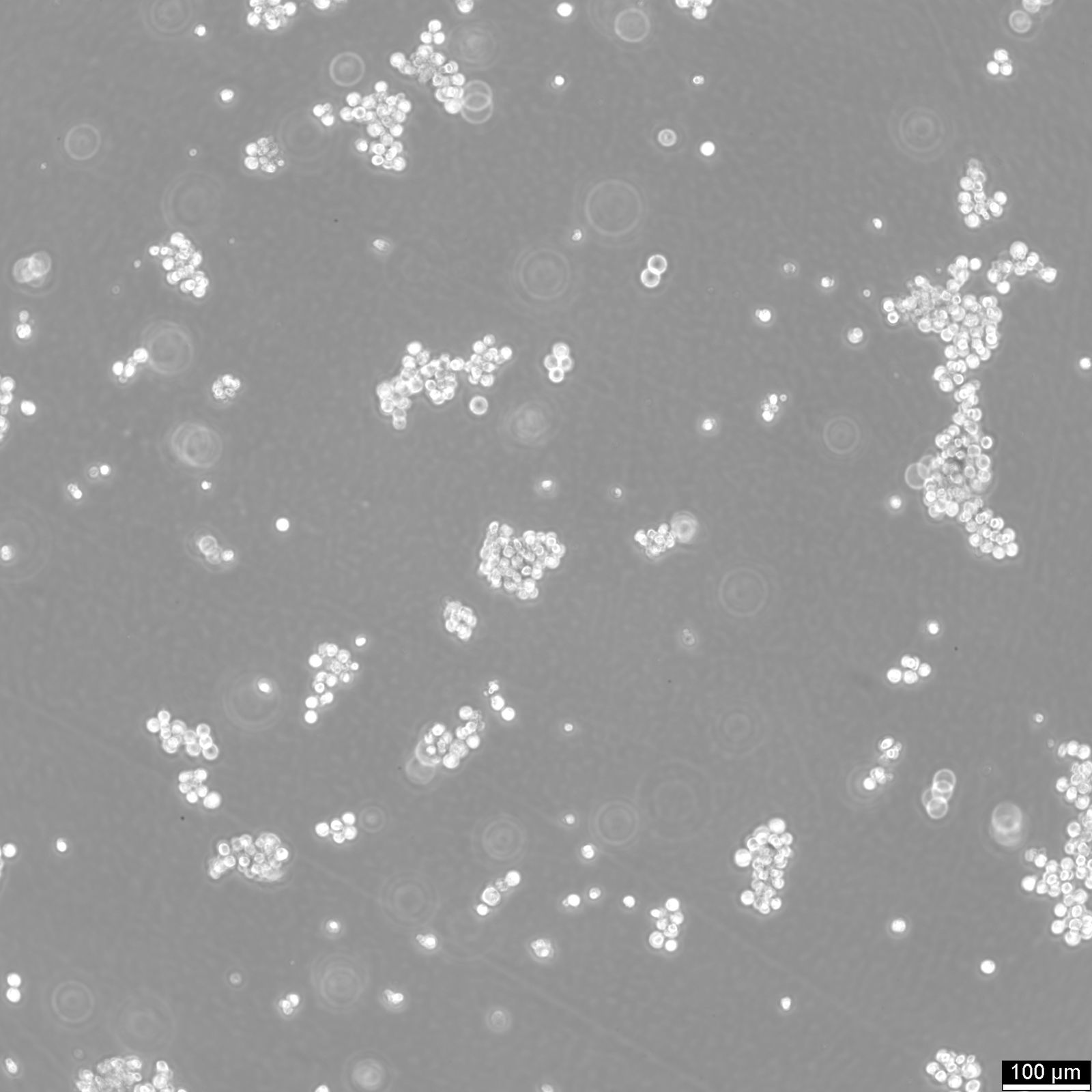
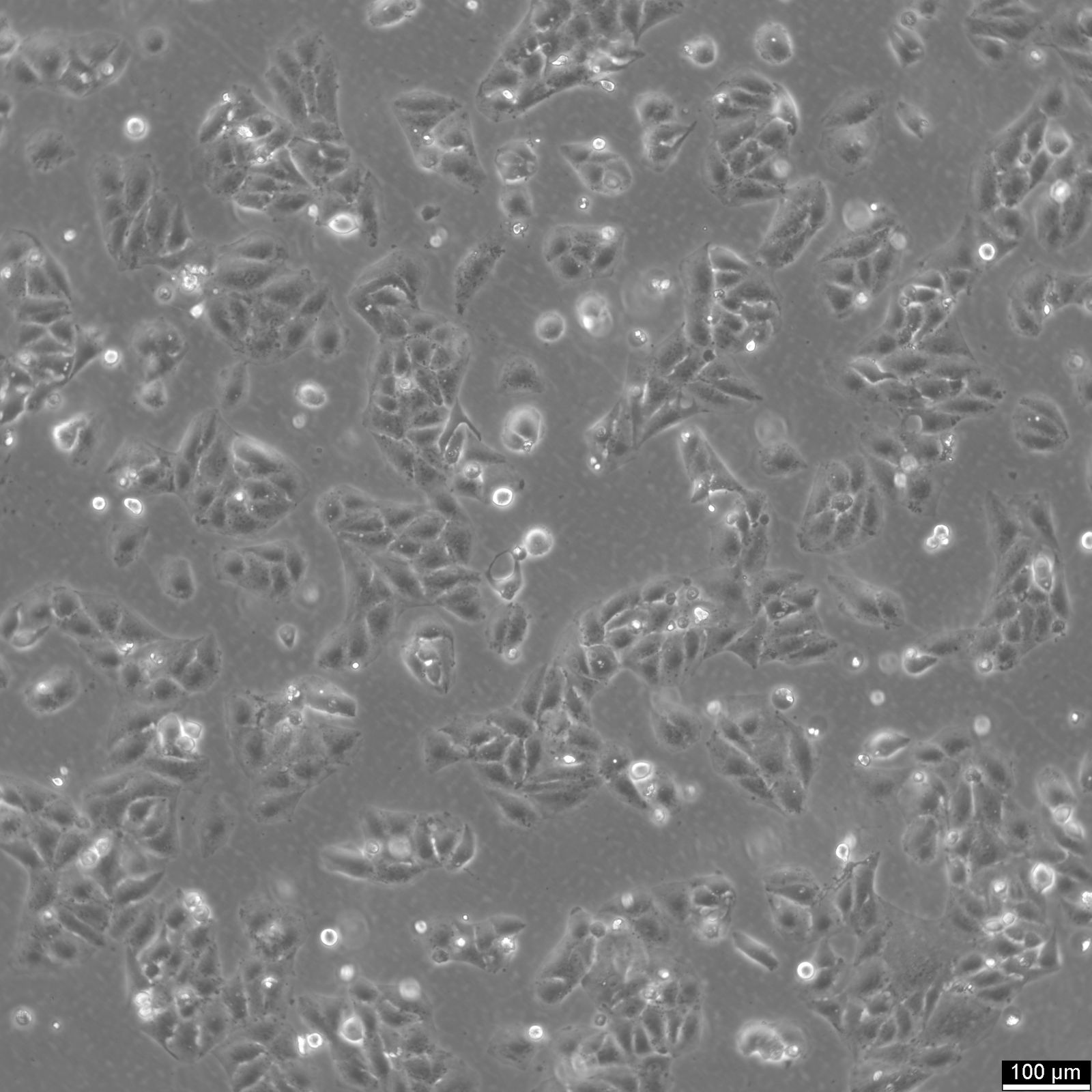
| Description | The SNU-81 cell line is a human colorectal carcinoma model established from a Korean patient. It is part of a collection of 12 colorectal cancer cell lines derived from both primary tumors and metastatic sites, providing a diverse representation of tumor biology. SNU-81 was derived from a primary colorectal adenocarcinoma and exhibits epithelial morphology with adherent growth in culture. The cell line expresses carcinoembryonic antigen (CEA), which is secreted into the culture supernatant, reflecting typical colorectal tumor characteristics. At the molecular level, SNU-81 has undergone extensive genetic characterization. It harbors a mutation in the TP53 tumor suppressor gene, a common event in colorectal carcinogenesis, typically associated with later stages of tumor progression. Additionally, mutations in the APC gene were identified, implicating disruption of Wnt/β-catenin signaling, a hallmark of colorectal cancer development. No activating mutations were detected in the K-ras2 gene for this line. Alterations in cell cycle regulators, such as hypermethylation of the p16 gene, were also observed, further supporting the cell line's utility in studying genetic and epigenetic mechanisms driving colorectal cancer. Overall, SNU-81 serves as a well-defined in vitro model for exploring tumor suppressor gene function, oncogenic pathway regulation, and response to targeted therapies in colorectal cancer research. |
|---|---|
| Organism | Human |
| Tissue | Colon |
| Disease | Adenocarcinoma |
| Synonyms | SNU81, NCI-SNU-81 |
Characteristics
| Age | 53 years |
|---|---|
| Gender | Male |
| Ethnicity | Korean |
| Morphology | Epithelial-like |
| Cell type | Epithelial |
| Growth properties | Adherent, monolayer |
Regulatory Data
| Citation | SNU-81 (Cytion catalog number 305638) |
|---|---|
| Biosafety level | 1 |
| NCBI_TaxID | 9606 |
| CellosaurusAccession | CVCL_5098 |
Biomolecular Data
| Mutational profile | Mutation: APC, Simple, p.Ser1392Ter (c.4175C>A), Heterozygous; Mutation: APC, Simple, p.Arg1450Ter (c.4348C>T), Heterozygous; Mutation: APC, Simple, p.Arg2204Ter (c.6610C>T), Heterozygous; Mutation: FBXW7, Simple, p.Arg479Gln (c.1436G>A), Heterozygous; Mutation: KRAS, Simple, p.Ala146Thr (c.436G>A), Heterozygous; Mutation: PTEN, Simple, p.Arg130Gln (c.389G>A), Heterozygous; Mutation: PTEN, Simple, p.Glu299Ter (c.895G>T), Heterozygous; Mutation: TBX3, Simple, p.Glu111Ter (c.331G>T), Heterozygous; Mutation: TBX3, Simple, c.942-1G>T, Heterozygous; Mutation: TP53, Simple, p.Lys132Thr (c.395A>C), Heterozygous; Mutation: TP53, Simple, p.Arg213Ter (c.637C>T), Heterozygous |
|---|
Handling
| Culture Medium | RPMI 1640, w: 2.0 mM stable Glutamine, w: 2.0 g/L NaHCO3 (Cytion article number 820700a) |
|---|---|
| Supplements | Supplement the medium with 10% FBS |
| Dissociation Reagent | Accutase |
| Doubling time | 30 hours |
| Subculturing | Remove medium, add fresh 0.25 % trypsin 0.02 % EDTA solution, stand culture flask at 37''''C for 3 to 5 minutes, add culture medium and collect the cells, transfer the medium into 15ml tube, centrifuge, aspirate the medium, resuspend the pellets with culture medium and dispense into the culture flask |
| Fluid renewal | 2 to 3 times per week |
| Freeze medium | As a cryopreservation medium, we use complete growth medium (including FBS) + 10% DMSO for adequate post-thaw viability, or CM-1 (Cytion catalog number 800100), which includes optimized osmoprotectants and metabolic stabilizers to enhance recovery and reduce cryo-induced stress. |
| Thawing and Culturing Cells |
|
| Incubation Atmosphere | 37°C, 5% CO2, humidified atmosphere. |
| Shipping Conditions | Cryopreserved cell lines are shipped on dry ice in validated, insulated packaging with sufficient refrigerant to maintain approximately −78 °C throughout transit. On receipt, inspect the container immediately and transfer vials without delay to appropriate storage. |
| Storage Conditions | For long-term preservation, place vials in vapor-phase liquid nitrogen at about −150 to −196 °C. Storage at −80 °C is acceptable only as a short interim step before transfer to liquid nitrogen. |
Quality Control & Molecular Analysis
| Sterility | Mycoplasma contamination is excluded using both PCR-based assays and luminescence-based mycoplasma detection methods. To ensure there is no bacterial, fungal, or yeast contamination, cell cultures are subjected to daily visual inspections. |
|---|
Certificate of Analysis (CoA)
| Lot Number | Certificate Type | Date | Catalog Number |
|---|---|---|---|
| 305638-061125 | Certificate of Analysis | 11. Dec. 2025 | 305638 |
-
Related products
Related products
SNU-601 CellsOrganism Human Tissue Stomach Disease Gastric signet ring cell adenocarcinoma USD$550.00*