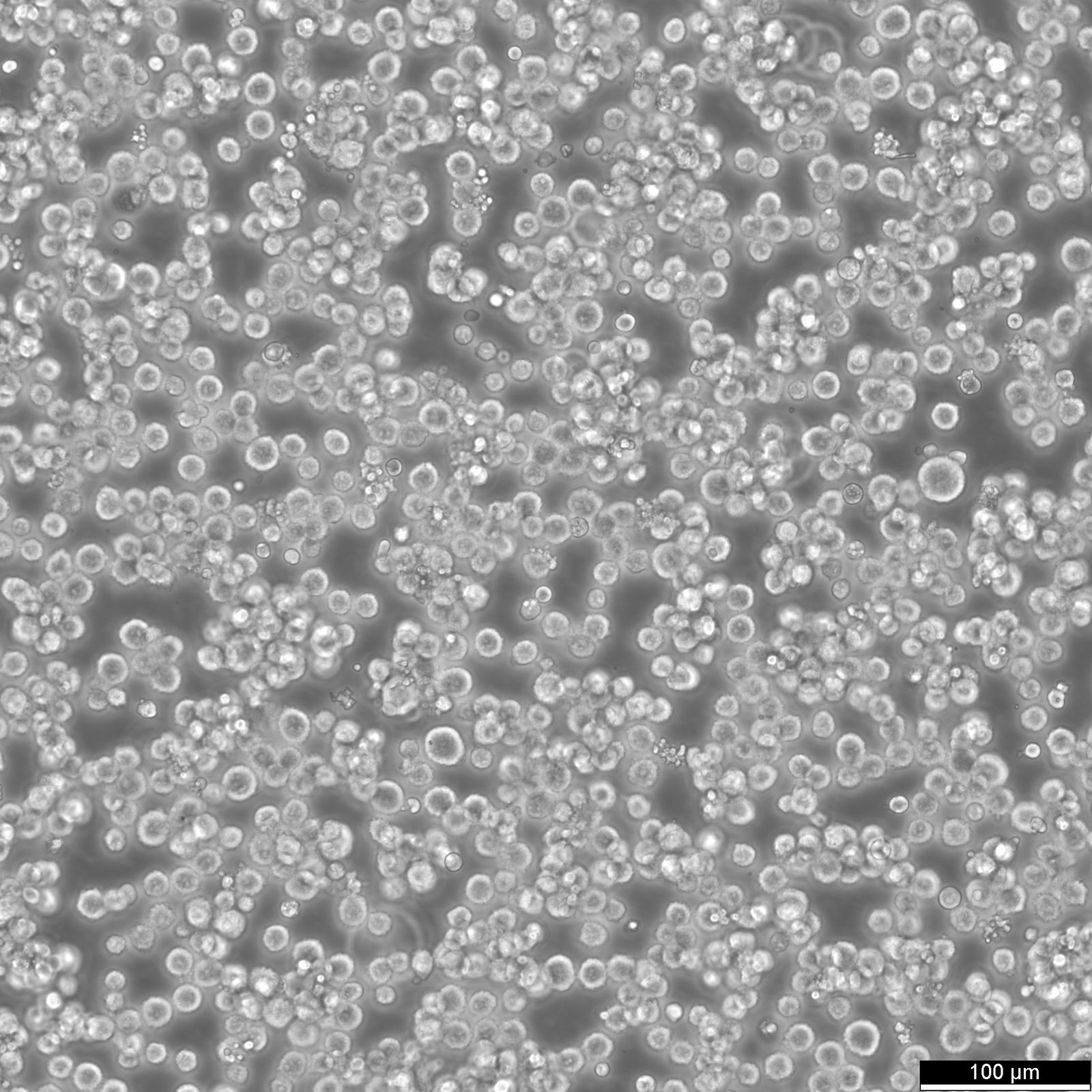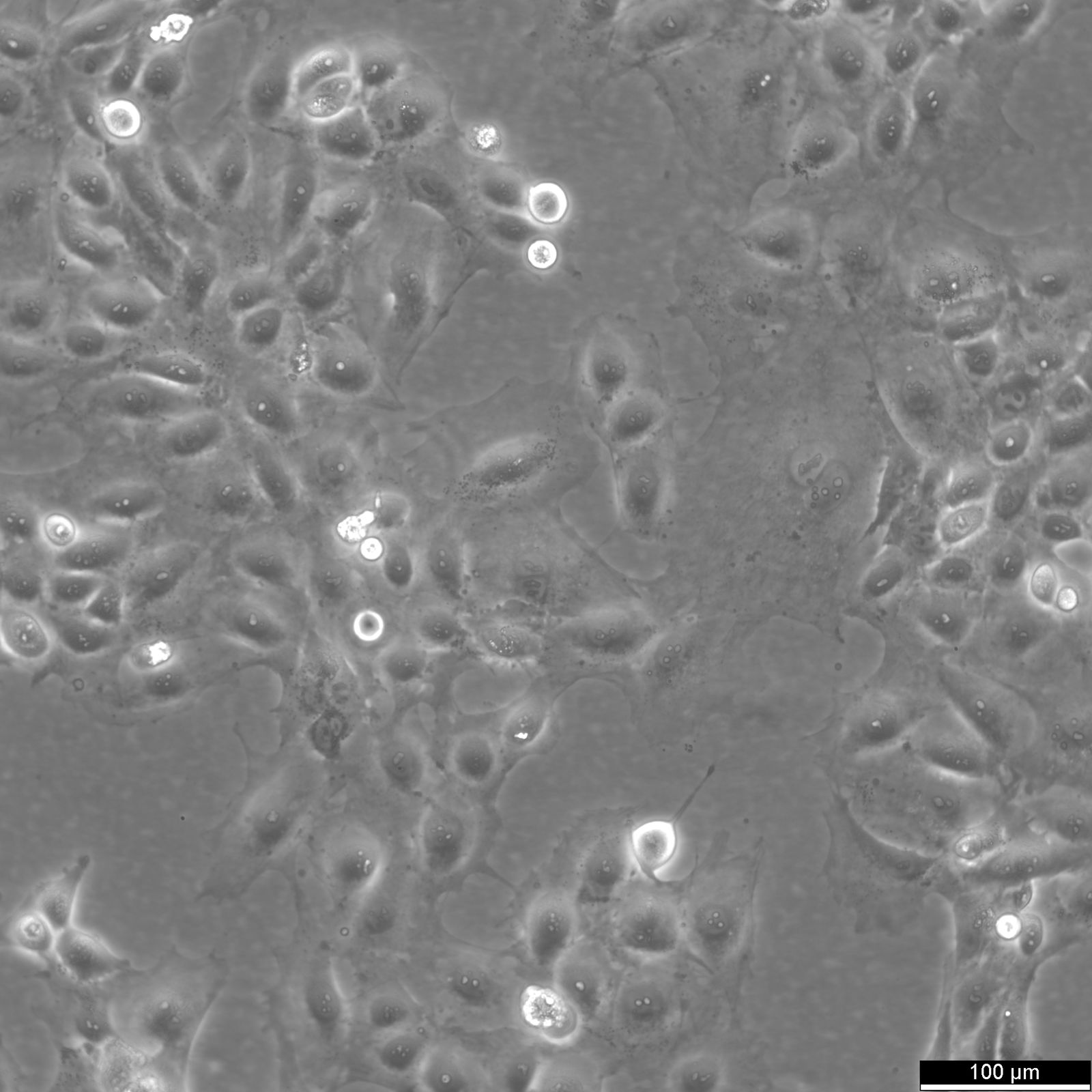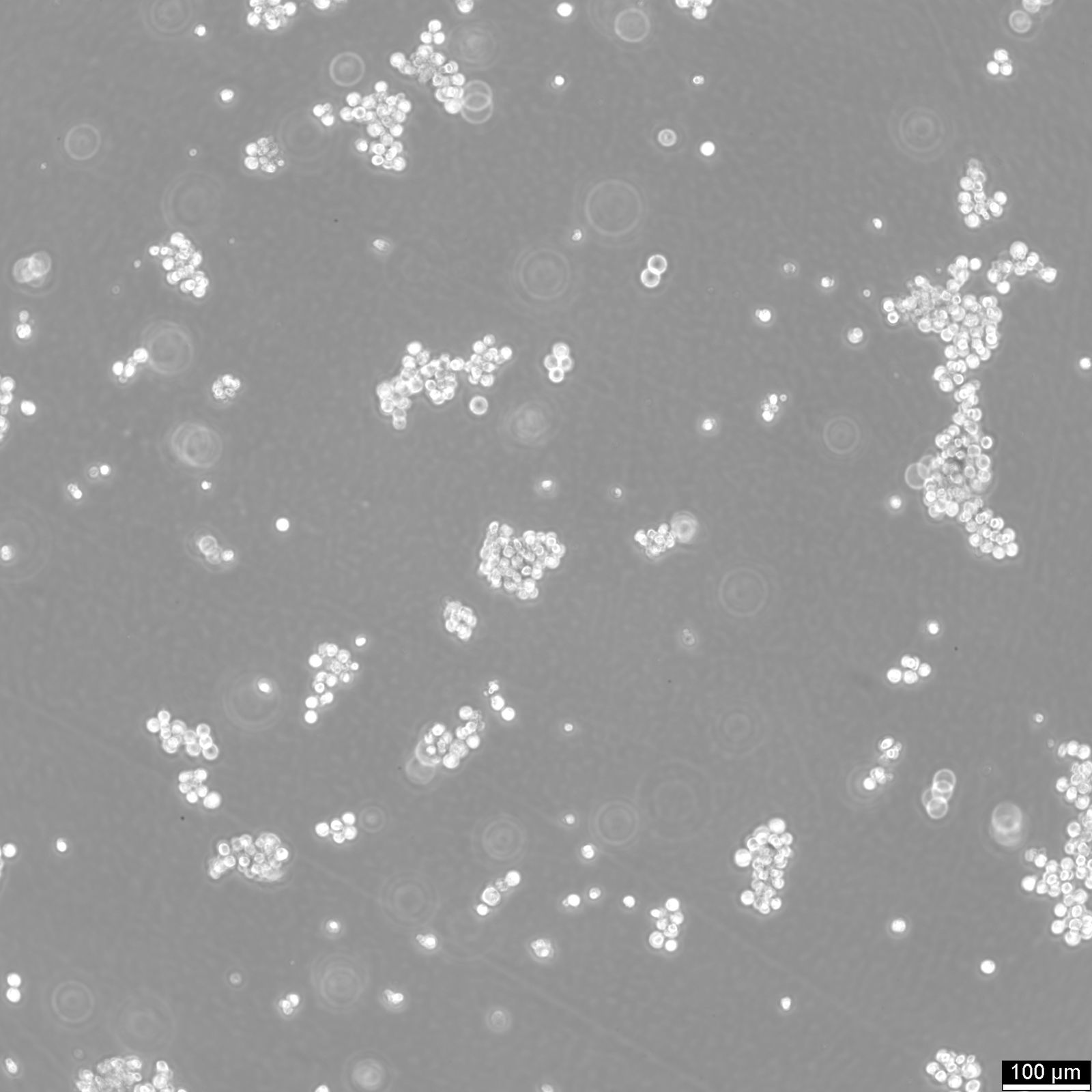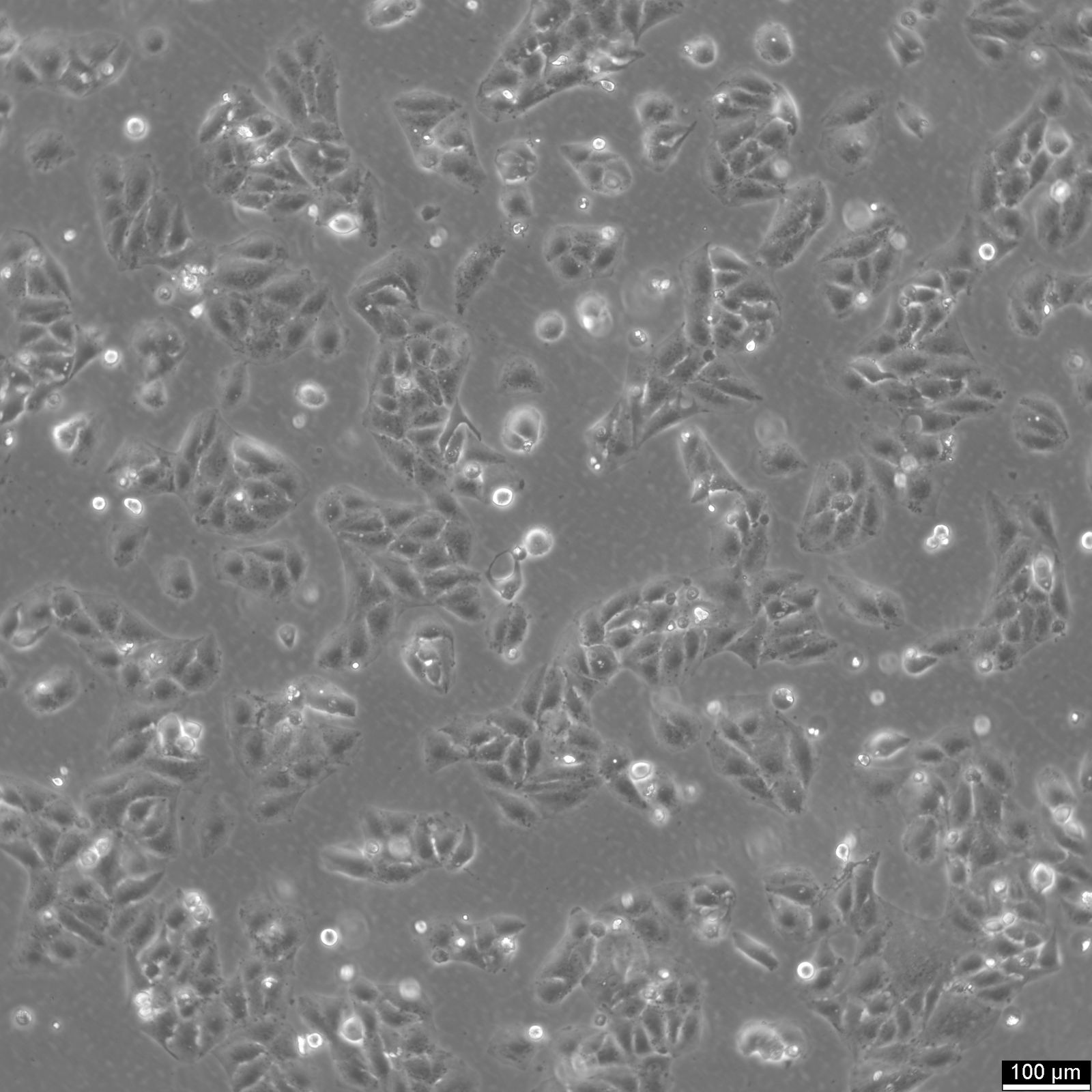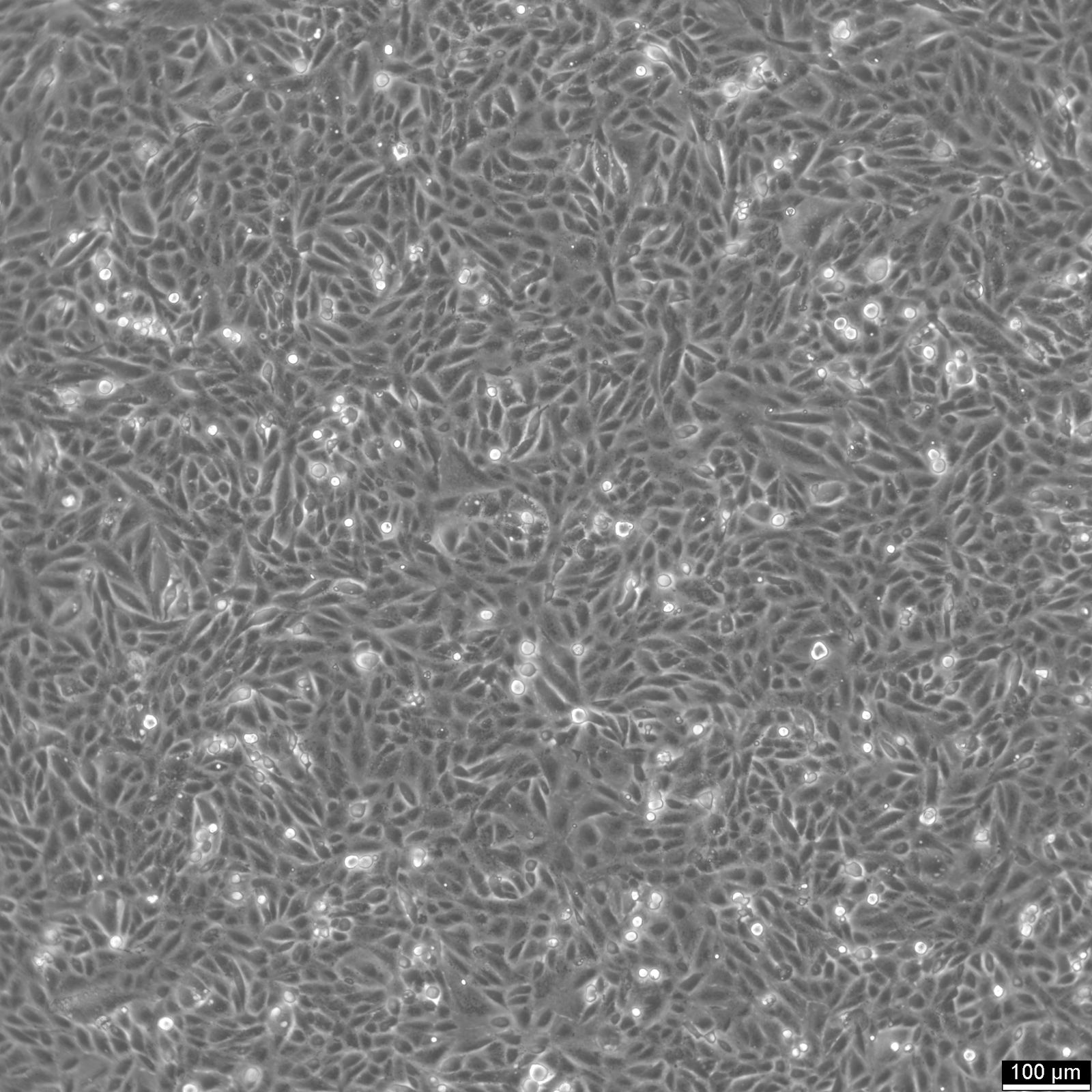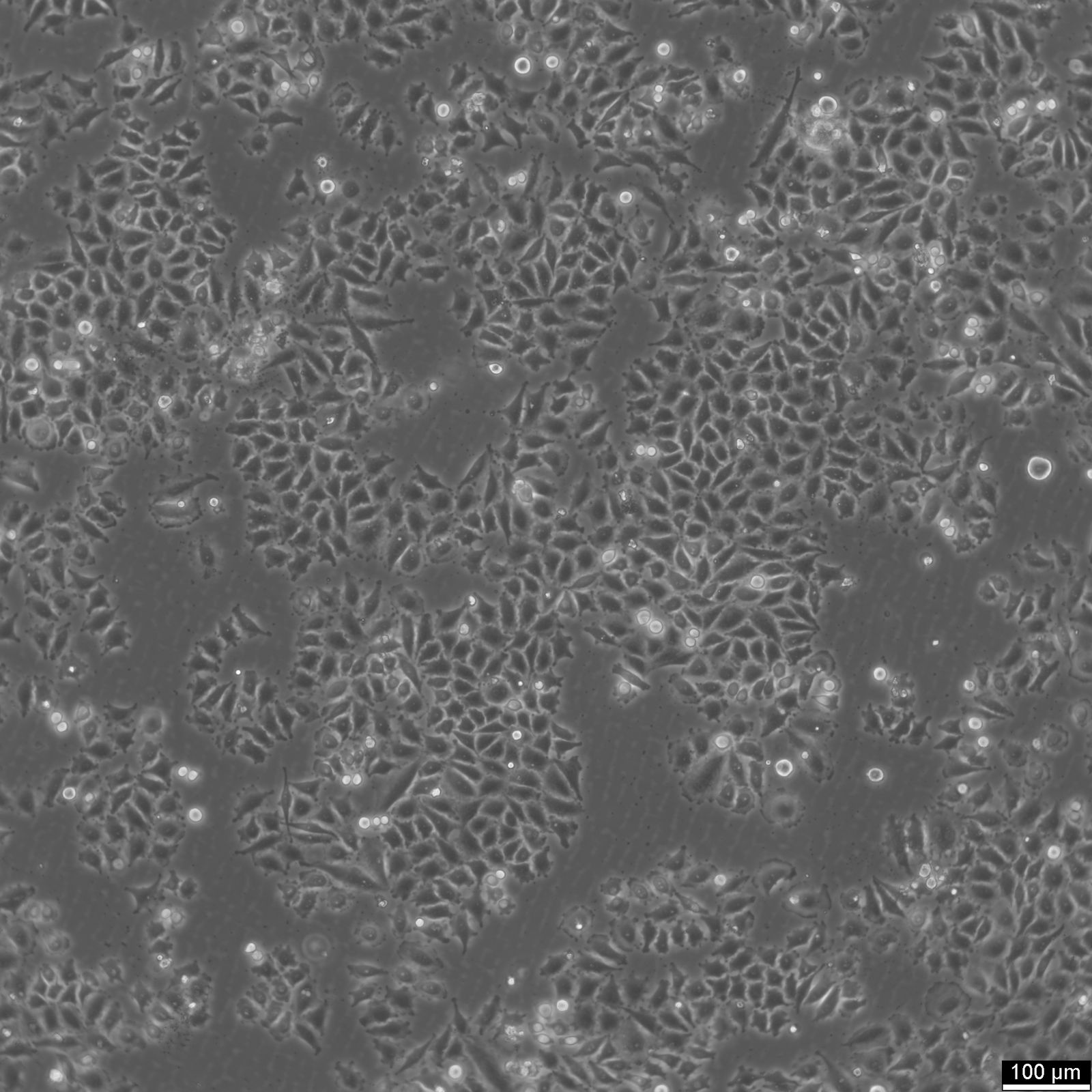
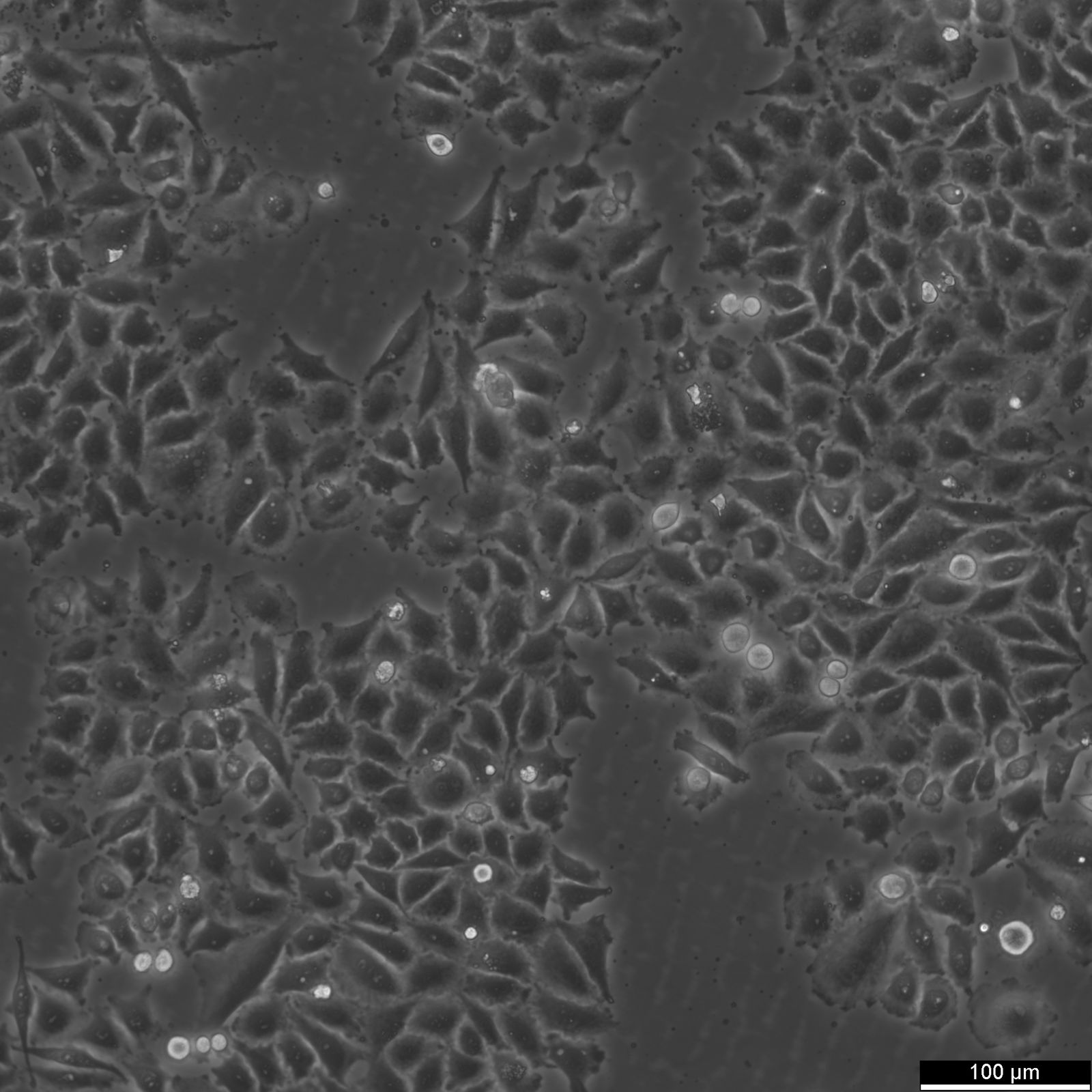
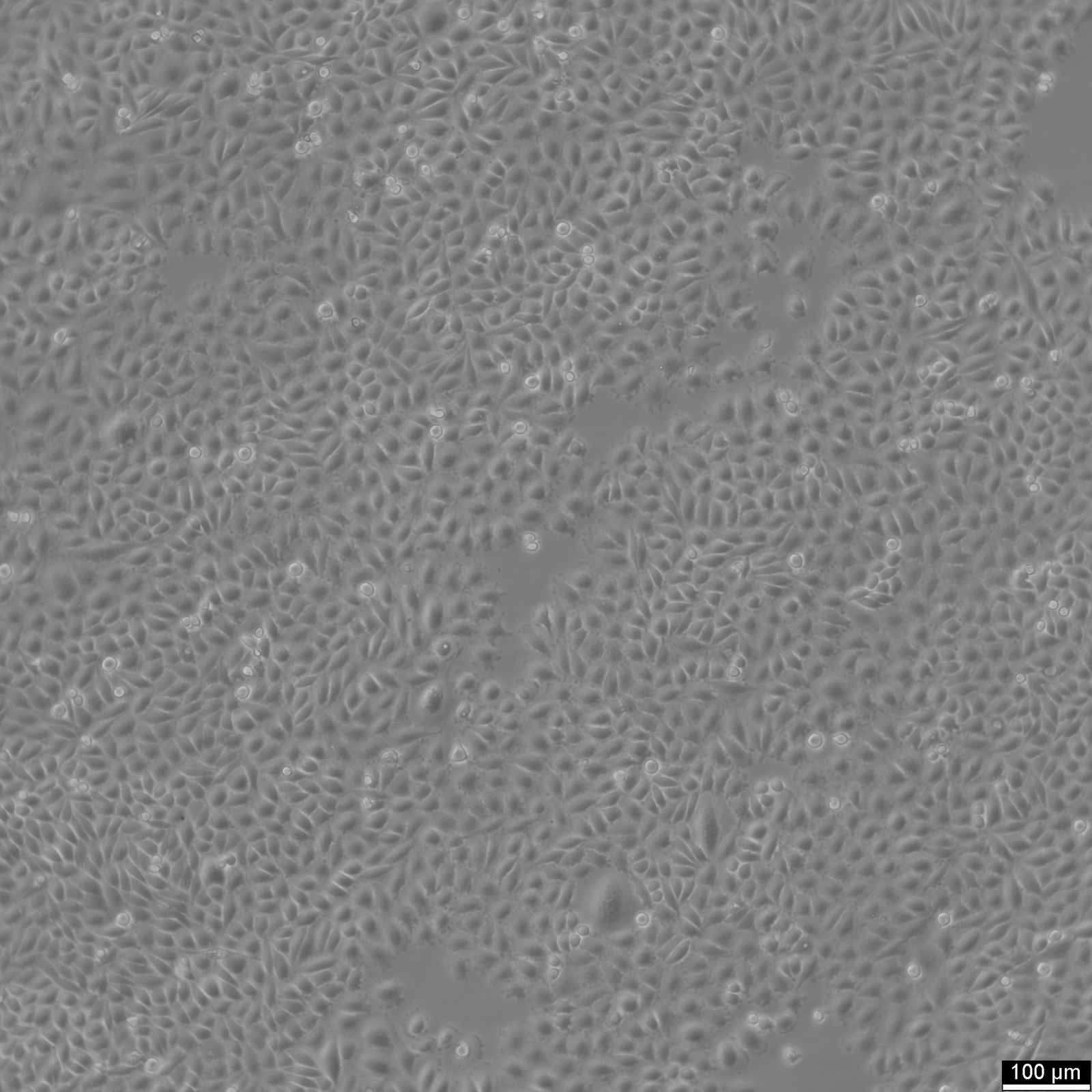
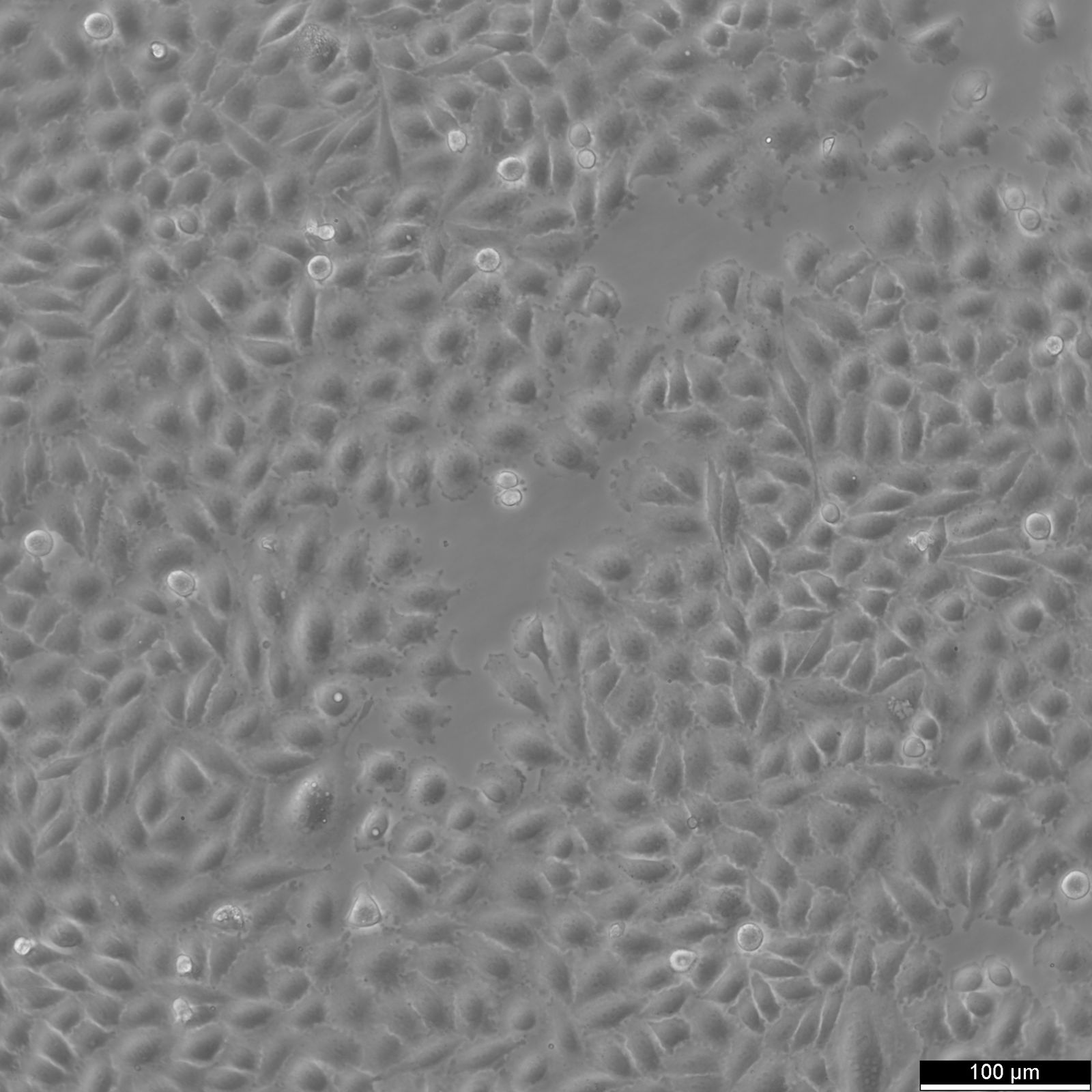
SNU-668 Cells
USD$550.00*
Products are shipped frozen on dry ice in cryotubes. Each cryotube typically contains 3 × 10⁶ cells for adherent lines or 5 × 10⁶ cells for suspension lines (refer to the batch CoA for details).
General information
| Description | The SNU-668 cell line is a human gastric carcinoma model originally derived from the poorly differentiated adenocarcinoma tissue of the stomach. This cell line has been widely used in studies of gastric cancer pathogenesis, signaling mechanisms, and drug responsiveness. Genomic characterization reveals that SNU-668 carries frequent mutations and chromosomal aberrations commonly observed in diffuse-type gastric cancers. Notably, it shows alterations in key oncogenic pathways such as TP53 mutation and possible activation of PI3K/AKT signaling, which may contribute to its tumorigenic properties and therapy resistance. SNU-668 has also been included in comprehensive multi-omics profiling projects such as the Cancer Cell Line Encyclopedia (CCLE), where it was assessed for transcriptomic, genomic, methylation, and proteomic signatures. The cell line exhibits distinct DNA methylation patterns and global histone modification profiles, which may play roles in epigenetic regulation of gene expression. Additionally, analysis of dependency maps has suggested lineage-specific vulnerabilities that could inform targeted therapy strategies for diffuse gastric carcinomas. As a model for stomach cancer with Asian ethnic background origin, SNU-668 continues to be an important tool in the preclinical evaluation of molecularly guided therapeutics. |
|---|---|
| Organism | Human |
| Tissue | Gastric |
| Disease | signet ring cell adenocarcinoma |
| Metastatic site | Ascites |
| Synonyms | SNU668, NCI-SNU-668 |
Characteristics
| Age | 63 years |
|---|---|
| Gender | Male |
| Ethnicity | Korean |
| Morphology | Epithelial-like |
| Cell type | Epithelial |
| Growth properties | Adherent, monolayer |
Regulatory Data
| Citation | SNU-668 (Cytion catalog number 305635) |
|---|---|
| Biosafety level | 1 |
| NCBI_TaxID | 9606 |
| CellosaurusAccession | CVCL_5081 |
Biomolecular Data
| Mutational profile | Mutation: KRAS, Simple, p.Gln61Lys (c.181C>A), Homozygous; Mutation: TP53, Simple, p.Ser215Asn (c.644G>A), Homozygous |
|---|
Handling
| Culture Medium | RPMI 1640, w: 2.0 mM stable Glutamine, w: 2.0 g/L NaHCO3 (Cytion article number 820700a) |
|---|---|
| Supplements | Supplement the medium with 10% heat inactivated FBS |
| Dissociation Reagent | Accutase |
| Doubling time | 26 hours |
| Subculturing | Remove medium, add fresh 0.25 % trypsin 0.02 % EDTA solution, stand culture flask at 37''''C for 3 to 5 minutes, add culture medium and collect the cells, transfer the medium into 15ml tube, centrifuge, aspirate the medium, resuspend the pellets with culture medium and dispense into the culture flask |
| Fluid renewal | 2 to 3 times per week |
| Freeze medium | As a cryopreservation medium, we use complete growth medium (including FBS) + 10% DMSO for adequate post-thaw viability, or CM-1 (Cytion catalog number 800100), which includes optimized osmoprotectants and metabolic stabilizers to enhance recovery and reduce cryo-induced stress. |
| Thawing and Culturing Cells |
|
| Incubation Atmosphere | 37°C, 5% CO2, humidified atmosphere. |
| Shipping Conditions | Cryopreserved cell lines are shipped on dry ice in validated, insulated packaging with sufficient refrigerant to maintain approximately −78 °C throughout transit. On receipt, inspect the container immediately and transfer vials without delay to appropriate storage. |
| Storage Conditions | For long-term preservation, place vials in vapor-phase liquid nitrogen at about −150 to −196 °C. Storage at −80 °C is acceptable only as a short interim step before transfer to liquid nitrogen. |
Quality Control & Molecular Analysis
| Sterility | Mycoplasma contamination is excluded using both PCR-based assays and luminescence-based mycoplasma detection methods. To ensure there is no bacterial, fungal, or yeast contamination, cell cultures are subjected to daily visual inspections. |
|---|
Certificate of Analysis (CoA)
| Lot Number | Certificate Type | Date | Catalog Number |
|---|---|---|---|
| 305635-101224 | Certificate of Analysis | 23. May. 2025 | 305635 |
-
Related products
Related products
SNU-601 CellsOrganism Human Tissue Stomach Disease Gastric signet ring cell adenocarcinoma USD$550.00*