
PLH Cells
USD$395.00*
Products are shipped frozen on dry ice in cryotubes. Each cryotube typically contains 3 × 10⁶ cells for adherent lines or 5 × 10⁶ cells for suspension lines (refer to the batch CoA for details).
General information
| Description | The PLH cell line is an Epstein-Barr virus (EBV)-transformed human lymphoblastoid cell line derived from a patient with congenital adrenal hyperplasia (CAH) due to steroid 21-hydroxylase (21-OHase) deficiency. This autosomal recessive disorder, which impairs cortisol biosynthesis, is strongly linked to specific HLA haplotypes, particularly HLA-Bw47;DR7. The PLH line is homozygous for this haplotype and has been used as a genetic model to investigate the molecular basis of 21-OHase deficiency. It is especially valuable in studying gene deletions affecting the cytochrome P-450C21 gene, which is responsible for 21-hydroxylation, a crucial step in cortisol production. Molecular analyses using DNA probes confirmed that PLH cells exhibit a homozygous deletion of one of the two P-450C21 genes, consistent with the loss of 21-hydroxylase activity observed in affected individuals. The PLH cell line was part of the Fourth Asia-Oceania Histocompatibility Workshop (4AOHW) panel, which aimed to provide a well-characterized set of EBV-transformed lymphoblastoid cell lines representing diverse MHC alleles and haplotypes. These panels serve as essential resources for histocompatibility studies, HLA typing development, and immunogenetics research. The selection of PLH for inclusion in the 4AOHW reflected its unique MHC genotype and disease relevance, contributing to both the standardization of HLA allele assignments and studies exploring the genetic architecture of immune-related disorders. |
|---|---|
| Organism | Human |
| Tissue | Adrenal gland |
| Disease | Classic congenital adrenal hyperplasia due to 21-hydroxylase deficiency |
| Metastatic site | Peripheral blood |
Characteristics
| Age | Unspecified |
|---|---|
| Gender | Female |
| Ethnicity | Scandinavian, Caucasian |
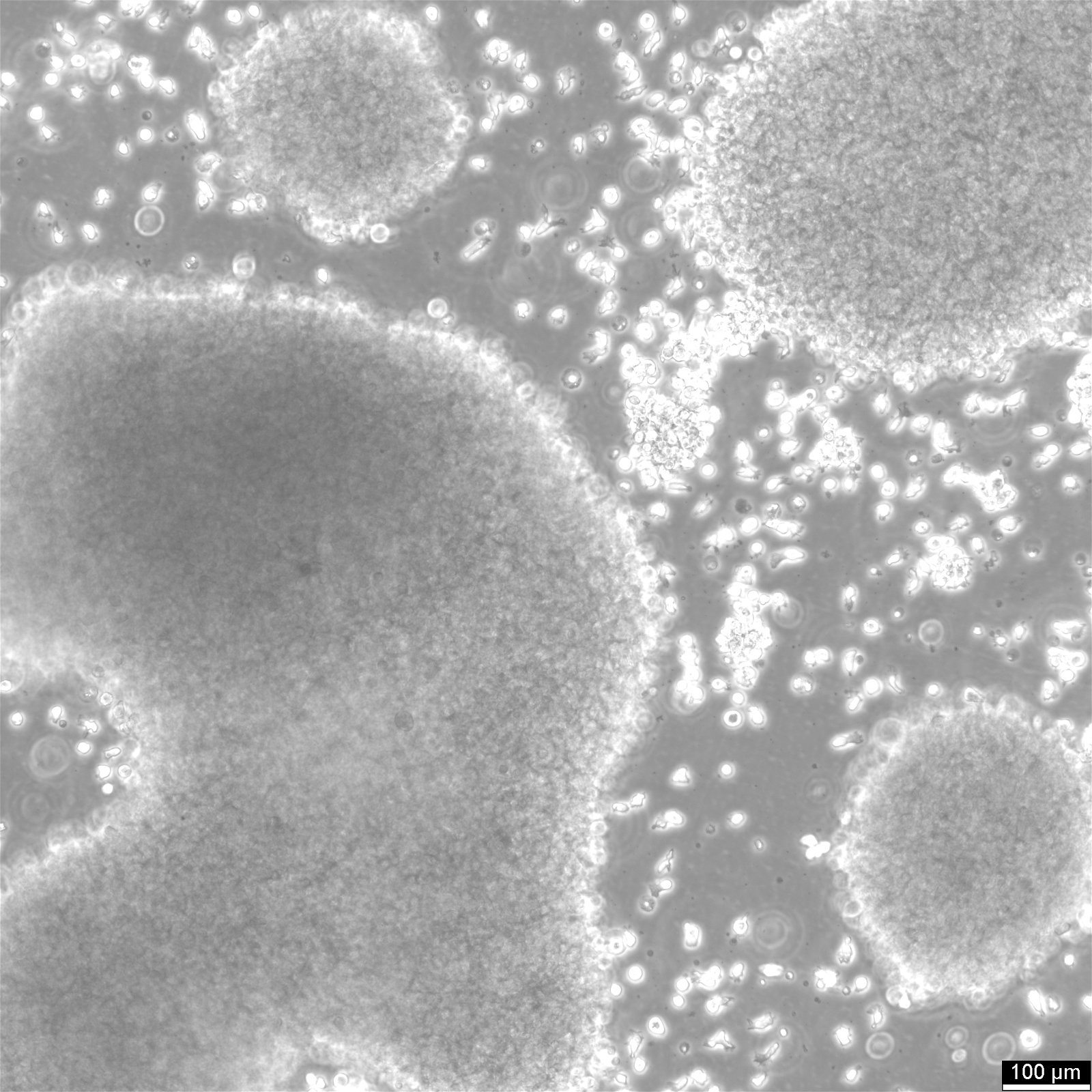
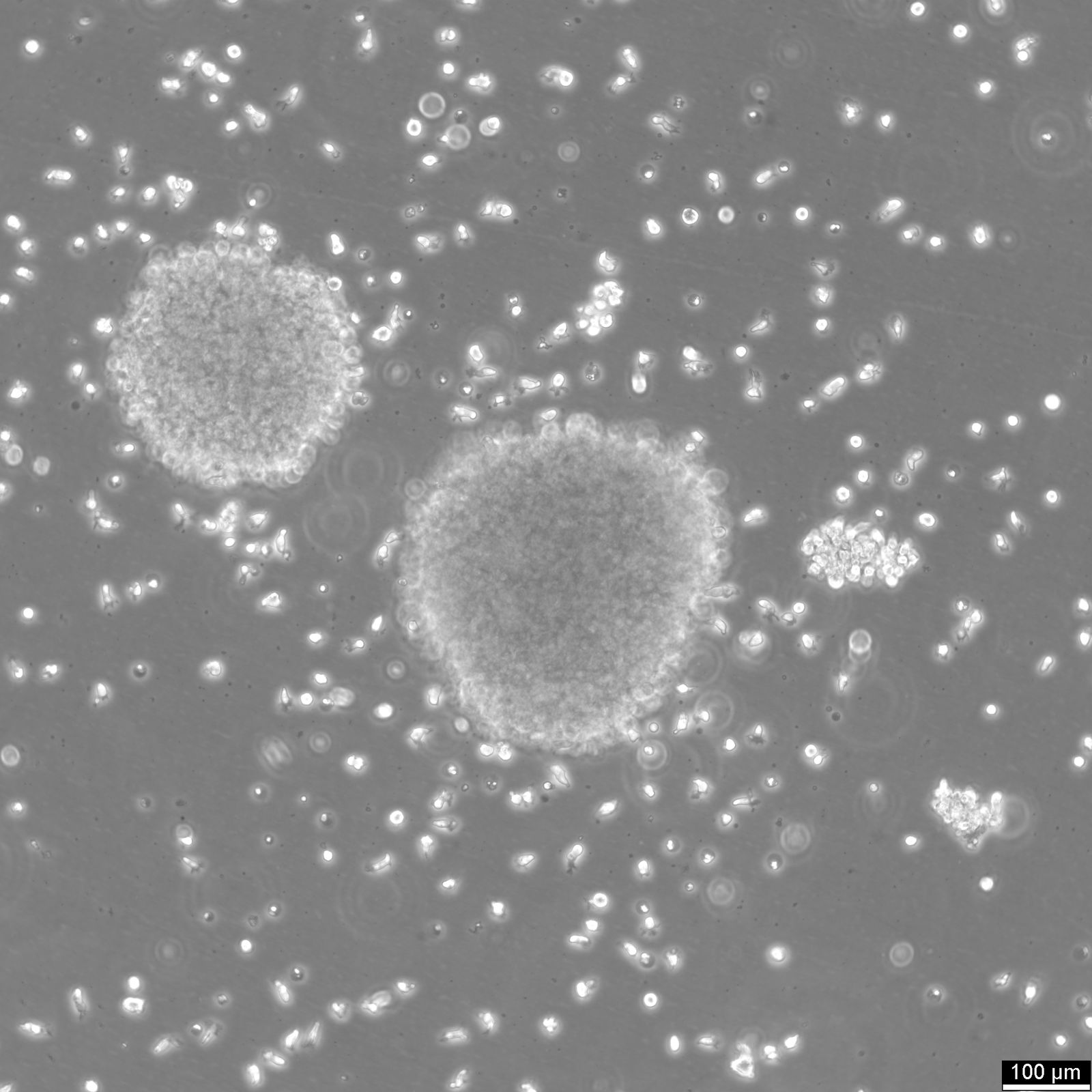
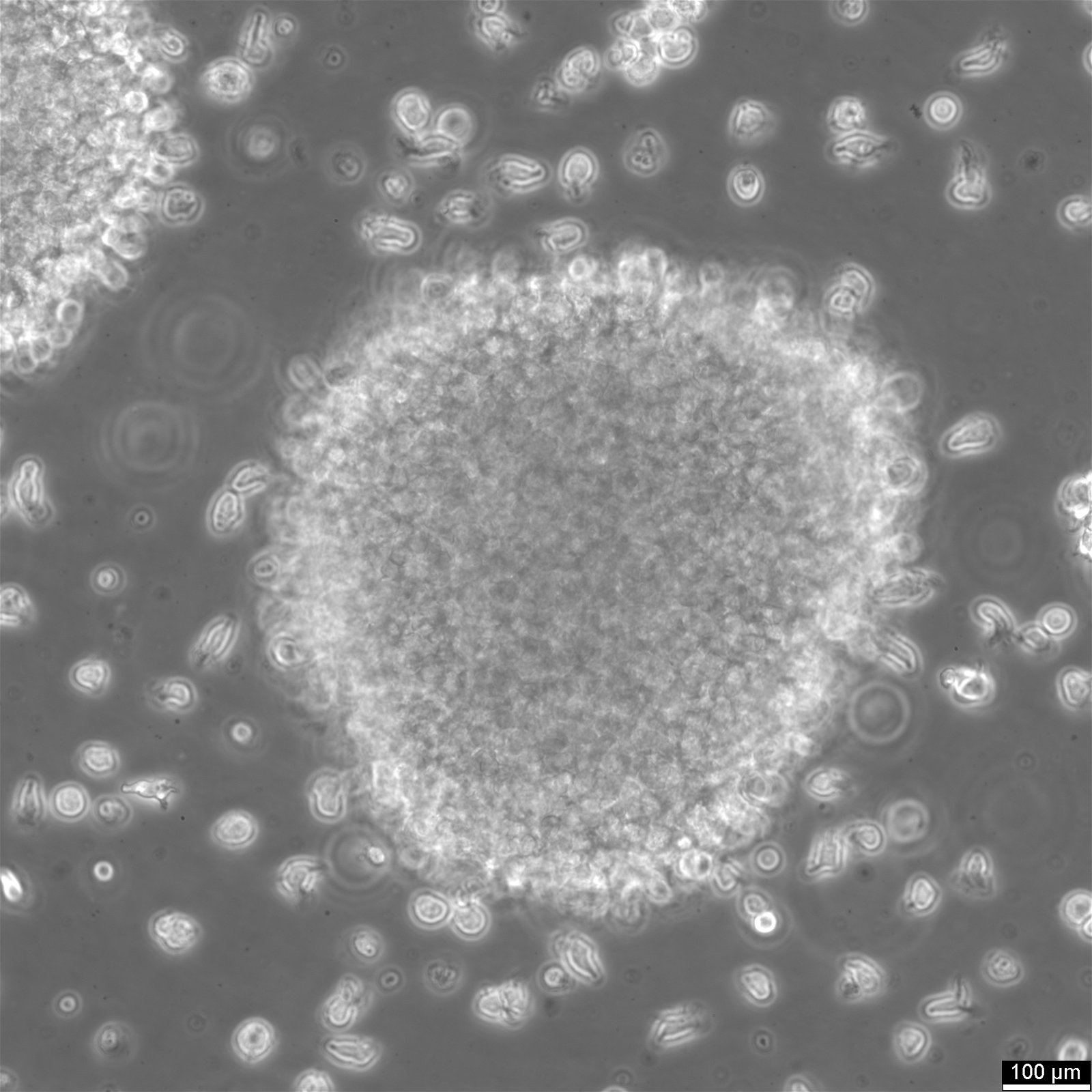
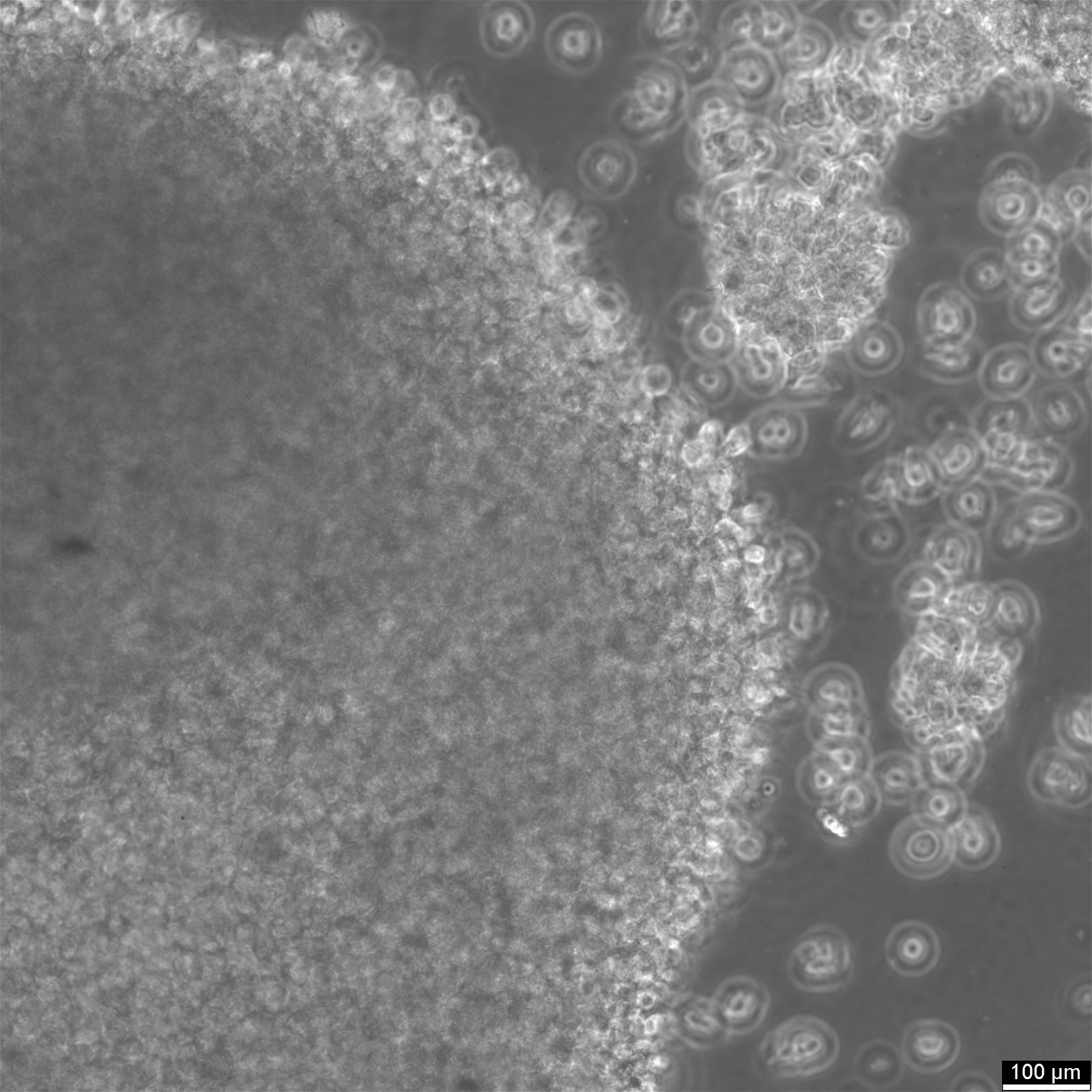
| Morphology | Lymphoblast |
| Cell type | B Cell |
| Growth properties | Suspension |
Regulatory Data
| Citation | PLH (Cytion catalog number 302137) |
|---|---|
| NCBI_TaxID | 9606 |
| CellosaurusAccession | CVCL_E810 |
Biomolecular Data
| Viruses | Epstein-Barr virus (EBV) |
|---|
Handling
| Culture Medium | RPMI 1640, w: 2.0 mM stable Glutamine, w: 2.0 g/L NaHCO3 (Cytion article number 820700a) |
|---|---|
| Supplements | Supplement the medium with 10% FBS |
| Subculturing | Gently homogenize the cell suspension in the flask by pipetting up and down, then take a representative sample to determine the cell density per ml. Dilute the suspension to achieve a cell concentration of 1 x 10⁵ cells/ml with fresh culture medium, and aliquot the adjusted suspension into new flasks for further cultivation. |
| Freeze medium | As a cryopreservation medium, we use complete growth medium (including FBS) + 10% DMSO for adequate post-thaw viability, or CM-1 (Cytion catalog number 800100), which includes optimized osmoprotectants and metabolic stabilizers to enhance recovery and reduce cryo-induced stress. |
| Thawing and Culturing Cells |
|
| Incubation Atmosphere | 37°C, 5% CO2, humidified atmosphere. |
| Flask Coating | None |
| Shipping Conditions | Cryopreserved cell lines are shipped on dry ice in validated, insulated packaging with sufficient refrigerant to maintain approximately −78 °C throughout transit. On receipt, inspect the container immediately and transfer vials without delay to appropriate storage. |
| Storage Conditions | For long-term preservation, place vials in vapor-phase liquid nitrogen at about −150 to −196 °C. Storage at −80 °C is acceptable only as a short interim step before transfer to liquid nitrogen. |
Quality Control & Molecular Analysis
| Sterility | Mycoplasma contamination is excluded using both PCR-based assays and luminescence-based mycoplasma detection methods. To ensure there is no bacterial, fungal, or yeast contamination, cell cultures are subjected to daily visual inspections. |
|---|
Certificate of Analysis (CoA)
| Lot Number | Certificate Type | Date | Catalog Number |
|---|---|---|---|
| 302137-122 | Certificate of Analysis | 18. Aug. 2025 | 302137 |
| 302137-122 | Certificate of Analysis | 23. May. 2025 | 302137 |