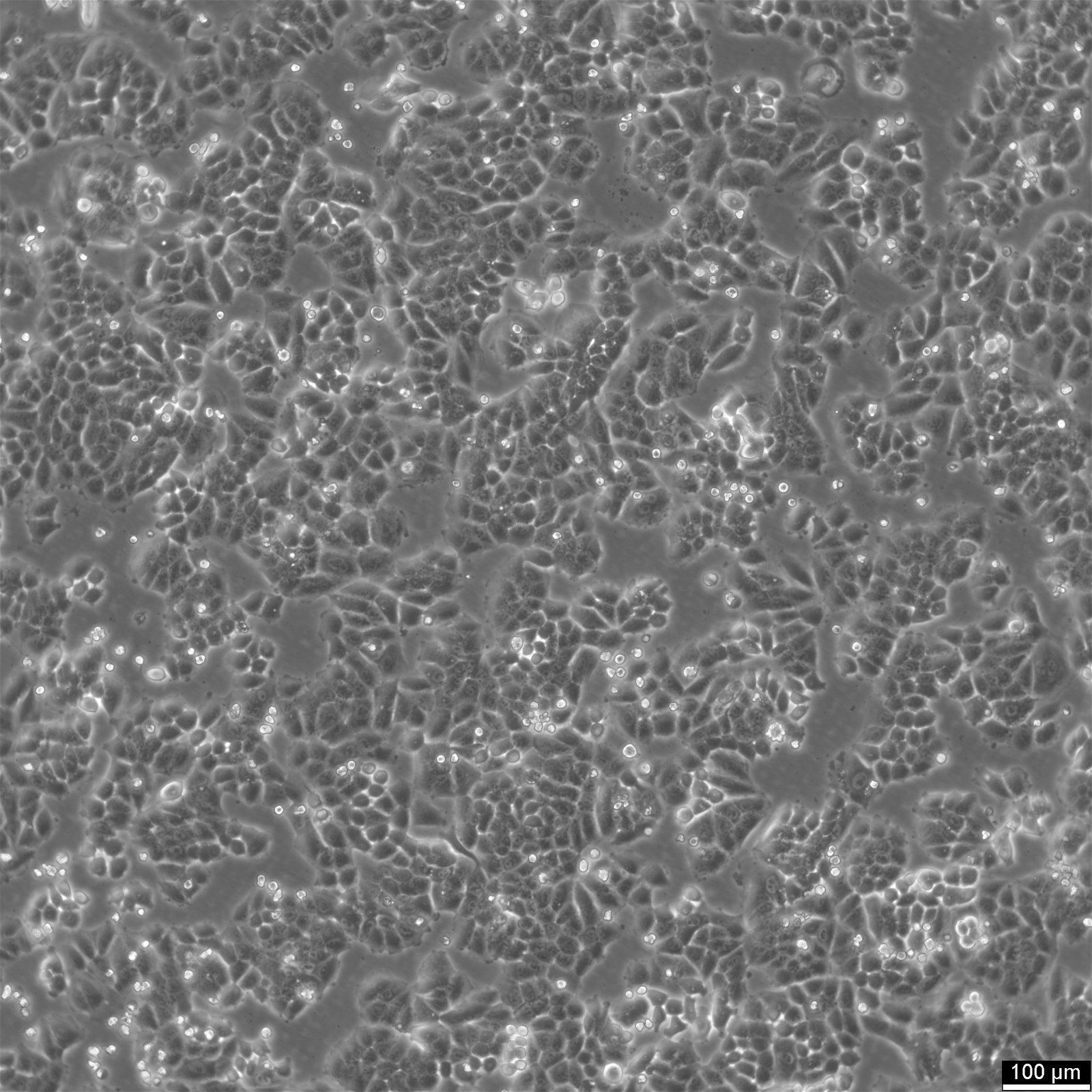
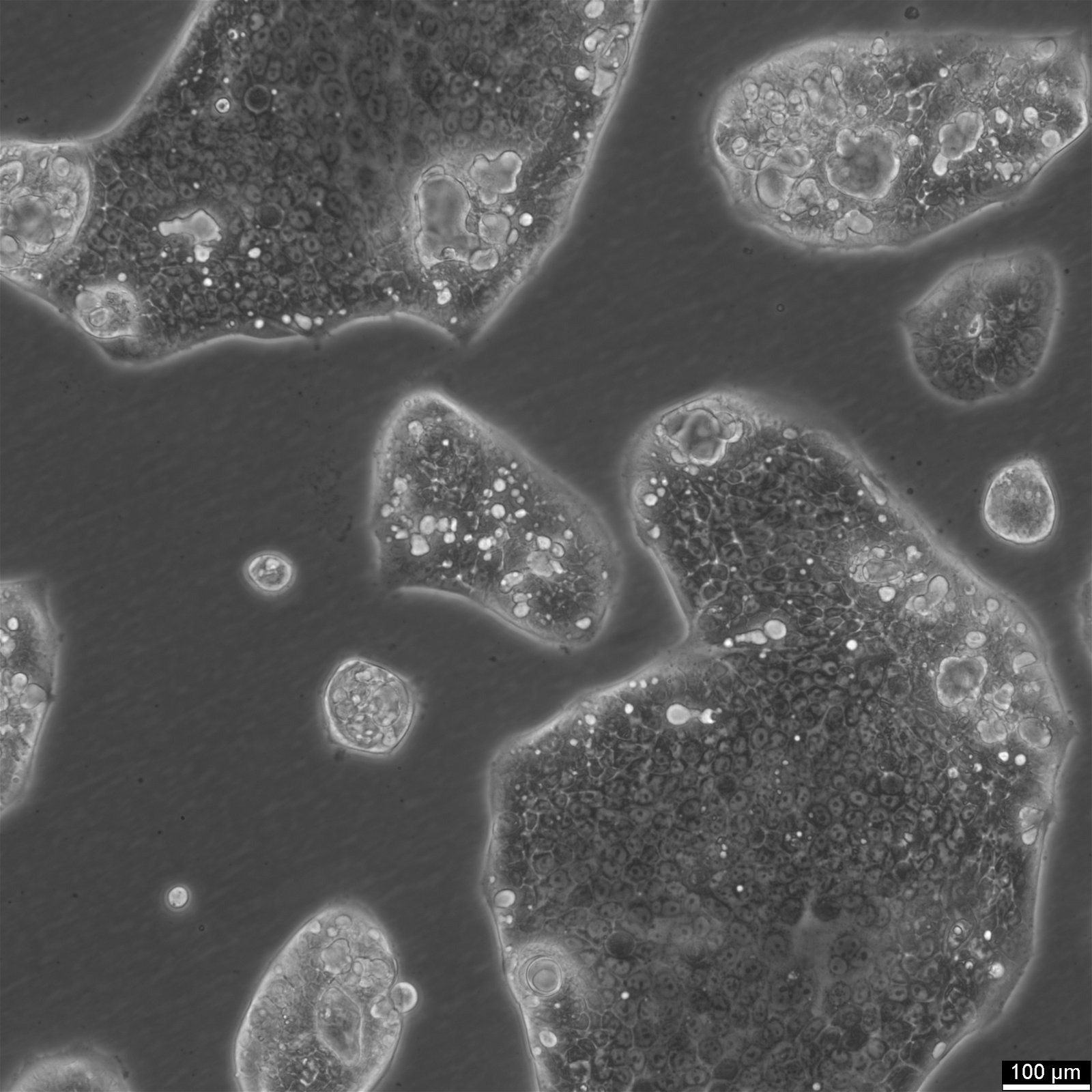
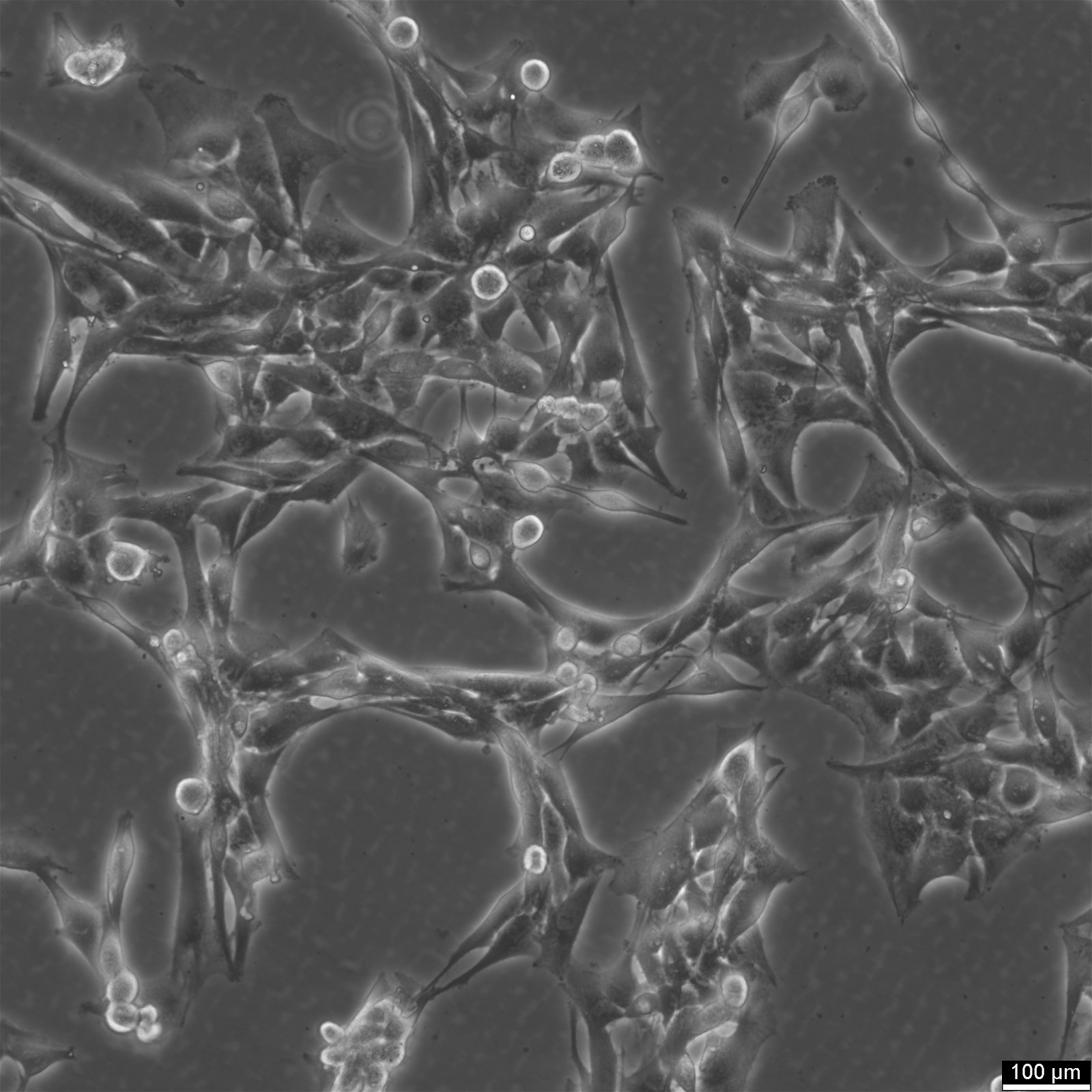
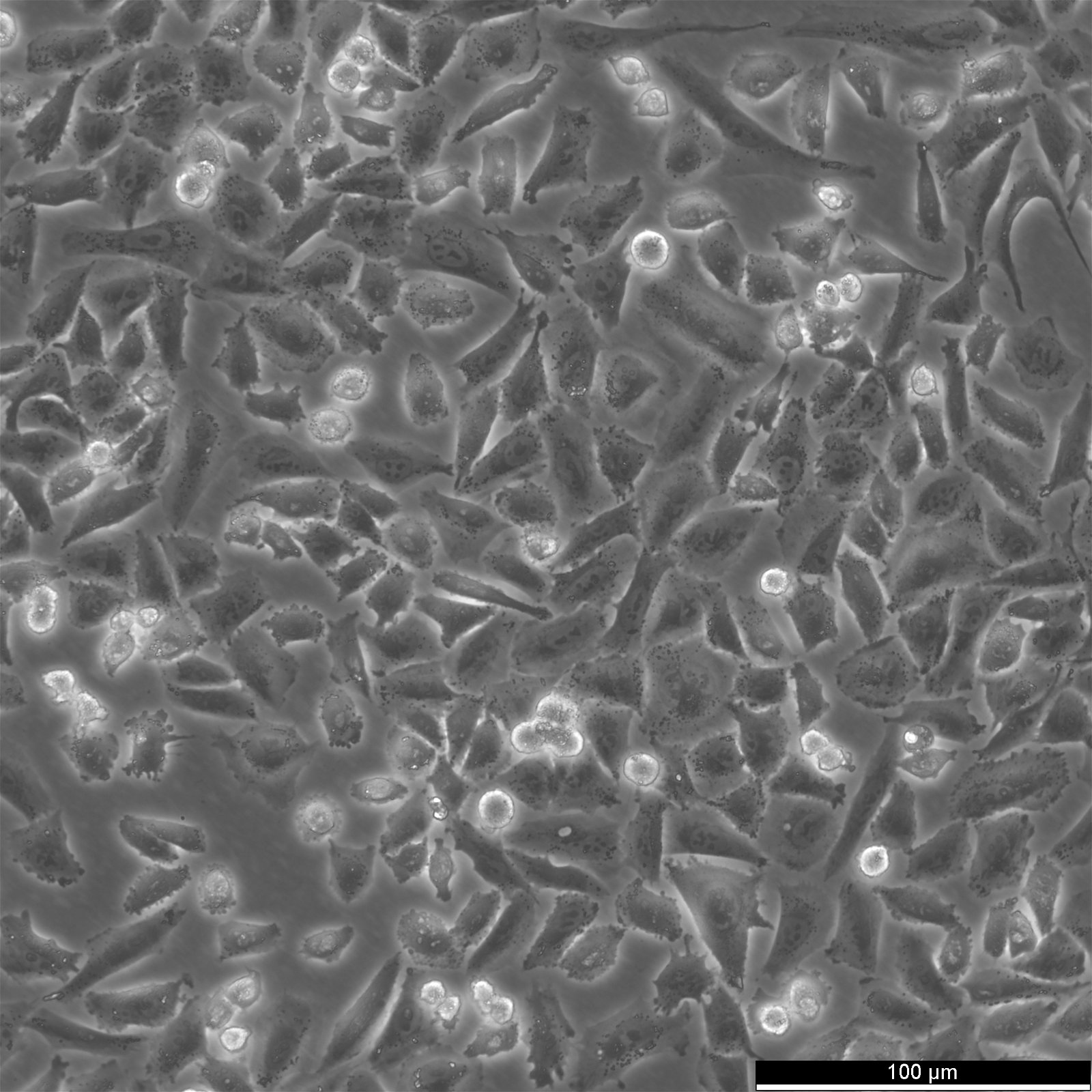
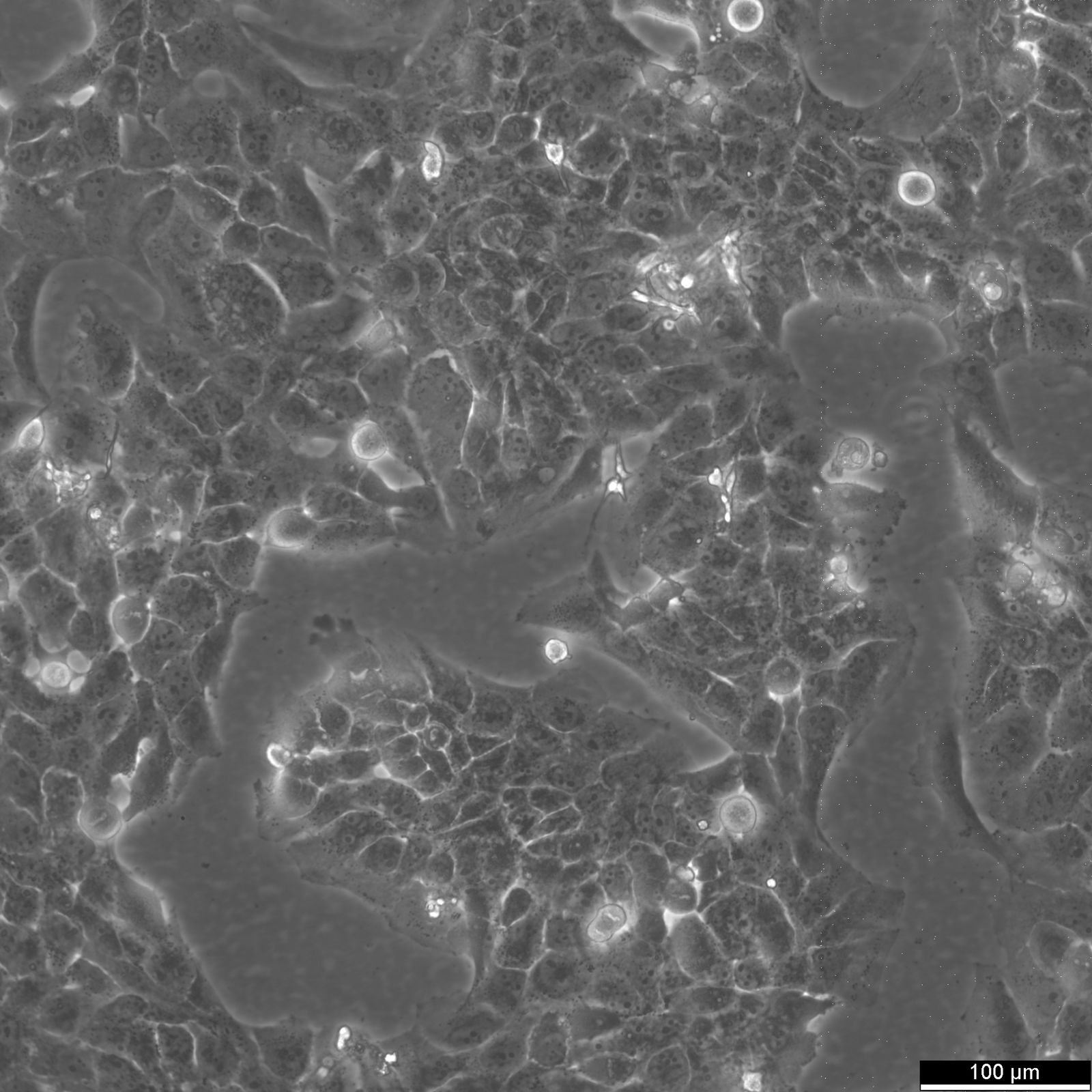
NCI-H69 Cells
USD$395.00*
Products are shipped frozen on dry ice in cryotubes. Each cryotube typically contains 3 × 10⁶ cells for adherent lines or 5 × 10⁶ cells for suspension lines (refer to the batch CoA for details).
General information
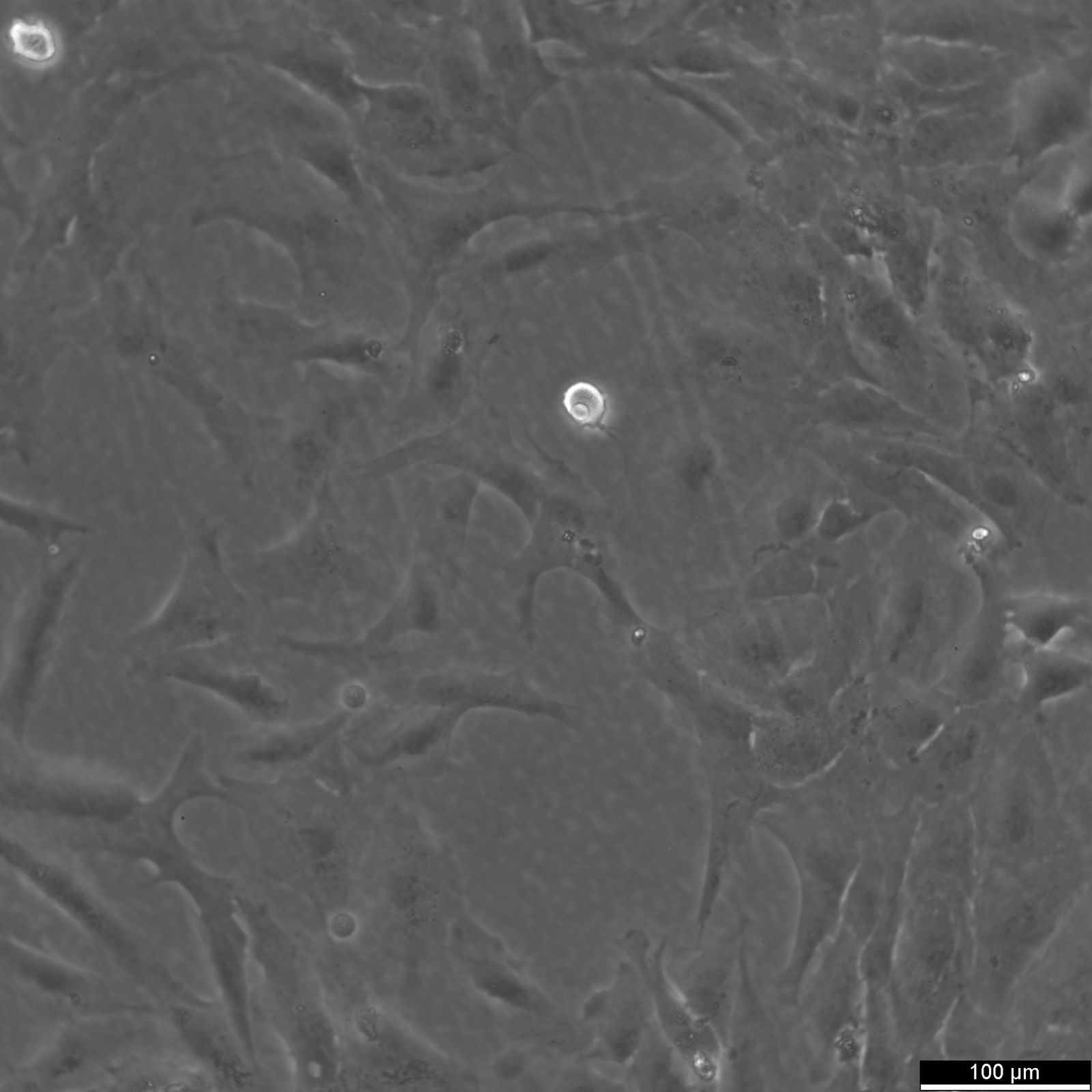
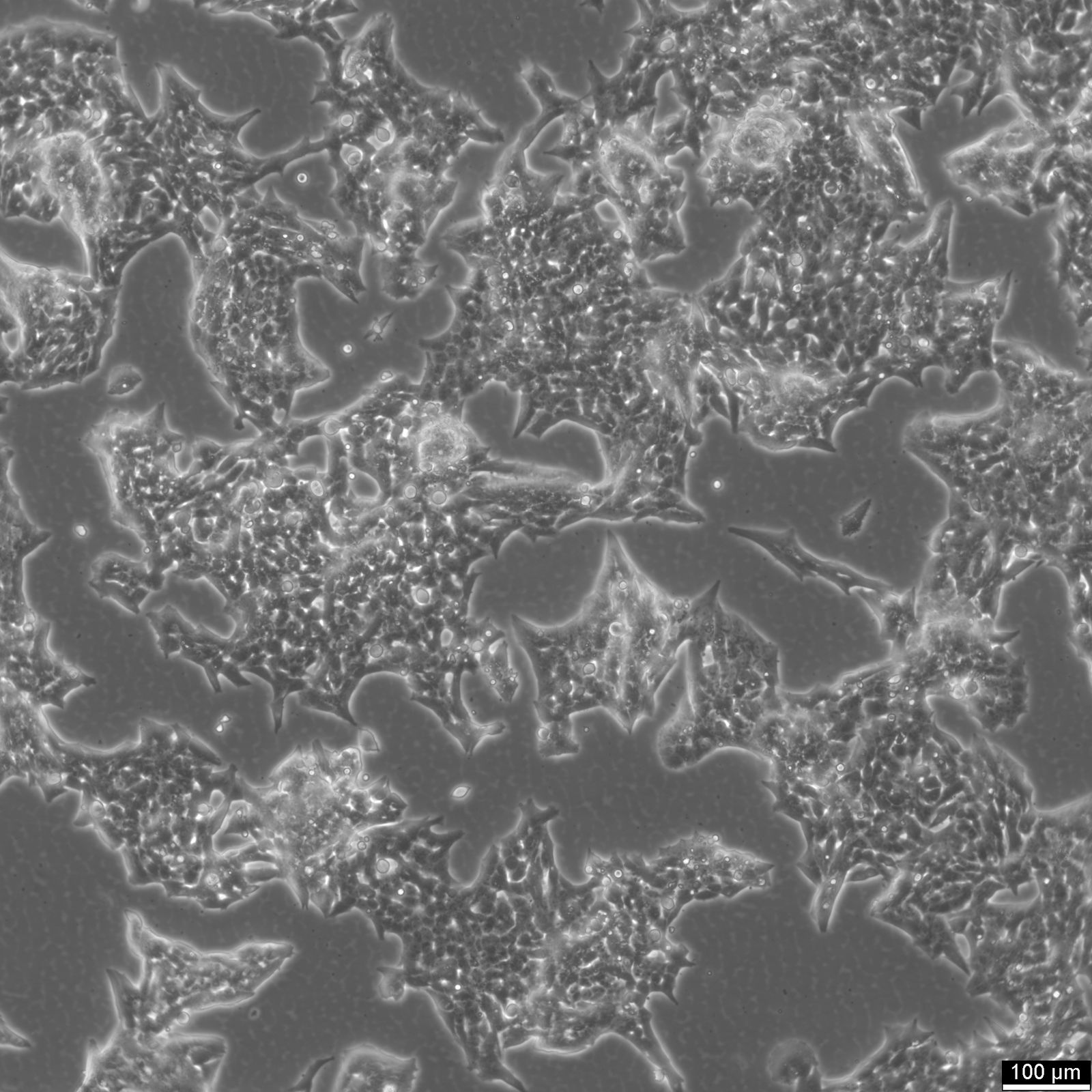
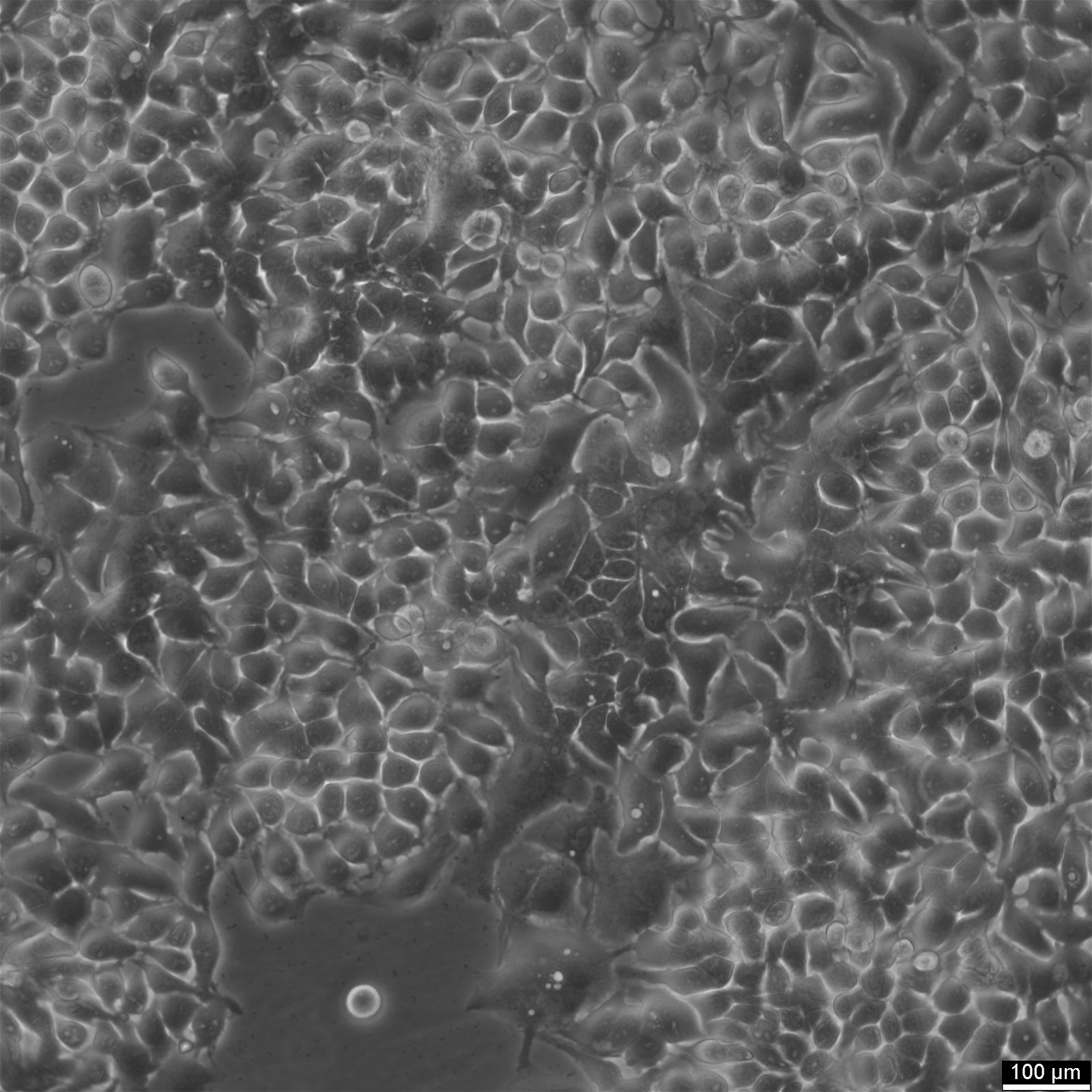
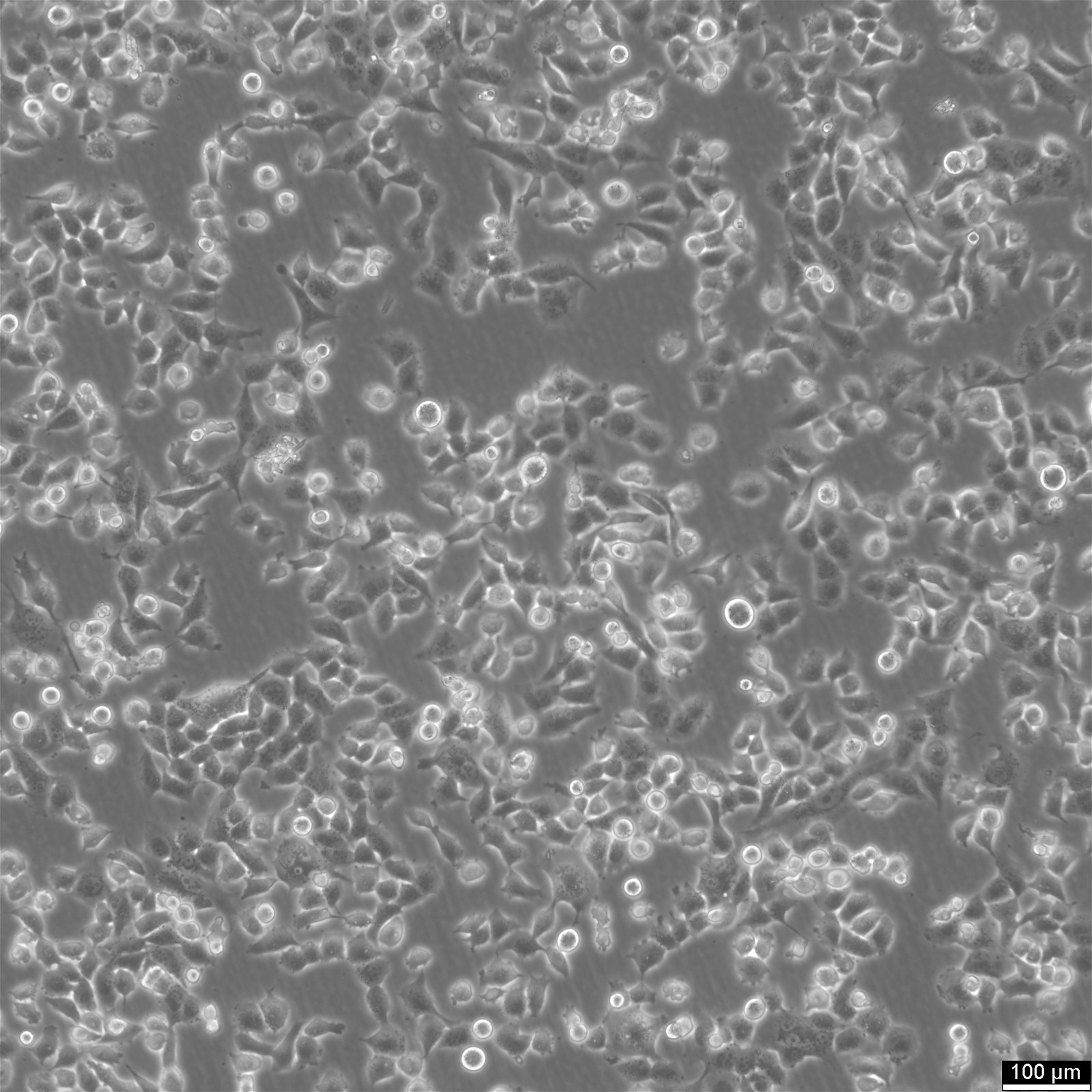
| Description | This cell line is aneuploid, will form colonies in soft agar and retains small cell carcinoma morphology and ultrastructure as well as APUD cell characteristics. The cells grow in aggregates, thus cell counts are not accurate. The line can be adapted to grow in shaker flask or spinner flask systems. These cells are not resistant to Adriamycin. |
|---|---|
| Organism | Human |
| Tissue | Lung |
| Disease | Lung small cell carcinoma |
| Metastatic site | Pleural effusion |
| Synonyms | NCI-H-69, NCI H69, H69, H-69, NCIH69, NCI-HUT-69, H69/P, NCI-H69C, H69C, H69c |
Characteristics
| Age | 55 years |
|---|---|
| Gender | Male |
| Ethnicity | Caucasian |
| Growth properties | Floating aggregates |
Regulatory Data
| Citation | NCI-H69 (H69) (Cytion catalog number 300185) |
|---|---|
| Biosafety level | 1 |
| NCBI_TaxID | 9606 |
| CellosaurusAccession | CVCL_1579 |
Biomolecular Data
| Receptors expressed | Insulin-like growth factor II receptor (IGF II) |
|---|---|
| Protein expression | P53 negative, cytokeratins positive |
| Isoenzymes | G6PD, B, PGM1, 2, PGM3, 1, ES-D, 2, Me-2, 1, AK-1, 1, GLO-1, 1-2, Phenotype Frequency Product: 0.00006 |
| Tumorigenic | Forms tumors with typical small cell carcinoma histology |
| Karyotype | Aneuploid, with 3p deletion. Range = 40 to 73 |
Handling
| Culture Medium | RPMI 1640, w: 2.0 mM stable Glutamine, w: 2.0 g/L NaHCO3 (Cytion article number 820700a) |
|---|---|
| Supplements | Supplement the medium with 10% FBS |
| Doubling time | 69 hours |
| Subculturing | Allow aggregates to settle to the bottom of the flask, remove and discard the supernatant medium. Add fresh medium, disperse cells by gentle pipetting and dispense into new flasks. Subculture every 6 to 8 days. |
| Seeding density | 1 x 10⁵ cells/ml |
| Fluid renewal | 2 to 3 times per week |
| Post-Thaw Recovery | After thawing allow the cells to recover from the freezing process for at least 24 hours. |
| Freeze medium | As a cryopreservation medium, we use complete growth medium (including FBS) + 10% DMSO for adequate post-thaw viability, or CM-1 (Cytion catalog number 800100), which includes optimized osmoprotectants and metabolic stabilizers to enhance recovery and reduce cryo-induced stress. |
| Thawing and Culturing Cells |
|
| Incubation Atmosphere | 37°C, 5% CO2, humidified atmosphere. |
| Shipping Conditions | Cryopreserved cell lines are shipped on dry ice in validated, insulated packaging with sufficient refrigerant to maintain approximately −78 °C throughout transit. On receipt, inspect the container immediately and transfer vials without delay to appropriate storage. |
| Storage Conditions | For long-term preservation, place vials in vapor-phase liquid nitrogen at about −150 to −196 °C. Storage at −80 °C is acceptable only as a short interim step before transfer to liquid nitrogen. |
Quality Control & Molecular Analysis
| Sterility | Mycoplasma contamination is excluded using both PCR-based assays and luminescence-based mycoplasma detection methods. To ensure there is no bacterial, fungal, or yeast contamination, cell cultures are subjected to daily visual inspections. |
|---|
Certificate of Analysis (CoA)
| Lot Number | Certificate Type | Date | Catalog Number |
|---|---|---|---|
| 300185-717SF | Certificate of Analysis | 05. Dec. 2025 | 300185 |
| 300185-300325 | Certificate of Analysis | 18. Aug. 2025 | 300185 |