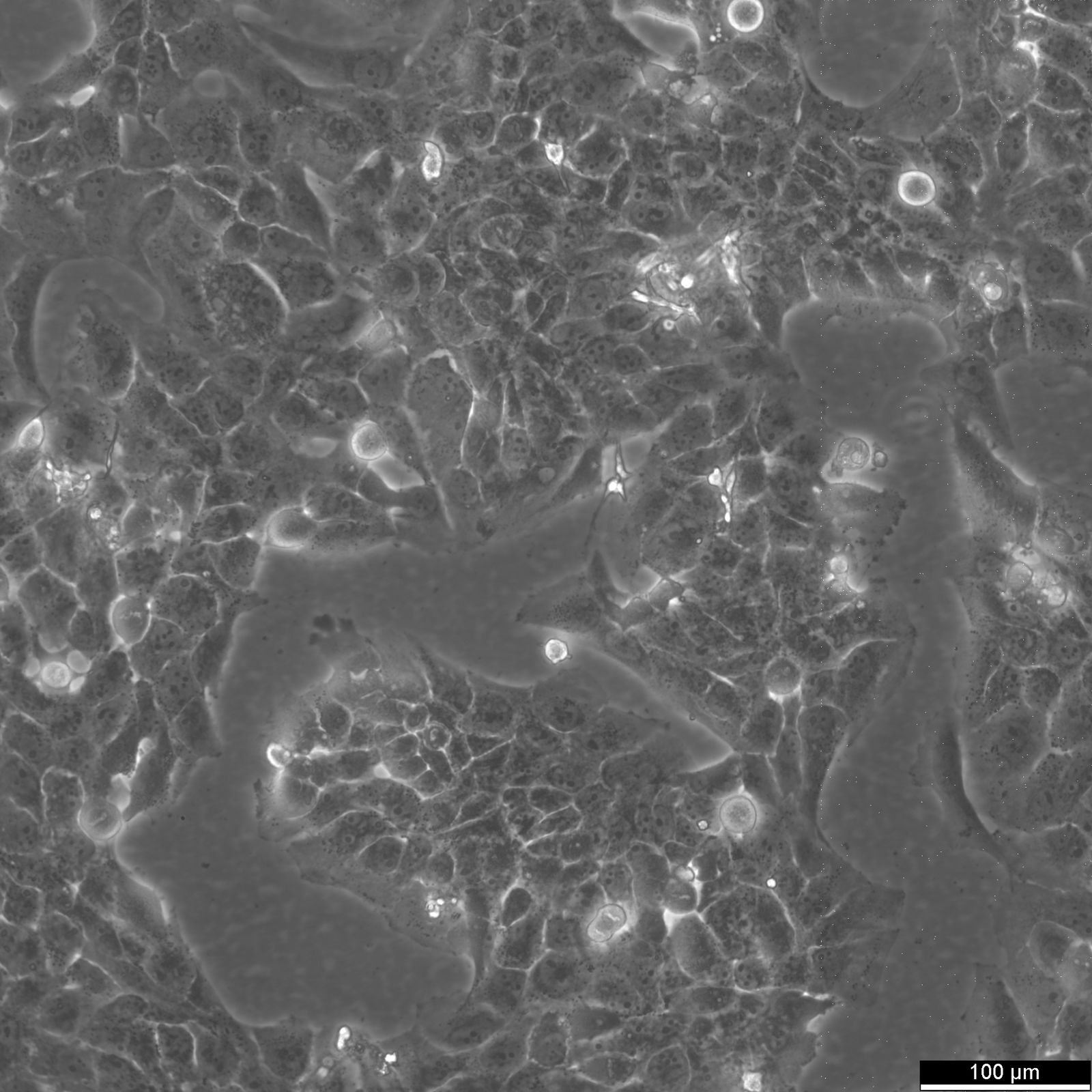
NCI-H1734 Cells
USD$800.00*
Products are shipped frozen on dry ice in cryotubes. Each cryotube typically contains 3 × 10⁶ cells for adherent lines or 5 × 10⁶ cells for suspension lines (refer to the batch CoA for details).
General information
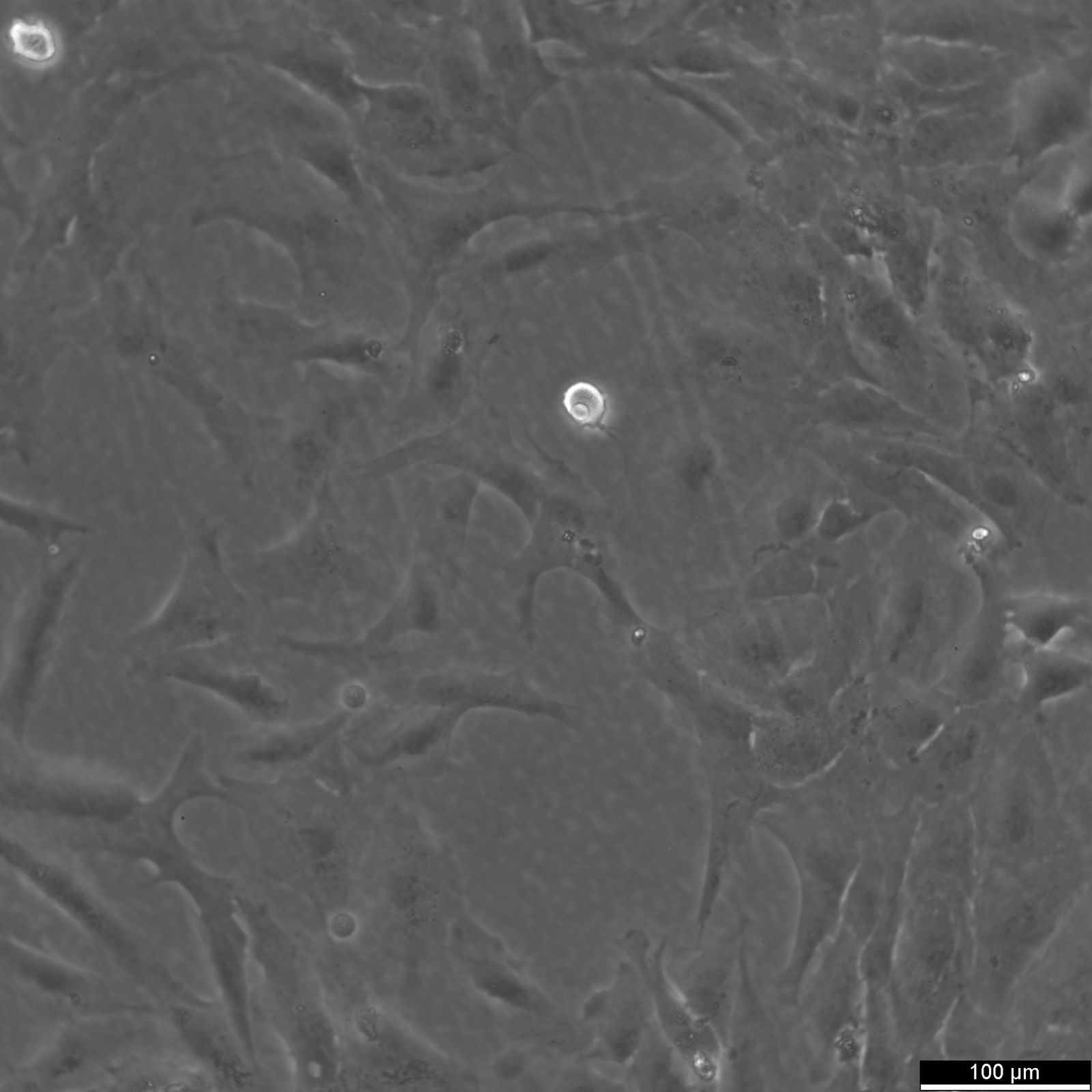
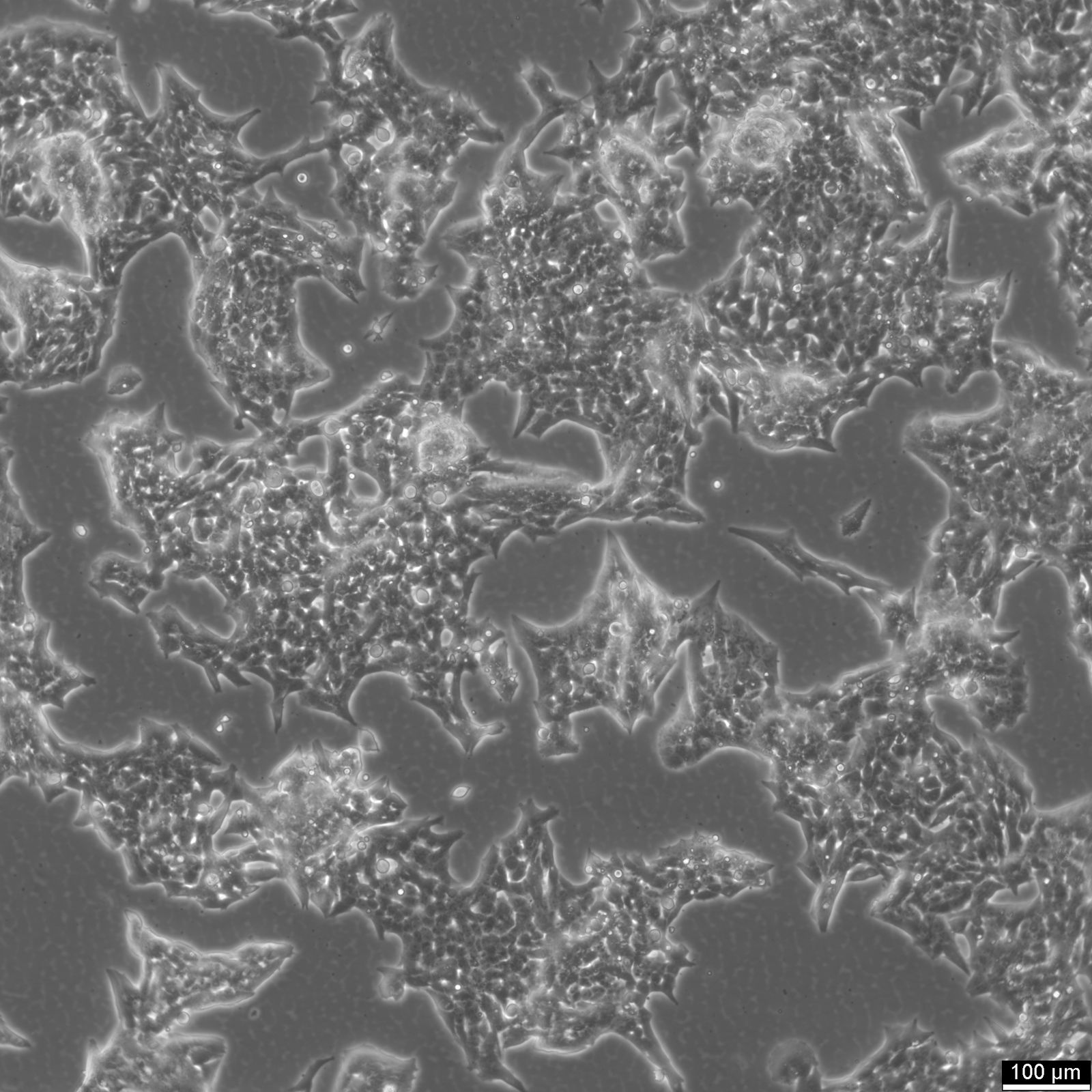
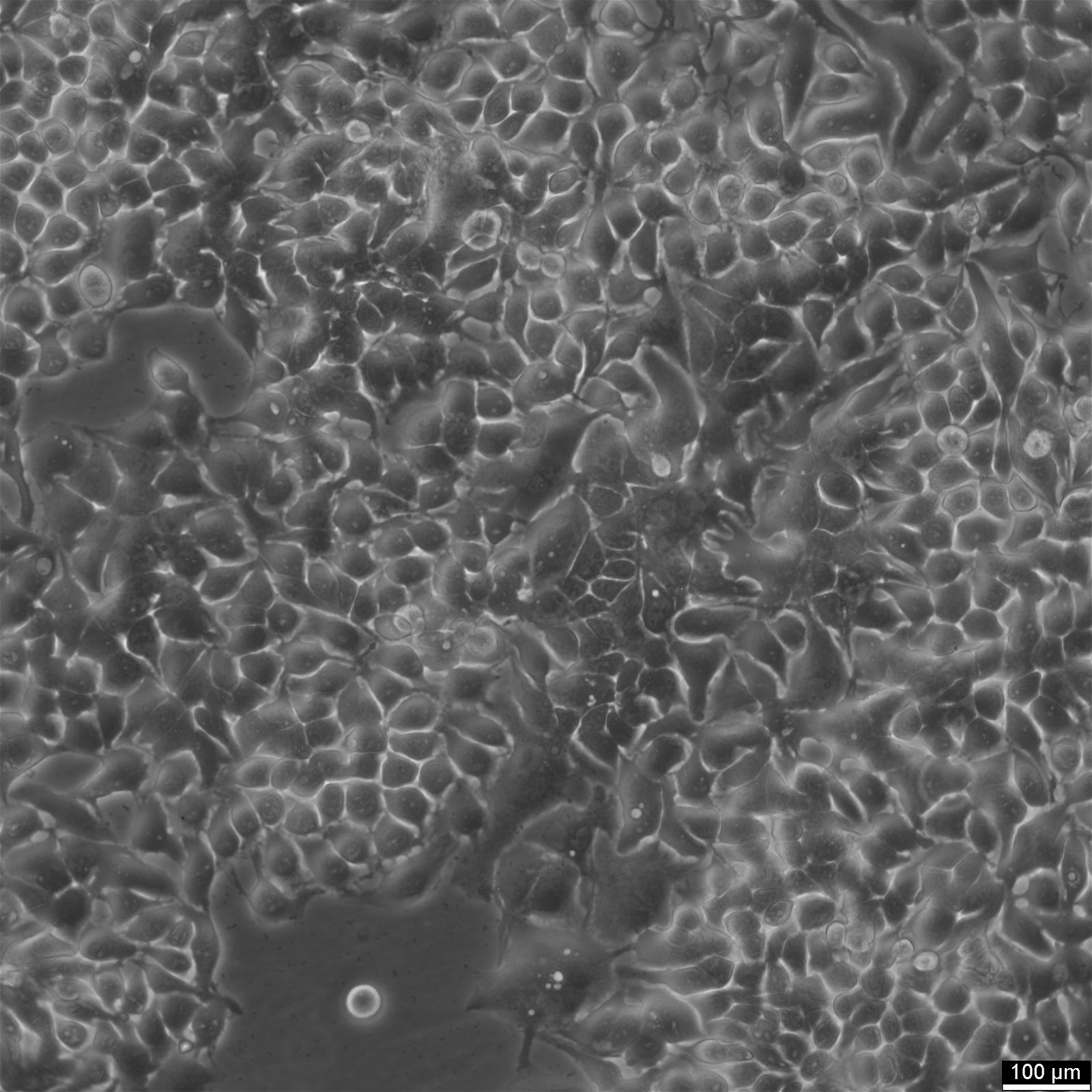
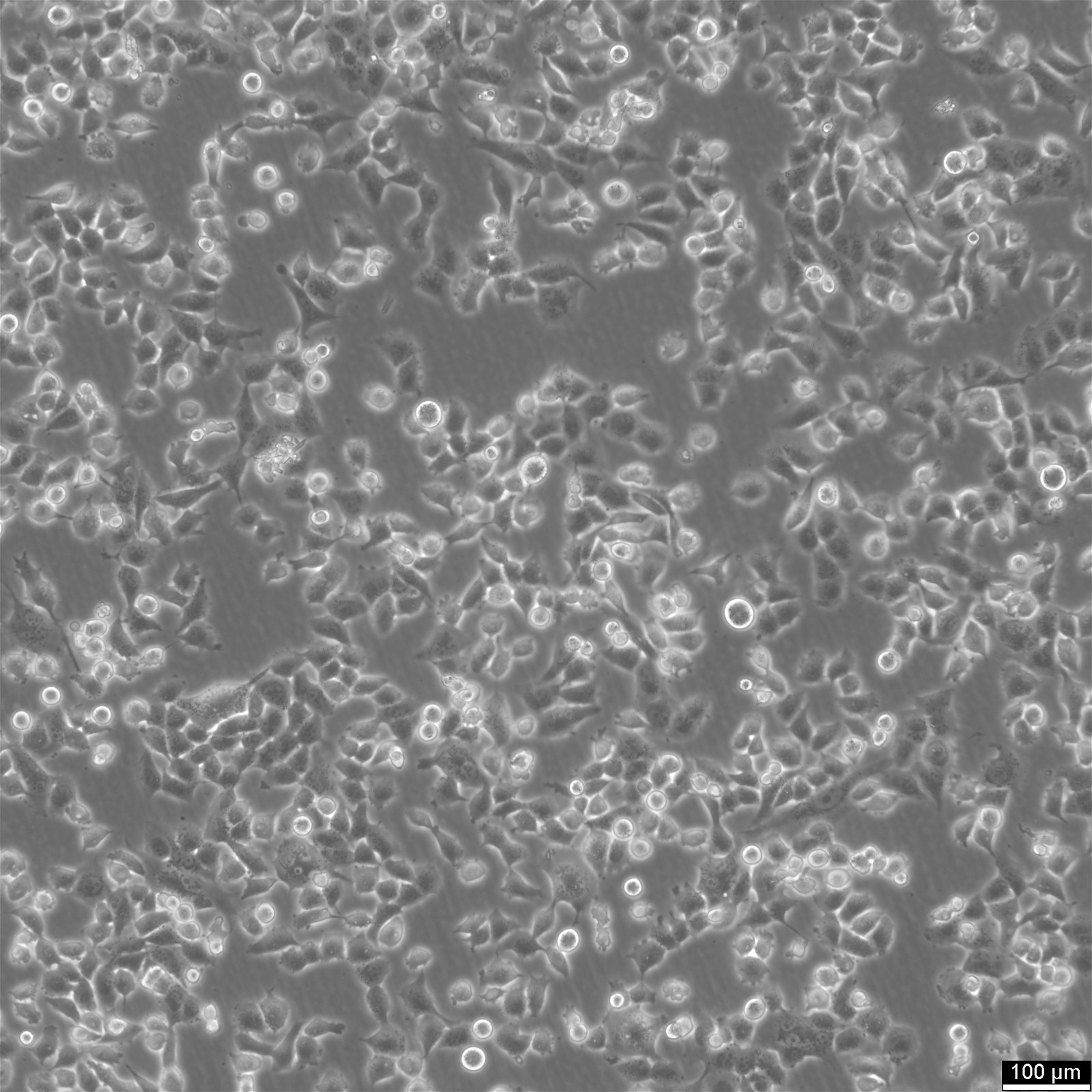
| Description | NCI-H1734 is a human non-small cell lung cancer (NSCLC) cell line derived from a lung adenocarcinoma. It was established as part of the extensive NCI cell line program focused on thoracic malignancies and has been utilized in a broad range of preclinical studies related to lung cancer biology and therapeutic response. This cell line harbors a KRAS mutation, a characteristic that aligns with a subset of NSCLC cases known to exhibit resistance to EGFR inhibitors and altered responses to MEK and PI3K pathway-targeted therapies. Due to its molecular profile, NCI-H1734 is often used to model KRAS-driven tumorigenesis and to test compounds targeting downstream signaling cascades. Protein expression analyses, including reverse-phase protein arrays (RPPA), have revealed that NCI-H1734 exhibits a distinct phosphorylation pattern indicative of active PI3K/AKT and MAPK signaling. This has made it a valuable system for exploring oncogenic signaling dynamics and drug responsiveness. The cell line demonstrates sensitivity to agents targeting components of these pathways, including MEK inhibitors, and serves as a useful comparator in panels assessing pathway dependency across KRAS-mutant NSCLC models. Additionally, it is included in comprehensive molecular datasets such as the Cancer Cell Line Encyclopedia and has been evaluated in large-scale drug screening efforts to correlate proteomic and genomic features with pharmacologic profiles. Histologically, NCI-H1734 cells exhibit characteristics of glandular epithelial origin, and they grow in adherent monolayers in vitro. They have been included in studies that investigate the impact of tumor microenvironment interactions and epithelial-mesenchymal transition (EMT) on therapeutic resistance. The inclusion of NCI-H1734 in several profiling studies has enhanced its utility as a reference model for adenocarcinoma subtypes within NSCLC, contributing to the development of precision oncology strategies for KRAS-mutant lung cancers. |
|---|---|
| Organism | Human |
| Tissue | Lung |
| Disease | Lung adenocarcinoma |
| Synonyms | H1734, H-1734, NCIH1734 |
Characteristics
| Age | 56 years |
|---|---|
| Gender | Female |
| Ethnicity | Caucasian |
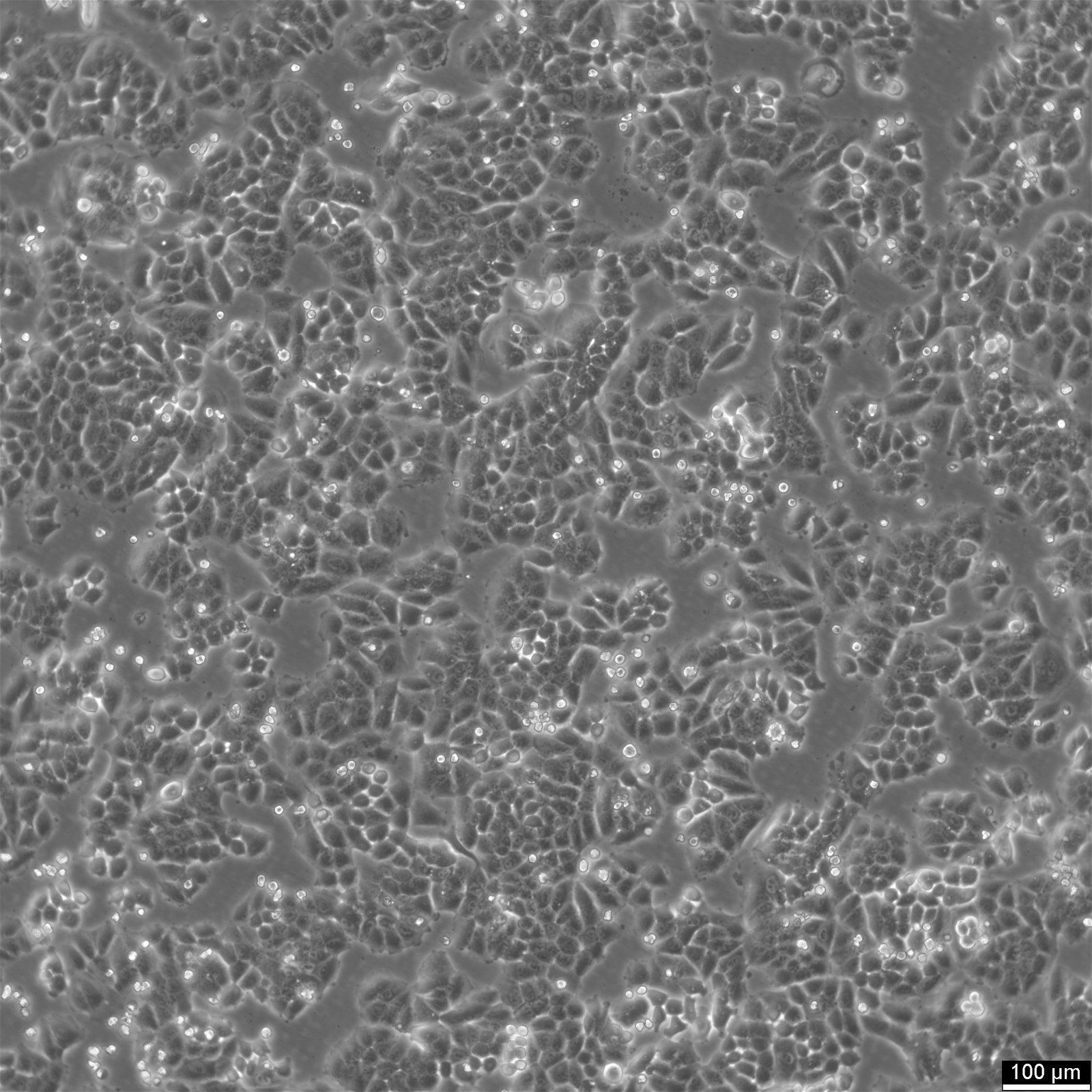
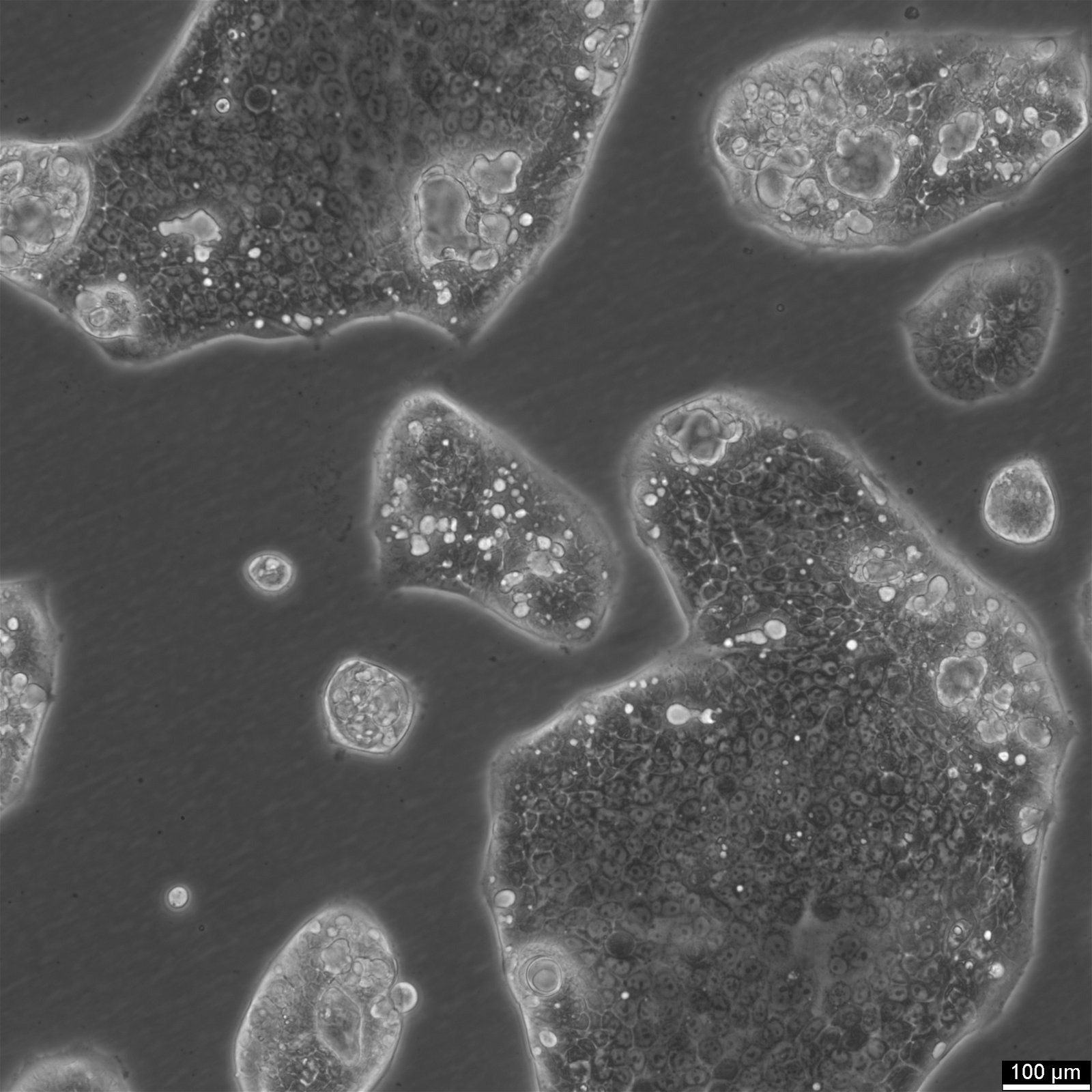
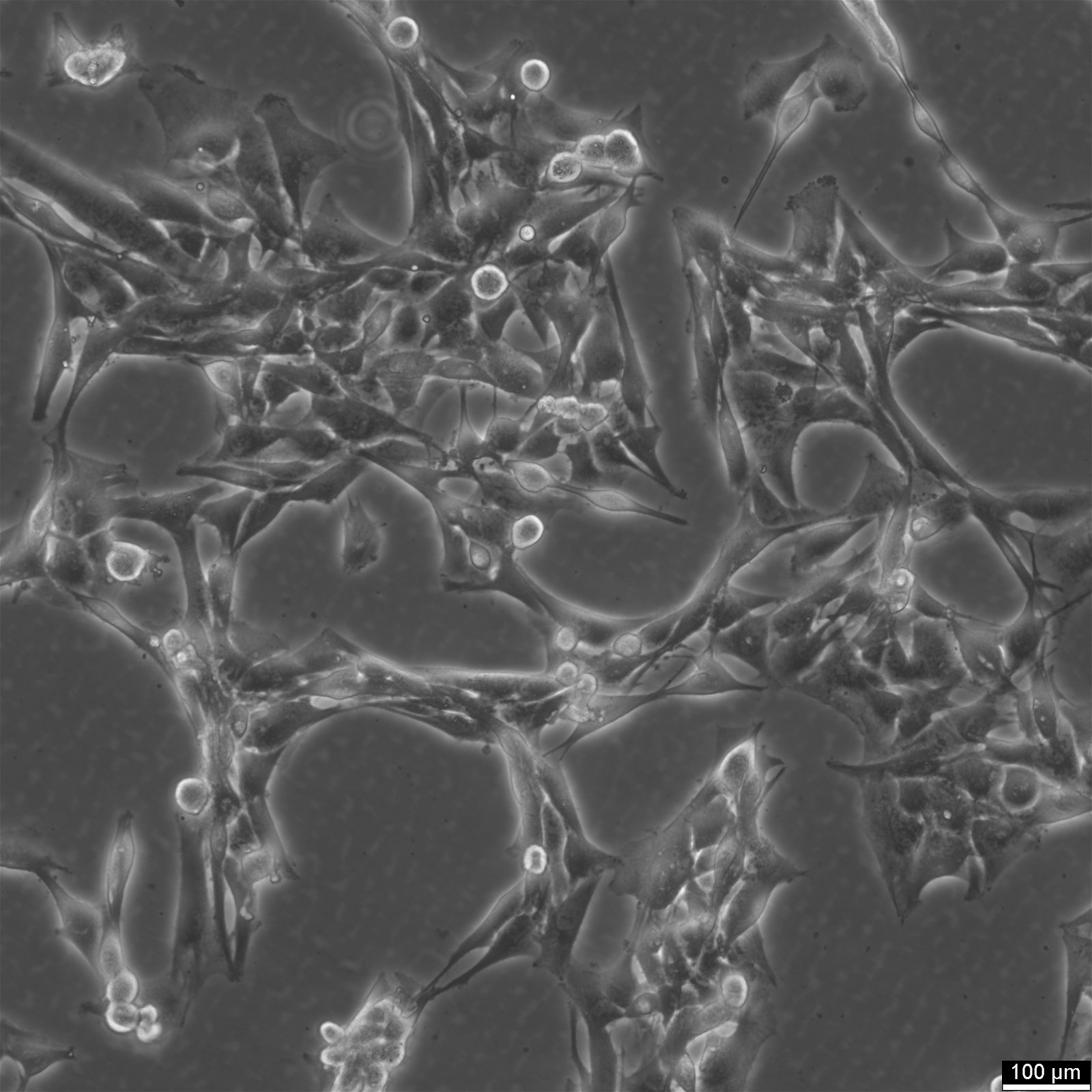
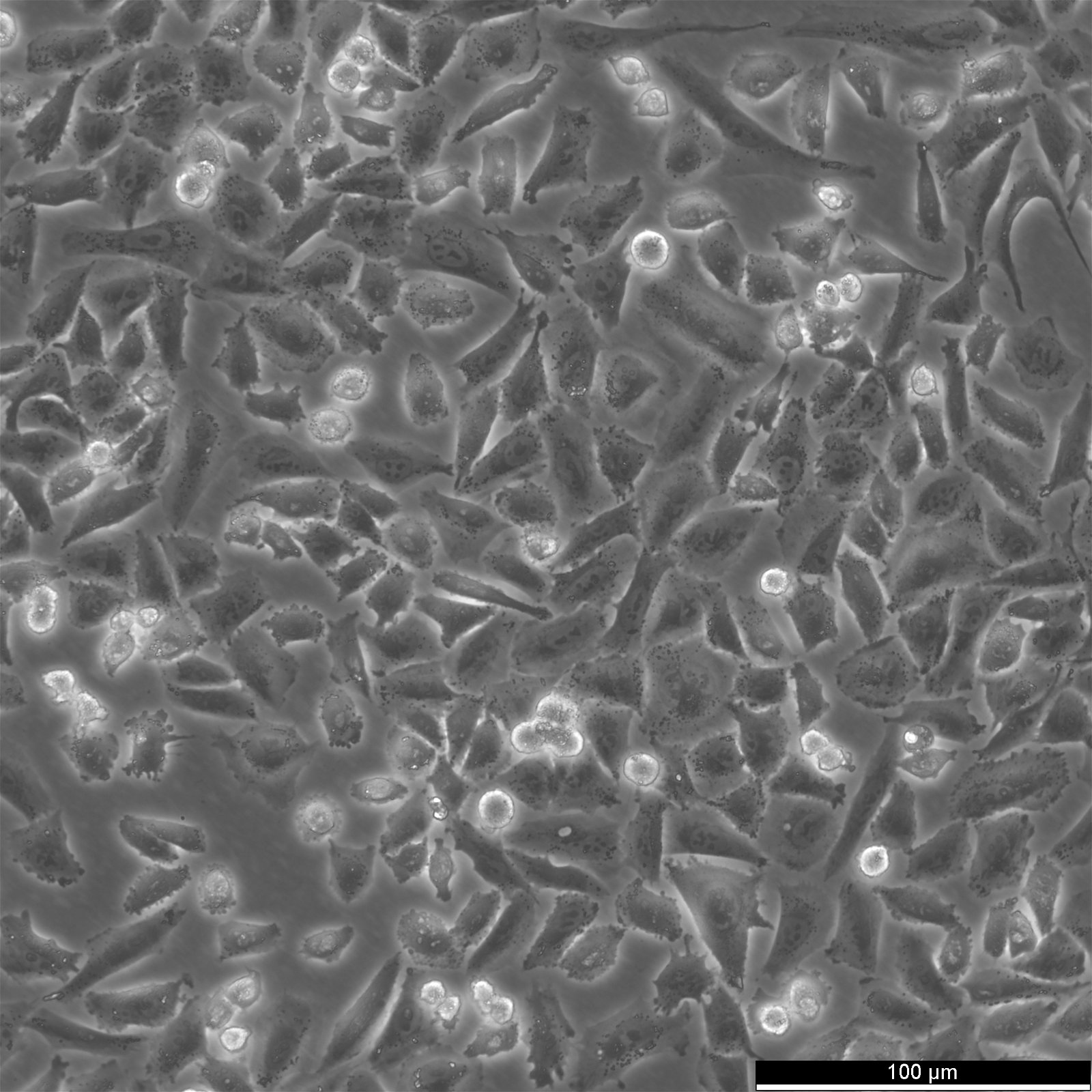
| Morphology | Epithelial |
| Growth properties | Adherent/Suspension |
Regulatory Data
| Citation | NCI-H1734 (Cytion catalog number 305833) |
|---|---|
| Biosafety level | 1 |
| NCBI_TaxID | 9606 |
| CellosaurusAccession | CVCL_1491 |
Biomolecular Data
| Mutational profile | Mutation: ATM, Simple, p.Gln65Pro (c.194A>C), Heterozygous, KRAS, Simple, p.Gly13Cys (c.37G>T), Heterozygous, RB1, Simple, p.Ser127Ile (c.380G>T), Homozygous, TP53, Simple, p.Arg273Leu (c.818G>T), Homozygous |
|---|
Handling
| Culture Medium | RPMI 1640, w: 2.0 mM stable Glutamine, w: 2.0 g/L NaHCO3 (Cytion article number 820700a) |
|---|---|
| Supplements | Supplement the medium with 10% FBS |
| Dissociation Reagent | Accutase |
| Seeding density | 3-5*10^4/cm² |
| Fluid renewal | 2 to 3 times per week |
| Freeze medium | As a cryopreservation medium, we use complete growth medium (including FBS) + 10% DMSO for adequate post-thaw viability, or CM-1 (Cytion catalog number 800100), which includes optimized osmoprotectants and metabolic stabilizers to enhance recovery and reduce cryo-induced stress. |
| Thawing and Culturing Cells |
|
| Incubation Atmosphere | 37°C, 5% CO2, humidified atmosphere. |
| Shipping Conditions | Cryopreserved cell lines are shipped on dry ice in validated, insulated packaging with sufficient refrigerant to maintain approximately −78 °C throughout transit. On receipt, inspect the container immediately and transfer vials without delay to appropriate storage. |
| Storage Conditions | For long-term preservation, place vials in vapor-phase liquid nitrogen at about −150 to −196 °C. Storage at −80 °C is acceptable only as a short interim step before transfer to liquid nitrogen. |
Quality Control & Molecular Analysis
| Sterility | Mycoplasma contamination is excluded using both PCR-based assays and luminescence-based mycoplasma detection methods. To ensure there is no bacterial, fungal, or yeast contamination, cell cultures are subjected to daily visual inspections. |
|---|
- The cells are sensitive to full medium changes and tend to detach afterwards. We therefore recommend complete medium changes only on Mondays and Fridays, and simply adding medium on the remaining days.
- Centrifuge at 100 × g for 8 minutes.
- Fresh medium for subcultivation must be pre-equilibrated at 37 °C and 5% CO2 to avoid pH shifts, which can trigger apoptosis.
- Maximum confluence: 60%.
Certificate of Analysis (CoA)
| Lot Number | Certificate Type | Date | Catalog Number |
|---|---|---|---|
| 305833-200326 | Certificate of Analysis | 30. Jul. 2026 | 305833 |
-
Related products
Related products