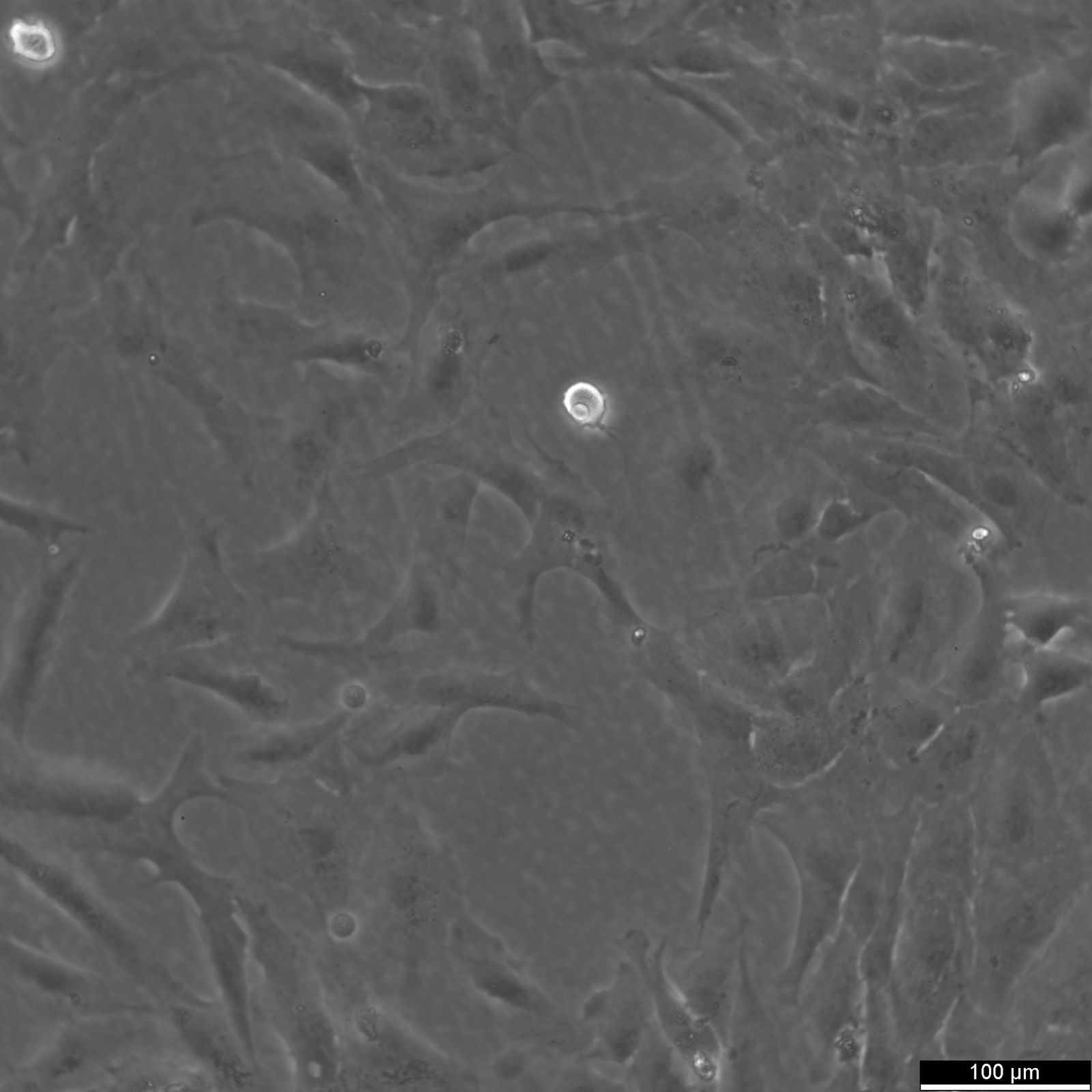
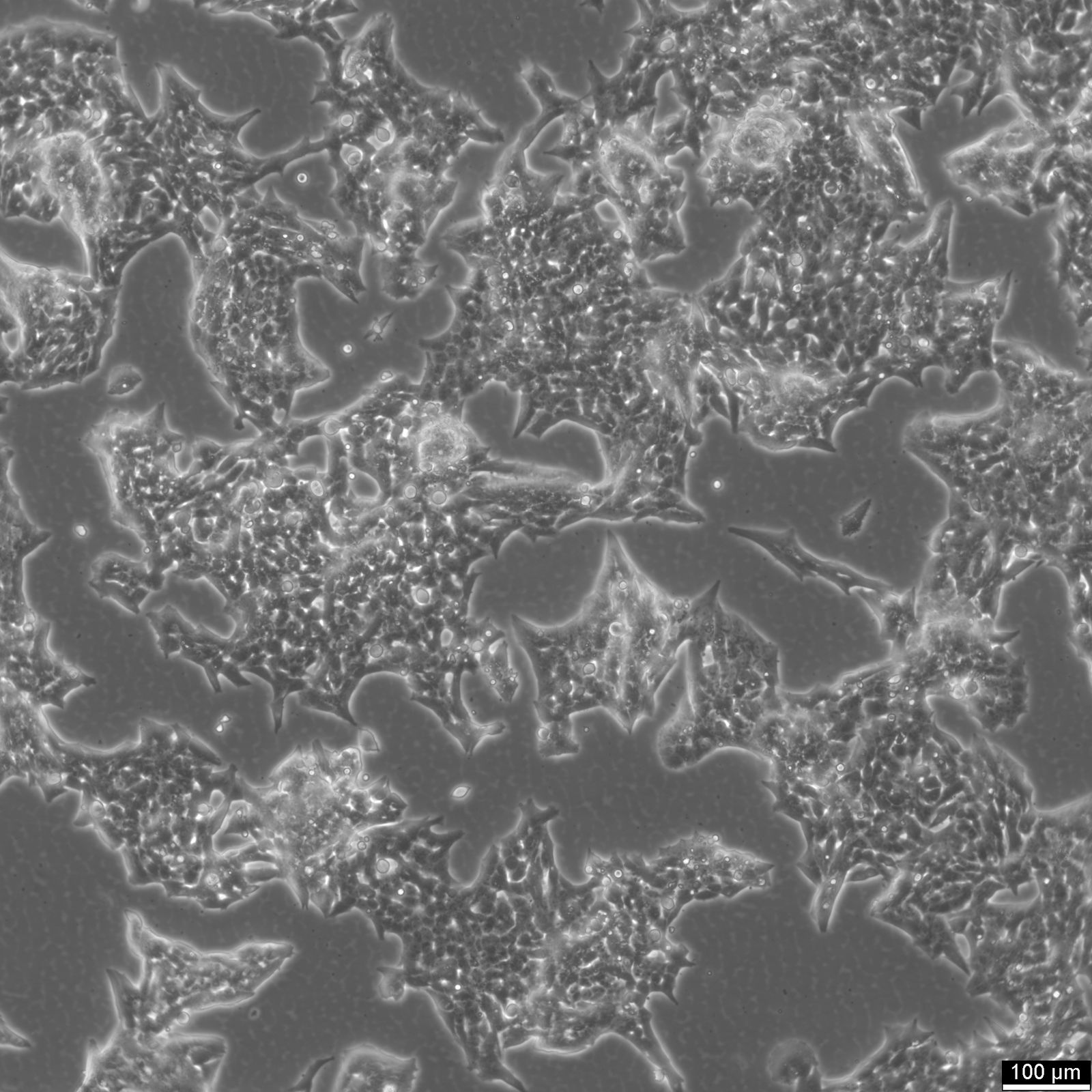
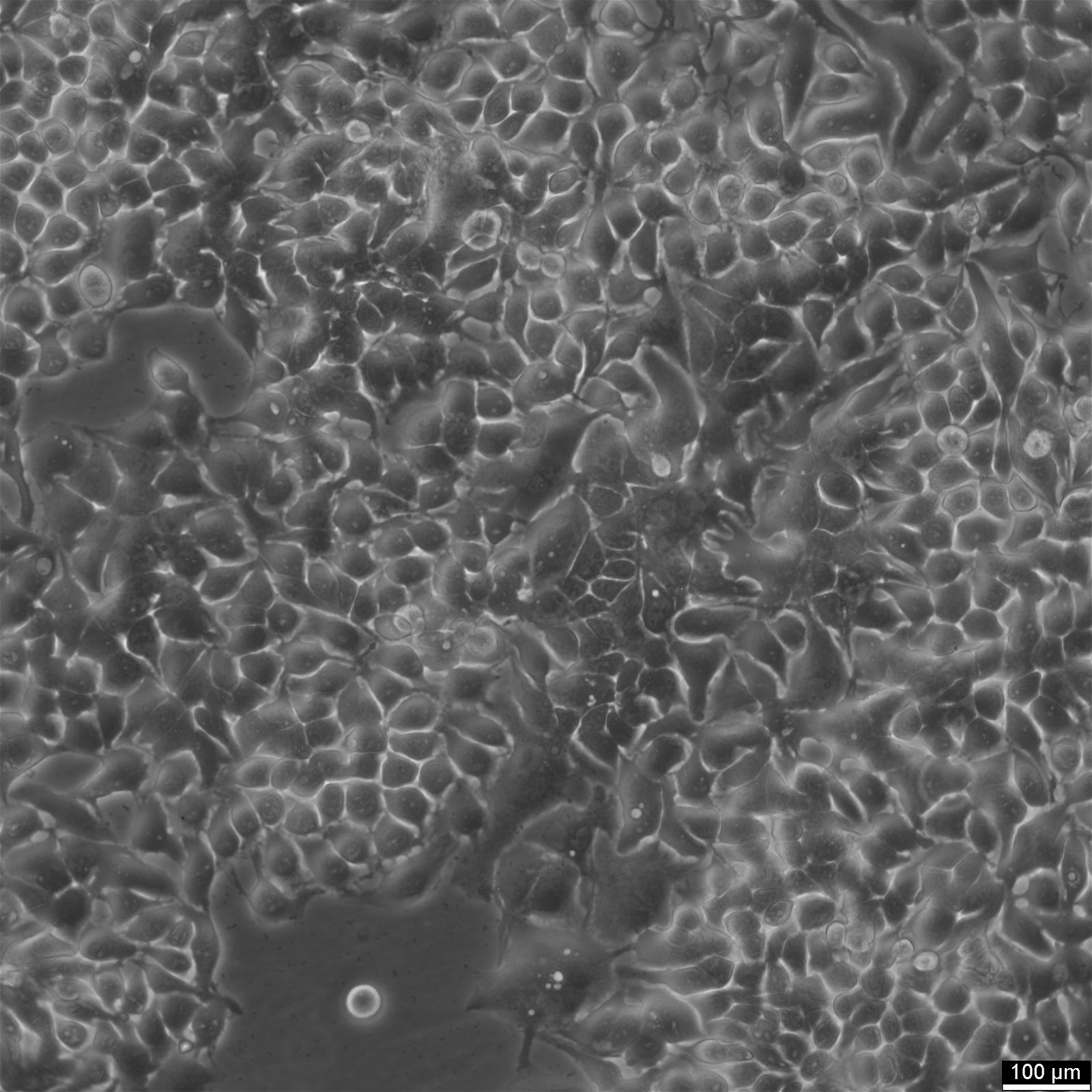
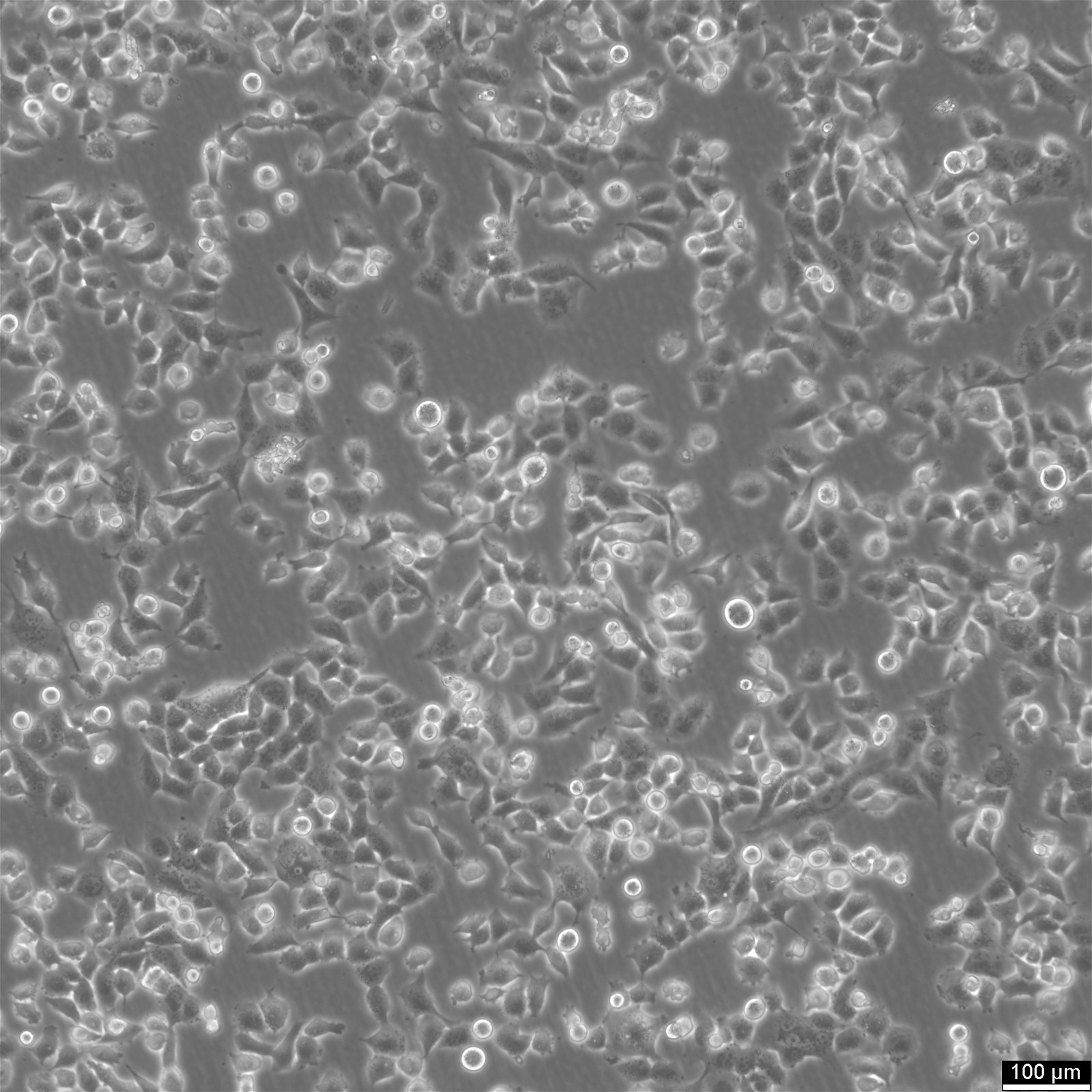
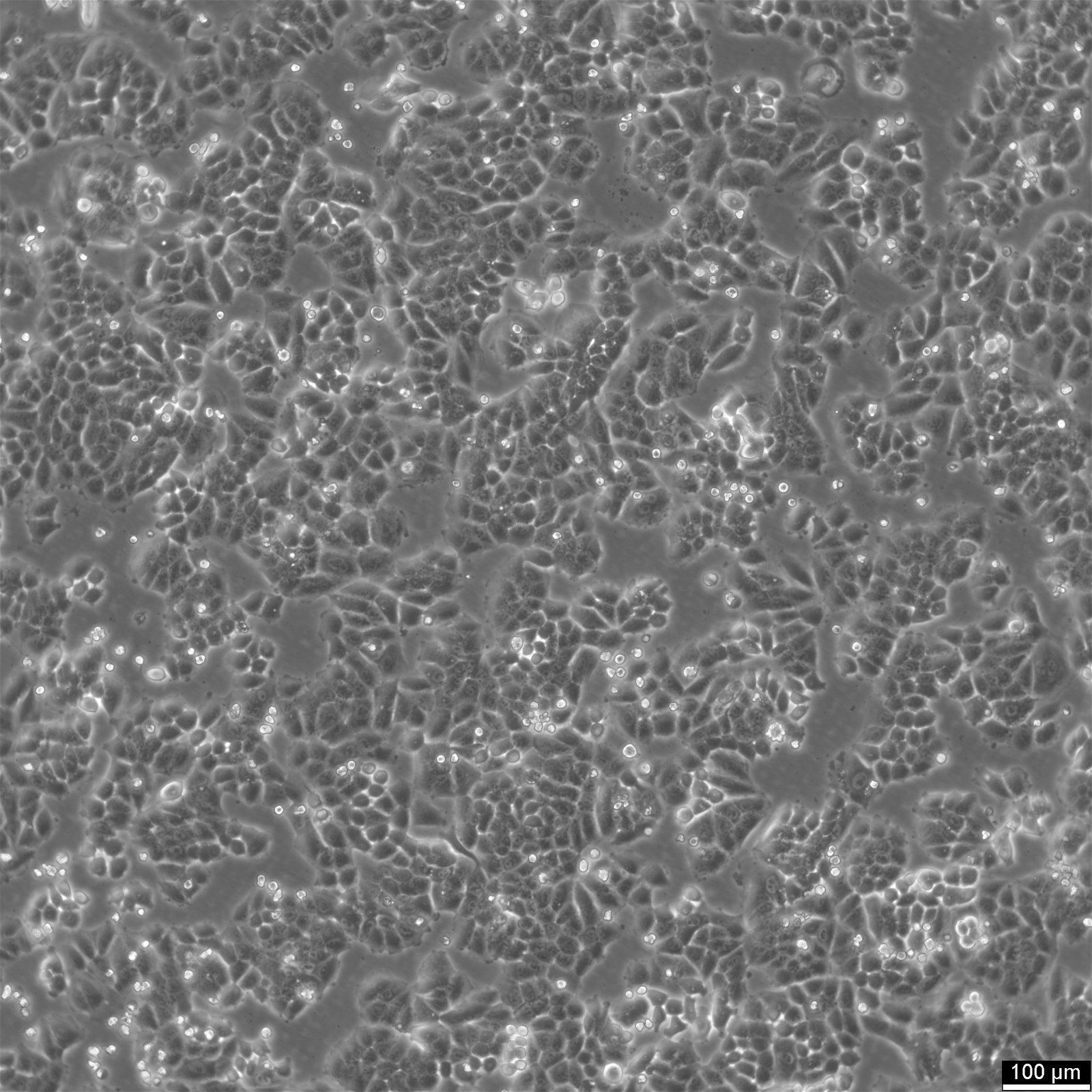
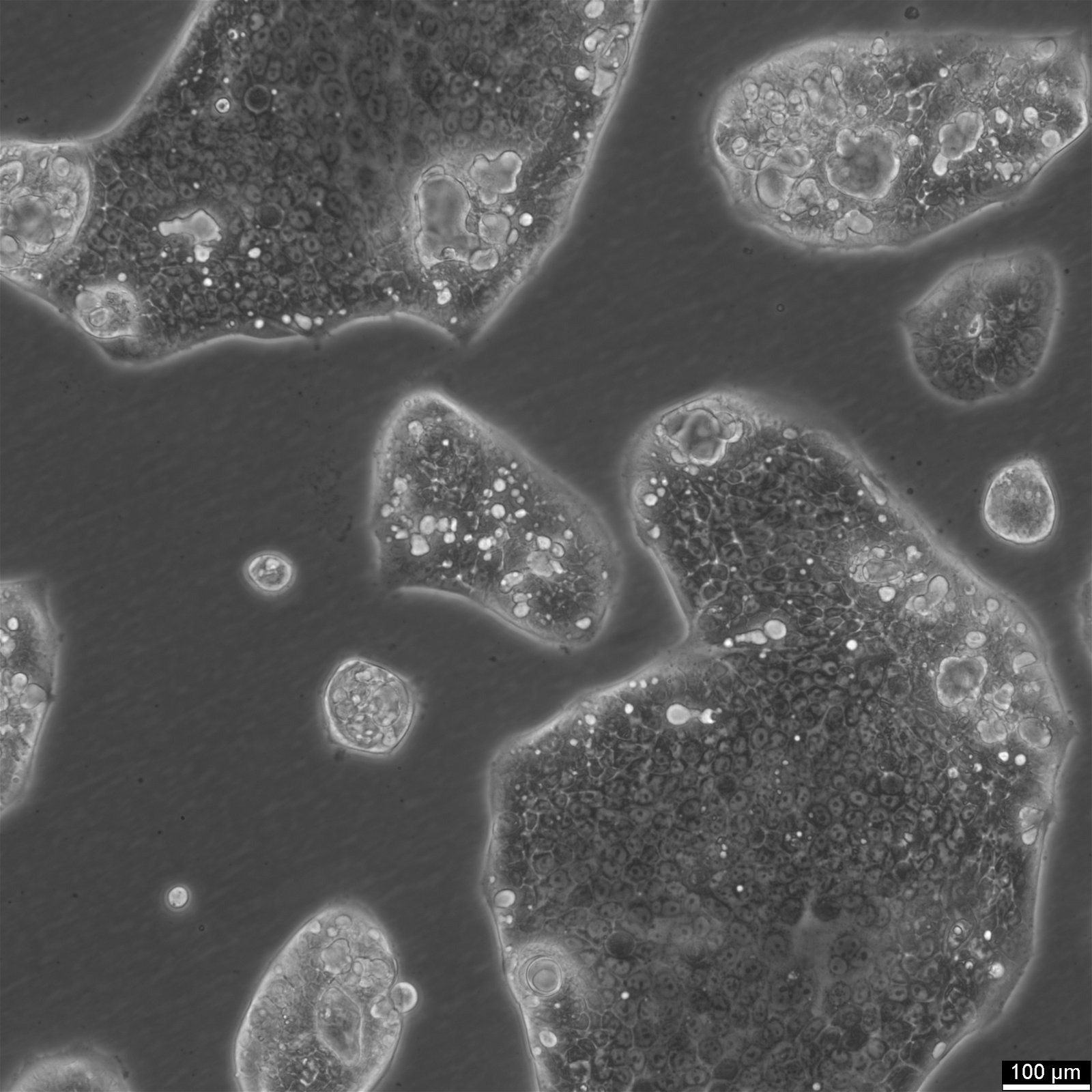
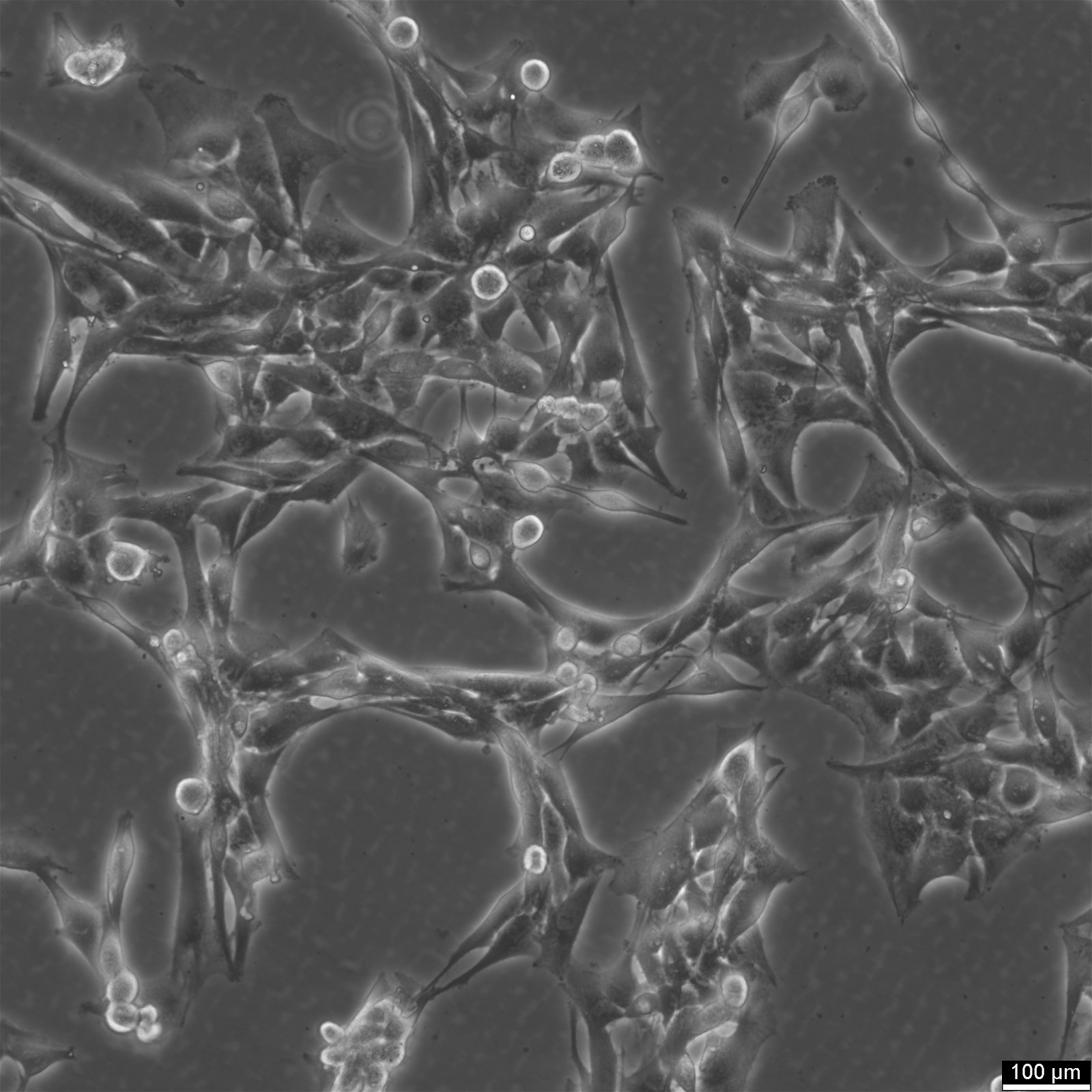
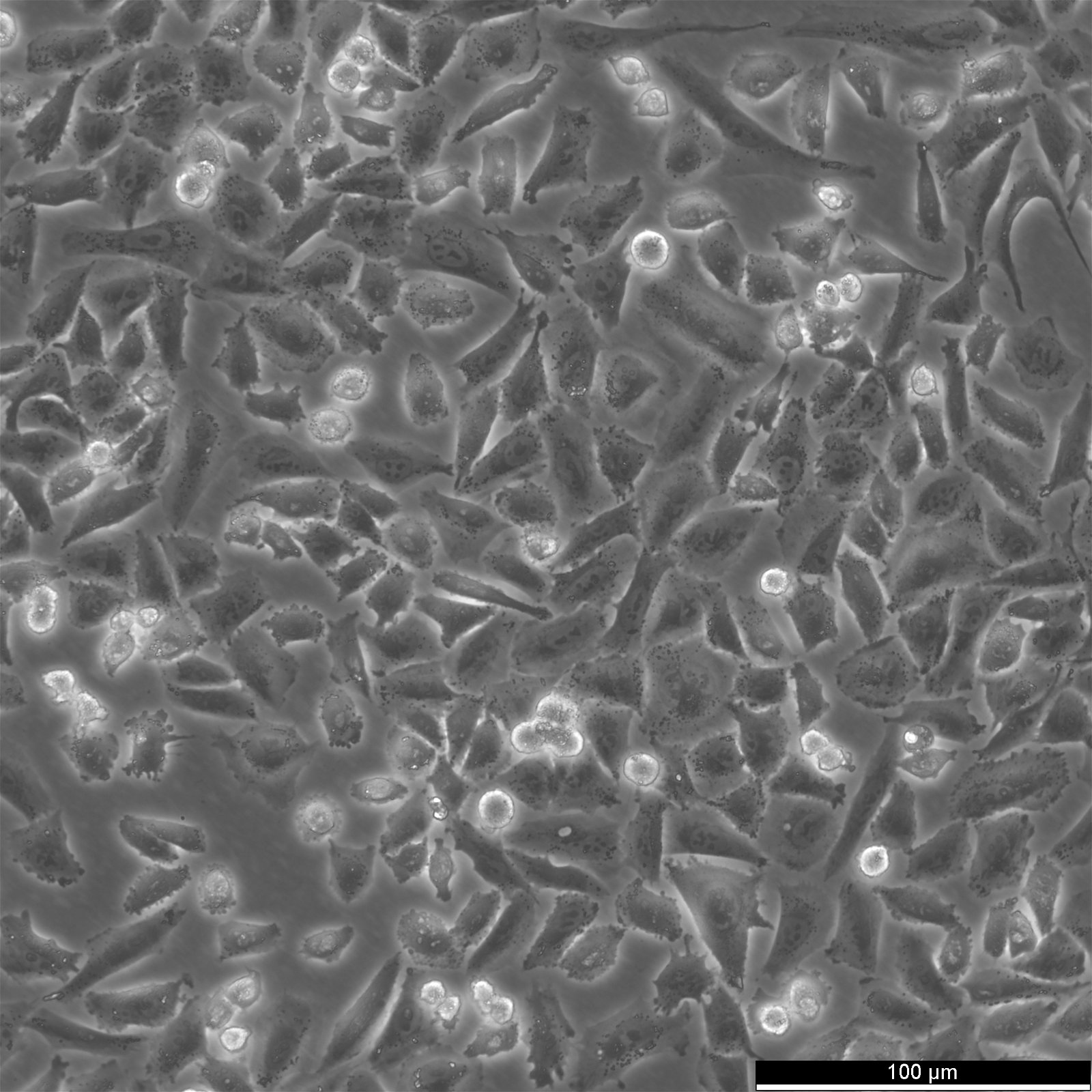
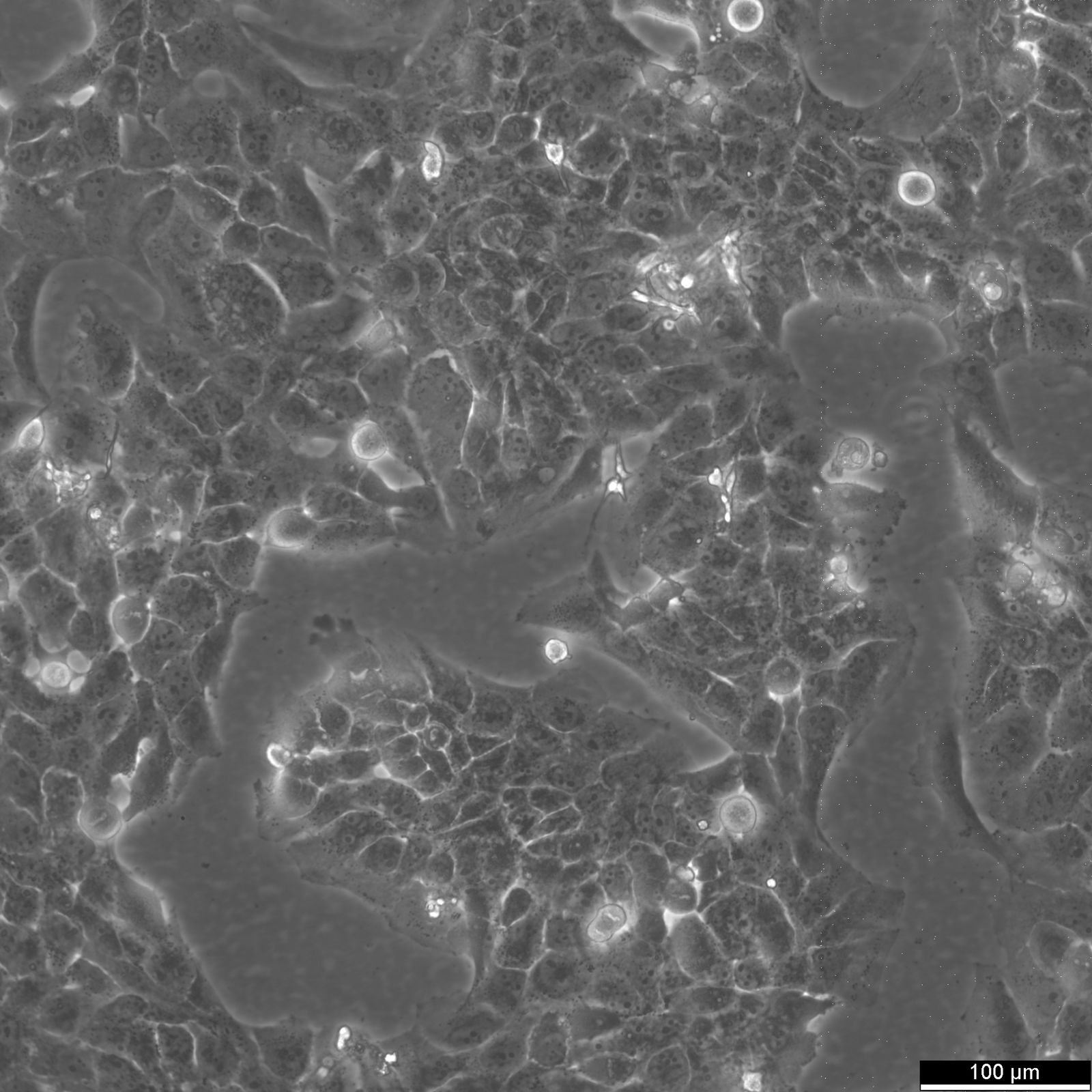
NCI-H1048 Cells
USD$550.00*
Products are shipped frozen on dry ice in cryotubes. Each cryotube typically contains 3 × 10⁶ cells for adherent lines or 5 × 10⁶ cells for suspension lines (refer to the batch CoA for details).
General information
| Description | NCI-H1048 is a human small cell lung carcinoma (SCLC) cell line derived from a lung tumor in an adult patient and is widely used as a model of neuroendocrine lung cancer. Small cell lung carcinoma is characterized by rapid growth, early metastatic spread, and strong association with neuroendocrine differentiation, and NCI-H1048 reflects many of these features. The cells typically grow in suspension or as loosely adherent clusters and display morphology consistent with SCLC, including small, round cells with high nuclear-to-cytoplasmic ratios. At the molecular level, NCI-H1048 exhibits features characteristic of SCLC, including alterations in key tumor suppressor pathways such as TP53 and RB1, which are commonly inactivated in this disease. The cell line expresses neuroendocrine markers, including proteins associated with hormone secretion and neuronal differentiation, making it a relevant model for studying neuroendocrine signaling and tumor biology. Like other SCLC models, it may also display amplification or overexpression of oncogenic drivers involved in proliferation and survival, contributing to its aggressive phenotype. NCI-H1048 is used in research focused on small cell lung cancer pathogenesis, drug sensitivity, and resistance mechanisms. It is particularly valuable for evaluating chemotherapeutic agents and targeted therapies in a disease context known for initial treatment responsiveness followed by rapid relapse. The cell line is also used in studies of tumor cell plasticity, neuroendocrine differentiation, and high-throughput drug screening. However, as with many SCLC models, detailed mutation-specific profiles may vary between datasets, and additional molecular characterization is recommended for experiments requiring precise genomic information. |
|---|---|
| Organism | Human |
| Tissue | Lung |
| Disease | Small cell carcinoma |
| Metastatic site | Pleural effusion |
| Synonyms | H1048, H-1048, NCIH1048 |
Characteristics
| Age | 53 years |
|---|---|
| Gender | Female |
| Ethnicity | African American |
| Morphology | Epithelial-like |
| Growth properties | Adherent |
Regulatory Data
| Citation | NCI-H1048 (Cytion catalog number 305595) |
|---|---|
| Biosafety level | 1 |
| NCBI_TaxID | 9606 |
| CellosaurusAccession | CVCL_1453 |
Biomolecular Data
| MSI-status | Instable (MSI high) |
|---|
Handling
| Culture Medium | DMEM:Ham's F12 (1:1), w: 3.1 g/L Glucose, w: 2.5 mM L-Glutamine, w: 15 mM HEPES, w: 0.5 mM Sodium pyruvate, w: 1.2 g/L NaHCO3 (Cytion article number 820400a) |
|---|---|
| Supplements | Supplement the medium with 5% FBS, 0.005 mg/mL Insulin, 0.01 mg/mL Transferrin, 30nM Sodium selenite, 10 nM Hydrocortisone, 10 nM beta-estradiol |
| Dissociation Reagent | Accutase |
| Subculturing | Remove the old medium from the adherent cells and wash them with PBS that lacks calcium and magnesium. For T25 flasks, use 3-5 ml of PBS, and for T75 flasks, use 5-10 ml. Then, cover the cells completely with TrypLE Express, using 1-2 ml for T25 flasks and 2.5 ml for T75 flasks. Let the cells incubate at room temperature for 8-10 minutes to detach them. After incubation, gently mix the cells with 10 ml of medium to resuspend them, then centrifuge at 300xg for 3 minutes. Discard the supernatant, resuspend the cells in fresh medium, and transfer them into new flasks that already contain fresh medium. |
| Freeze medium | As a cryopreservation medium, we use complete growth medium (including FBS) + 10% DMSO for adequate post-thaw viability, or CM-1 (Cytion catalog number 800100), which includes optimized osmoprotectants and metabolic stabilizers to enhance recovery and reduce cryo-induced stress. |
| Thawing and Culturing Cells |
MediumHITES medium supplemented with 5% fetal bovine serum: The base medium for this cell line is DMEM:F12 Medium (Catalog No. 820400a). To make the complete growth medium, add the following components to the base medium:
Centrifuge the mixture at 300 x g for 3 minutes to separate the cells and carefully discard the supernatant containing residual freezing medium. Gently resuspend the cell pellet in 10 ml of fresh culture medium. For adherent cells, divide the suspension between two T25 culture flasks; for suspension cultures, transfer all the medium into one T25 flask to promote effective cell interaction and growth. Adhere to established subculture protocols for continued growth and maintenance of the cell line, ensuring reliable experimental outcomes. |
| Incubation Atmosphere | 37°C, 5% CO2, humidified atmosphere. |
| Shipping Conditions | Cryopreserved cell lines are shipped on dry ice in validated, insulated packaging with sufficient refrigerant to maintain approximately −78 °C throughout transit. On receipt, inspect the container immediately and transfer vials without delay to appropriate storage. |
| Storage Conditions | For long-term preservation, place vials in vapor-phase liquid nitrogen at about −150 to −196 °C. Storage at −80 °C is acceptable only as a short interim step before transfer to liquid nitrogen. |
Quality Control & Molecular Analysis
| Sterility | Mycoplasma contamination is excluded using both PCR-based assays and luminescence-based mycoplasma detection methods. To ensure there is no bacterial, fungal, or yeast contamination, cell cultures are subjected to daily visual inspections. |
|---|
Certificate of Analysis (CoA)
| Lot Number | Certificate Type | Date | Catalog Number |
|---|---|---|---|
| 305595-051125 | Certificate of Analysis | 11. Dec. 2025 | 305595 |
-
Related products
Related products