
MRC-5 Cells
USD$395.00*
Products are shipped frozen on dry ice in cryotubes. Each cryotube typically contains 3 × 10⁶ cells for adherent lines or 5 × 10⁶ cells for suspension lines (refer to the batch CoA for details).
No longer available
Insights on MRC-5 cells
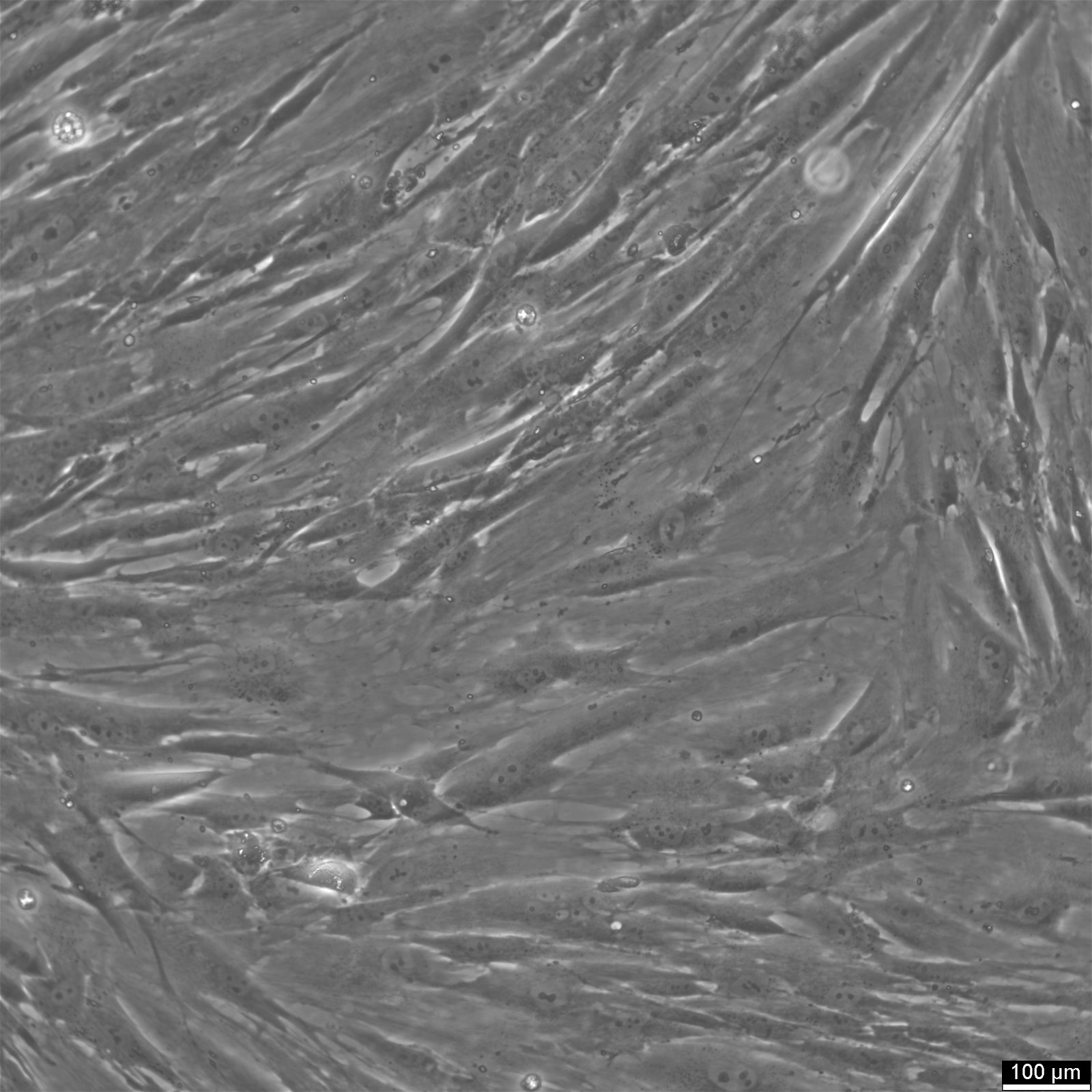
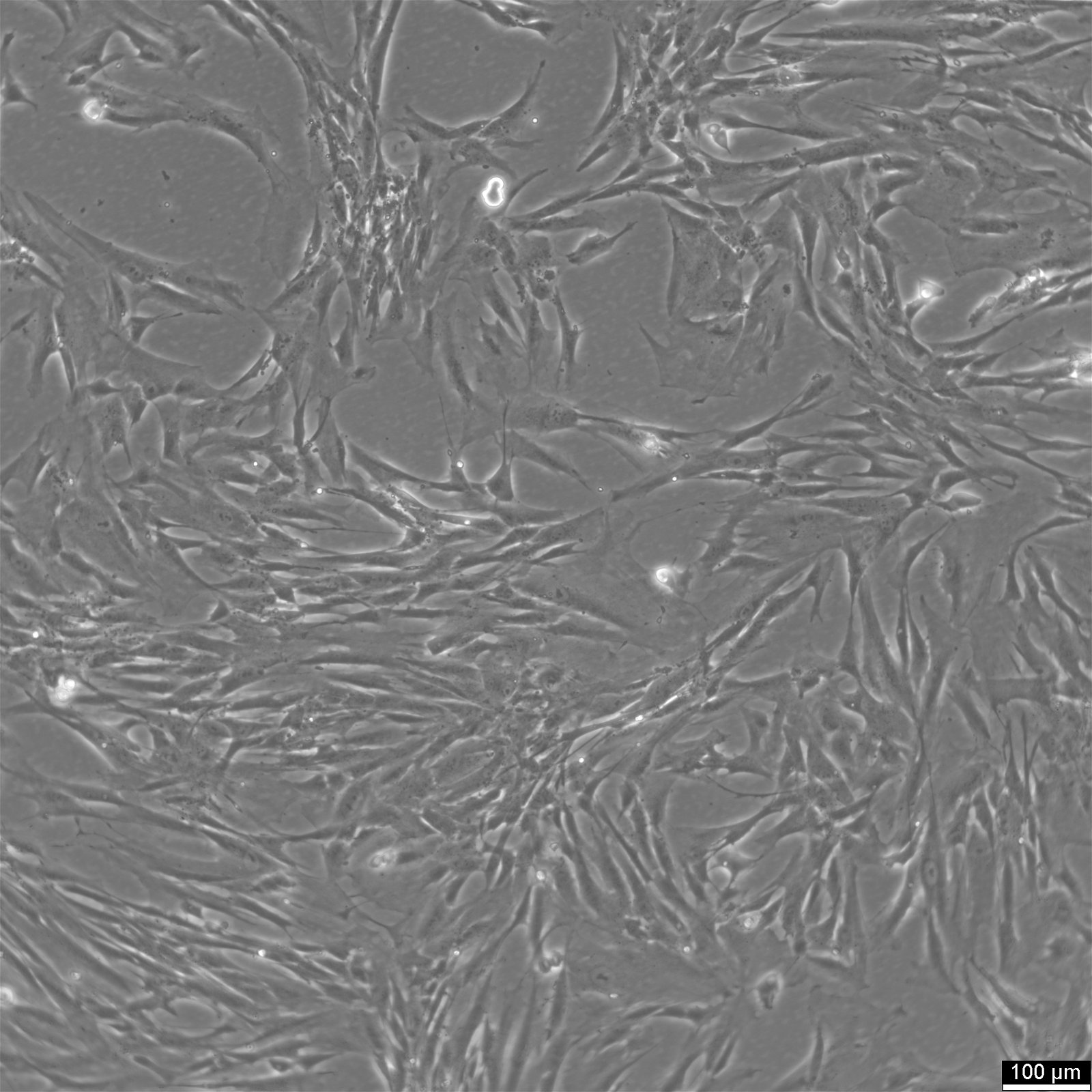
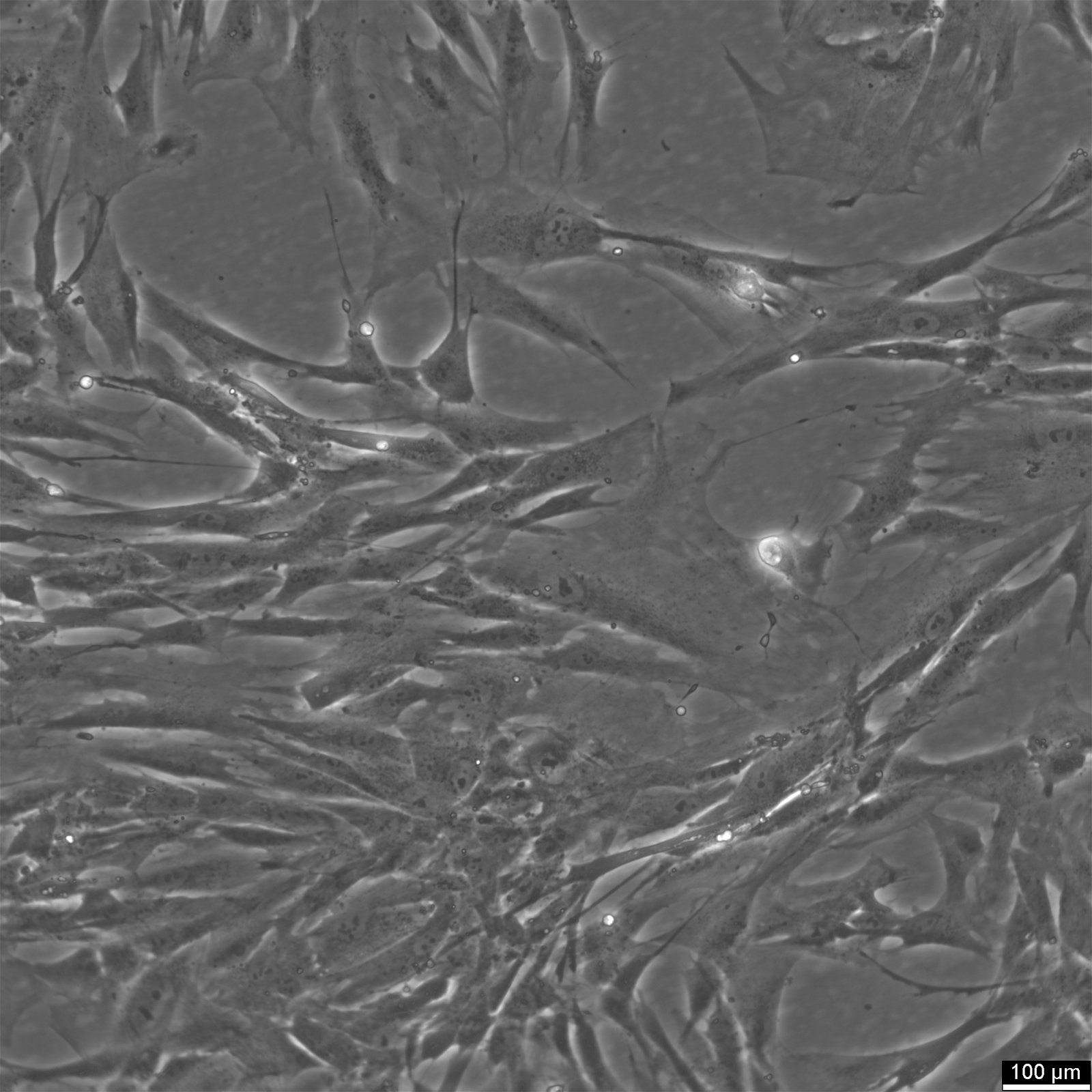
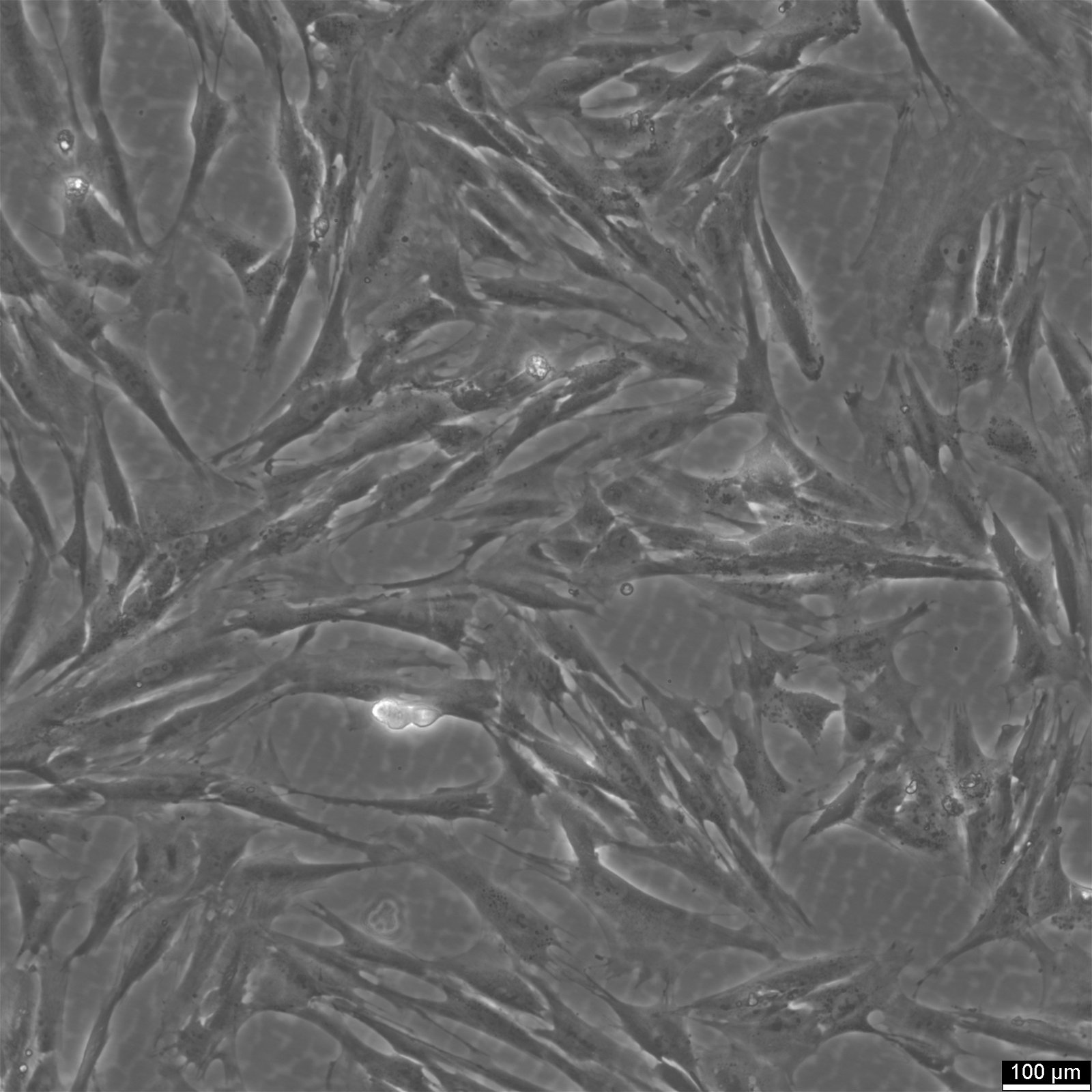
| Description | MRC-5 cells, a human lung fibroblast cell line derived from the lung tissue of a 14-week-old male fetus in 1966, are extensively utilized in the production of certain vaccines, including those for hepatitis A, polio, rabies, and more. The susceptibility to various human viruses, notably human poliovirus 1, herpes simplex virus, and vesicular stomatitis virus underscores the role of MRC5 cells in the discovery of antivirals, viral vaccines, vaccine safety and virus replication. MRC-5 and WI-38 cell lines are still used in producing vaccines for varicella, rubella, hepatitis A, and a version of rabies vaccine today. Recently, MRC-5 cells were modified to express the ACE2 receptor, and have been key in SARS research. The modified MRC5 human ace2 cells allow scientists to study how the SARS-CoV virus enters and replicates in host cells. This work has been vital for understanding the virus's behavior and developing targeted antiviral agents and treatments. The MRC5 fetal cell line's utility extends beyond vaccine production to include potential roles in cancer research, with the cell line being employed in studies exploring the tumor microenvironment and cancer cell interactions, owing to their capability to differentiate into multiple cell types, including osteocytes and chondrocytes. This has led to speculation about their similarity to mesenchymal stem cells (MSCs), given their fibroblast-like morphology and maintenance of a normal diploid karyotype over extensive in vitro expansion. |
|---|---|
| Organism | Human |
| Tissue | Lung |
| Applications | Vaccine production |
| Synonyms | MRC5, MRC 5, MRCV, MRC-V, Medical Research Council cell strain-5 |
Details
| Age | Fetus |
|---|---|
| Gender | Male |
| Cell type | Fibroblast |
| Growth properties | Adherent |
Documentation
| Citation | MRC-5 (Cytion catalog number 300395) |
|---|---|
| Biosafety level | 1 |
| NCBI_TaxID | 9606 |
| CellosaurusAccession | CVCL_0440 |
Genetic characteristics of the MRC5 cell line
| Virus susceptibility | Not susceptible to SARS coronavirus 2 (SARS-CoV-2) infection (COVID-19) |
|---|---|
| Karyotype | MRC5 is a diploid cell line with a modal chromosome number of 46. |
Handling
| Culture Medium | EMEM (MEM Eagle), w: 2 mM L-Glutamine, w: 2.2 g/L NaHCO3, w: EBSS (Cytion article number 820100a) |
|---|---|
| Supplements | Supplement the medium with 10% FBS and 1% NEAA |
| Dissociation Reagent | Accutase |
| Subculturing | Remove the old medium from the adherent cells and wash them with PBS that lacks calcium and magnesium. For T25 flasks, use 3-5 ml of PBS, and for T75 flasks, use 5-10 ml. Then, cover the cells completely with Accutase, using 1-2 ml for T25 flasks and 2.5 ml for T75 flasks. Let the cells incubate at room temperature for 8-10 minutes to detach them. After incubation, gently mix the cells with 10 ml of medium to resuspend them, then centrifuge at 300xg for 3 minutes. Discard the supernatant, resuspend the cells in fresh medium, and transfer them into new flasks that already contain fresh medium. |
| Freeze medium | As a cryopreservation medium, we use complete growth medium (including FBS) + 10% DMSO for adequate post-thaw viability, or CM-1 (Cytion catalog number 800100), which includes optimized osmoprotectants and metabolic stabilizers to enhance recovery and reduce cryo-induced stress. |
| Thawing and Culturing Cells |
|
| Incubation Atmosphere | 37°C, 5% CO2, humidified atmosphere. |
| Shipping Conditions | Cryopreserved cell lines are shipped on dry ice in validated, insulated packaging with sufficient refrigerant to maintain approximately −78 °C throughout transit. On receipt, inspect the container immediately and transfer vials without delay to appropriate storage. |
| Storage Conditions | For long-term preservation, place vials in vapor-phase liquid nitrogen at about −150 to −196 °C. Storage at −80 °C is acceptable only as a short interim step before transfer to liquid nitrogen. |
Quality control of MRC-5 fetal cells
| Sterility | Mycoplasma contamination is excluded using both PCR-based assays and luminescence-based mycoplasma detection methods. To ensure there is no bacterial, fungal, or yeast contamination, cell cultures are subjected to daily visual inspections. |
|---|
Certificate of Analysis (CoA)
| Lot Number | Certificate Type | Date | Catalog Number |
|---|---|---|---|
| 300395-271124 | Certificate of Analysis | 23. May. 2025 | 300395 |
| 300395-010223 | Certificate of Analysis | 23. May. 2025 | 300395 |