
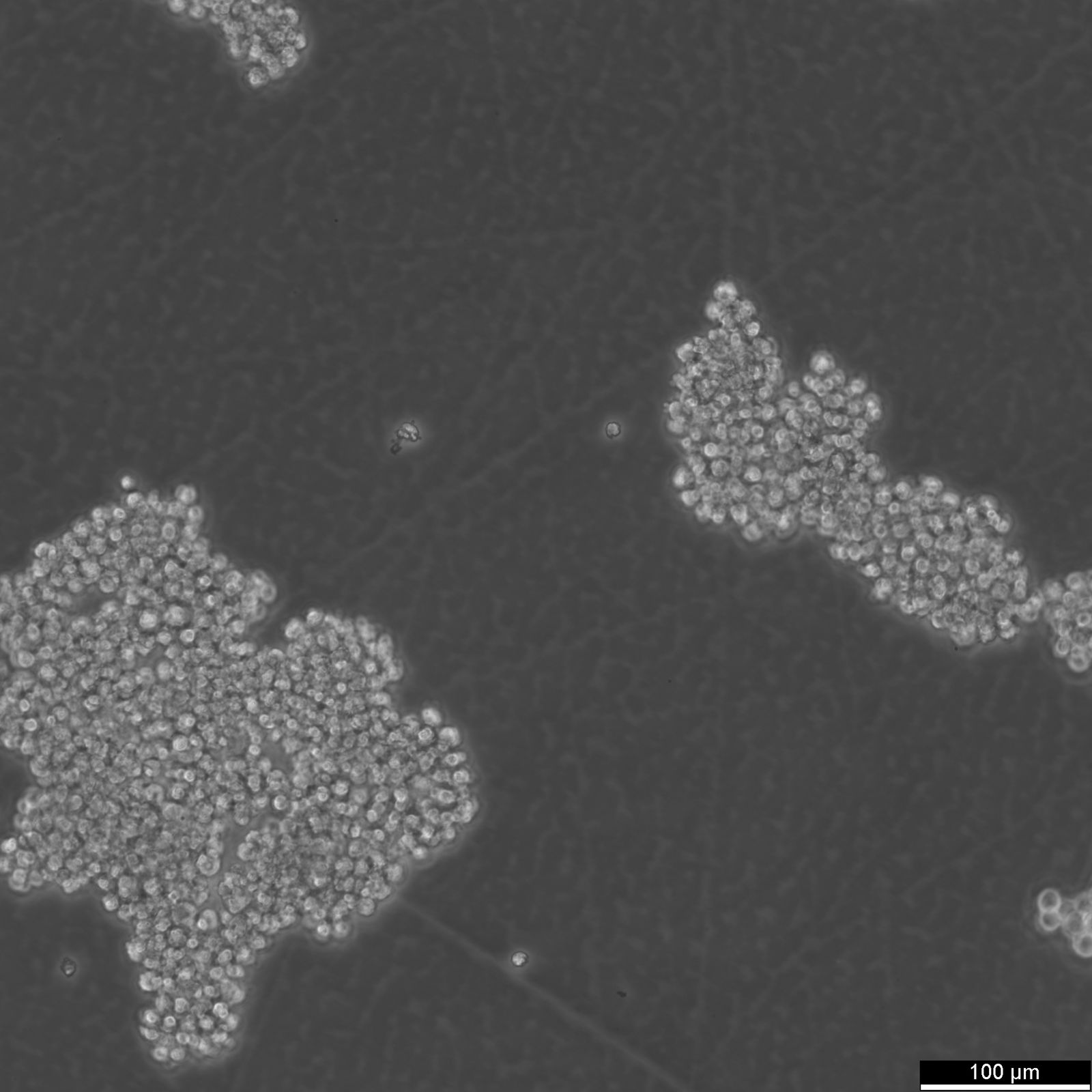
MMQ Cells
USD$395.00*
Products are shipped frozen on dry ice in cryotubes. Each cryotube typically contains 3 × 10⁶ cells for adherent lines or 5 × 10⁶ cells for suspension lines (refer to the batch CoA for details).
General information
| Description | The MMQ cell line is a clonal, prolactin-secreting cell line derived from the 7315a rat pituitary tumor. It exclusively secretes prolactin and expresses functional dopamine receptors, specifically of the D2 subtype. Dopamine inhibits prolactin (PRL) release by reducing intracellular cyclic AMP (cAMP) levels and calcium uptake, as demonstrated in various experiments. This inhibition is reversed by haloperidol and pertussis toxin, confirming the role of GTP-binding proteins in dopamine's action. MMQ cells are also responsive to somatostatin (SRIF) and vasoactive intestinal polypeptide (VIP), but not to TRH, angiotensin II, or neurotensin. MMQ cells proliferate rapidly, doubling in less than 24 hours under optimal conditions. When transplanted into rats, MMQ cells form tumors that increase serum prolactin levels without altering other hormones such as ACTH. This cell line is an important model for studying prolactin regulation, particularly in relation to dopamine and its inhibitory mechanisms on prolactin secretion. |
|---|---|
| Organism | Rat |
| Tissue | Brain |
| Disease | Rat pituitary gland neoplasm |
| Applications | 3D cell culture |
Characteristics
| Age | 5 days |
|---|---|
| Gender | Unspecified |
| Morphology | Spheroidal cells |
| Growth properties | Clusters in Suspension |
Regulatory Data
| Citation | MMQ (Cytion catalog number 300498) |
|---|---|
| Biosafety level | 1 |
| NCBI_TaxID | 10116 |
| CellosaurusAccession | CVCL_2117 |
Biomolecular Data
| Receptors expressed | Dopamine |
|---|---|
| Viruses | SMRV- |
| Products | Prolactin |
| Karyotype | Rat hyperdiploid karyotype with 6% polyploidy - 49-52<2n> - high level of spontaneous breakage |
Handling
| Culture Medium | RPMI 1640, w: 2.0 mM stable Glutamine, w: 2.0 g/L NaHCO3 (Cytion article number 820700a) |
|---|---|
| Supplements | Supplement the medium with 7.5% horse serum, 2.5% heat-inactivated FBS |
| Subculturing | Maintain cultures by periodically adding or replacing the medium. Initiate cultures with a density of 5 x 10⁵ cells/ml and keep the cell concentration within the range of 3 x 10⁵ to 1 x 10⁶ cells/ml for optimal growth. |
| Seeding density | > 2 x 10⁵ cells/ml |
| Freeze medium | As a cryopreservation medium, we use complete growth medium (including FBS) + 10% DMSO for adequate post-thaw viability, or CM-1 (Cytion catalog number 800100), which includes optimized osmoprotectants and metabolic stabilizers to enhance recovery and reduce cryo-induced stress. |
| Thawing and Culturing Cells |
|
| Incubation Atmosphere | 37°C, 5% CO2, humidified atmosphere. |
| Shipping Conditions | Cryopreserved cell lines are shipped on dry ice in validated, insulated packaging with sufficient refrigerant to maintain approximately −78 °C throughout transit. On receipt, inspect the container immediately and transfer vials without delay to appropriate storage. |
| Storage Conditions | For long-term preservation, place vials in vapor-phase liquid nitrogen at about −150 to −196 °C. Storage at −80 °C is acceptable only as a short interim step before transfer to liquid nitrogen. |
Quality Control & Molecular Analysis
| Sterility | Mycoplasma contamination is excluded using both PCR-based assays and luminescence-based mycoplasma detection methods. To ensure there is no bacterial, fungal, or yeast contamination, cell cultures are subjected to daily visual inspections. |
|---|
Certificate of Analysis (CoA)
| Lot Number | Certificate Type | Date | Catalog Number |
|---|---|---|---|
| 300498-280324 | Certificate of Analysis | 23. May. 2025 | 300498 |