
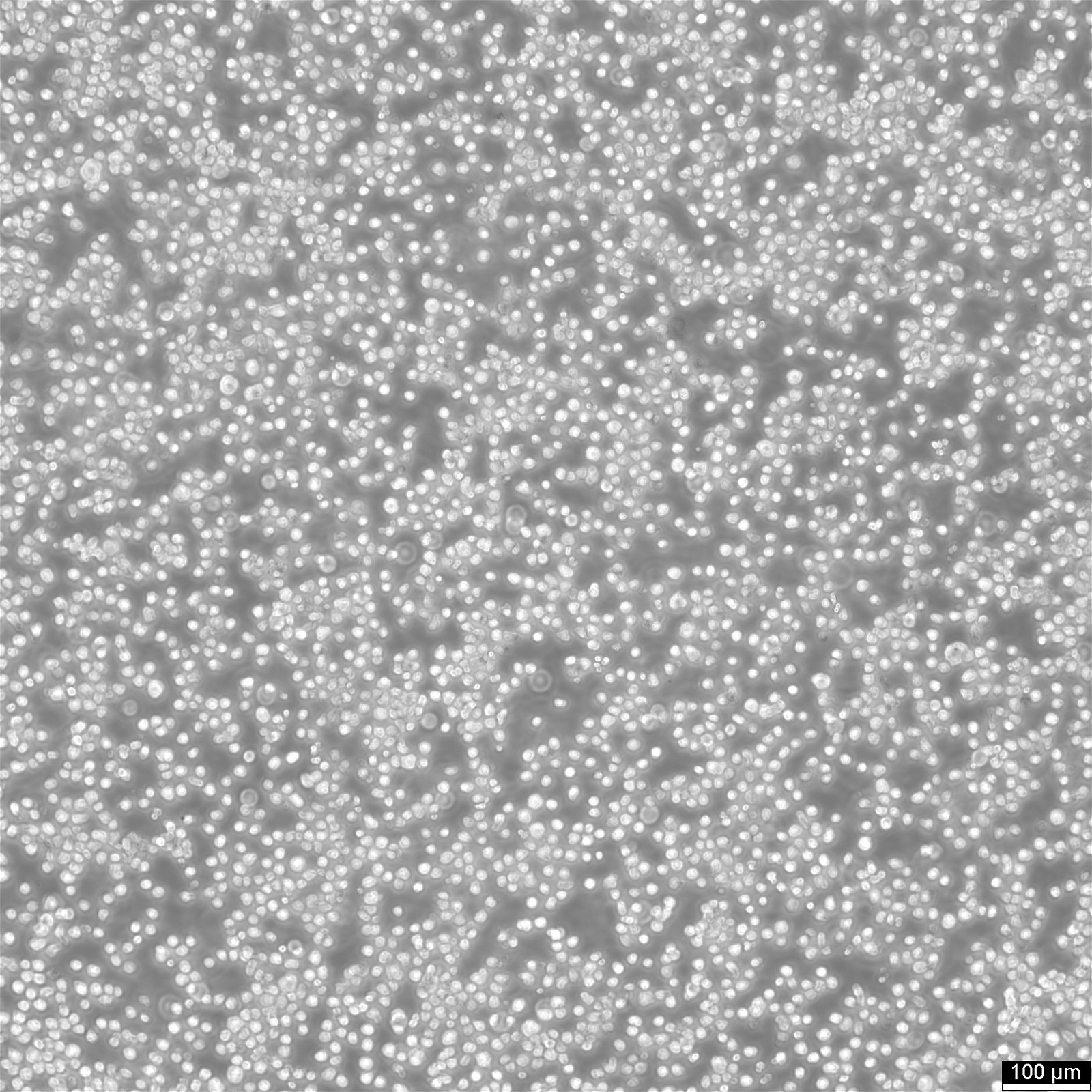
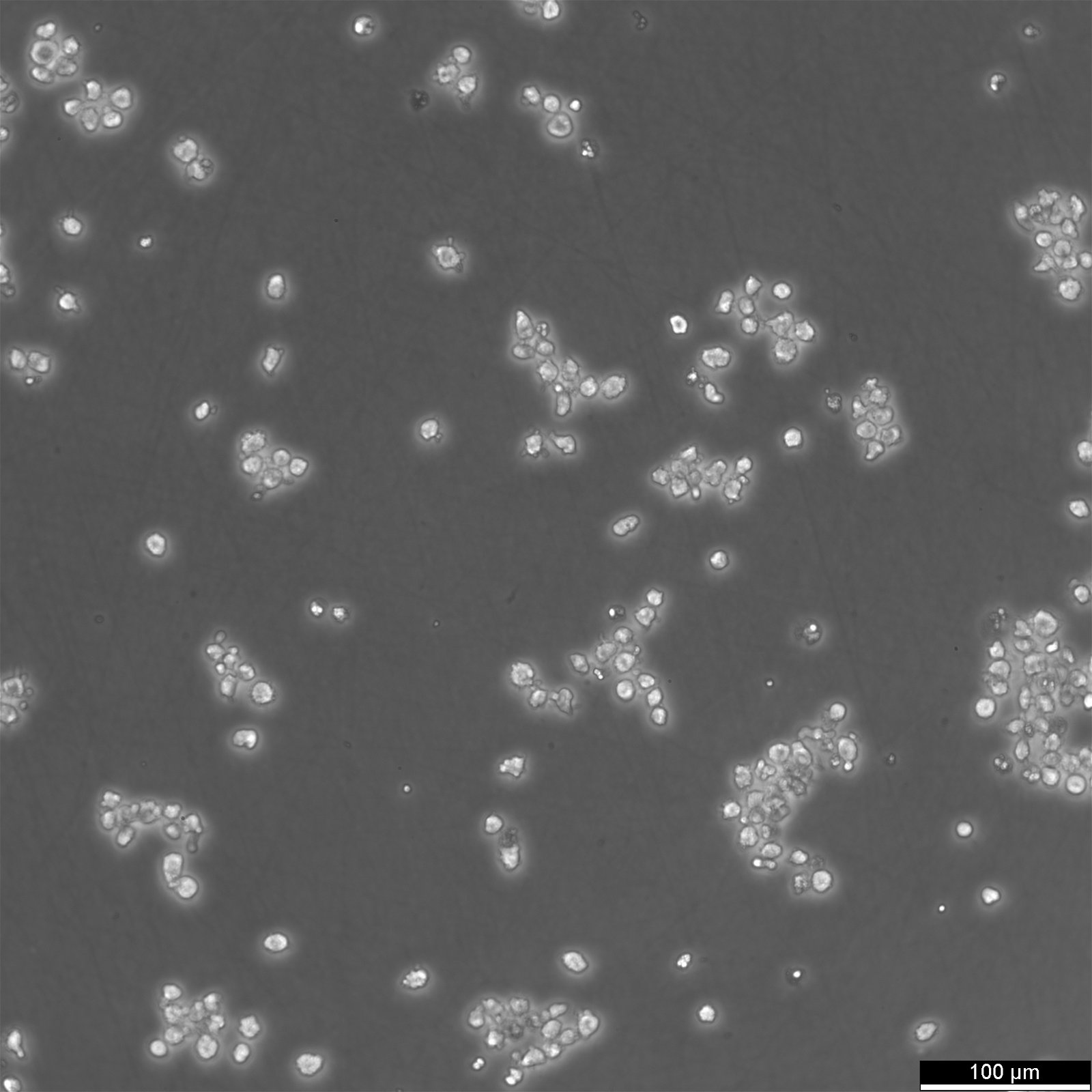
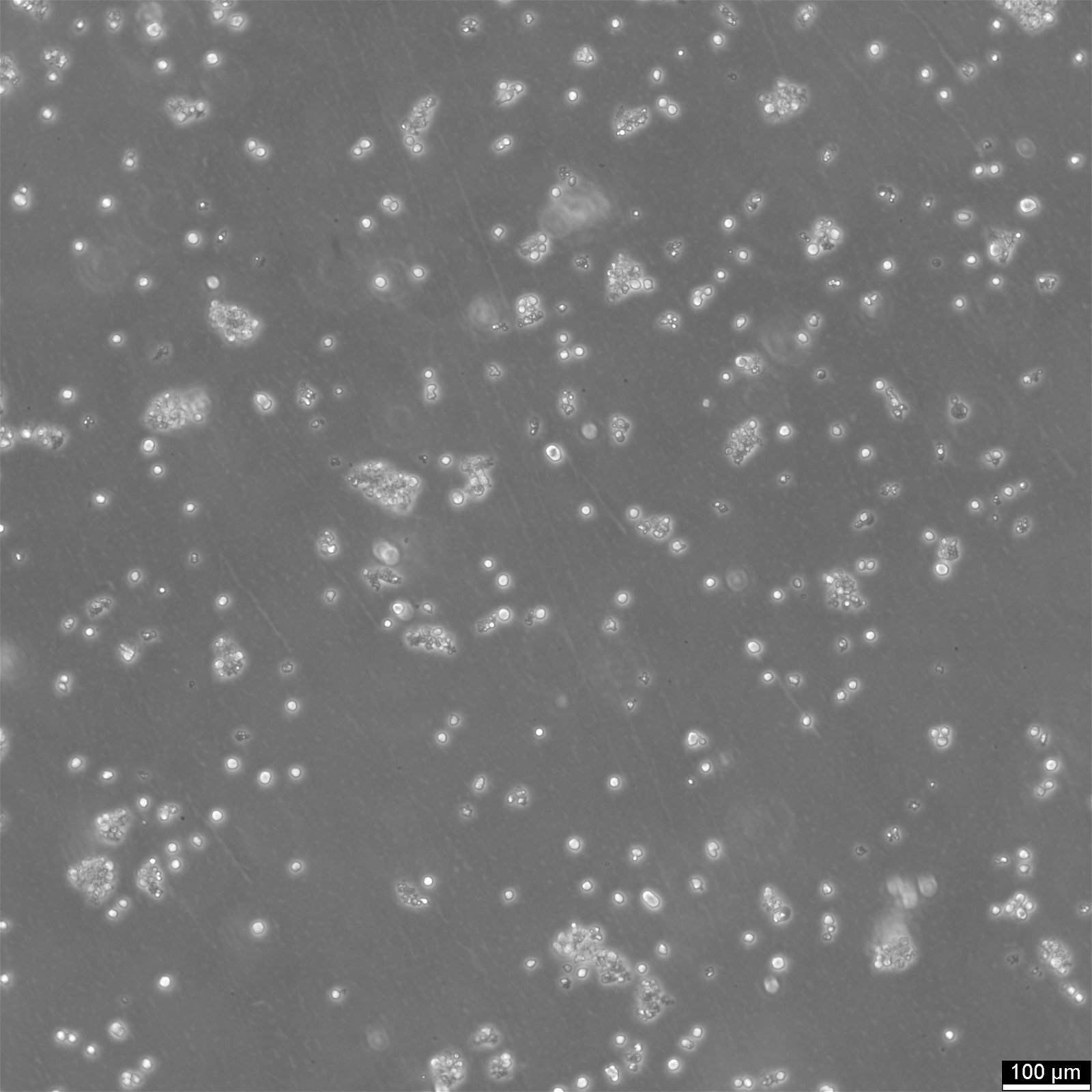
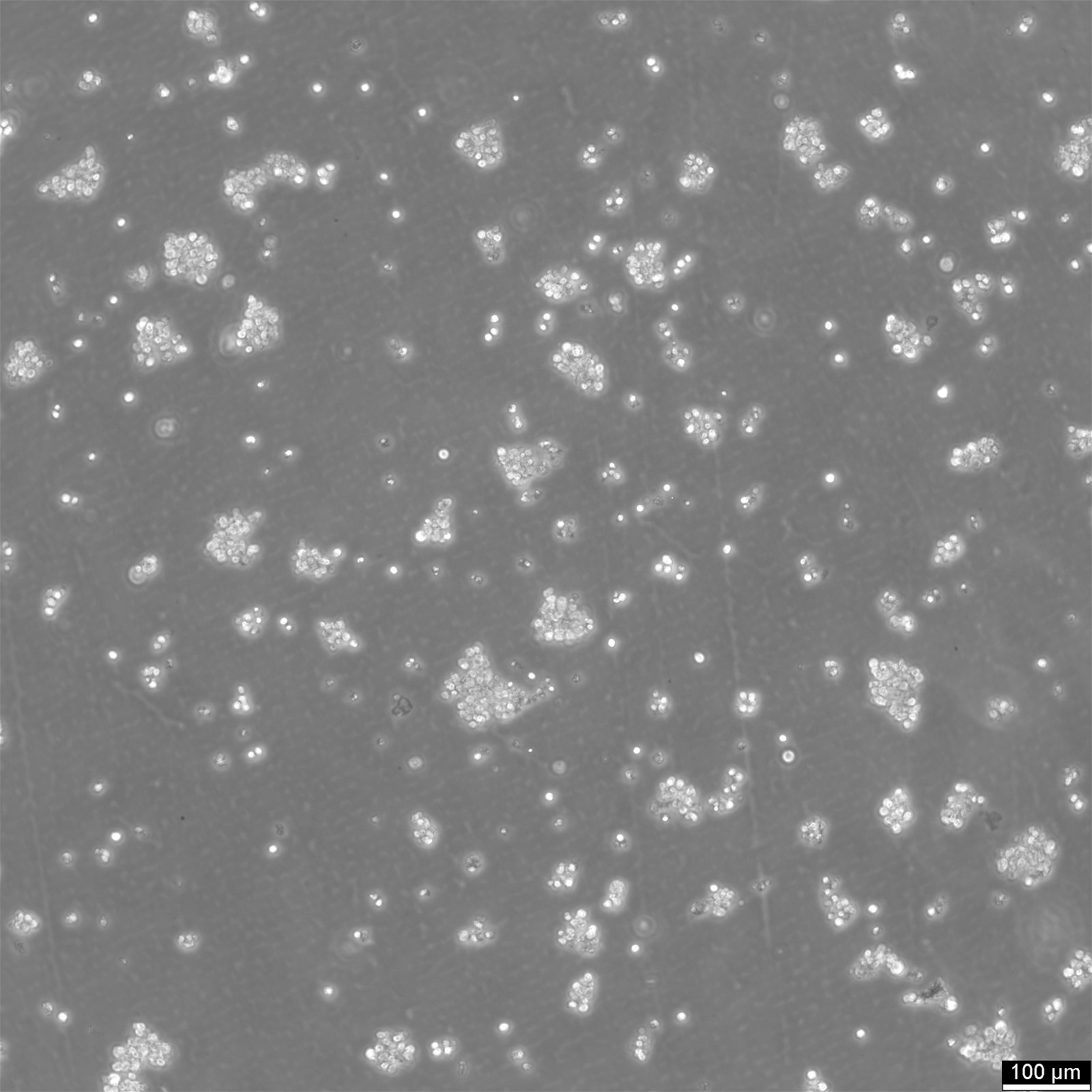
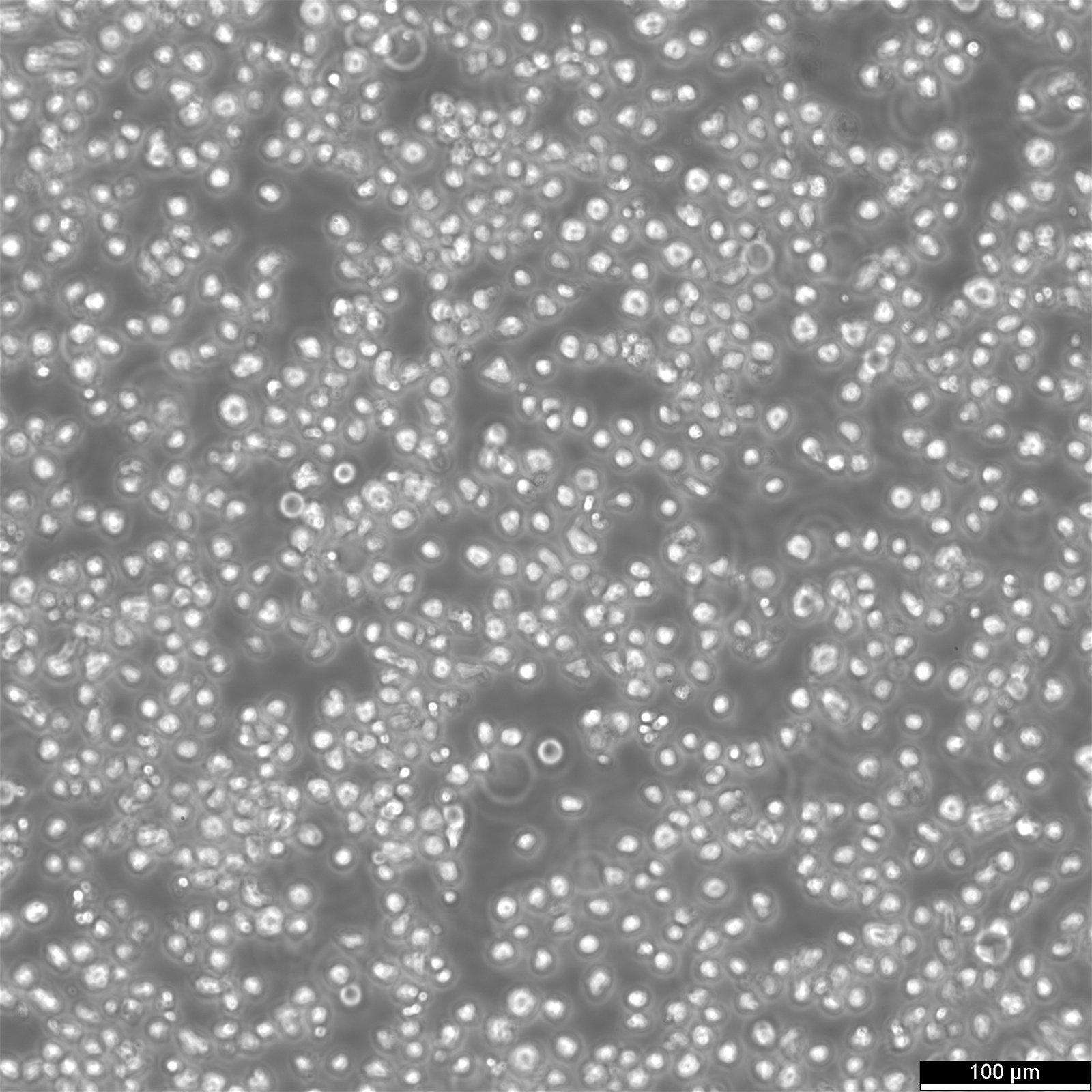
M-07e Cells
USD$395.00*
Products are shipped frozen on dry ice in cryotubes. Each cryotube typically contains 3 × 10⁶ cells for adherent lines or 5 × 10⁶ cells for suspension lines (refer to the batch CoA for details).
General information
| Description | The M-07e cell line is a subline derived from the original M-07 human leukemic cell line, which was established from the peripheral blood of a 6-month-old girl diagnosed with acute megakaryoblastic leukemia (AML M7). This particular subline was isolated to create a factor-dependent cell line that requires interleukin-3 (IL-3) or granulocyte macrophage colony-stimulating factor (GM-CSF) for growth, even in the presence of fetal calf serum. M-07e cells exhibit robust proliferation in response to a variety of cytokines, including GM-CSF, interferons (IFN-alpha, IFN-beta, IFN-gamma), IL-2, IL-3, IL-4, IL-6, IL-15, nerve growth factor (NGF), stem cell factor (SCF), tumor necrosis factor-alpha (TNF-alpha), and thrombopoietin (TPO). However, their dependency on IL-3 or GM-CSF for sustained growth makes them a valuable tool in bioassays designed to measure the biological activity of these specific cytokines. Notably, M-07e cells are highly sensitive to IL-3 and GM-CSF, making them ideal for use in assays where detecting low levels of these cytokines is crucial. For instance, bioassays using M-07e cells can detect as little as 25-50 pg/mL of IL-3 or GM-CSF, making it comparable to or even more sensitive than traditional assays like the CFU-GM or CML blast proliferation assays. However, the cell line has a tendency to become cytokine-independent within 3-4 weeks in culture, likely due to the outgrowth of cytokine-independent subpopulations, which suggests careful monitoring is necessary when using these cells for long-term studies. The availability of exome and RNA sequence data further enhances the utility of M-07e cells in research focused on leukemia and hematopoiesis. M-07e cells have also been employed to establish a quantitative bioassay for GM-CSF and IL-3, which is essential in both clinical and research settings. The bioassay developed with this cell line has proven to be convenient, reliable, and sensitive, making it particularly useful for assessing the pharmacological effects of hematopoietic growth factor therapies. The detailed responsiveness of M-07e cells to various cytokines, combined with their well-documented growth characteristics, underscores their value in experimental hematology, particularly in studies related to leukemia and the therapeutic application of cytokines. |
|---|---|
| Organism | Human |
| Tissue | Peripheral blood |
| Disease | Childhood acute megakaryoblastic leukemia |
| Synonyms | M-07E, M-O7e, M07-e, M07e, Mo7e, MO7e, M07E, MO7E |
Characteristics
| Age | 6 months |
|---|---|
| Gender | Female |
| Ethnicity | European |
| Morphology | Lymphoblast |
| Growth properties | Suspension |
Regulatory Data
| Citation | M-07e (Cytion catalog number 305105) |
|---|---|
| Biosafety level | 1 |
| NCBI_TaxID | 9606 |
| CellosaurusAccession | CVCL_2106 |
Biomolecular Data
Handling
| Culture Medium | RPMI 1640, w: 2.0 mM stable Glutamine, w: 2.0 g/L NaHCO3 (Cytion article number 820700a) |
|---|---|
| Supplements | Supplement the medium with heat-inactivated 15% FBS, GM-CSF (10 ng/mL), add 2.5 g/L glucose and 10 mM HEPES |
| Doubling time | 40 to 46 hours |
| Subculturing | Gently homogenize the cell suspension in the flask by pipetting up and down, then take a representative sample to determine the cell density per ml. Dilute the suspension to achieve a cell concentration of 0.5 x 10⁶ cells/ml with fresh culture medium, and aliquot the adjusted suspension into new flasks for further cultivation. |
| Fluid renewal | Every 2 days |
| Freeze medium | As a cryopreservation medium, we use complete growth medium (including FBS) + 10% DMSO for adequate post-thaw viability, or CM-1 (Cytion catalog number 800100), which includes optimized osmoprotectants and metabolic stabilizers to enhance recovery and reduce cryo-induced stress. |
| Thawing and Culturing Cells |
|
| Incubation Atmosphere | 37°C, 5% CO2, humidified atmosphere. |
| Shipping Conditions | Cryopreserved cell lines are shipped on dry ice in validated, insulated packaging with sufficient refrigerant to maintain approximately −78 °C throughout transit. On receipt, inspect the container immediately and transfer vials without delay to appropriate storage. |
| Storage Conditions | For long-term preservation, place vials in vapor-phase liquid nitrogen at about −150 to −196 °C. Storage at −80 °C is acceptable only as a short interim step before transfer to liquid nitrogen. |
Quality Control & Molecular Analysis
| Sterility | Mycoplasma contamination is excluded using both PCR-based assays and luminescence-based mycoplasma detection methods. To ensure there is no bacterial, fungal, or yeast contamination, cell cultures are subjected to daily visual inspections. |
|---|
Certificate of Analysis (CoA)
| Lot Number | Certificate Type | Date | Catalog Number |
|---|---|---|---|
| 305105-271023 | Certificate of Analysis | 23. May. 2025 | 305105 |
| 305105-280725 | Certificate of Analysis | 22. Oct. 2025 | 305105 |
| 305105-240524 | Certificate of Analysis | 23. May. 2025 | 305105 |