
L Wnt-3A Cells
USD$395.00*
Products are shipped frozen on dry ice in cryotubes. Each cryotube typically contains 3 × 10⁶ cells for adherent lines or 5 × 10⁶ cells for suspension lines (refer to the batch CoA for details).
General information
| Description | The L Wnt-3A cell line is a derivative of the L cells, originally derived from mouse fibroblast cells. This cell line is specifically engineered to stably express the Wnt-3A protein, a critical component of the Wnt signaling pathway. Wnt signaling is crucial for various developmental processes, including cell proliferation, differentiation, and migration. The stable expression of Wnt-3A in this cell line makes it a valuable tool for studying the molecular mechanisms underlying these biological processes, particularly in the context of cancer research, tissue regeneration, and embryonic development. Researchers often utilize the L Wnt-3A cell line to produce conditioned medium rich in Wnt-3A, which can then be used to activate Wnt signaling in other cell types. This application is especially beneficial in the study of stem cell biology and regenerative medicine, where Wnt signaling plays a pivotal role in maintaining stem cell pluripotency and promoting tissue repair. Additionally, the cell line serves as a model to investigate the dysregulation of Wnt signaling in various cancers, providing insights into potential therapeutic targets and treatments. Due to the robust and reliable expression of Wnt-3A, the L Wnt-3A cell line is widely used in laboratories to explore the effects of Wnt signaling on different cellular processes. It is an indispensable resource for scientists aiming to unravel the complexities of Wnt-mediated cellular functions and to develop novel strategies for modulating this pathway in disease contexts. |
|---|---|
| Organism | Mouse |
| Tissue | Subcutaneous connective tissue, areolar and adipose |
| Synonyms | L-Wnt-3A, L-Wnt3A, LWnt3A, LWnt-3A |
Characteristics
| Breed/Subspecies | C3H/An |
|---|---|
| Age | 100 days |
| Gender | Male |
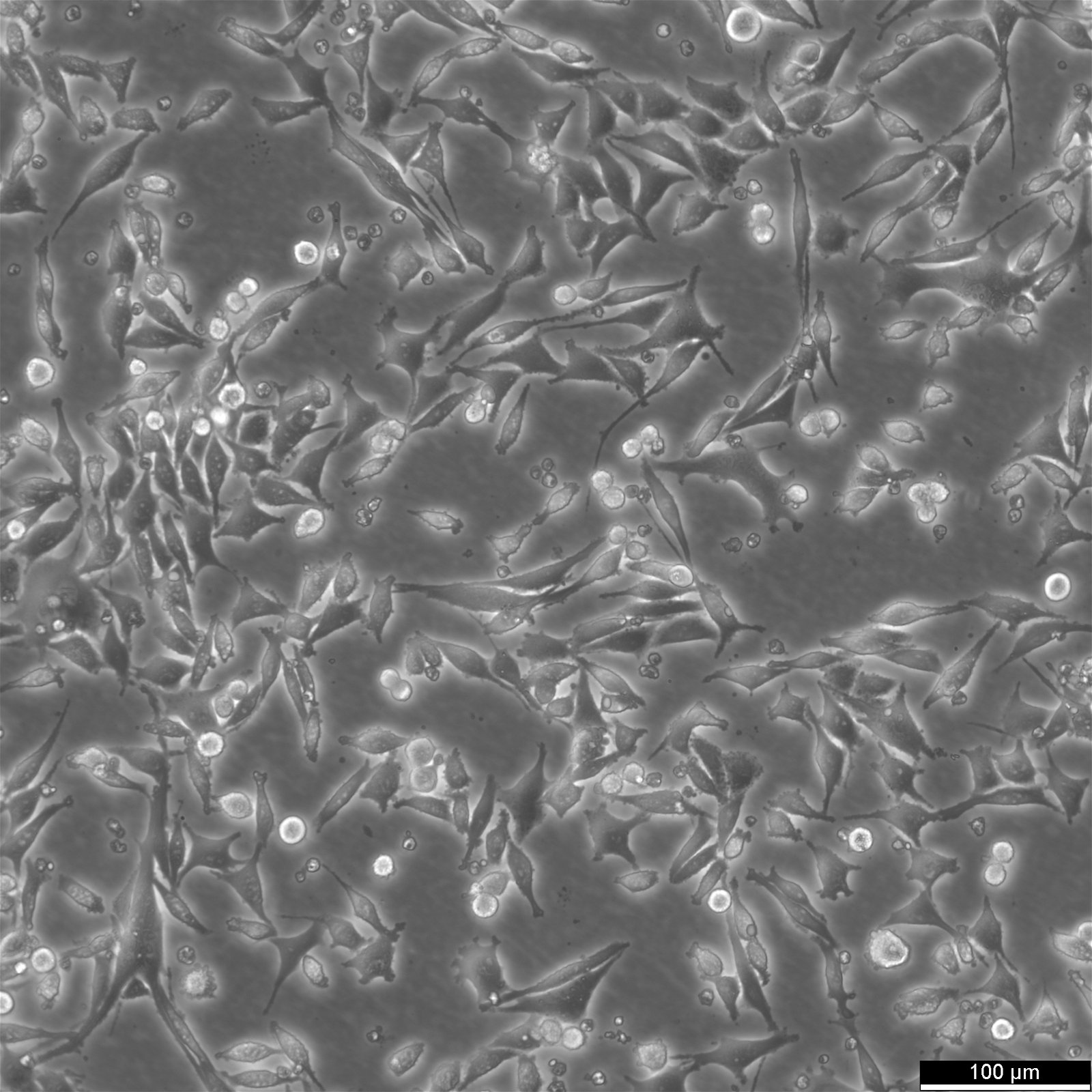
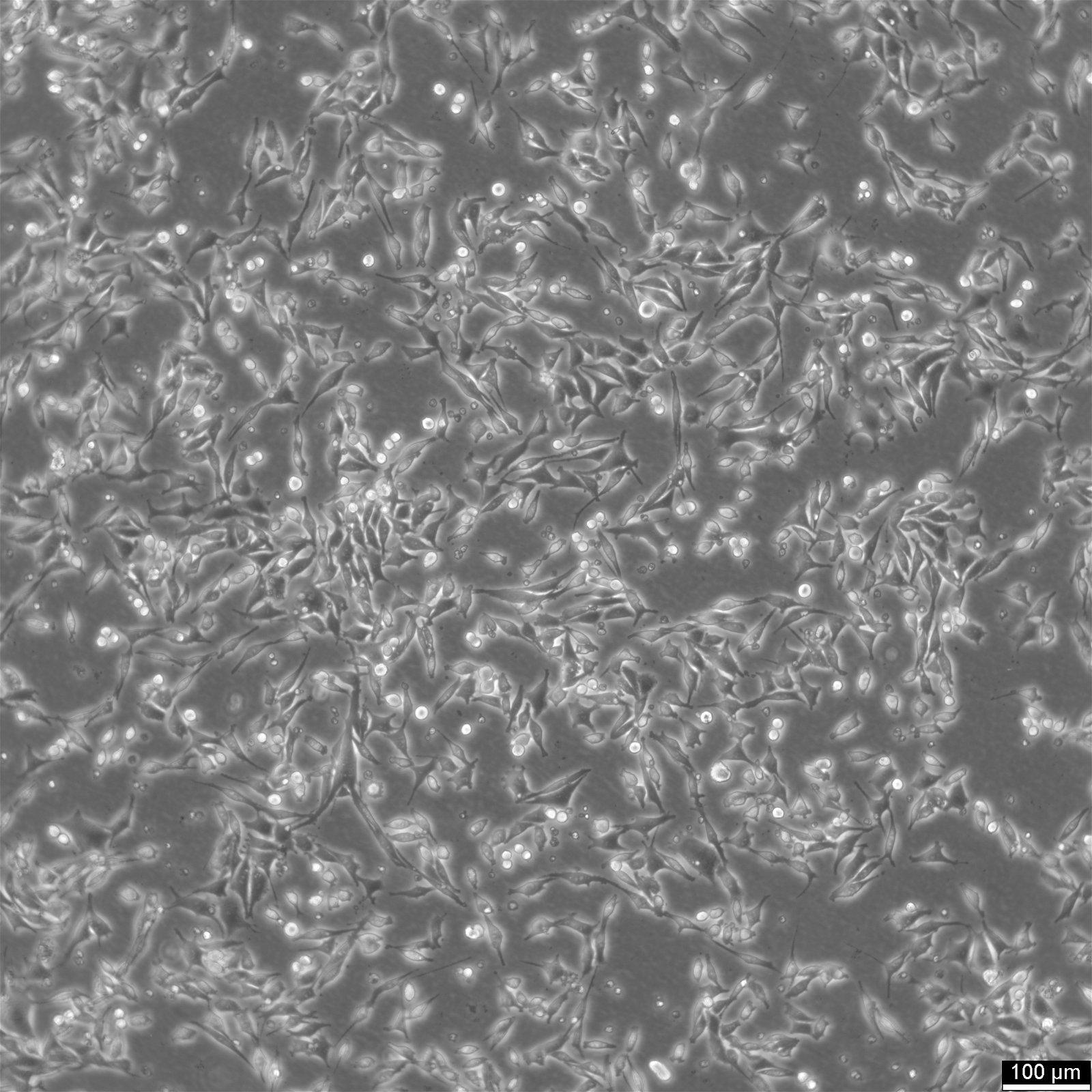
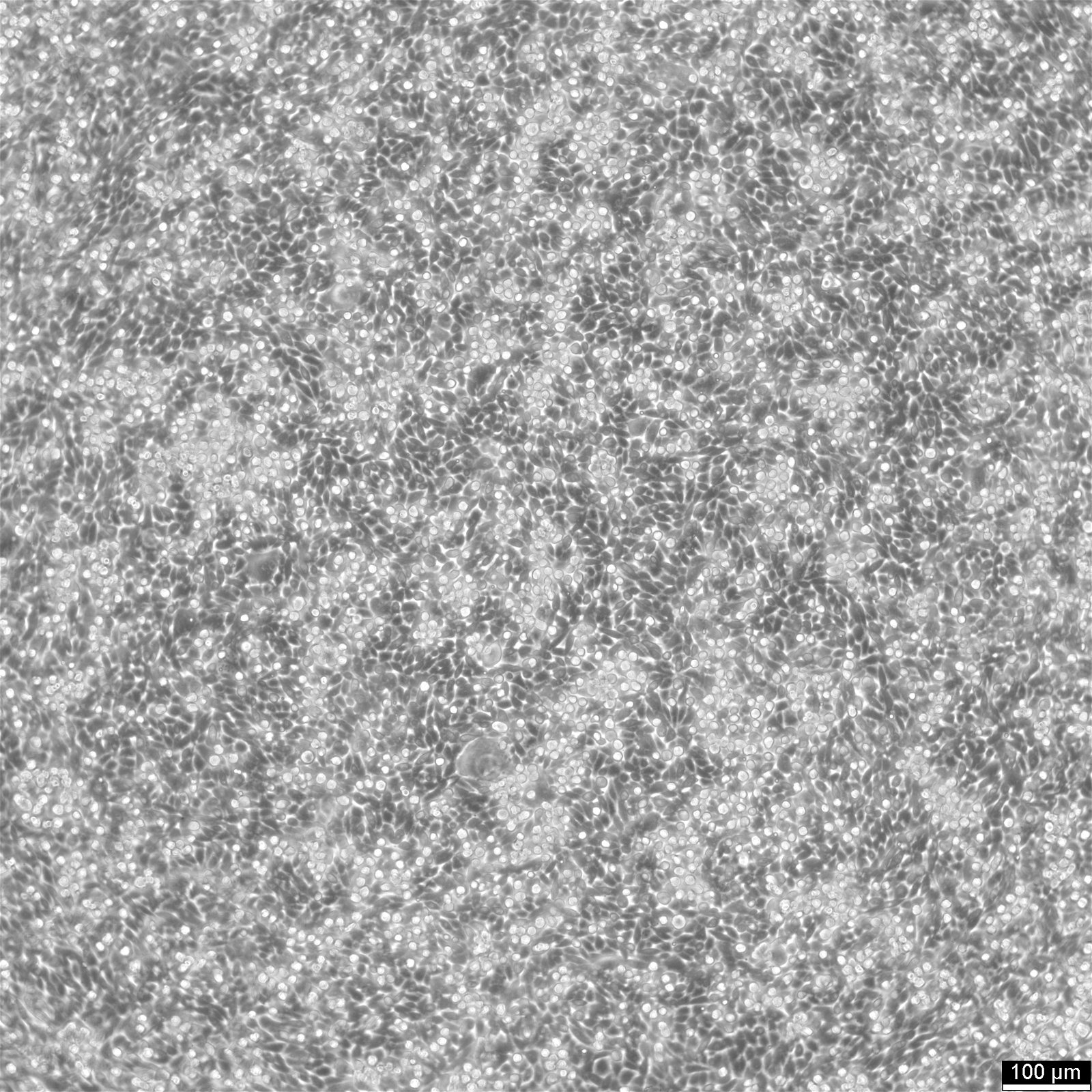
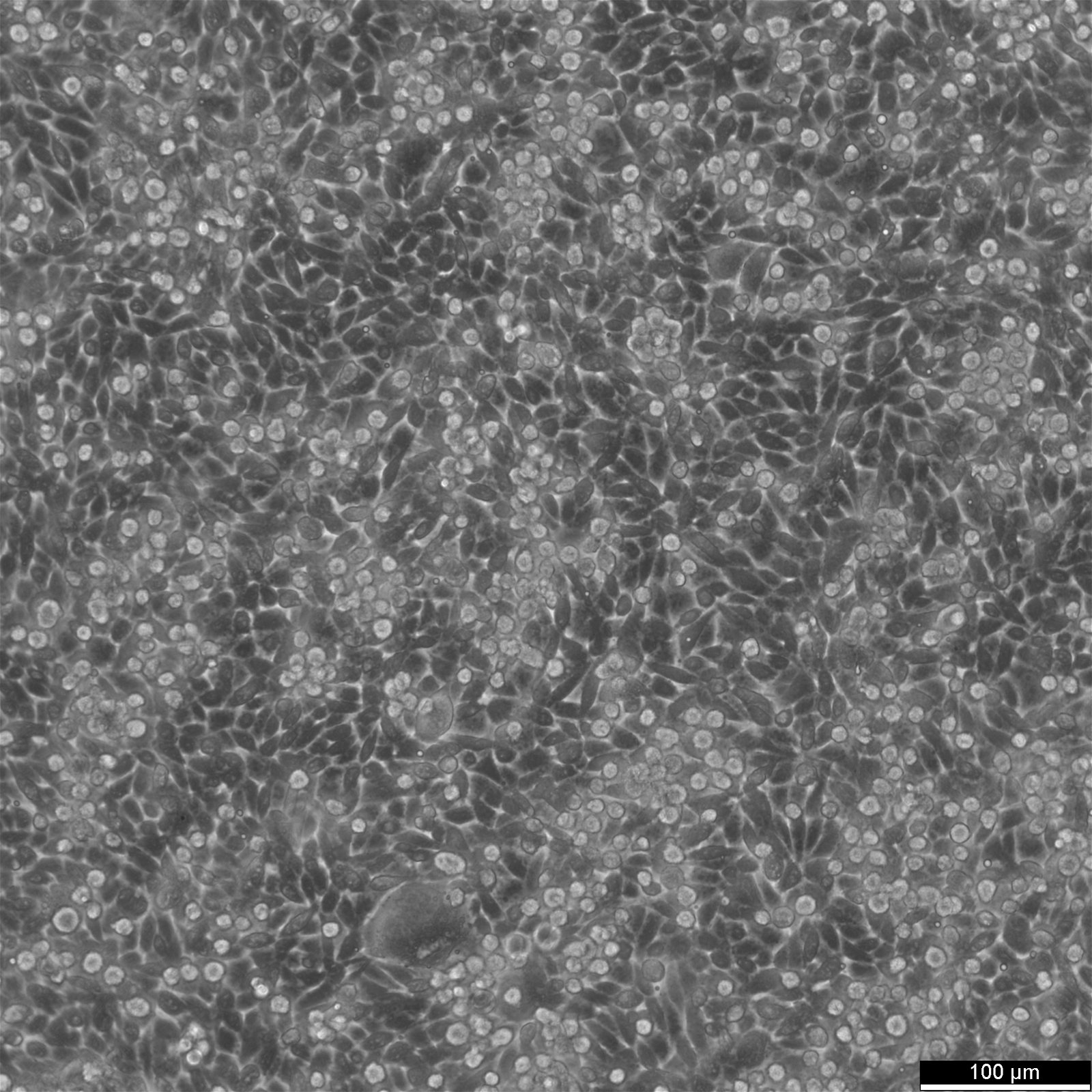
| Morphology | Fibroblast |
| Growth properties | Adherent |
Regulatory Data
| Citation | L Wnt-3A (Cytion catalog number 305184) |
|---|---|
| Biosafety level | 1 |
| NCBI_TaxID | 10090 |
| CellosaurusAccession | CVCL_0635 |
| GMO Status | GMO-S1: This murine L-cell-derived line (L Wnt-3A) contains a Wnt3a expression construct under PGK promoter control with neomycin resistance, enabling secretion of Wnt3a. The insert is stably integrated into L-cells. This classification applies only within Germany and may differ elsewhere. |
Biomolecular Data
| Protein expression | Wnt-3A |
|---|
Handling
| Culture Medium | DMEM, w: 4.5 g/L Glucose, w: 4 mM L-Glutamine, w: 3.7 g/L NaHCO3, w: 1.0 mM Sodium pyruvate (Cytion article number 820300a) |
|---|---|
| Supplements | Supplement the medium with 10% FBS, 0.4 mg/mL G-418 |
| Dissociation Reagent | Accutase |
| Subculturing | Remove the old medium from the adherent cells and wash them with PBS that lacks calcium and magnesium. For T25 flasks, use 3-5 ml of PBS, and for T75 flasks, use 5-10 ml. Then, cover the cells completely with Accutase, using 1-2 ml for T25 flasks and 2.5 ml for T75 flasks. Let the cells incubate at room temperature for 8-10 minutes to detach them. After incubation, gently mix the cells with 10 ml of medium to resuspend them, then centrifuge at 300xg for 3 minutes. Discard the supernatant, resuspend the cells in fresh medium, and transfer them into new flasks that already contain fresh medium. |
| Fluid renewal | 2 to 3 times per week |
| Freeze medium | As a cryopreservation medium, we use complete growth medium (including FBS) + 10% DMSO for adequate post-thaw viability, or CM-1 (Cytion catalog number 800100), which includes optimized osmoprotectants and metabolic stabilizers to enhance recovery and reduce cryo-induced stress. |
| Thawing and Culturing Cells |
|
| Incubation Atmosphere | 37°C, 5% CO2, humidified atmosphere. |
| Shipping Conditions | Cryopreserved cell lines are shipped on dry ice in validated, insulated packaging with sufficient refrigerant to maintain approximately −78 °C throughout transit. On receipt, inspect the container immediately and transfer vials without delay to appropriate storage. |
| Storage Conditions | For long-term preservation, place vials in vapor-phase liquid nitrogen at about −150 to −196 °C. Storage at −80 °C is acceptable only as a short interim step before transfer to liquid nitrogen. |
Quality Control & Molecular Analysis
| Sterility | Mycoplasma contamination is excluded using both PCR-based assays and luminescence-based mycoplasma detection methods. To ensure there is no bacterial, fungal, or yeast contamination, cell cultures are subjected to daily visual inspections. |
|---|
Certificate of Analysis (CoA)
| Lot Number | Certificate Type | Date | Catalog Number |
|---|---|---|---|
| 305184-041225 | Certificate of Analysis | 19. Jan. 2026 | 305184 |
| 305184-290124 | Certificate of Analysis | 23. May. 2025 | 305184 |