
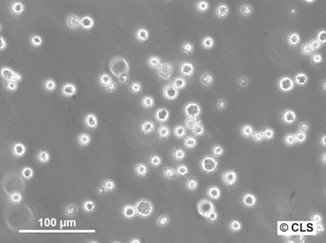
L-138 Cells
USD$395.00*
Products are shipped frozen on dry ice in cryotubes. Each cryotube typically contains 3 × 10⁶ cells for adherent lines or 5 × 10⁶ cells for suspension lines (refer to the batch CoA for details).
General information
| Description | The L-138 cell line, also known by its original designation M138, is a melanoma cell line derived from cutaneous melanoma. Melanoma is a type of skin cancer originating from melanocytes, the cells responsible for producing melanin. This cell line has been crucial in understanding the surface antigens involved in melanoma and melanocyte differentiation. The L-138 cells are characterized by their expression of specific antigens that define subsets of melanoma, contributing to the classification and differentiation studies of melanoma types based on antigenic profiles. L-138 cells exhibit unique surface antigens, including the M-24 antigen, identified through monoclonal antibodies. These antigens have been analyzed serologically, revealing that the L-138 cell line expresses antigens detectable by several monoclonal antibodies specific to melanoma. These include the HLA-A,B,C antigens and β2-microglobulin, which are highly reactive in most melanoma cell lines, providing insights into the immune recognition and classification of melanoma cells:citation[oaicite:0]{index=0} . Moreover, the L-138 cell line has been utilized in tyrosinase activity assays, an enzyme crucial for melanin synthesis. The tyrosinase activity in L-138 cells was measured using radiolabeled tyrosine, demonstrating the functional properties of melanoma cells in pigment production. This activity is compared against non-pigmented renal cancer cells, showcasing the distinct enzymatic activity in melanoma. Such studies help elucidate the metabolic pathways and potential therapeutic targets in melanoma treatment . |
|---|---|
| Organism | Mouse |
| Tissue | Hematopoietic, hybridoma |
| Synonyms | M138, M 138, M-24 (M138), M-24, L138 |
Characteristics
| Breed/Subspecies | BALB/c |
|---|---|
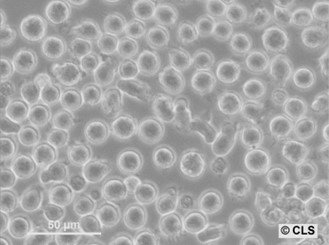
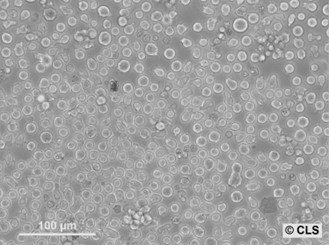
| Morphology | Round cells |
| Cell type | Lymphoblast |
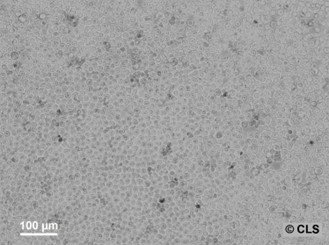
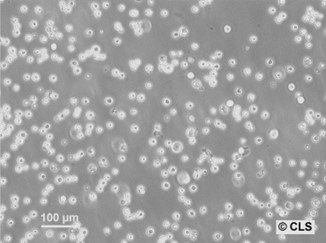
| Growth properties | Suspension |
Regulatory Data
| Citation | L-138 (Cytion catalog number 400384) |
|---|---|
| Biosafety level | 1 |
| NCBI_TaxID | 10090 |
| CellosaurusAccession | CVCL_J758 |
Biomolecular Data
| Products | Monoclonal antibody (immunoglobulin, IgG1) against human cutaneous melanocytes (M-24 antigen system). CLS does not warrant for antibody production of this cell line. |
|---|
Handling
| Culture Medium | RPMI 1640, w: 2.0 mM stable Glutamine, w: 2.0 g/L NaHCO3 (Cytion article number 820700a) |
|---|---|
| Supplements | Supplement the medium with 10% FBS |
| Subculturing | Maintain cultures by periodically adding or replacing the medium. Initiate cultures with a density of 5 x 10⁵ cells/ml and keep the cell concentration within the range of 3 x 10⁵ to 1 x 10⁶ cells/ml for optimal growth. |
| Fluid renewal | 2 to 3 times per week |
| Freeze medium | As a cryopreservation medium, we use complete growth medium (including FBS) + 10% DMSO for adequate post-thaw viability, or CM-1 (Cytion catalog number 800100), which includes optimized osmoprotectants and metabolic stabilizers to enhance recovery and reduce cryo-induced stress. |
| Thawing and Culturing Cells |
|
| Incubation Atmosphere | 37°C, 5% CO2, humidified atmosphere. |
| Shipping Conditions | Cryopreserved cell lines are shipped on dry ice in validated, insulated packaging with sufficient refrigerant to maintain approximately −78 °C throughout transit. On receipt, inspect the container immediately and transfer vials without delay to appropriate storage. |
| Storage Conditions | For long-term preservation, place vials in vapor-phase liquid nitrogen at about −150 to −196 °C. Storage at −80 °C is acceptable only as a short interim step before transfer to liquid nitrogen. |
Quality Control & Molecular Analysis
| Sterility | Mycoplasma contamination is excluded using both PCR-based assays and luminescence-based mycoplasma detection methods. To ensure there is no bacterial, fungal, or yeast contamination, cell cultures are subjected to daily visual inspections. |
|---|