
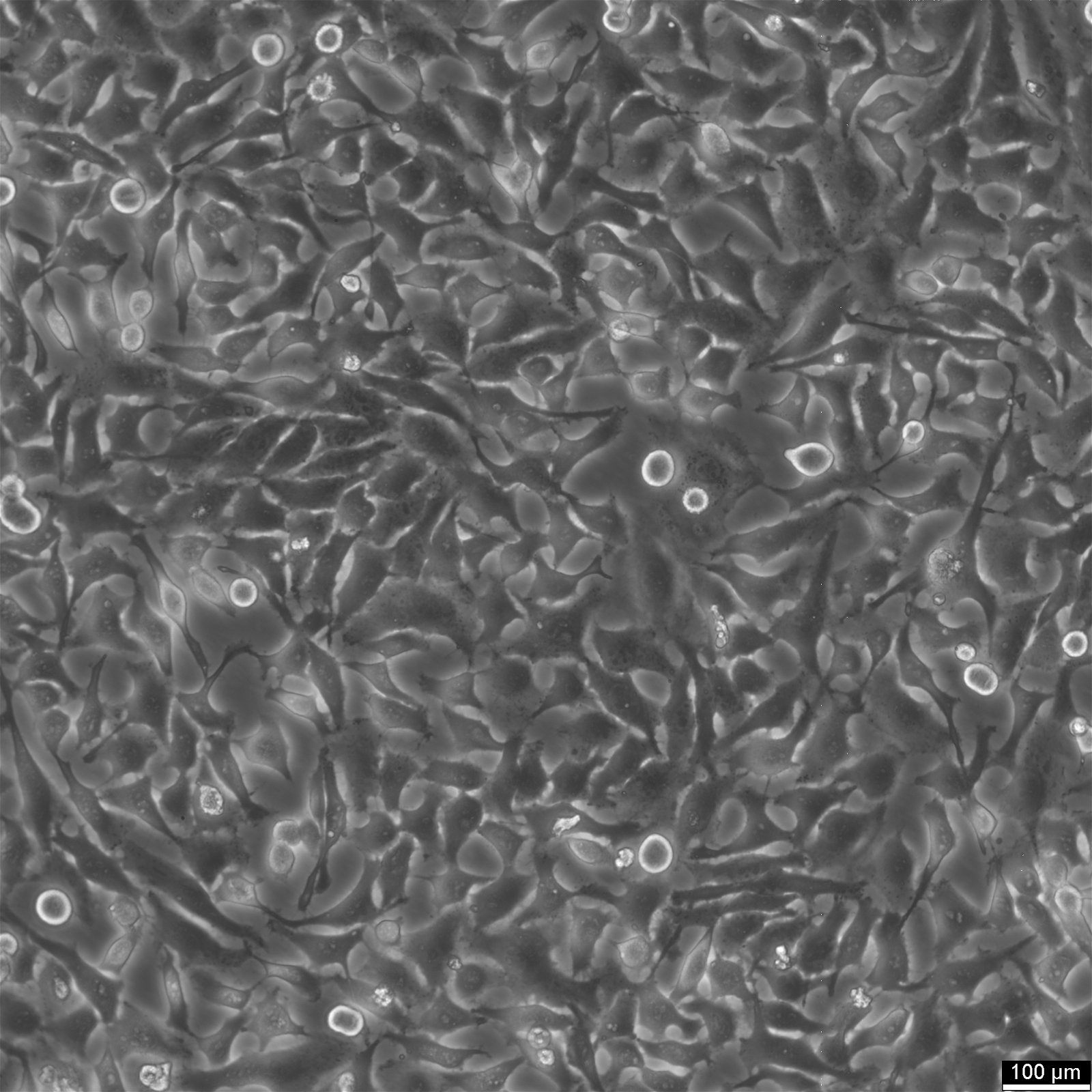
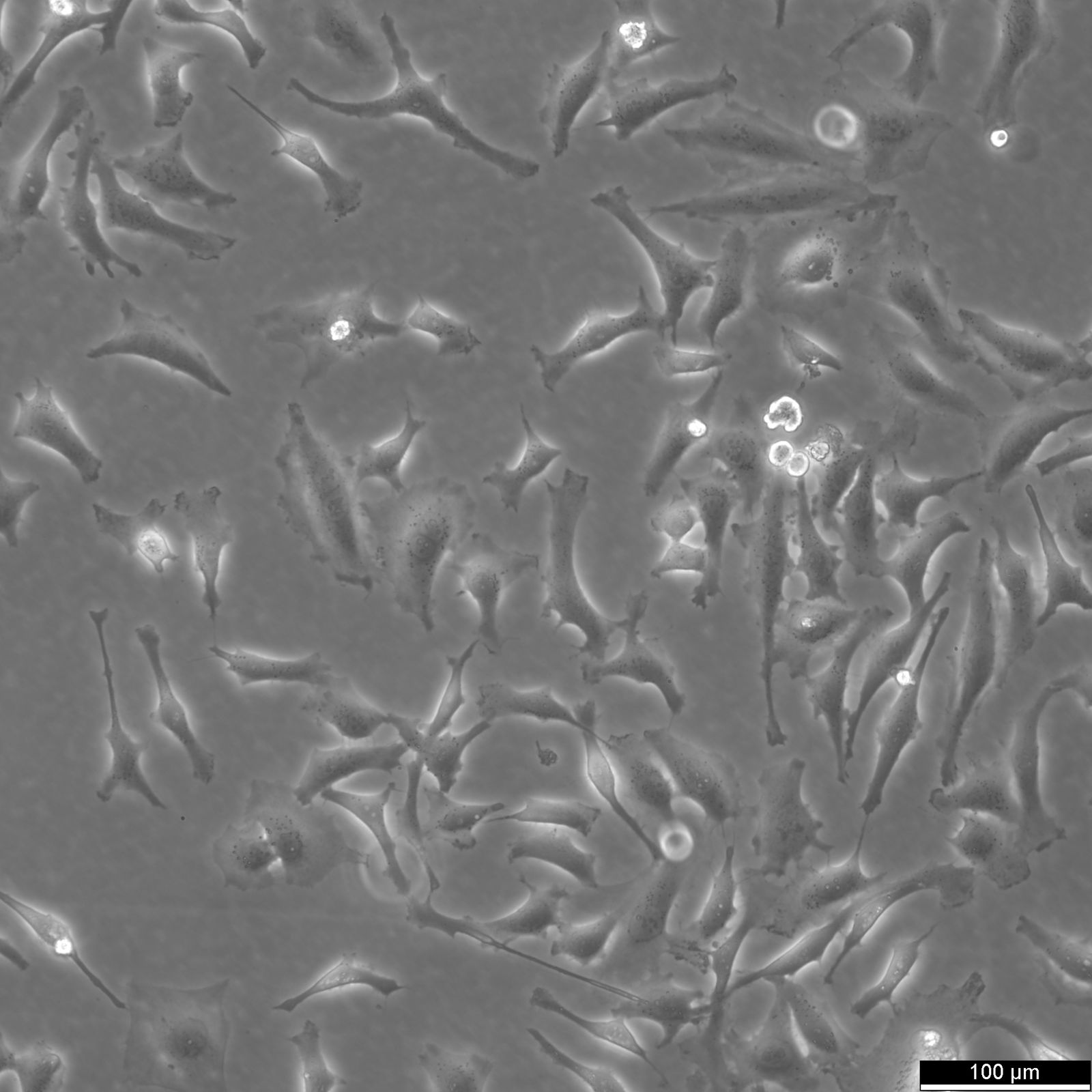
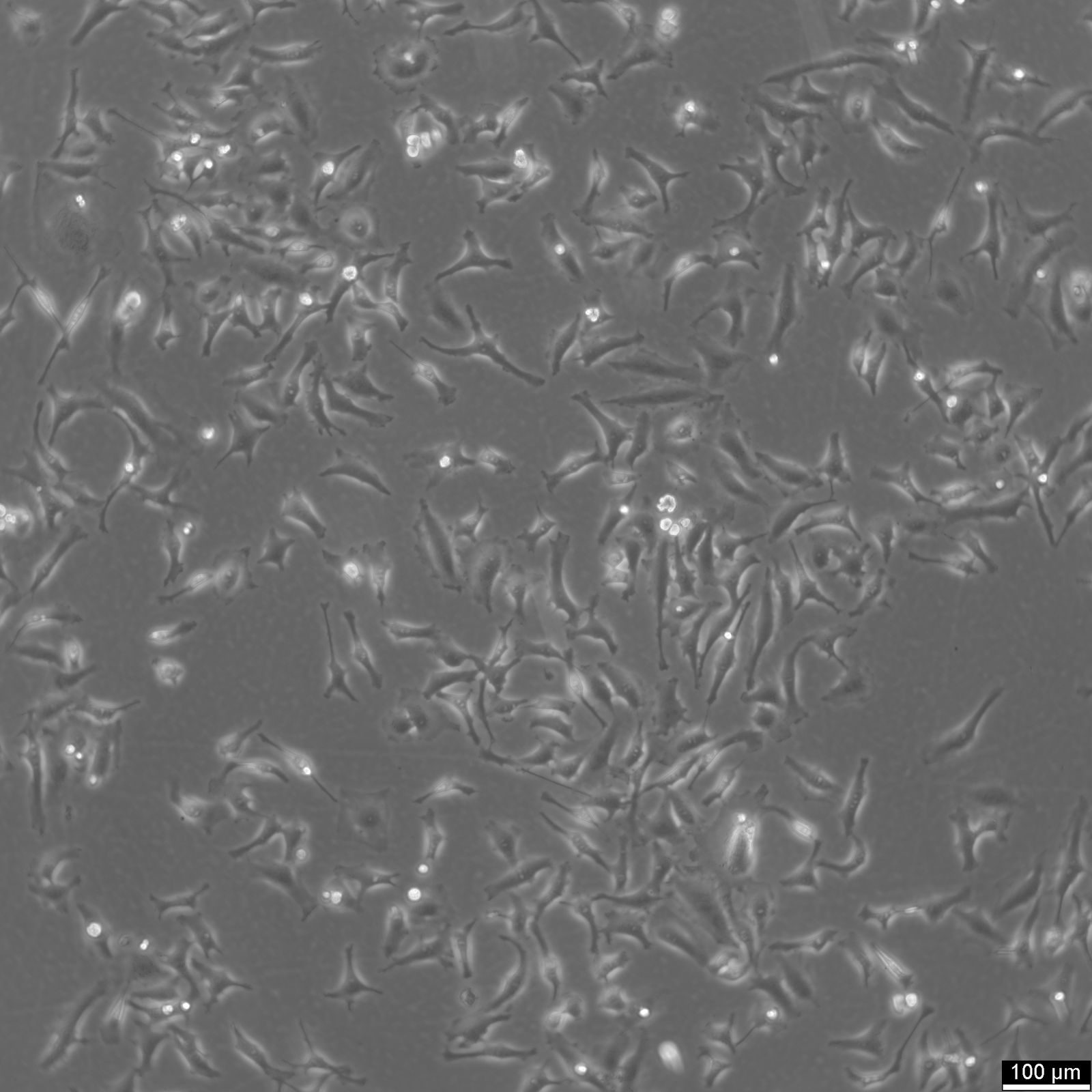
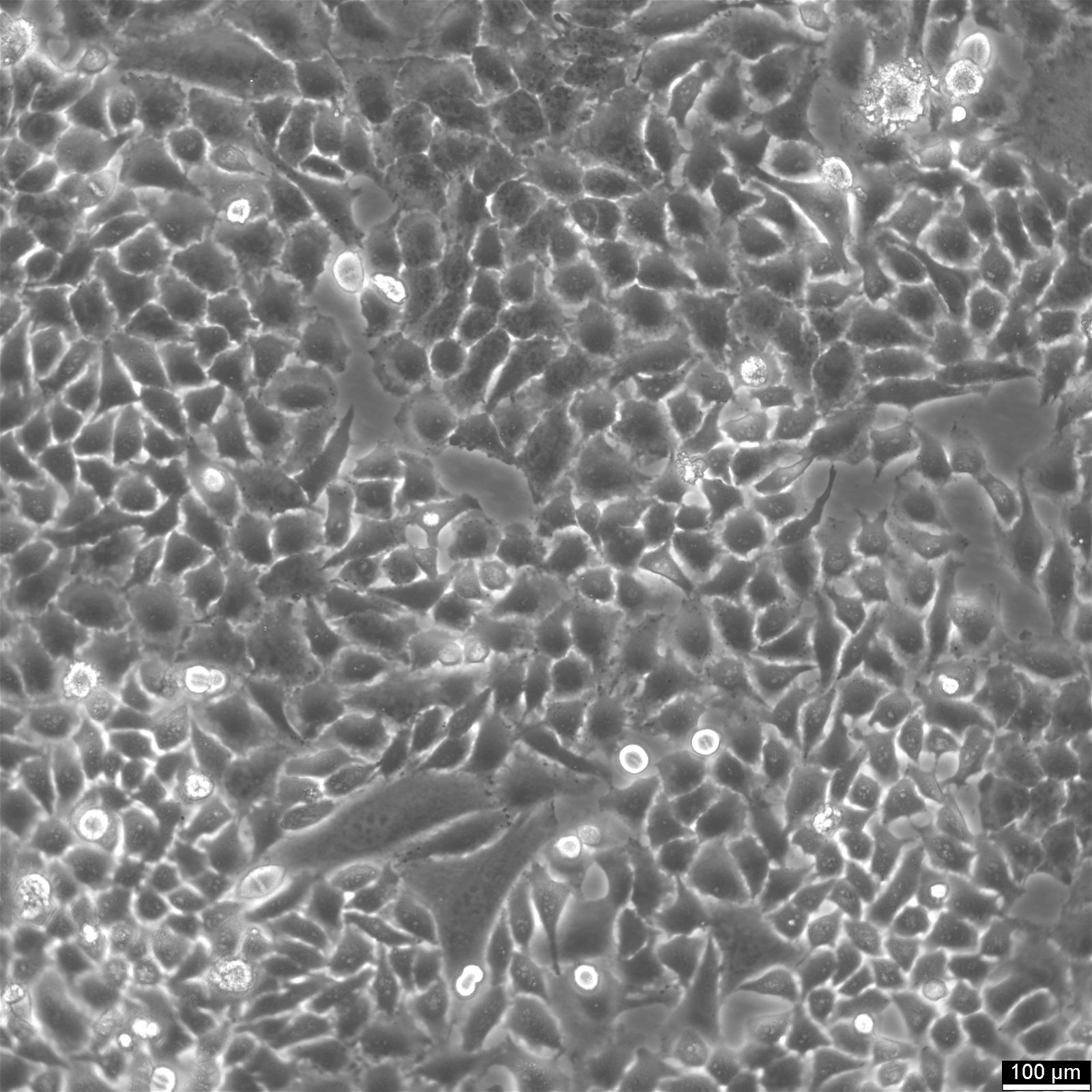
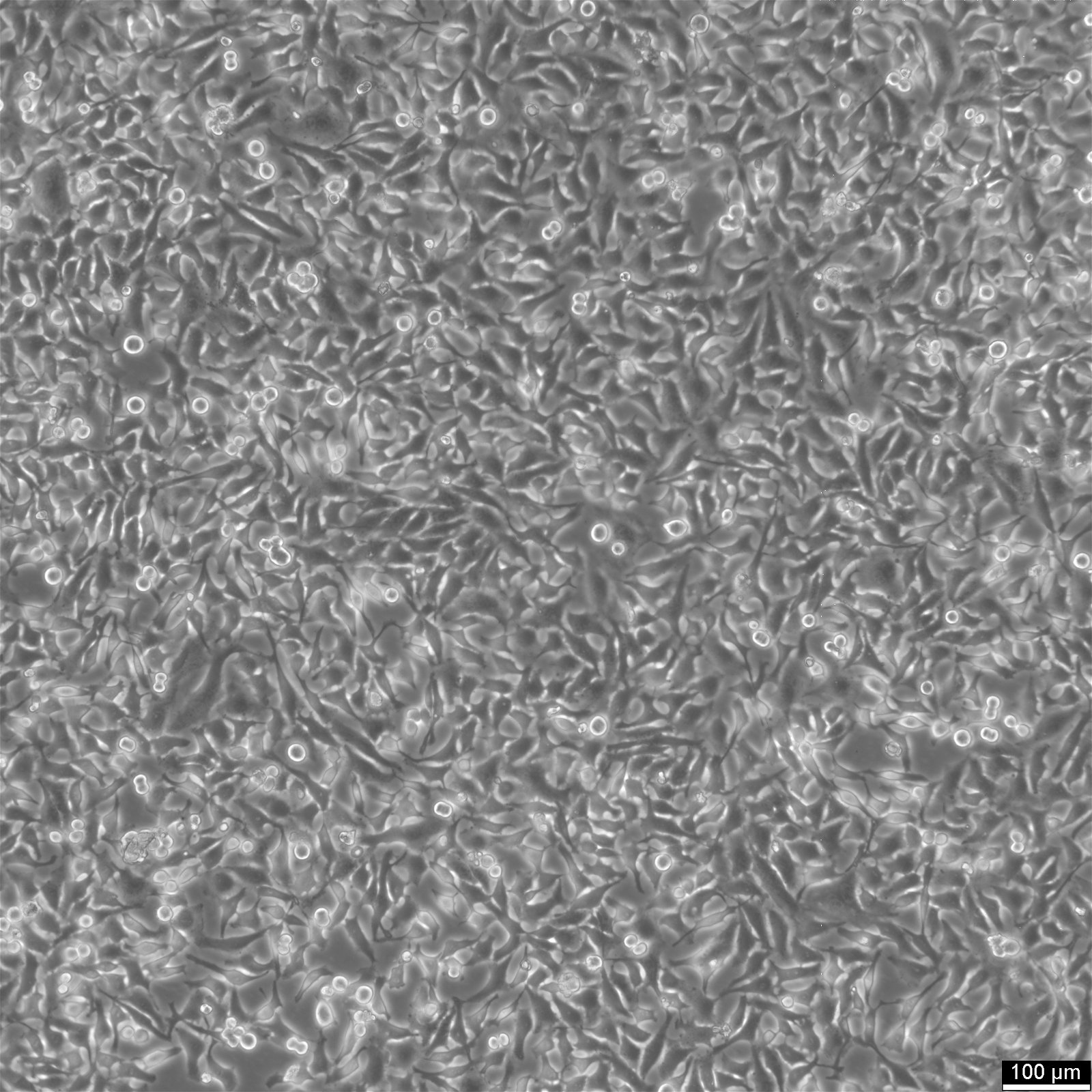
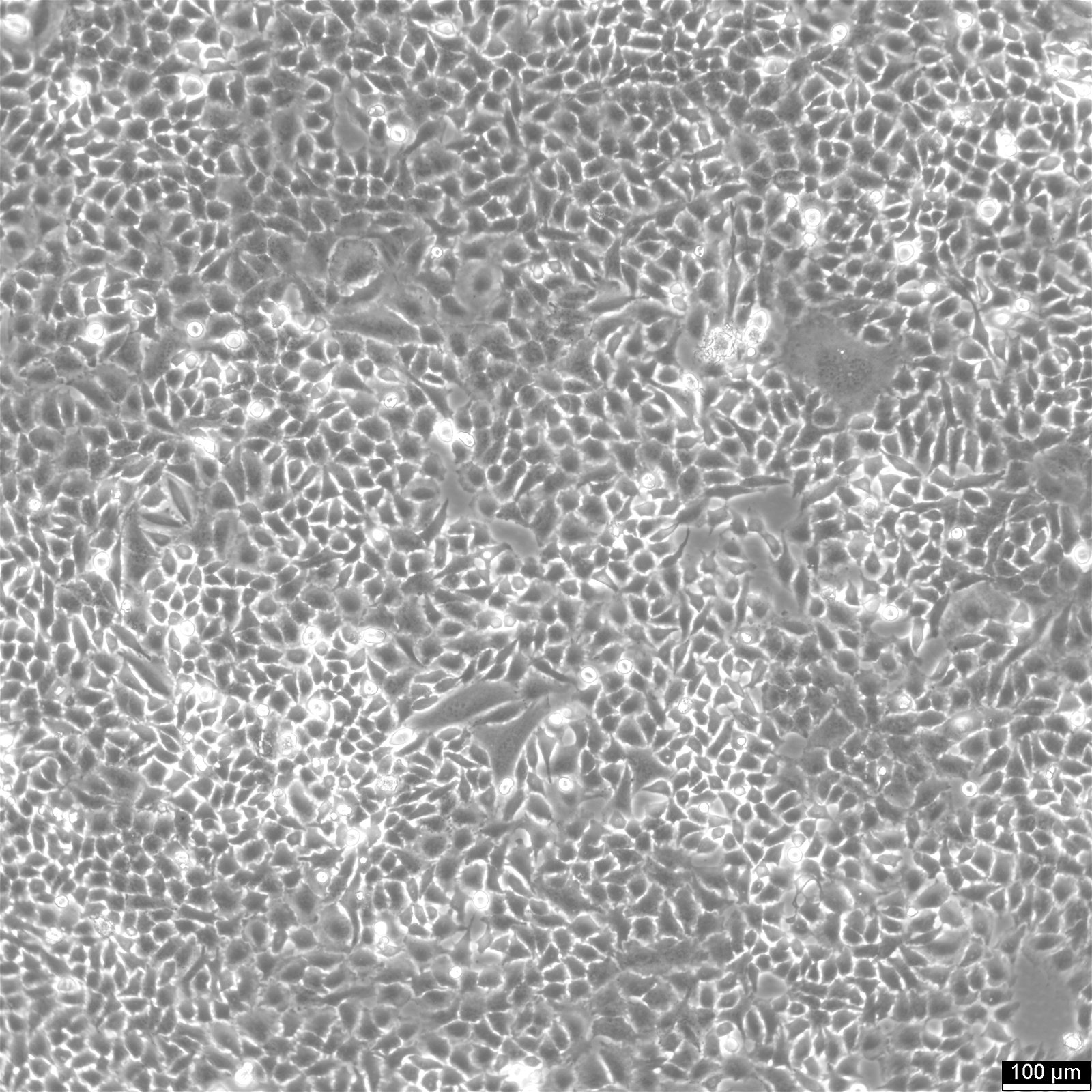
HEp-2 Cells
USD$395.00*
Products are shipped frozen on dry ice in cryotubes. Each cryotube typically contains 3 × 10⁶ cells for adherent lines or 5 × 10⁶ cells for suspension lines (refer to the batch CoA for details).
Introduction to Hep-2 cells
| Description | The HEp-2 cell line, originally believed to be derived from laryngeal cancer cells, was later identified through DNA fingerprinting and the presence of HeLa marker chromosomes as being contaminated with HeLa cells, a cell line that was derived from cervical cancer. Despite this, the HEp-2 cell line remains extensively utilized in indirect immunofluorescence to detect antinuclear antibodies (ANAs), which are key in diagnosing conditions like systemic lupus erythematosus and systemic sclerosis. The indirect immunofluorescence assay (IIFA) using HEp-2 cells, which provides clear positive or negative results, is the standard method for testing antinuclear antibodies. This straightforward approach is crucial for diagnosing and classifying different systemic autoimmune diseases. The patterns of autoantibodies observed in indirect immunofluorescence on HEp-2 cells, especially in the context of rheumatology, provide invaluable insights into various rheumatic diseases. Furthermore, the comprehensive review of antigens expressed by HEp-2 human cells under different culture conditions enables the identification of specific ANAs linked to diseases like lupus. In conclusion, while the contamination of cell lines like HEp-2 with HeLa cells has prompted concerns in cancer research about the accuracy and reliability of results and their clinical relevance, the utility of Hep-2 in the detection of antinuclear antibodies and its application across various research disciplines underscore its continued importance. The HEp-2 cell line serves as an essential tool in diagnosing and classifying autoimmune diseases, among other applications. |
|---|---|
| Organism | Human |
| Tissue | Larynx |
| Disease | Adenocarcinoma |
| Applications | In rheumatology, indirect immunofluorescence using HEp-2 cells plays a crucial role in diagnosing autoimmune diseases, including systemic lupus erythematosus and systemic sclerosis |
| Synonyms | Hep-2, HEP-2, HEp-2/HeLa, Hep 2, Hep2, HEp2, HEP2, H.Ep.-2, H.Ep. #2, H.Ep. No. 2, Hep II, Human Epidermoid carcinoma #2, Human Epithelioma-2 |
Details of the HEp-2 cell line
| Age | 30 years |
|---|---|
| Gender | Female |
| Ethnicity | African American |
| Morphology | Epithelial-like |
| Growth properties | Monolayer, adherent |
Documentation
| Citation | HEp-2 (Cytion catalog number 300397) |
|---|---|
| Biosafety level | 1 |
| NCBI_TaxID | 9606 |
| CellosaurusAccession | CVCL_1906 |
Genetic profile
| Isoenzymes | G6PD, A |
|---|---|
| Reverse transcriptase | Negative |
| Products | Keratin |
Handling of Hep2 cells
| Culture Medium | EMEM (MEM Eagle), w: 2 mM L-Glutamine, w: 2.2 g/L NaHCO3, w: EBSS (Cytion article number 820100a) |
|---|---|
| Supplements | Supplement the medium with 10% FBS and 1% NEAA |
| Dissociation Reagent | Accutase |
| Subculturing | Remove the old medium from the adherent cells and wash them with PBS that lacks calcium and magnesium. For T25 flasks, use 3-5 ml of PBS, and for T75 flasks, use 5-10 ml. Then, cover the cells completely with Accutase, using 1-2 ml for T25 flasks and 2.5 ml for T75 flasks. Let the cells incubate at room temperature for 8-10 minutes to detach them. After incubation, gently mix the cells with 10 ml of medium to resuspend them, then centrifuge at 300xg for 3 minutes. Discard the supernatant, resuspend the cells in fresh medium, and transfer them into new flasks that already contain fresh medium. |
| Seeding density | 1 x 10⁴ cells/cm2 |
| Fluid renewal | 2 to 3 times per week |
| Post-Thaw Recovery | After thawing, plate the cells at 5 x 10⁴ cells/cm2 and allow the cells to recover from the freezing process and to adhere for at least 24 hours. |
| Freeze medium | As a cryopreservation medium, we use complete growth medium (including FBS) + 10% DMSO for adequate post-thaw viability, or CM-1 (Cytion catalog number 800100), which includes optimized osmoprotectants and metabolic stabilizers to enhance recovery and reduce cryo-induced stress. |
| Thawing and Culturing Cells |
|
| Incubation Atmosphere | 37°C, 5% CO2, humidified atmosphere. |
| Shipping Conditions | Cryopreserved cell lines are shipped on dry ice in validated, insulated packaging with sufficient refrigerant to maintain approximately −78 °C throughout transit. On receipt, inspect the container immediately and transfer vials without delay to appropriate storage. |
| Storage Conditions | For long-term preservation, place vials in vapor-phase liquid nitrogen at about −150 to −196 °C. Storage at −80 °C is acceptable only as a short interim step before transfer to liquid nitrogen. |
Quality control
| Sterility | Mycoplasma contamination is excluded using both PCR-based assays and luminescence-based mycoplasma detection methods. To ensure there is no bacterial, fungal, or yeast contamination, cell cultures are subjected to daily visual inspections. |
|---|
Certificate of Analysis (CoA)
| Lot Number | Certificate Type | Date | Catalog Number |
|---|---|---|---|
| 300397-101022 | Certificate of Analysis | 23. May. 2025 | 300397 |
| 300397-070225 | Certificate of Analysis | 23. May. 2025 | 300397 |