
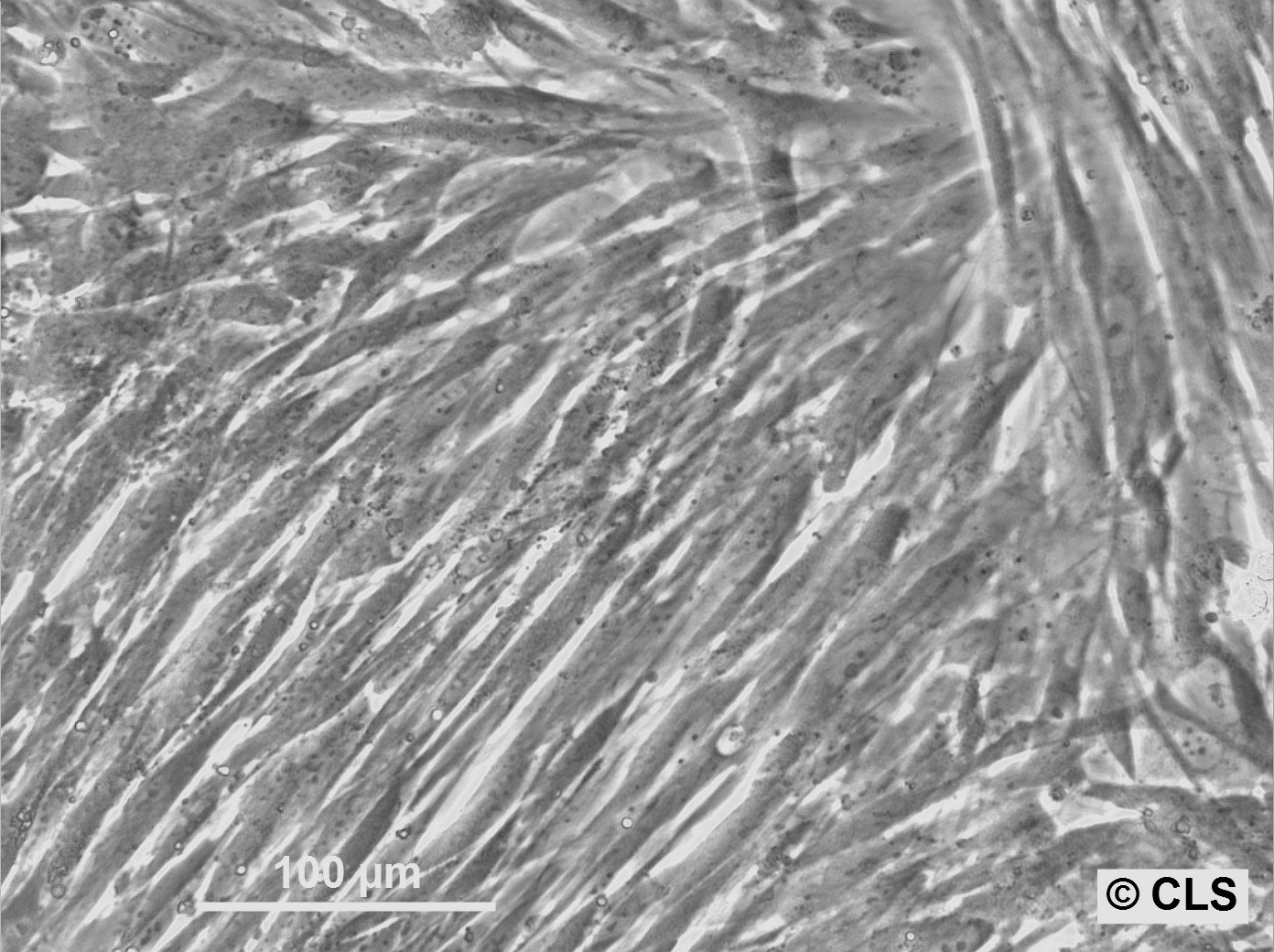
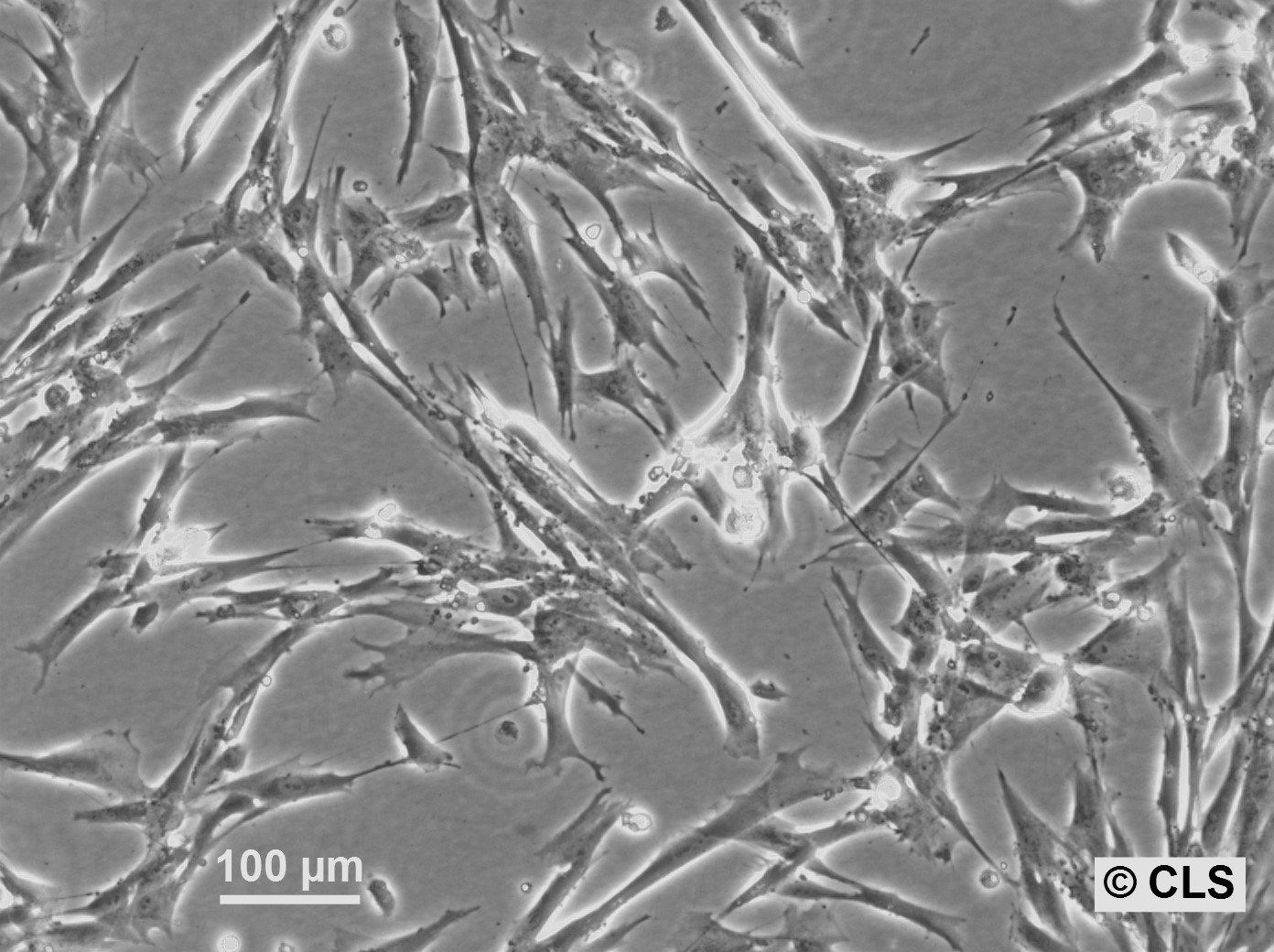
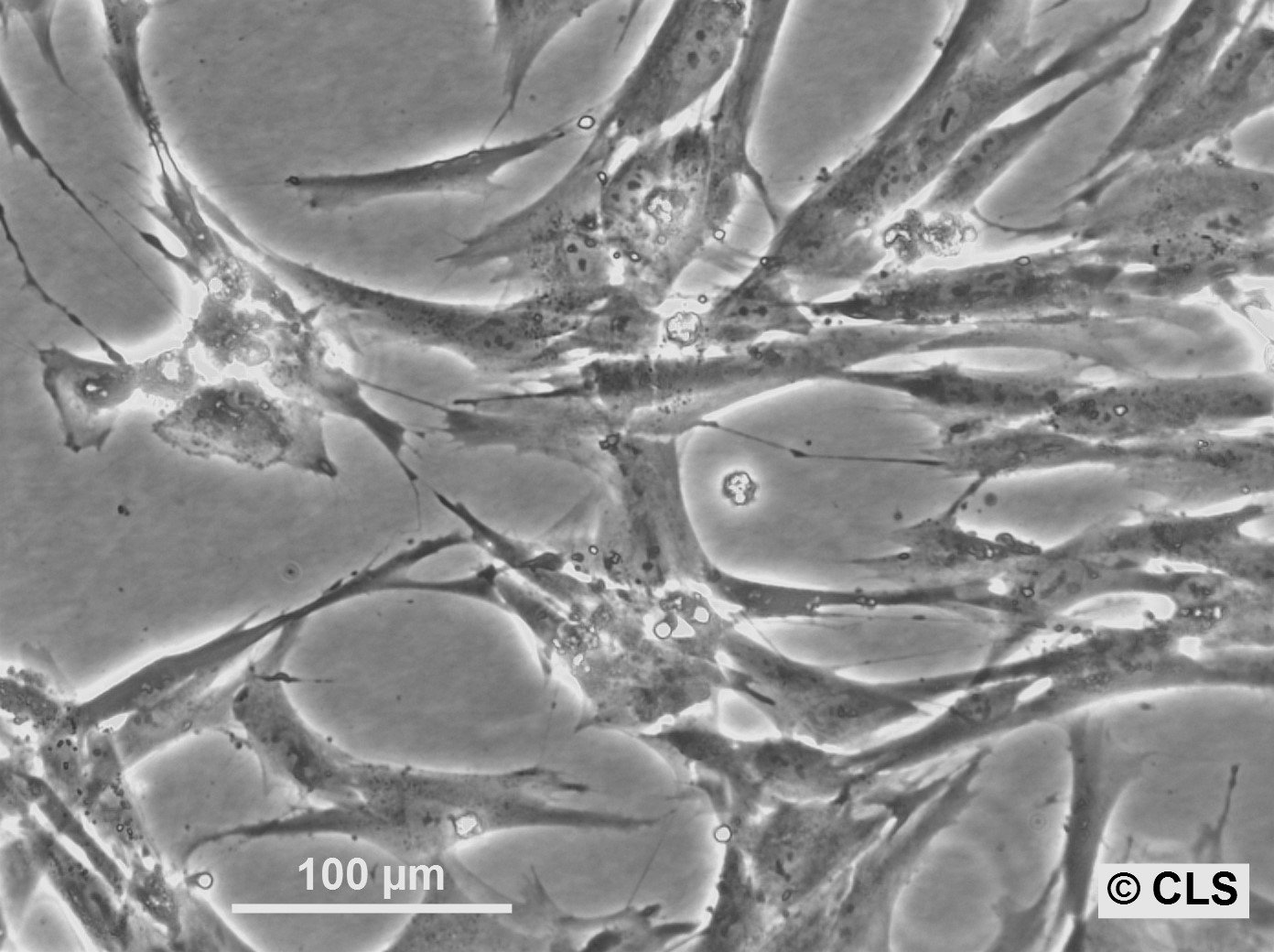
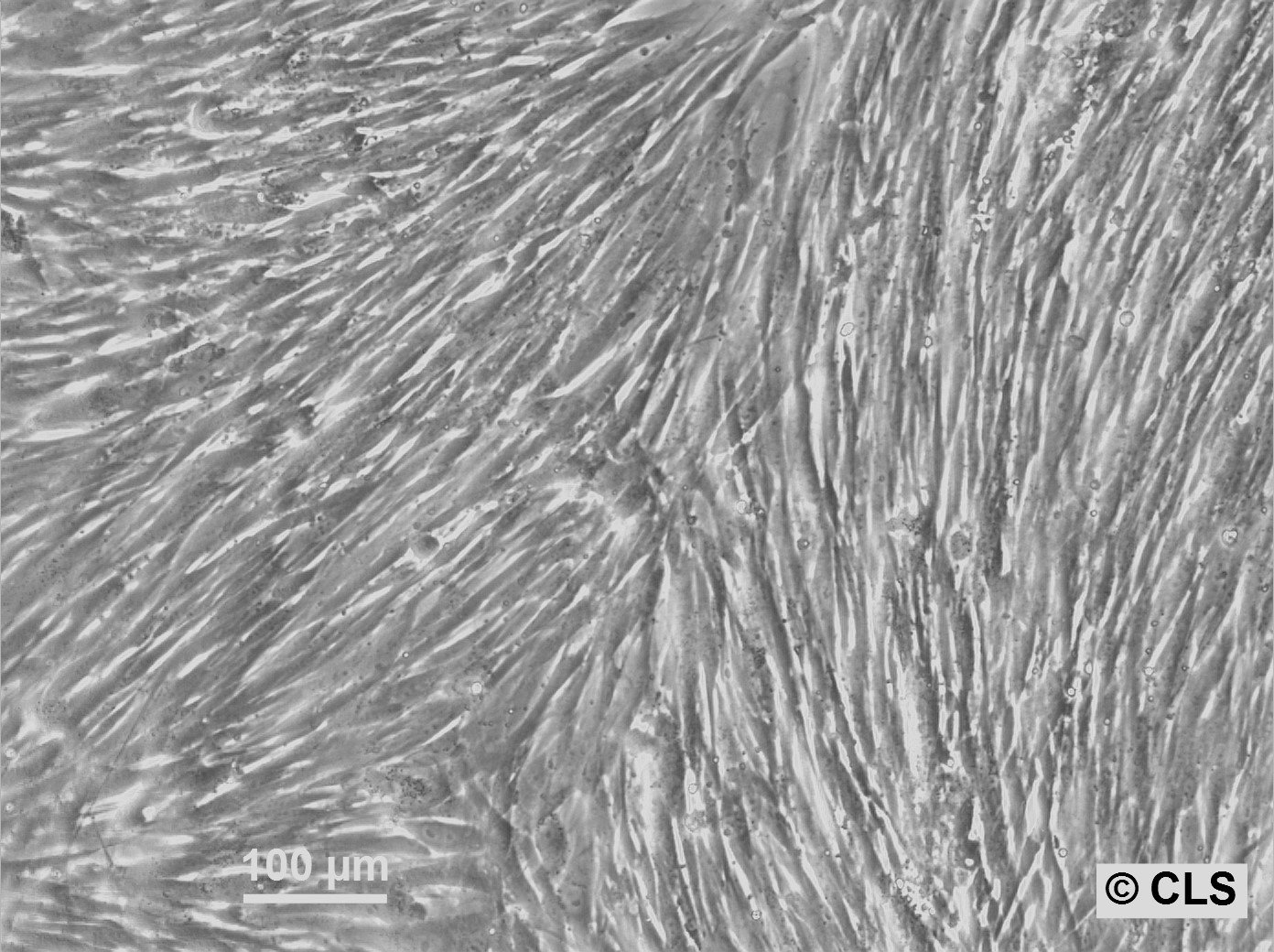
HEL-299 Cells
USD$395.00*
Products are shipped frozen on dry ice in cryotubes. Each cryotube typically contains 3 × 10⁶ cells for adherent lines or 5 × 10⁶ cells for suspension lines (refer to the batch CoA for details).
General information
| Description | HEL-299 is a human lung fibroblast cell line derived from an adult individual. This cell line is particularly noted for its finite capacity to propagate in culture, typically entering senescence after approximately ten passages. This characteristic makes HEL-299 a useful model for studying cellular aging and senescence, as well as the dynamics of cell growth and replication under controlled conditions. In addition to its applications in aging research, HEL-299 also serves as a model for studying signal transduction pathways. Specifically, it has been observed that the expression of the M2 muscarinic receptor in these cells is downregulated following stimulation with protein kinase C. This response highlights the cell line's utility in pharmacological research and in the investigation of mechanisms underlying receptor-mediated signaling and regulation. The alteration in receptor expression following kinase activity can provide insights into cellular responses to external stimuli, potentially aiding in the development of therapeutic strategies targeting similar pathways in various diseases. |
|---|---|
| Organism | Human |
| Tissue | Lung |
| Synonyms | HEL 299, Hel-299, Hel 299, HEL299 |
Characteristics
| Age | Fetus |
|---|---|
| Gender | Male |
| Ethnicity | African |
| Growth properties | Adherent |
Regulatory Data
| Citation | HEL-299 (Cytion catalog number 300193) |
|---|---|
| Biosafety level | 1 |
| NCBI_TaxID | 9606 |
| CellosaurusAccession | CVCL_2480 |
Biomolecular Data
| Receptors expressed | M2 muscarinic receptor |
|---|---|
| Protein expression | P53 negative |
| Isoenzymes | G6PD, A |
| Virus susceptibility | Vesicular stomatitis (Indiana), poliovirus 1 |
| Reverse transcriptase | Negative |
| Karyotype | Normal human male, diploid, stable |
Handling
| Culture Medium | Ham's F12, w: 1.0 mM stable Glutamine, w: 1.0 mM Sodium pyruvate, w: 1.1 g/L NaHCO3 (Cytion article number 820600a) |
|---|---|
| Supplements | Supplement the medium with 10% FBS, 1 ng/mL bFGF |
| Dissociation Reagent | Accutase |
| Subculturing | Remove the old medium from the adherent cells and wash them with PBS that lacks calcium and magnesium. For T25 flasks, use 3-5 ml of PBS, and for T75 flasks, use 5-10 ml. Then, cover the cells completely with Accutase, using 1-2 ml for T25 flasks and 2.5 ml for T75 flasks. Let the cells incubate at room temperature for 8-10 minutes to detach them. After incubation, gently mix the cells with 10 ml of medium to resuspend them, then centrifuge at 300xg for 3 minutes. Discard the supernatant, resuspend the cells in fresh medium, and transfer them into new flasks that already contain fresh medium. |
| Seeding density | 1 x 10⁴ cells/cm2 |
| Post-Thaw Recovery | After thawing, plate the cells at 5 x 10⁴ cells/cm2 and allow the cells to recover from the freezing process and to adhere for at least 24 hours. |
| Freeze medium | As a cryopreservation medium, we use complete growth medium (including FBS) + 10% DMSO for adequate post-thaw viability, or CM-1 (Cytion catalog number 800100), which includes optimized osmoprotectants and metabolic stabilizers to enhance recovery and reduce cryo-induced stress. |
| Thawing and Culturing Cells |
|
| Incubation Atmosphere | 37°C, 5% CO2, humidified atmosphere. |
| Shipping Conditions | Cryopreserved cell lines are shipped on dry ice in validated, insulated packaging with sufficient refrigerant to maintain approximately −78 °C throughout transit. On receipt, inspect the container immediately and transfer vials without delay to appropriate storage. |
| Storage Conditions | For long-term preservation, place vials in vapor-phase liquid nitrogen at about −150 to −196 °C. Storage at −80 °C is acceptable only as a short interim step before transfer to liquid nitrogen. |
Quality Control & Molecular Analysis
| Sterility | Mycoplasma contamination is excluded using both PCR-based assays and luminescence-based mycoplasma detection methods. To ensure there is no bacterial, fungal, or yeast contamination, cell cultures are subjected to daily visual inspections. |
|---|
Certificate of Analysis (CoA)
| Lot Number | Certificate Type | Date | Catalog Number |
|---|---|---|---|
| 300193-180822 | Certificate of Analysis | 22. Oct. 2025 | 300193 |
| 300193-130922 | Certificate of Analysis | 23. May. 2025 | 300193 |