
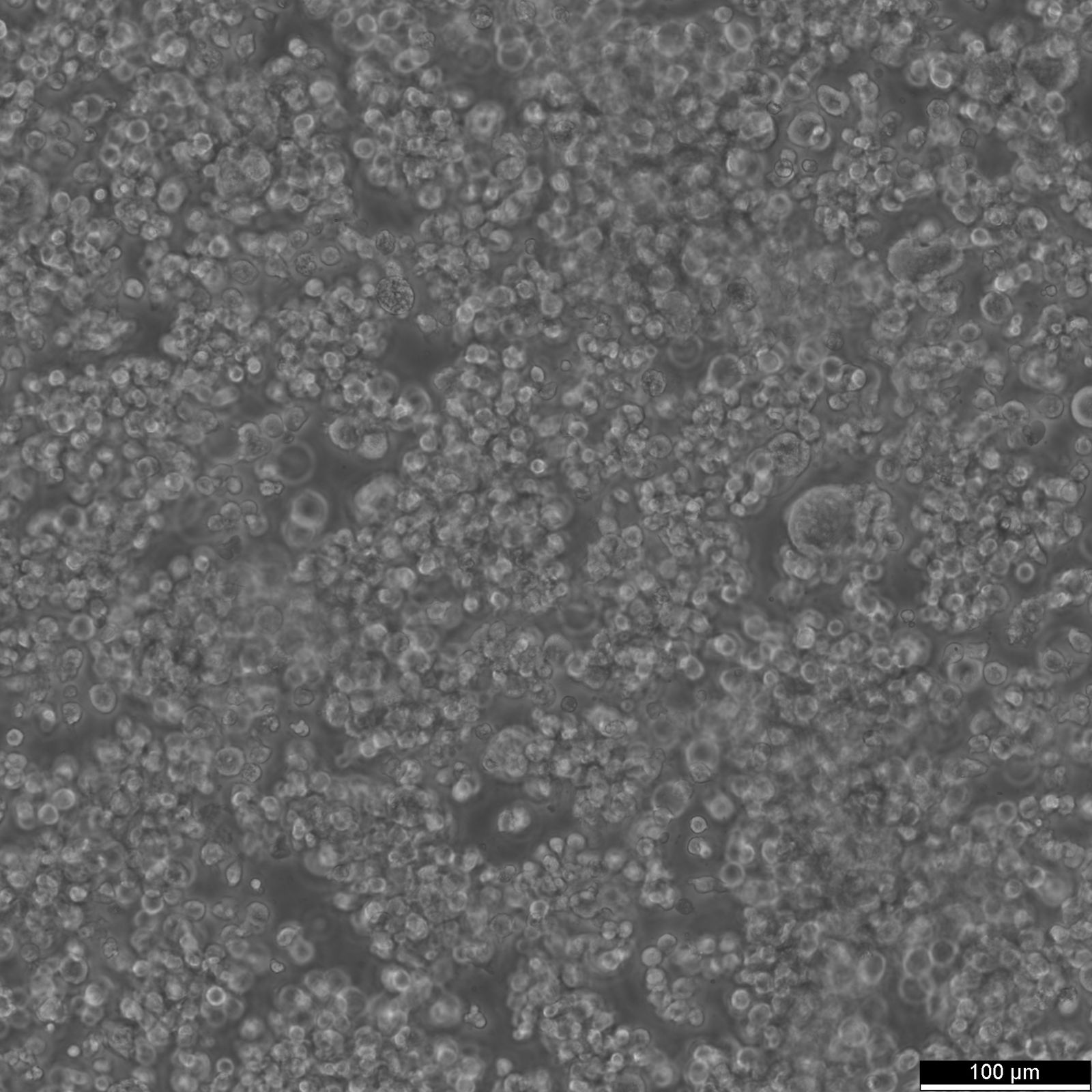
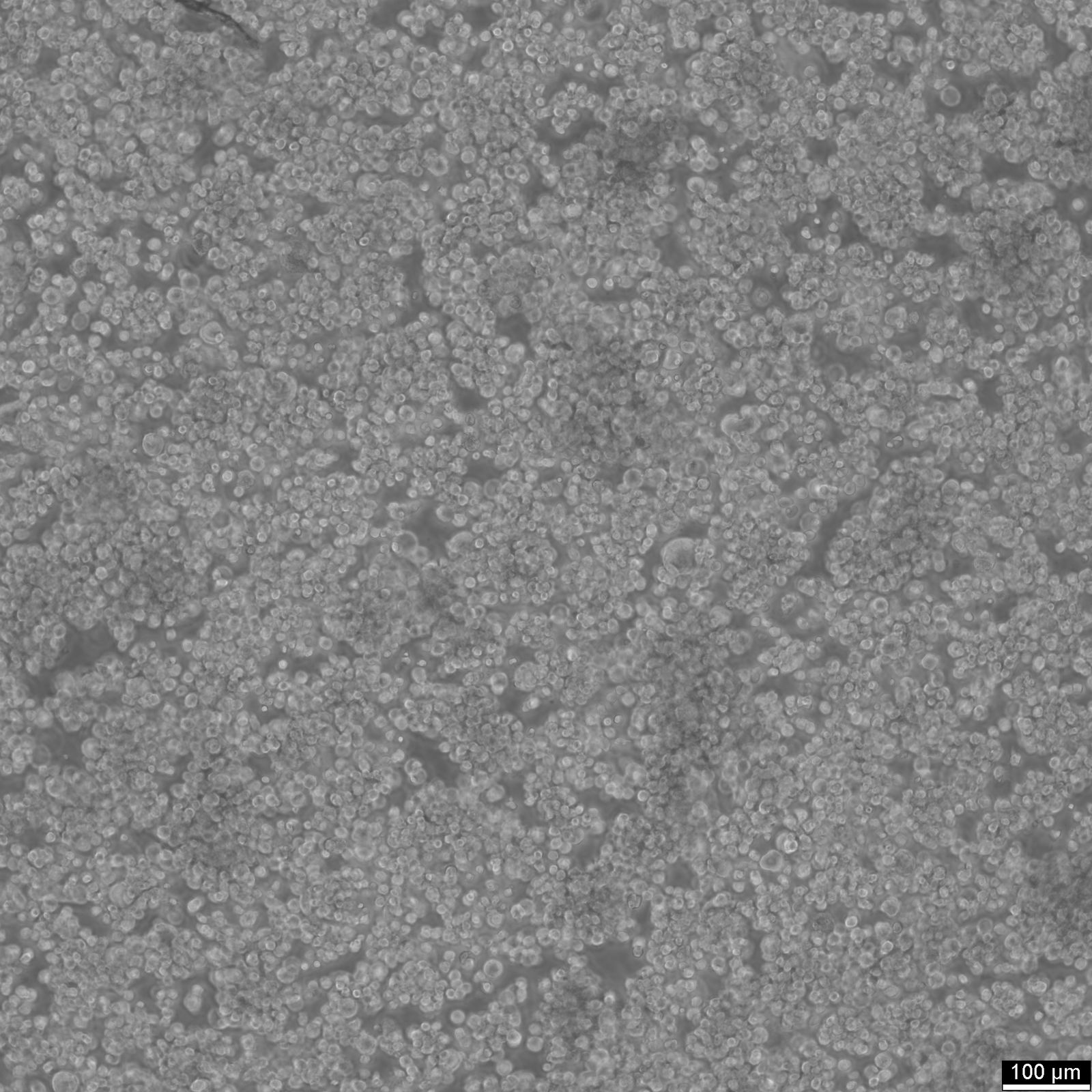
GH3 Cells
USD$395.00*
Products are shipped frozen on dry ice in cryotubes. Each cryotube typically contains 3 × 10⁶ cells for adherent lines or 5 × 10⁶ cells for suspension lines (refer to the batch CoA for details).
General information
| Description | The GH3 cell line, originating from a rat pituitary tumor, is a critical resource in the study of pituitary functions, particularly regarding the secretion of prolactin and growth hormone. These cells possess characteristics of both somatotropic and lactotropic cells, enabling detailed investigations into pituitary hormones and their regulatory mechanisms. The cell line is extensively utilized to understand the effects of hormonal treatments and genetic modifications on the secretion of these hormones. GH3 cells respond significantly to thyroid-stimulating hormones, making them a valuable model for assays that measure the impact of various compounds on pituitary gland activities. Research employing GH3 cells often delves into how these cells react to different hormonal stimuli. For example, hydrocortisone is known to promote growth hormone production while inhibiting prolactin output in these cells, making GH3 a preferred model for exploring hormonal balance and the endocrine system’s response to stress and other physiological factors. Such studies are pivotal in advancing our understanding of pituitary gland disorders and crafting therapies for conditions like growth deficiencies and hyperprolactinemia. Moreover, GH3 cells are instrumental in pharmacological testing and biotechnological applications aimed at developing treatments for pituitary-related disorders. Their ability to produce more growth hormone compared to GH1 cells, along with prolactin, allows researchers to examine the regulation and effects of these hormones under various conditions. This unique profile is essential for understanding the complex interactions within the endocrine system and for the development of targeted therapeutic interventions. |
|---|---|
| Organism | Rat |
| Tissue | Brain, Pituitary gland |
| Disease | Neoplasm |
| Synonyms | GH 3 |
Characteristics
| Breed/Subspecies | Wistar Furth |
|---|---|
| Age | 7 months |
| Gender | Female |
| Morphology | Epithelial-like |
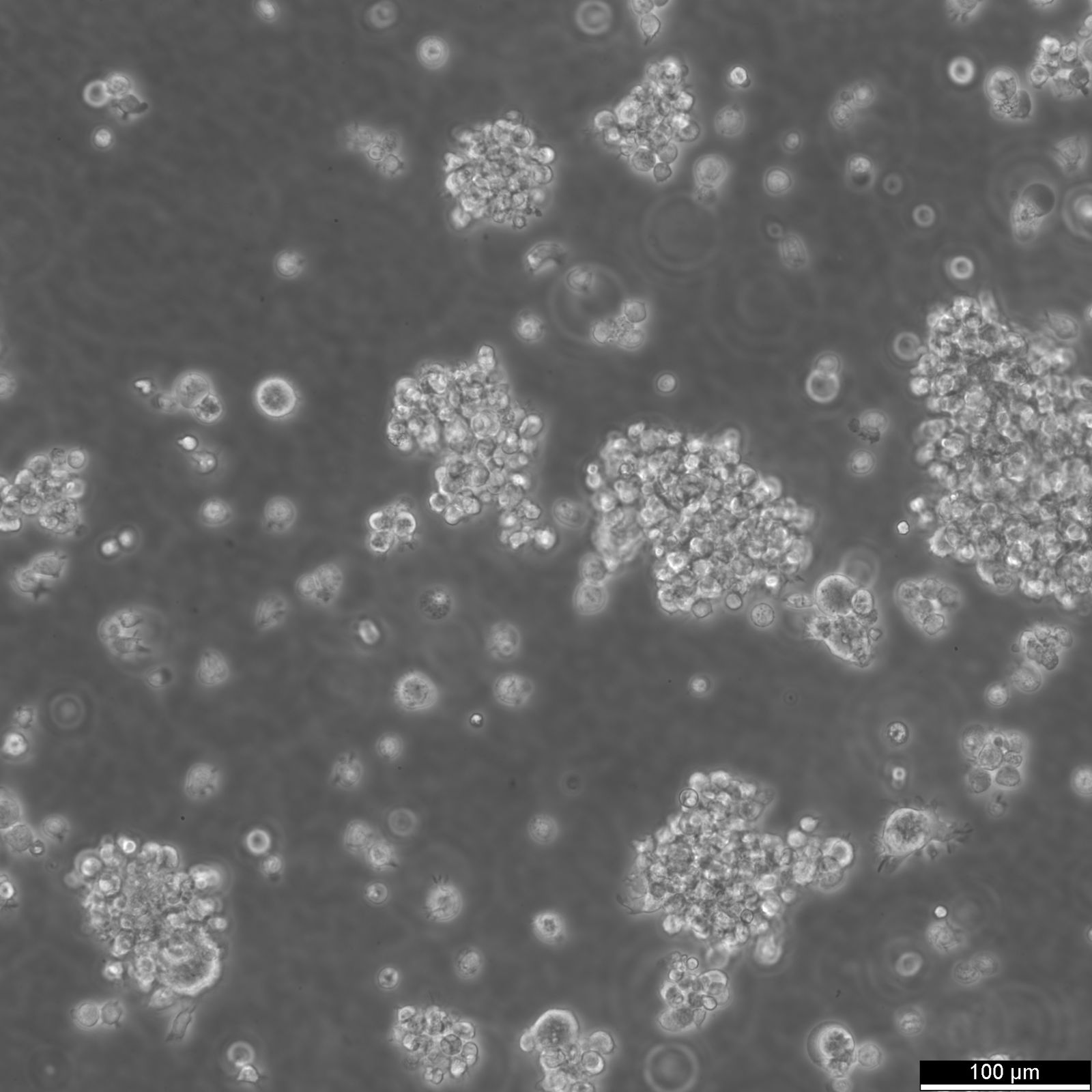
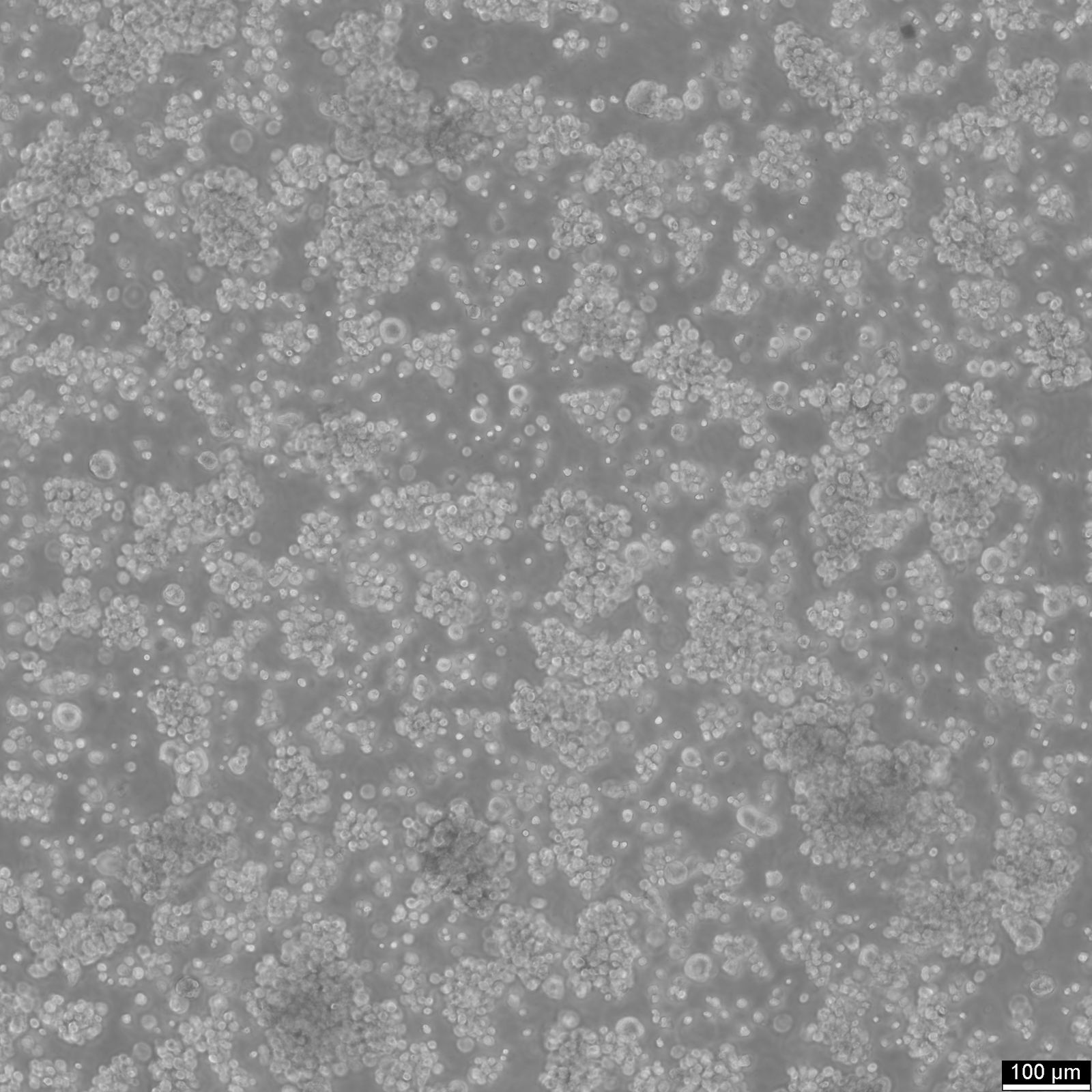
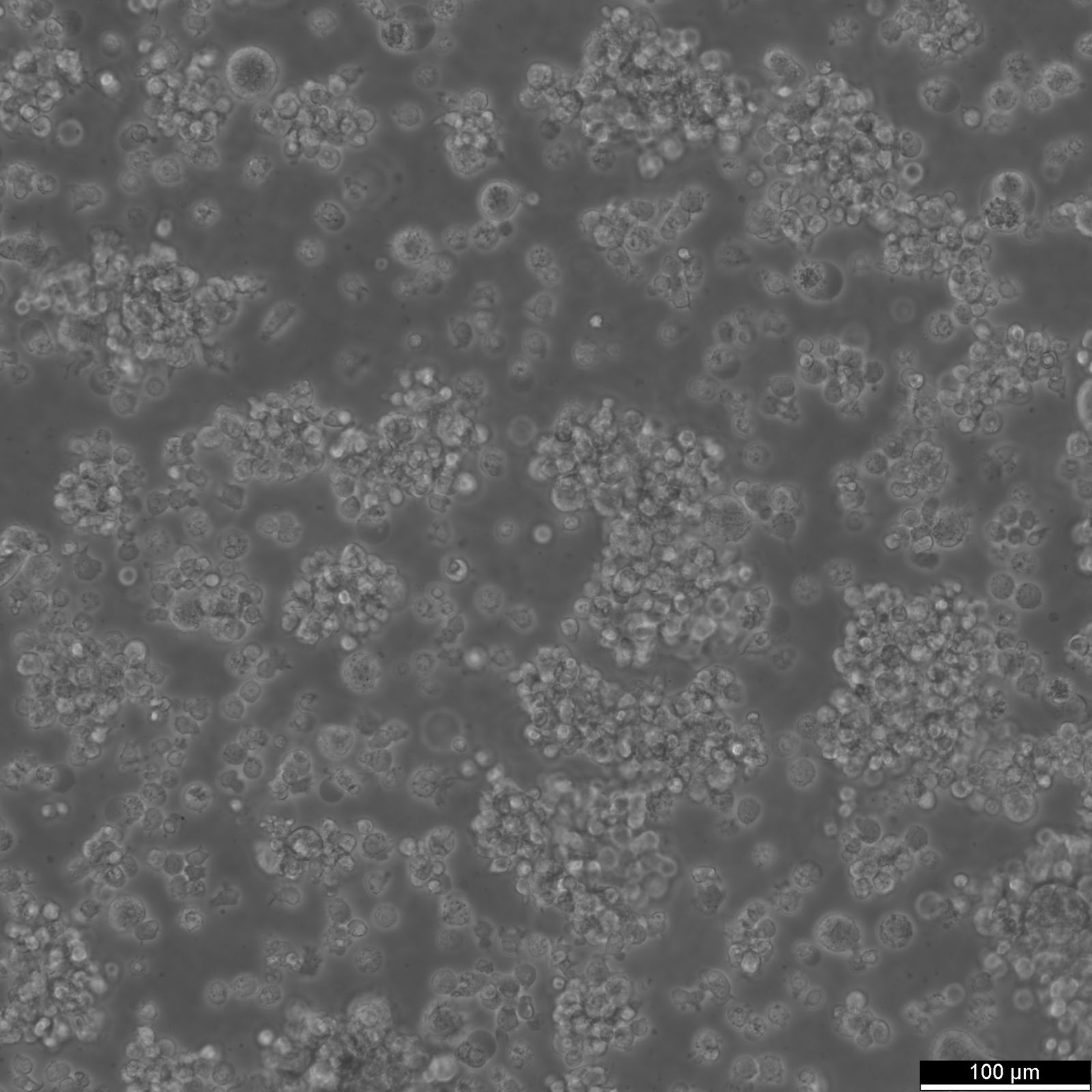
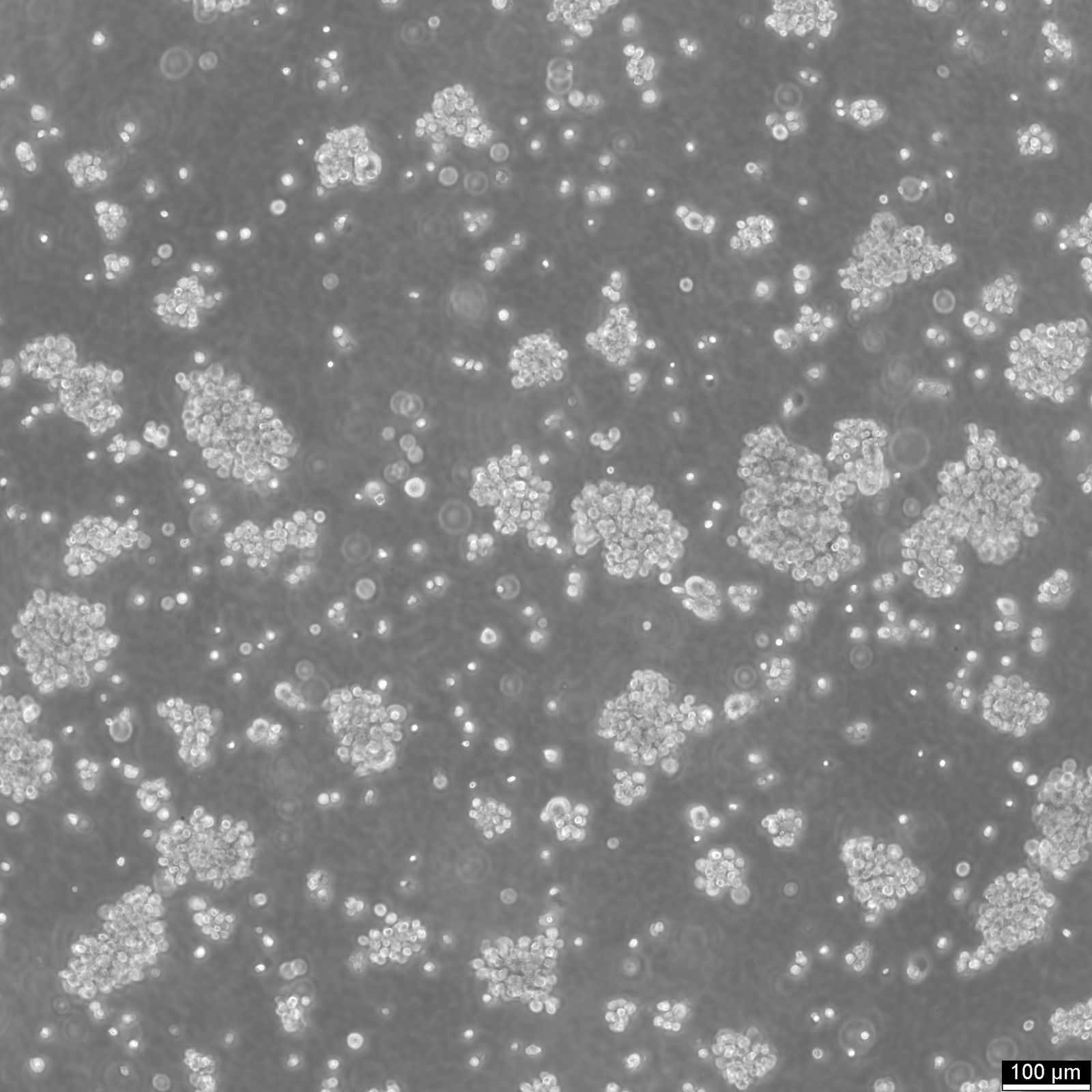
| Growth properties | Adherent, clusters in suspension |
Regulatory Data
| Citation | GH3 (Cytion catalog number 300383) |
|---|---|
| Biosafety level | 1 |
| NCBI_TaxID | 10116 |
| CellosaurusAccession | CVCL_0273 |
Biomolecular Data
| Products | Growth hormone, prolactin |
|---|
Handling
| Culture Medium | Ham's F12K Medium, w: 2.0 mM L-Glutamine, w: 2.0 mM Sodium pyruvate, w: 2.5 g/L NaHCO3 (Cytion article number 820608a) |
|---|---|
| Supplements | Supplement the medium with 15% horse serum, 2.5% heat-inactivated FBS |
| Dissociation Reagent | Accutase |
| Subculturing | Gather the suspension cells in a 15 ml tube and gently wash the adherent cells with PBS lacking calcium and magnesium (use 3-5 ml for T25 flasks and 5-10 ml for T75 flasks). Apply Accutase (1-2 ml for T25 flasks, 2.5 ml for T75 flasks) ensuring full coverage of the cell layer. Allow the cells to incubate at room temperature for 10 minutes. Following incubation, combine and centrifuge both the suspension and adherent cells. After centrifugation, carefully resuspend the cell pellet and transfer the cell suspension into new flasks containing fresh medium. |
| Freeze medium | As a cryopreservation medium, we use complete growth medium (including FBS) + 10% DMSO for adequate post-thaw viability, or CM-1 (Cytion catalog number 800100), which includes optimized osmoprotectants and metabolic stabilizers to enhance recovery and reduce cryo-induced stress. |
| Thawing and Culturing Cells |
|
| Incubation Atmosphere | 37°C, 5% CO2, humidified atmosphere. |
| Shipping Conditions | Cryopreserved cell lines are shipped on dry ice in validated, insulated packaging with sufficient refrigerant to maintain approximately −78 °C throughout transit. On receipt, inspect the container immediately and transfer vials without delay to appropriate storage. |
| Storage Conditions | For long-term preservation, place vials in vapor-phase liquid nitrogen at about −150 to −196 °C. Storage at −80 °C is acceptable only as a short interim step before transfer to liquid nitrogen. |
Quality Control & Molecular Analysis
| Sterility | Mycoplasma contamination is excluded using both PCR-based assays and luminescence-based mycoplasma detection methods. To ensure there is no bacterial, fungal, or yeast contamination, cell cultures are subjected to daily visual inspections. |
|---|
Certificate of Analysis (CoA)
| Lot Number | Certificate Type | Date | Catalog Number |
|---|---|---|---|
| 300383-200223 | Certificate of Analysis | 26. May. 2025 | 300383 |
| 300383-200223SF | Certificate of Analysis | 23. May. 2025 | 300383 |
| 300383-180225 | Certificate of Analysis | 21. Jul. 2025 | 300383 |