
D283Med Cells
USD$395.00*
Products are shipped frozen on dry ice in cryotubes. Each cryotube typically contains 3 × 10⁶ cells for adherent lines or 5 × 10⁶ cells for suspension lines (refer to the batch CoA for details).
General information
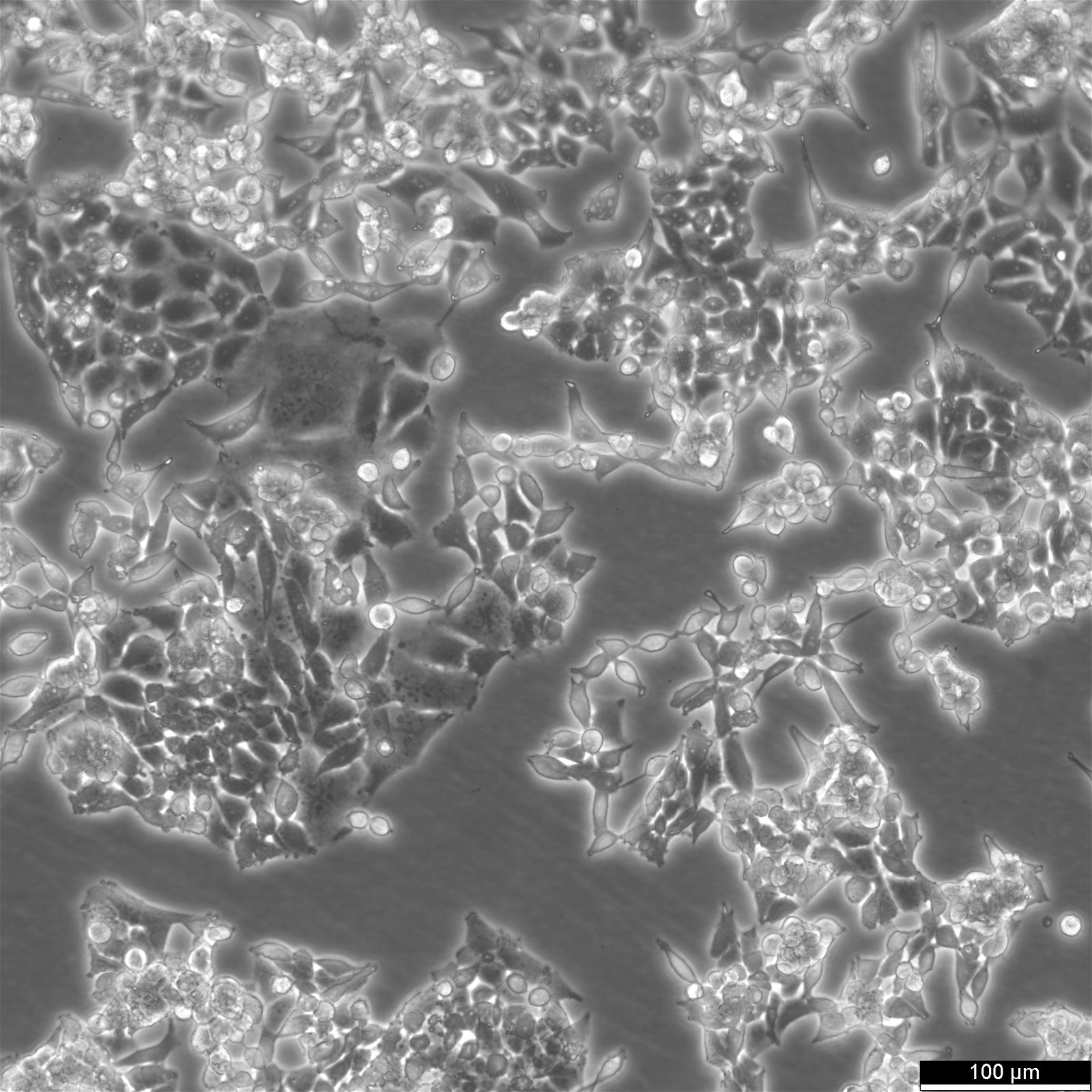
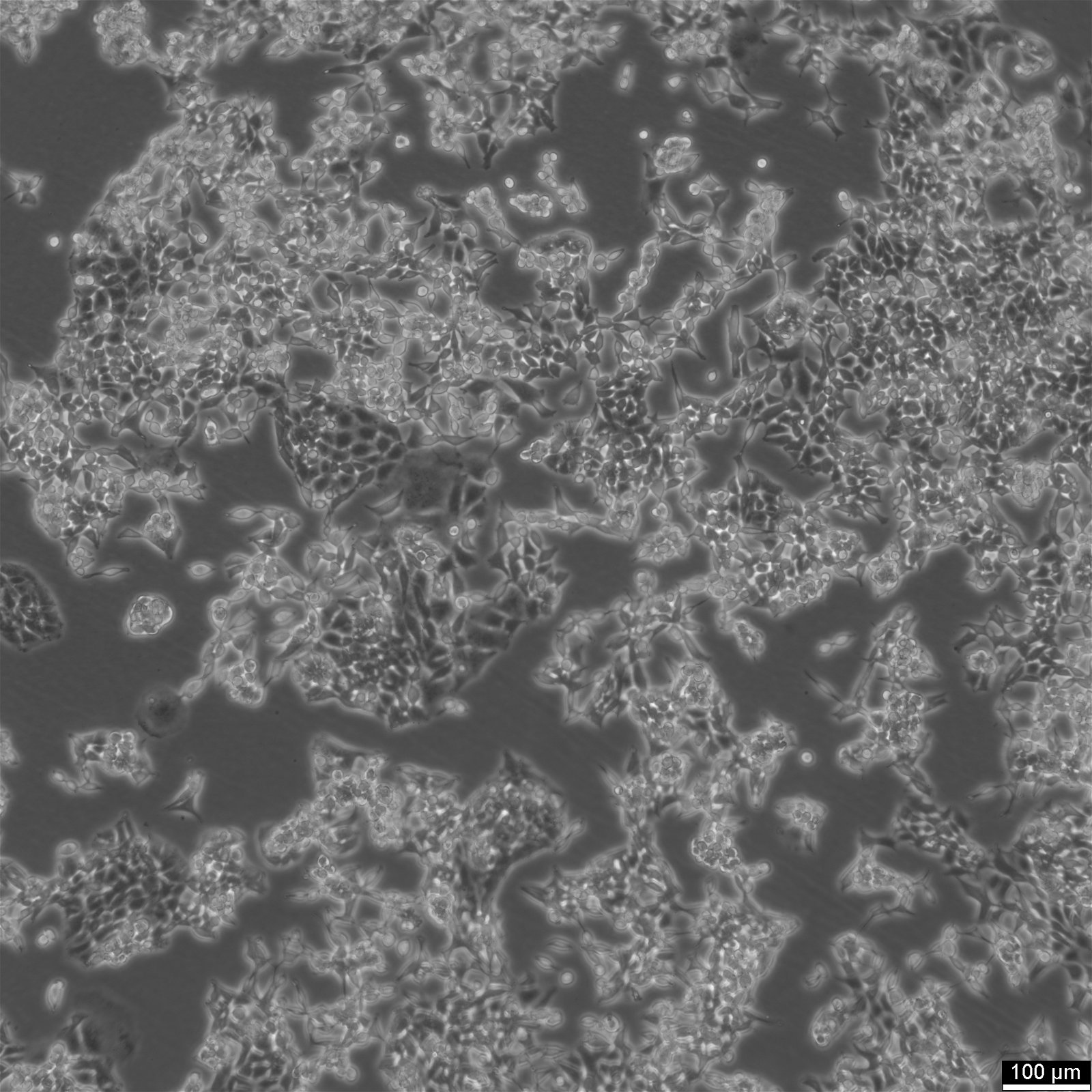
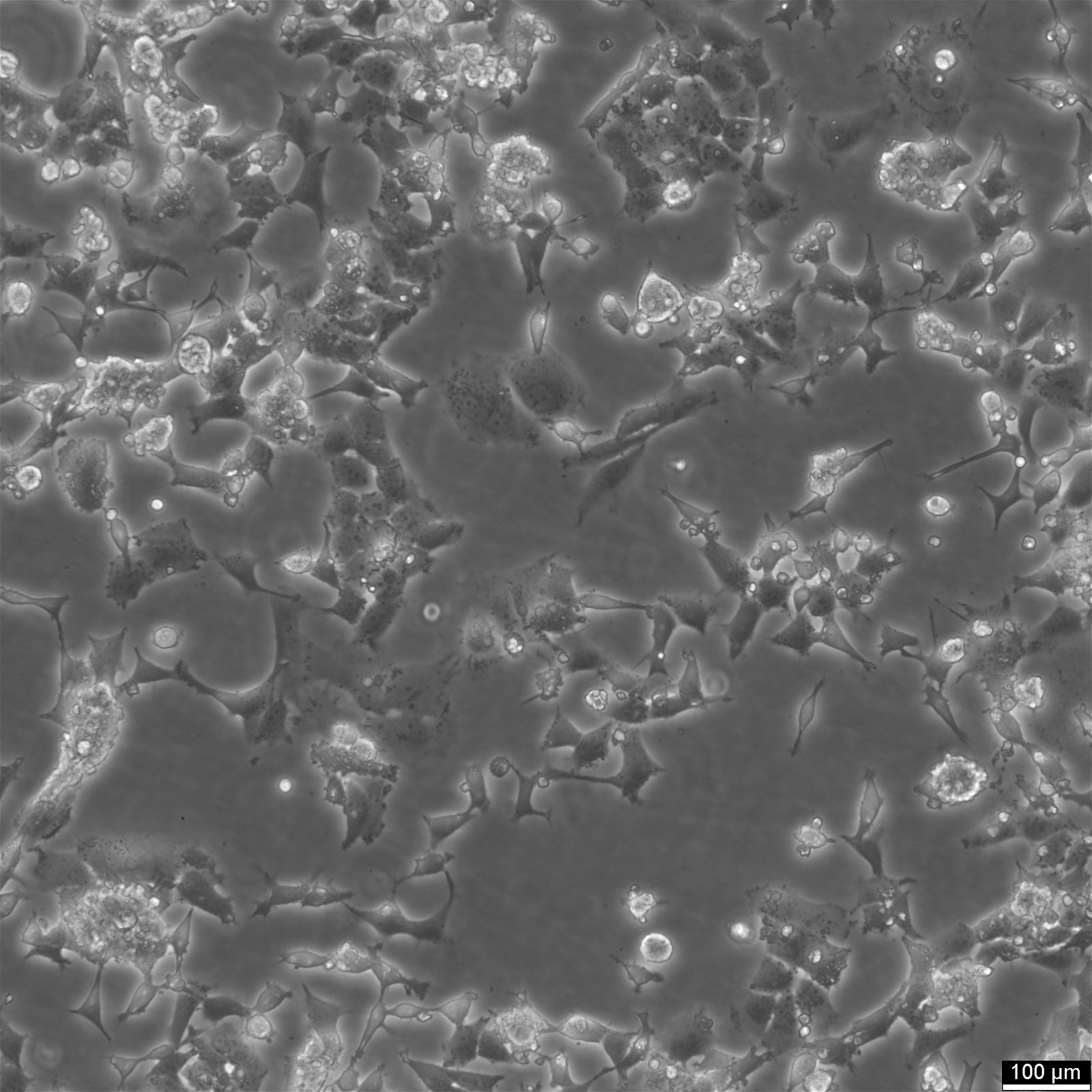
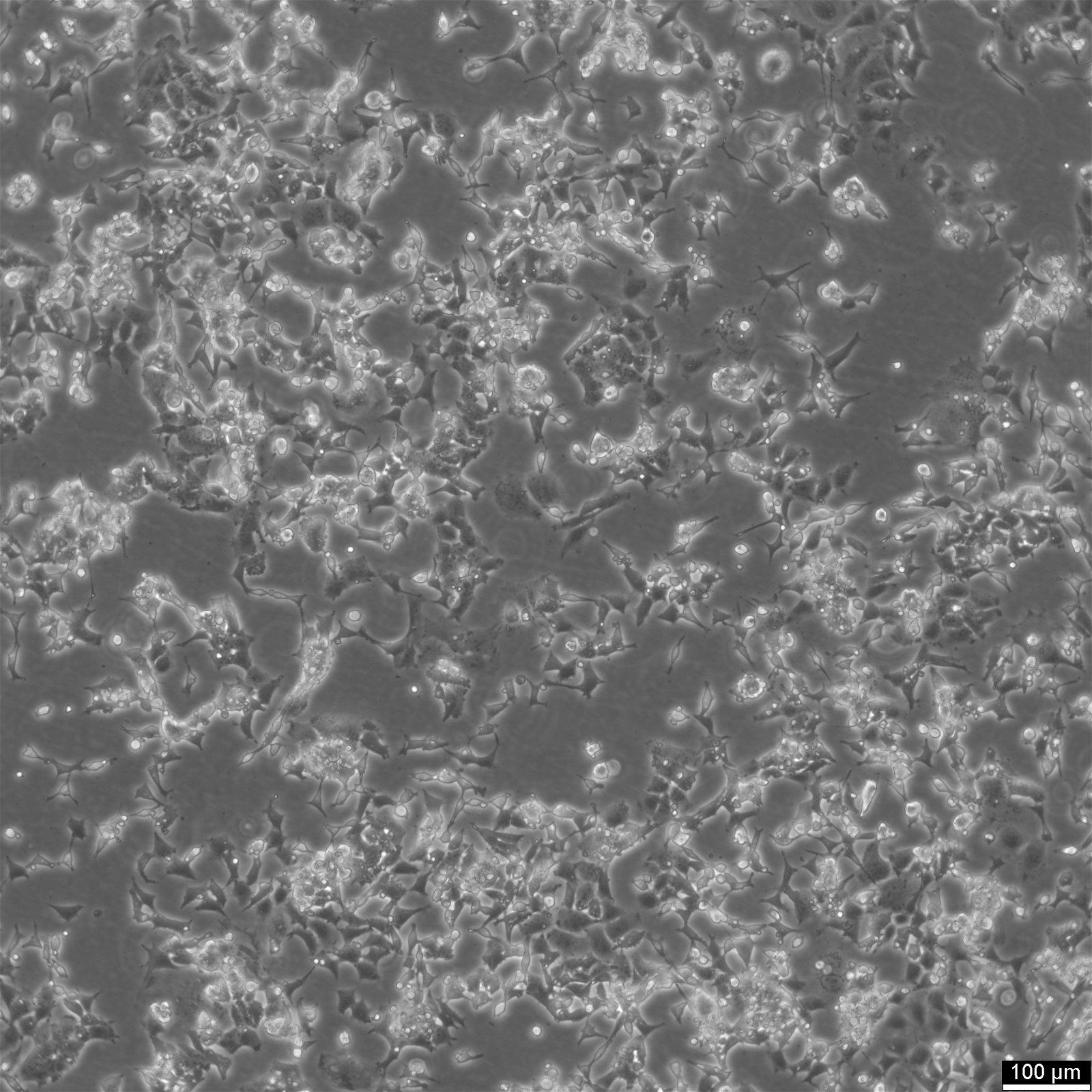
| Description | The D283Med cell line is a human medulloblastoma cell line that was derived from the cerebellum of a 6-year-old male. Medulloblastoma is a type of primitive neuroectodermal tumor that primarily affects children and is located in the cerebellum, the part of the brain responsible for motor control and coordination. D283Med cells are widely used in oncological research, particularly in studies focused on the biology and pharmacology of medulloblastomas. This cell line exhibits an adherent growth pattern and has been used extensively to explore the molecular pathways involved in medulloblastoma pathogenesis, such as the Sonic Hedgehog (SHH) and WNT signaling pathways, which are known to play significant roles in the development and progression of these tumors. Researchers utilize the D283Med line to assess therapeutic efficacy and resistance, study gene expression profiles, and explore novel therapeutic targets. The line's robust growth and typical medulloblastoma genetic features make it a valuable model for preclinical studies aimed at understanding tumor biology and testing anticancer drugs. Furthermore, D283Med cells are utilized in genetic studies to understand the impact of mutations and to assess mechanisms of metastasis and recurrence in medulloblastoma. They provide a crucial tool for the investigation of oncogenic processes at the cellular level, thereby contributing significantly to the development of targeted therapies for this aggressive pediatric brain tumor. |
|---|---|
| Organism | Human |
| Tissue | Brain |
| Disease | Medulloblastoma |
| Applications | 3D cell culture, Neuroscience |
| Synonyms | D283 Med, D283 MED, D283-MED, D283_Med, D-283 Med, D-283MED, D283MED, D283-Med, D-283, D283, Med 283, H283 |
Characteristics
| Age | 6 years |
|---|---|
| Gender | Male |
| Ethnicity | European |
| Morphology | Epithelial |
| Growth properties | Clusters in Suspension/Adherent |
Regulatory Data
| Citation | D283Med (Cytion catalog number 300330) |
|---|---|
| Biosafety level | 1 |
| NCBI_TaxID | 9606 |
| CellosaurusAccession | CVCL_1155 |
Biomolecular Data
| Protein expression | Glutamine synthetase positive, neuron specific enolase positive, glial fibrillary acidic proteins negative, S100 (S-100) protein negative |
|---|---|
| Isoenzymes | AK-1, 1, ES-D, 1, G6PD, B, GLO-I, 2, Me-2, 0, PGM1, 1, PGM3, 1 |
| Tumorigenic | Yes, in nude mice |
| Karyotype | The karyotype is 45, xY, -7, -8, -17, -20, der(20)t(1,20)(q12,q13), 8q+, 17p+ (range = 41 to 46). This is a hypodiploid cell line with a frequency of higher ploidies of 5.4%. Three marker chromosomes are present in all cells. They are: der(20)t(1,20)(q12,q13), 8q+ and 17p+. N7, N17 and N20 have single copies. The single x is structurally normal, and the Y chromosome is present as confirmed by fluorescence microscopy. |
Handling
| Culture Medium | EMEM (MEM Eagle), w: 2 mM L-Glutamine, w: 2.2 g/L NaHCO3, w: EBSS (Cytion article number 820100a) |
|---|---|
| Supplements | Supplement the medium with 10% FBS and 1% NEAA |
| Subculturing | Collect suspension cells in a 15 ml tube and carefully rinse the adherent cells using PBS without calcium and magnesium (3-5 ml PBS for T25, 5-10ml for T75 cell culture flasks). Add Accutase (1-2ml per T25, 2.5ml per T75 cell culture flask), the cell sheet must be covered completely. Incubate at ambient temperature for 10 minutes, then centrifuge the cells growing in suspension and the adherent cells together. Carefully resuspend the cells and dispense into new flasks which contain fresh medium. |
| Freeze medium | As a cryopreservation medium, we use complete growth medium (including FBS) + 10% DMSO for adequate post-thaw viability, or CM-1 (Cytion catalog number 800100), which includes optimized osmoprotectants and metabolic stabilizers to enhance recovery and reduce cryo-induced stress. |
| Thawing and Culturing Cells |
|
| Incubation Atmosphere | 37°C, 5% CO2, humidified atmosphere. |
| Shipping Conditions | Cryopreserved cell lines are shipped on dry ice in validated, insulated packaging with sufficient refrigerant to maintain approximately −78 °C throughout transit. On receipt, inspect the container immediately and transfer vials without delay to appropriate storage. |
| Storage Conditions | For long-term preservation, place vials in vapor-phase liquid nitrogen at about −150 to −196 °C. Storage at −80 °C is acceptable only as a short interim step before transfer to liquid nitrogen. |
Quality Control & Molecular Analysis
| Sterility | Mycoplasma contamination is excluded using both PCR-based assays and luminescence-based mycoplasma detection methods. To ensure there is no bacterial, fungal, or yeast contamination, cell cultures are subjected to daily visual inspections. |
|---|
Certificate of Analysis (CoA)
| Lot Number | Certificate Type | Date | Catalog Number |
|---|---|---|---|
| 300330-270224 | Certificate of Analysis | 23. May. 2025 | 300330 |