
COS-7 Cells
USD$395.00*
Products are shipped frozen on dry ice in cryotubes. Each cryotube typically contains 3 × 10⁶ cells for adherent lines or 5 × 10⁶ cells for suspension lines (refer to the batch CoA for details).
COS-7 Cells: Advancing Recombinant Protein Expression and Viral Studies
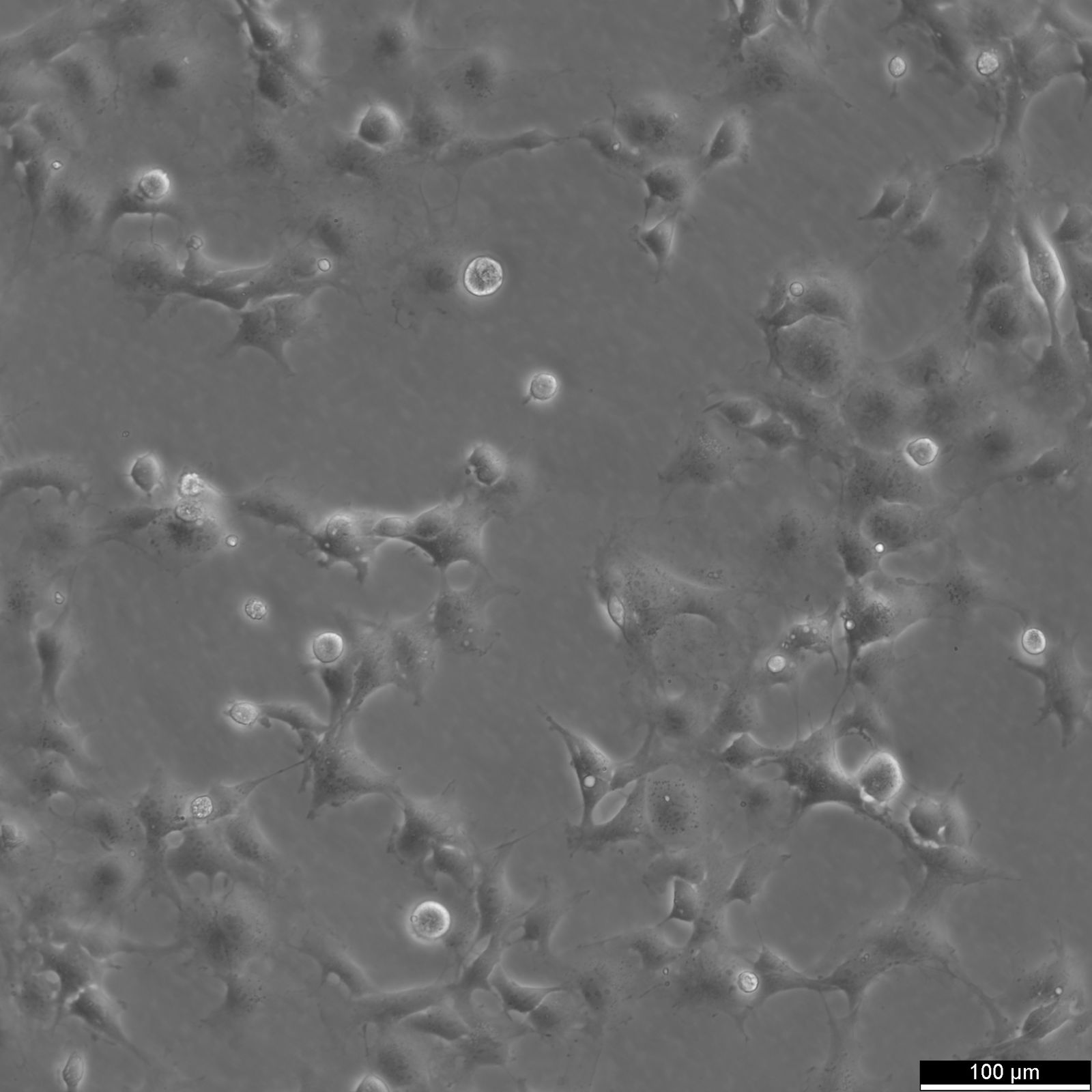
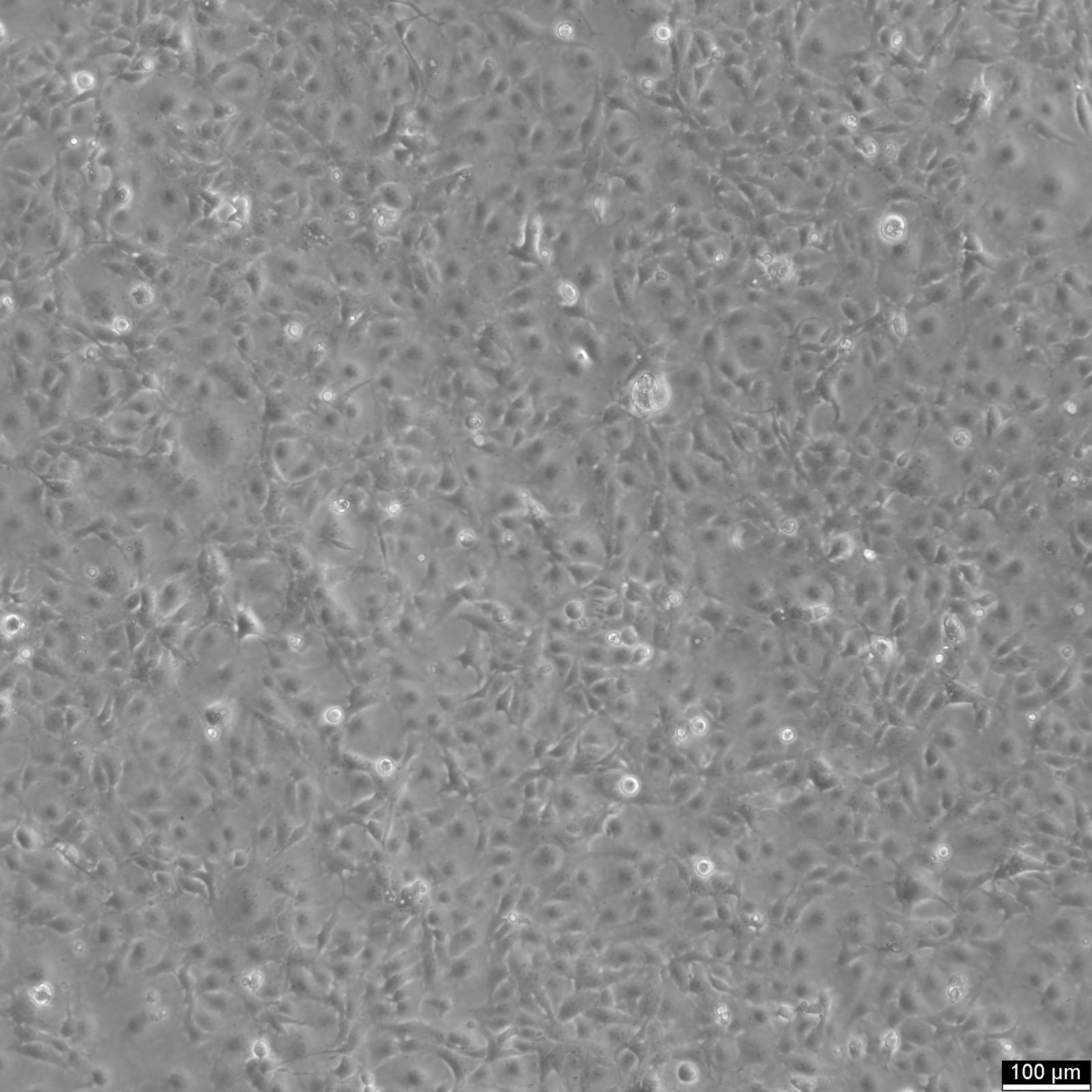
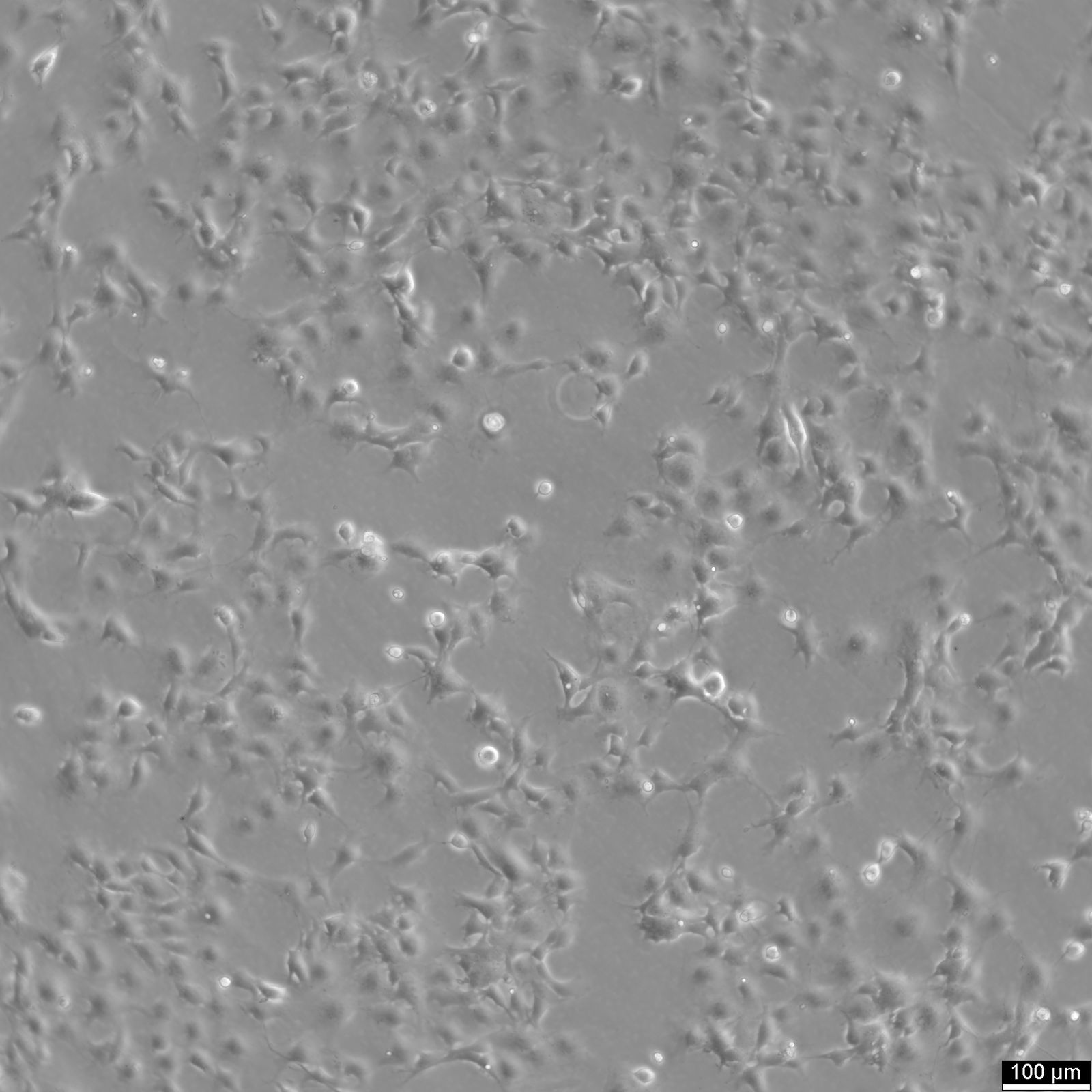
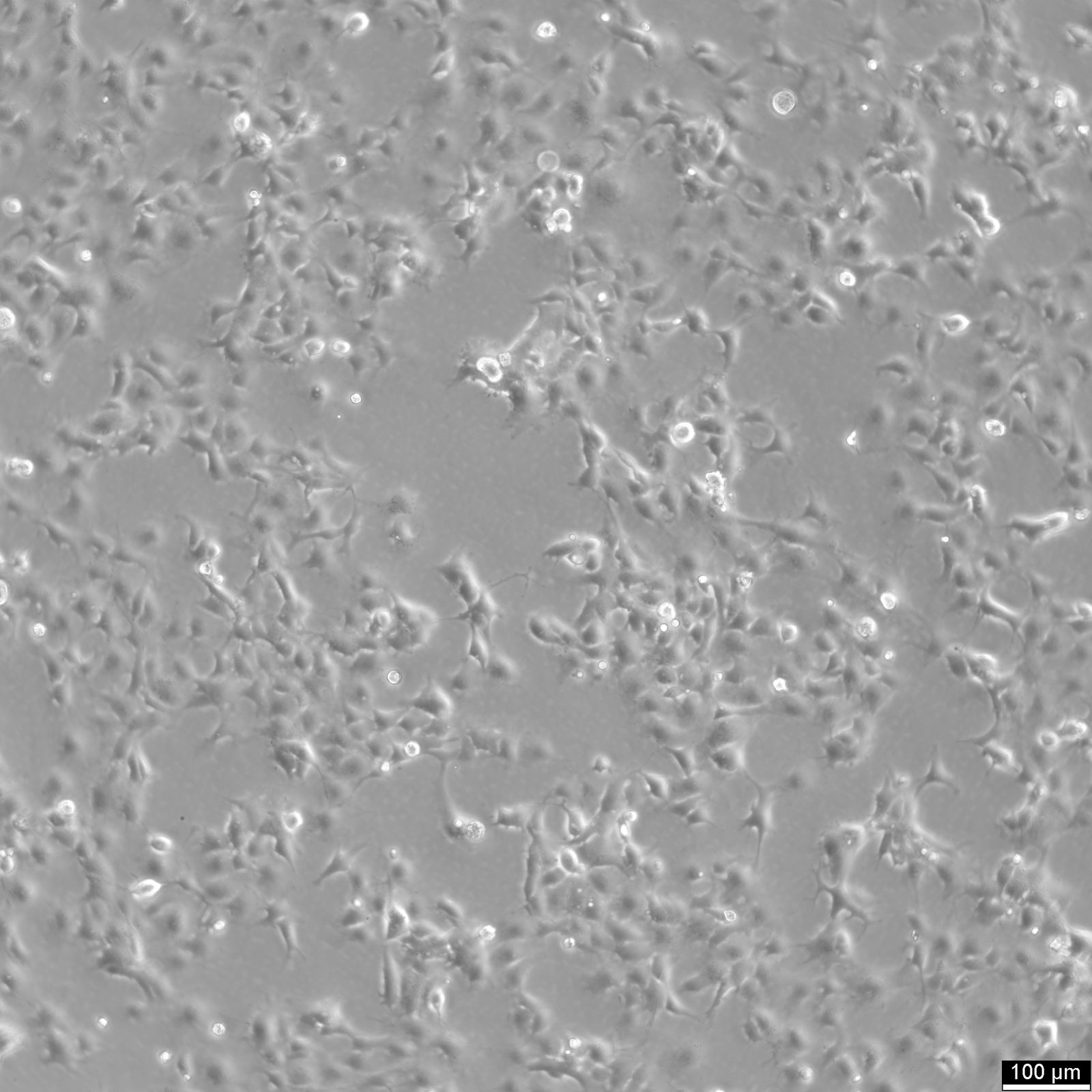
| Description | COS-7 cells are a fibroblast-like cell line derived from African green monkey kidney tissue and are a vital resource in research, particularly for their high transfection efficiency, making them a popular choice for the expression of recombinant proteins. COS-7 cells are derived from the CV-1 cell line and transformed with a mutant form of the simian virus 40 (SV40), which includes a replication origin that allows for episomal replication of transfected plasmids containing the SV40 origin of replication. Transfection of COS-7 cells is facilitated by transfection reagents such as Lipofectamine, with an efficiency that mirrors those observed in HeLa cells. Conventional methods can achieve up to 80% transfection efficiency in COS-7 cells, showcasing their ease of genetic manipulation. The ability of COS-7 cells to accommodate large plasmids and replicate them, leading to high yields of the desired recombinant proteins, make them an invaluable resource for various applications, including gene expression studies, signal transduction pathway investigations, and the production of proteins for biochemical analyses. COS-7 cells exhibit a strong susceptibility to various viruses, making them an excellent model for virology studies, including virus-host interaction investigations, viral life cycle elucidation, and antiviral drug testing. Their permissiveness to viral entry and replication is leveraged to study the mechanisms of viral infection, pathogenesis, and the cellular responses elicited by viral invaders. Consequently, COS-7 cells serve as a valuable tool in the development of viral vectors for gene therapy and vaccine research. COS-7 cells are a cornerstone in research due to their high transfection efficiency and utility in recombinant protein expression. Their ease of genetic manipulation, combined with susceptibility to viruses, makes them indispensable for studies in gene expression, signal transduction, virology, and the development of viral vectors, solidifying their role as a versatile tool in both basic and applied biological sciences. |
|---|---|
| Organism | Cercopithecus aethiops (Green monkey) |
| Tissue | Kidney |
| Applications | Transfection host. Suitable for transfection by vectors requiring expression of SV40 T antigen. |
| Synonyms | Cos-7, COS7, Cos7, CV-1 in Origin Simian-7 |
Specifications
| Age | Adult |
|---|---|
| Gender | Male |
| Morphology | Fibroblast-like |
| Cell type | Fibroblast |
| Growth properties | Monolayer, adherent |
Documentation about COS-7 kidney cells
| Citation | COS-7 (Cytion catalog number 605470) |
|---|---|
| Biosafety level | 1 |
| NCBI_TaxID | 9534 |
| CellosaurusAccession | CVCL_0224 |
| GMO Status | GMO-S1: This African green monkey kidney-derived cell line (COS-7) contains the replication-deficient SV40 mutant pSV6-2 introduced by transfection, supporting immortalization. The construct is integrated into CV-2-derived cells. This classification applies only within Germany and may differ elsewhere. |
Genetic makeup
| Virus susceptibility | SV40 (lytic growth), SV40 tsA209 at 40 degree Celsius, SV40 mutants with deletions in the early region |
|---|---|
| Products | T antigen |
Maintenance techniques
| Culture Medium | DMEM:Ham's F12 (1:1), w: 3.1 g/L Glucose, w: 2.5 mM L-Glutamine, w: 15 mM HEPES, w: 0.5 mM Sodium pyruvate, w: 1.2 g/L NaHCO3 (Cytion article number 820400a) |
|---|---|
| Supplements | Supplement the medium with 10% FBS |
| Dissociation Reagent | Accutase |
| Subculturing | Remove the old medium from the adherent cells and wash them with PBS that lacks calcium and magnesium. For T25 flasks, use 3-5 ml of PBS, and for T75 flasks, use 5-10 ml. Then, cover the cells completely with Accutase, using 1-2 ml for T25 flasks and 2.5 ml for T75 flasks. Let the cells incubate at room temperature for 8-10 minutes to detach them. After incubation, gently mix the cells with 10 ml of medium to resuspend them, then centrifuge at 300xg for 3 minutes. Discard the supernatant, resuspend the cells in fresh medium, and transfer them into new flasks that already contain fresh medium. |
| Seeding density | 1 x 10⁴ cells/cm2 will yield in a confluent layer in about 4 days |
| Fluid renewal | 2 to 3 times per week |
| Post-Thaw Recovery | After thawing, plate the cells at 5 x 10⁴ cells/cm2 and allow the cells to recover from the freezing process and to adhere for at least 24 hours. |
| Freeze medium | As a cryopreservation medium, we use complete growth medium (including FBS) + 10% DMSO for adequate post-thaw viability, or CM-1 (Cytion catalog number 800100), which includes optimized osmoprotectants and metabolic stabilizers to enhance recovery and reduce cryo-induced stress. |
| Thawing and Culturing Cells |
|
| Incubation Atmosphere | 37°C, 5% CO2, humidified atmosphere. |
| Shipping Conditions | Cryopreserved cell lines are shipped on dry ice in validated, insulated packaging with sufficient refrigerant to maintain approximately −78 °C throughout transit. On receipt, inspect the container immediately and transfer vials without delay to appropriate storage. |
| Storage Conditions | For long-term preservation, place vials in vapor-phase liquid nitrogen at about −150 to −196 °C. Storage at −80 °C is acceptable only as a short interim step before transfer to liquid nitrogen. |
Purity and identity checks
| Sterility | Mycoplasma contamination is excluded using both PCR-based assays and luminescence-based mycoplasma detection methods. To ensure there is no bacterial, fungal, or yeast contamination, cell cultures are subjected to daily visual inspections. |
|---|
Certificate of Analysis (CoA)
| Lot Number | Certificate Type | Date | Catalog Number |
|---|---|---|---|
| 605470-250723 | Certificate of Analysis | 22. Jan. 2026 | 605470 |