
Ba/F3 Cells
USD$395.00*
Products are shipped frozen on dry ice in cryotubes. Each cryotube typically contains 3 × 10⁶ cells for adherent lines or 5 × 10⁶ cells for suspension lines (refer to the batch CoA for details).
Key points about Ba/F3 cells
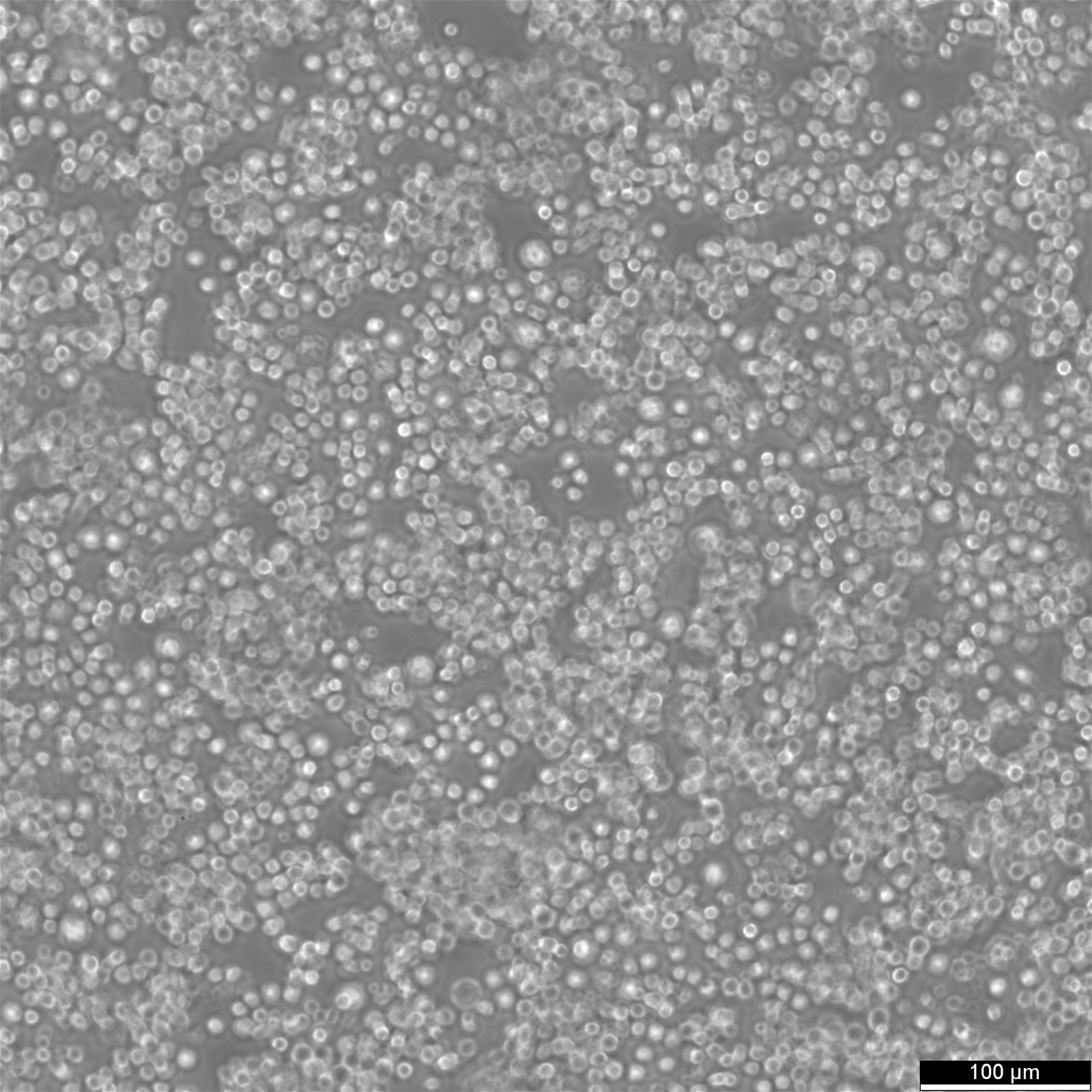
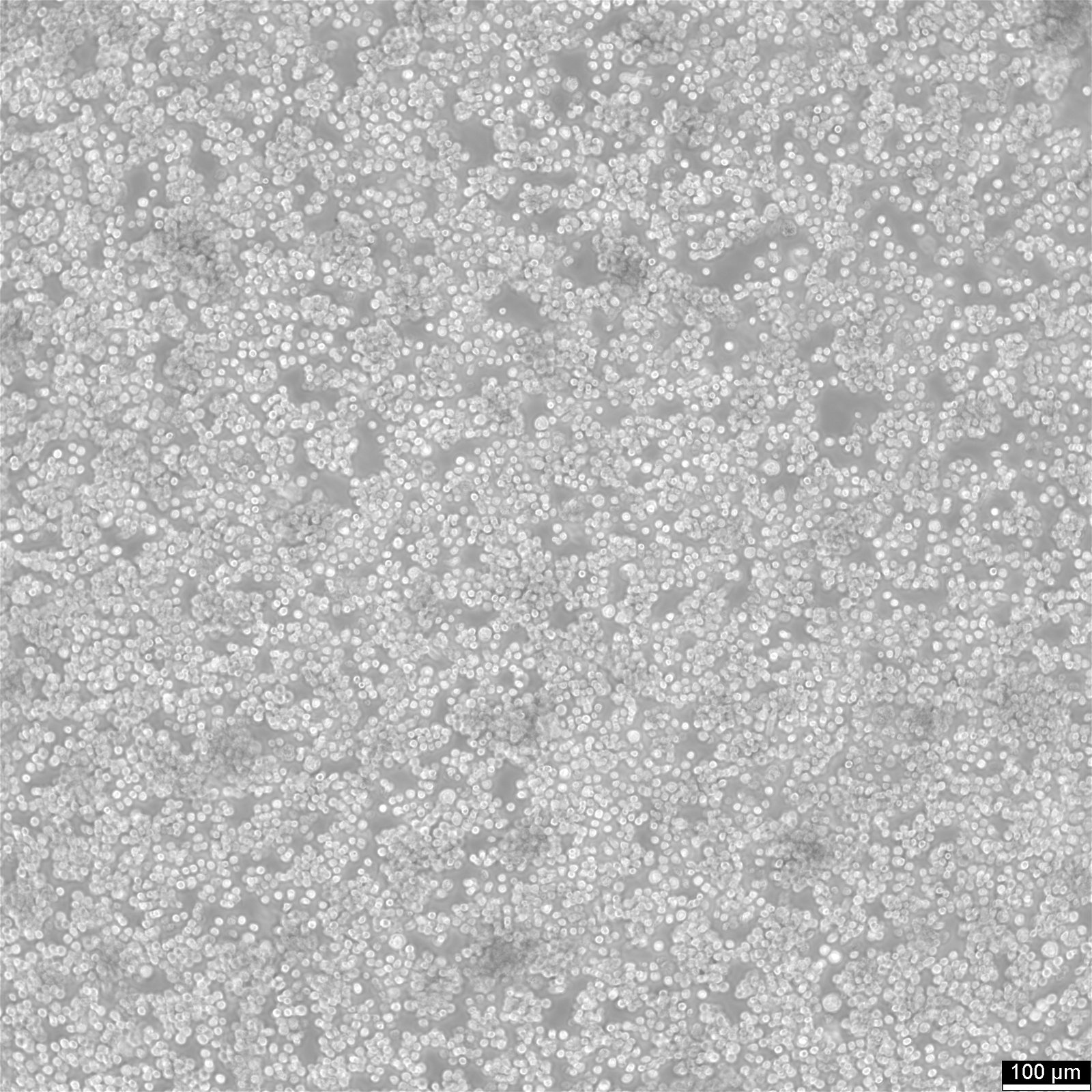
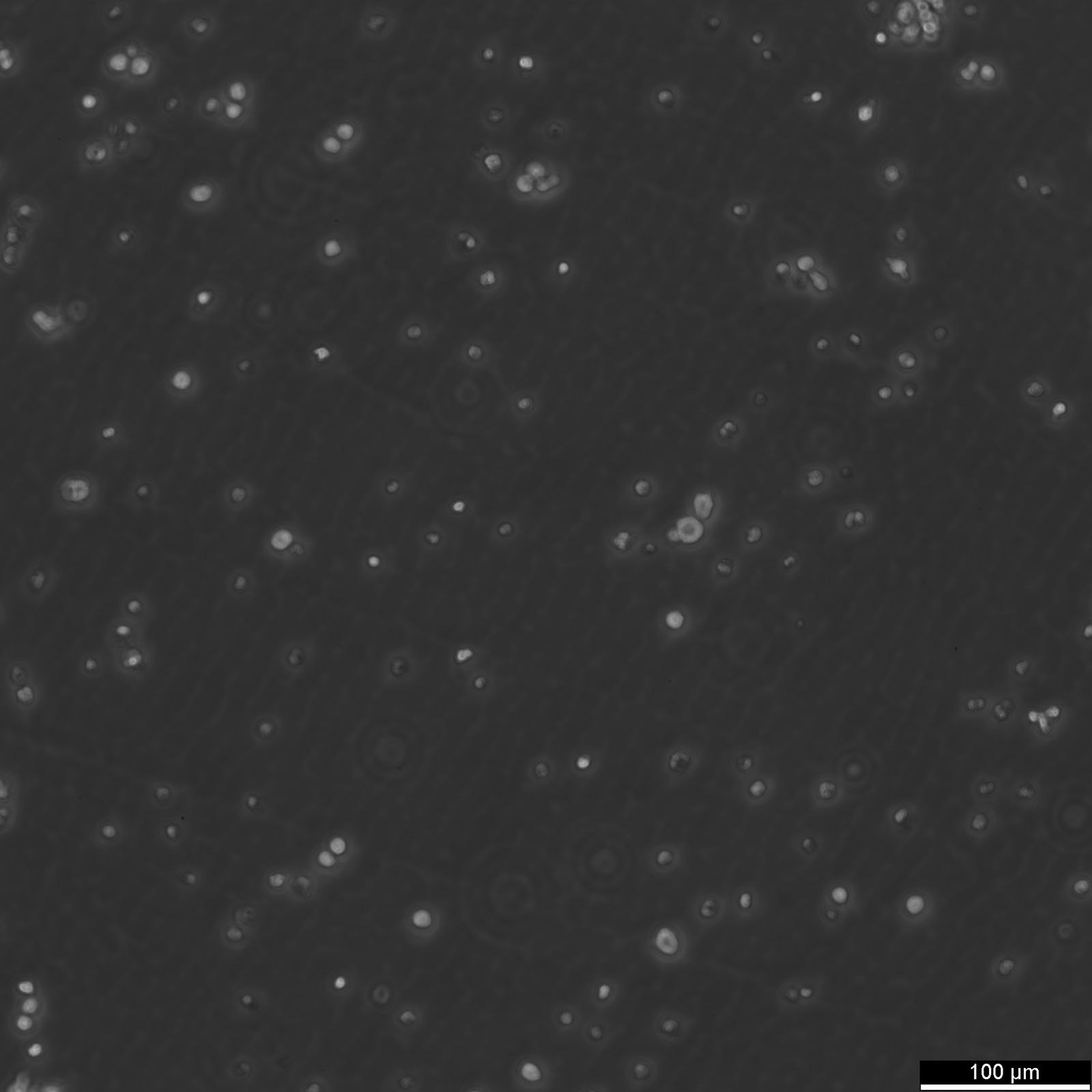
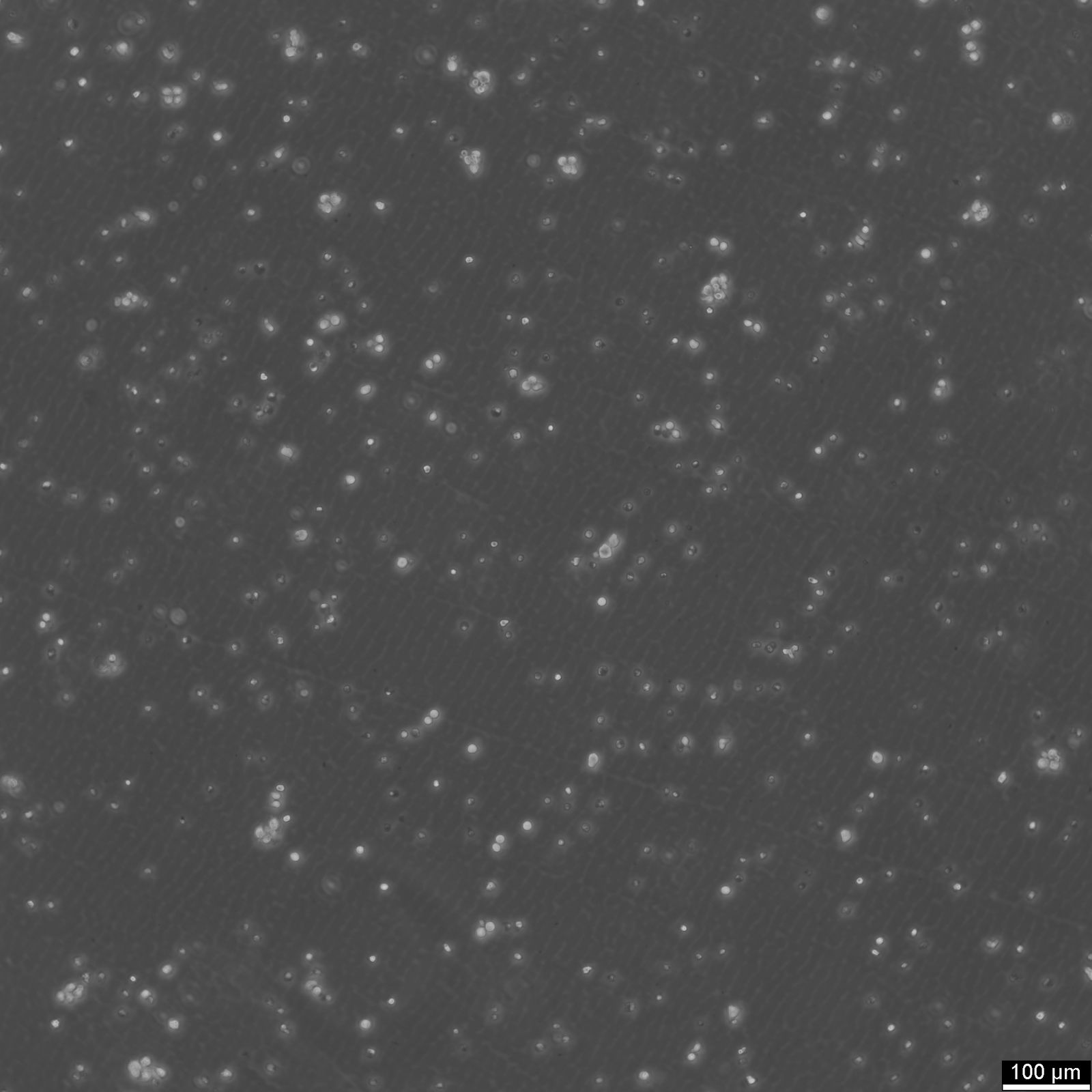
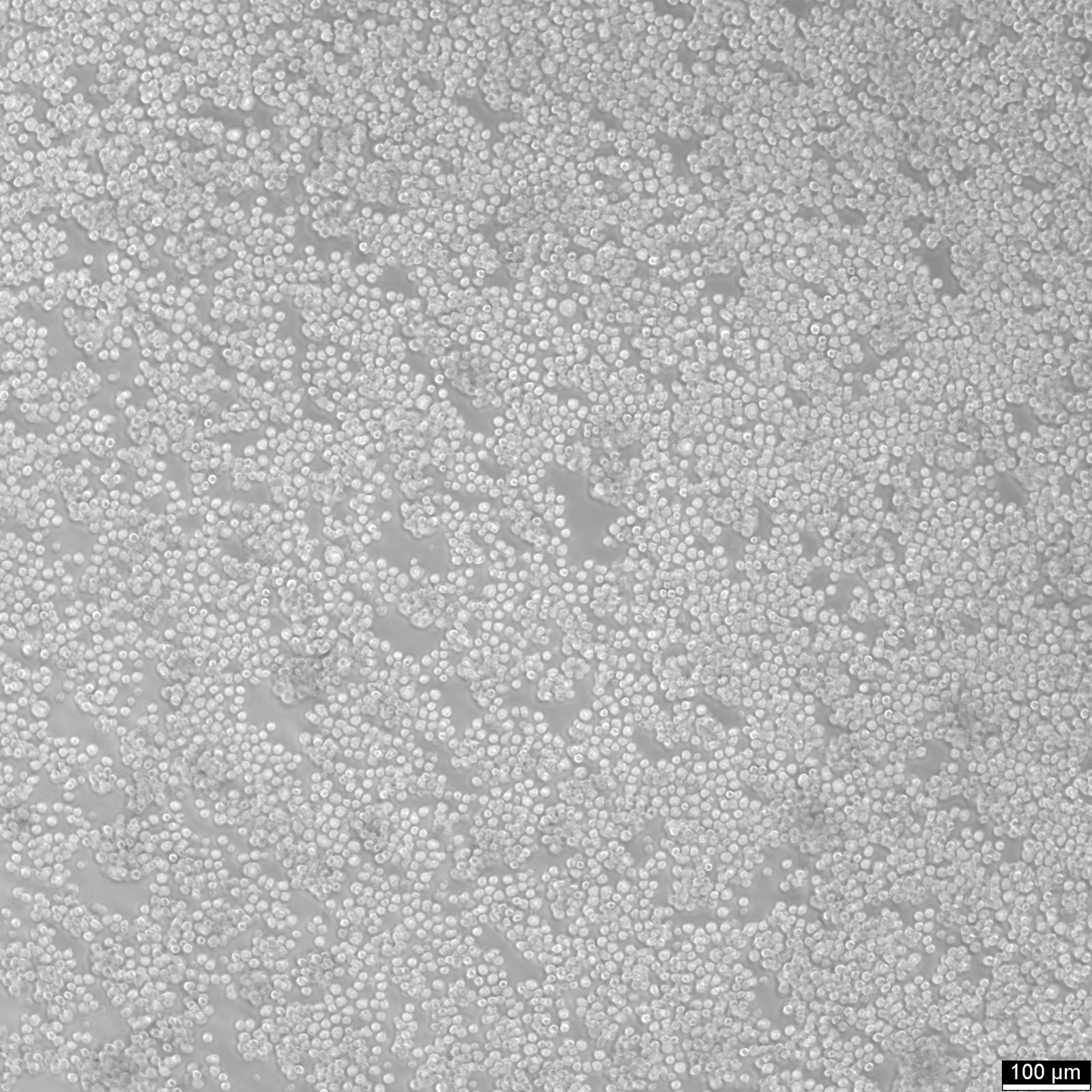
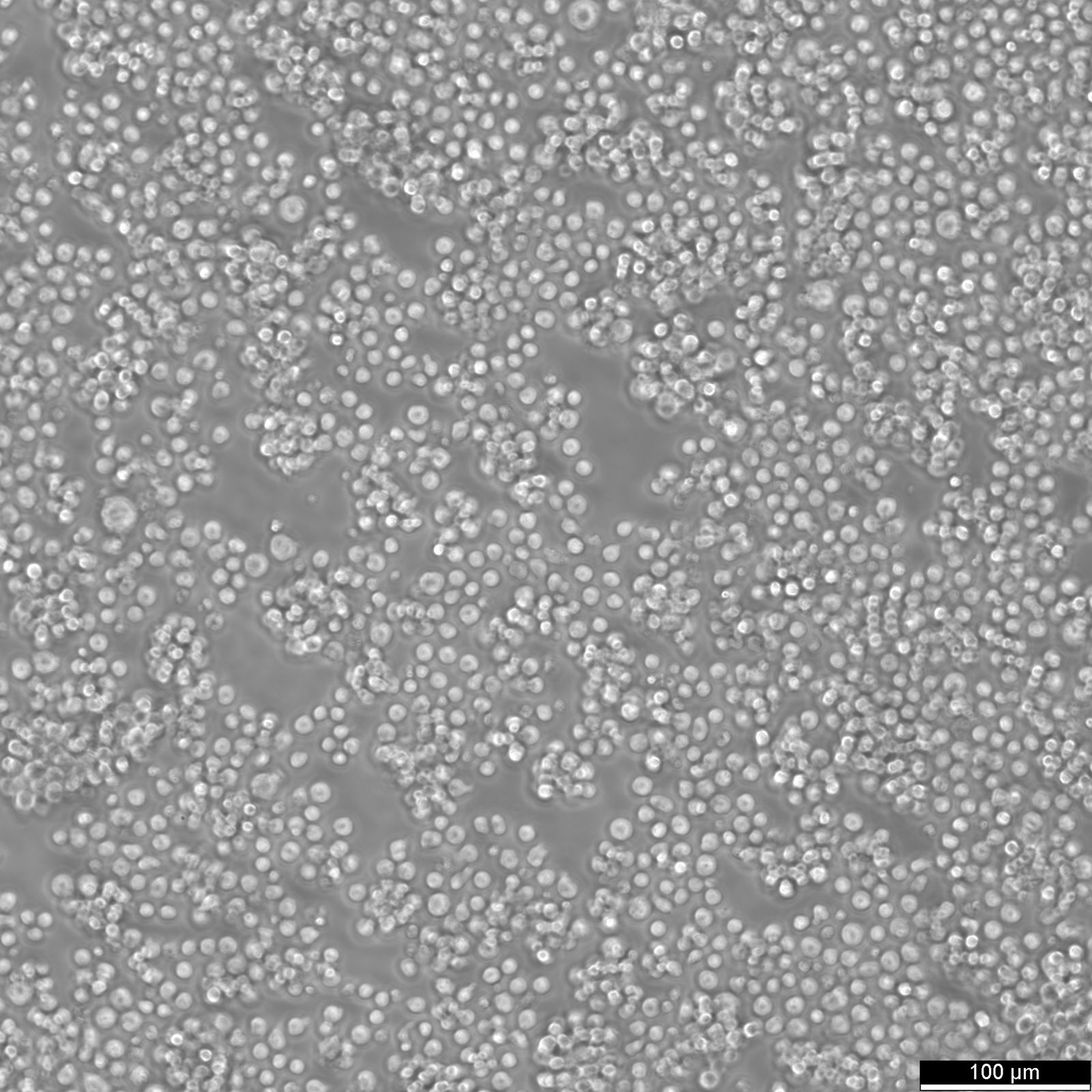
| Description | The BA/F3 cell line, originating from murine pro-B cells of the BALB/c mouse strain, is a cornerstone in drug discovery and development, where BaF3 cells are commonly used to test the efficacy of small molecule inhibitors targeting oncogenic kinases. Baf3 is an IL-3 dependent cell line with a single, round cell morphology and instances of polymorphism. Ba/F3 cells are used for F3 transformation assays and Ba/F3 proliferation assays. The F3 transformation assays allow for the exploration of how specific genetic alterations can confer IL-3 independent growth, indicating oncogenic potential. These cells rely on cytokine signaling through cytokine receptors for IL-3 to sustain their proliferation, making the baf3 proliferation assay an excellent tool for studying the effects of cytokine deprivation and the role of cytokine signaling in cell survival and growth. BA/F3 cells have proven invaluable in the context of kinase oncogene evaluation and the testing of small-molecule kinase inhibitors. For instance, Ba/F3 cells transformed to express the BCR-ABL oncogene, which is characteristic of chronic myeloid leukemia (CML), have been used to test the effectiveness of tyrosine kinase inhibitors (TKIs) such as imatinib. Ba/F3 cells are further suitable for high-throughput screening and the exploration of drug resistance mechanisms, which are crucial in understanding the dynamics of cancer-associated kinome mutations and developing strategies to overcome resistance in targeted therapies. Overall, the BA/F3 cell line, with its distinct features and biological functions, serves as a critical resource in kinase drug discovery. |
|---|---|
| Organism | Mouse |
| Tissue | Bone marrow |
| Synonyms | BA/F3, BaF3, BAF3, Baf3 |
Details
| Breed/Subspecies | C3H |
|---|---|
| Morphology | Lymphocyte |
| Cell type | Pro-B cell |
| Growth properties | Suspension |
Documentation
| Citation | Ba/F3 (Cytion catalog number 305224) |
|---|---|
| Biosafety level | 1 |
| NCBI_TaxID | 10090 |
| CellosaurusAccession | CVCL_0161 |
Genetic characteristics of Baf3 cells
| Karyotype | The Ba/F3 cell line exhibits a near diploid murine karyotype, with about 33% of the cells showing polyploidy. |
|---|
Baf3 cell proliferation and Interleukin-3
| Culture Medium | RPMI 1640, w: 2.0 mM stable Glutamine, w: 2.0 g/L NaHCO3 (Cytion article number 820700a) |
|---|---|
| Supplements | Supplement the medium with 5% heat-inactivated FBS, 10 ng/mL mouse IL-3 |
| Subculturing | Maintain cultures by periodically adding or replacing the medium. Initiate cultures with a density of 5 x 10⁵ cells/ml and keep the cell concentration within the range of 3 x 10⁵ to 1 x 10⁶ cells/ml for optimal growth. |
| Freeze medium | As a cryopreservation medium, we use complete growth medium (including FBS) + 10% DMSO for adequate post-thaw viability, or CM-1 (Cytion catalog number 800100), which includes optimized osmoprotectants and metabolic stabilizers to enhance recovery and reduce cryo-induced stress. |
| Thawing and Culturing Cells |
|
| Incubation Atmosphere | 37°C, 5% CO2, humidified atmosphere. |
| Shipping Conditions | Cryopreserved cell lines are shipped on dry ice in validated, insulated packaging with sufficient refrigerant to maintain approximately −78 °C throughout transit. On receipt, inspect the container immediately and transfer vials without delay to appropriate storage. |
| Storage Conditions | For long-term preservation, place vials in vapor-phase liquid nitrogen at about −150 to −196 °C. Storage at −80 °C is acceptable only as a short interim step before transfer to liquid nitrogen. |
Quality control of the Ba/F3 cell line
| Sterility | Mycoplasma contamination is excluded using both PCR-based assays and luminescence-based mycoplasma detection methods. To ensure there is no bacterial, fungal, or yeast contamination, cell cultures are subjected to daily visual inspections. |
|---|
Certificate of Analysis (CoA)
| Lot Number | Certificate Type | Date | Catalog Number |
|---|---|---|---|
| 305224-260124 | Certificate of Analysis | 23. May. 2025 | 305224 |
| 305224-060325 | Certificate of Analysis | 23. May. 2025 | 305224 |