
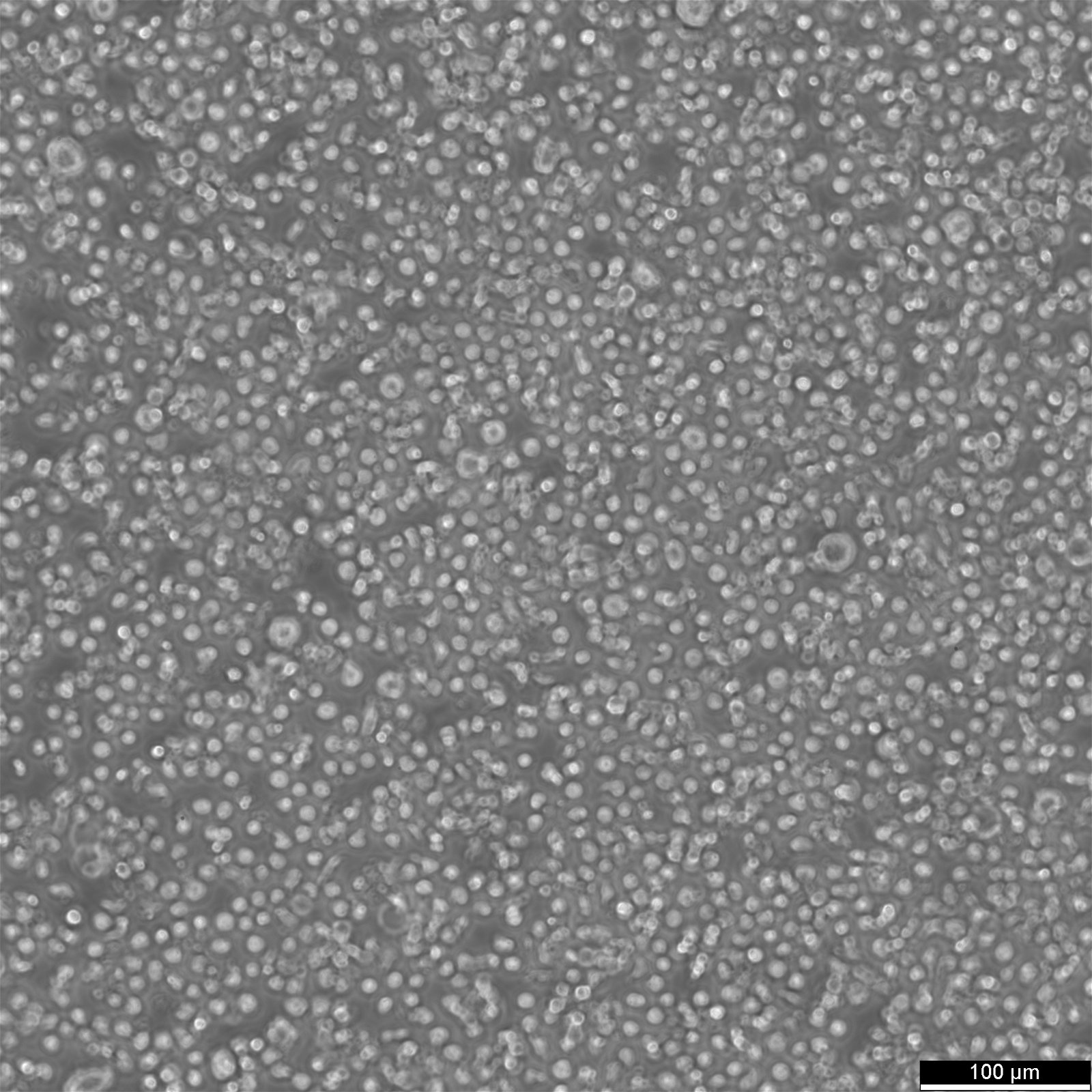
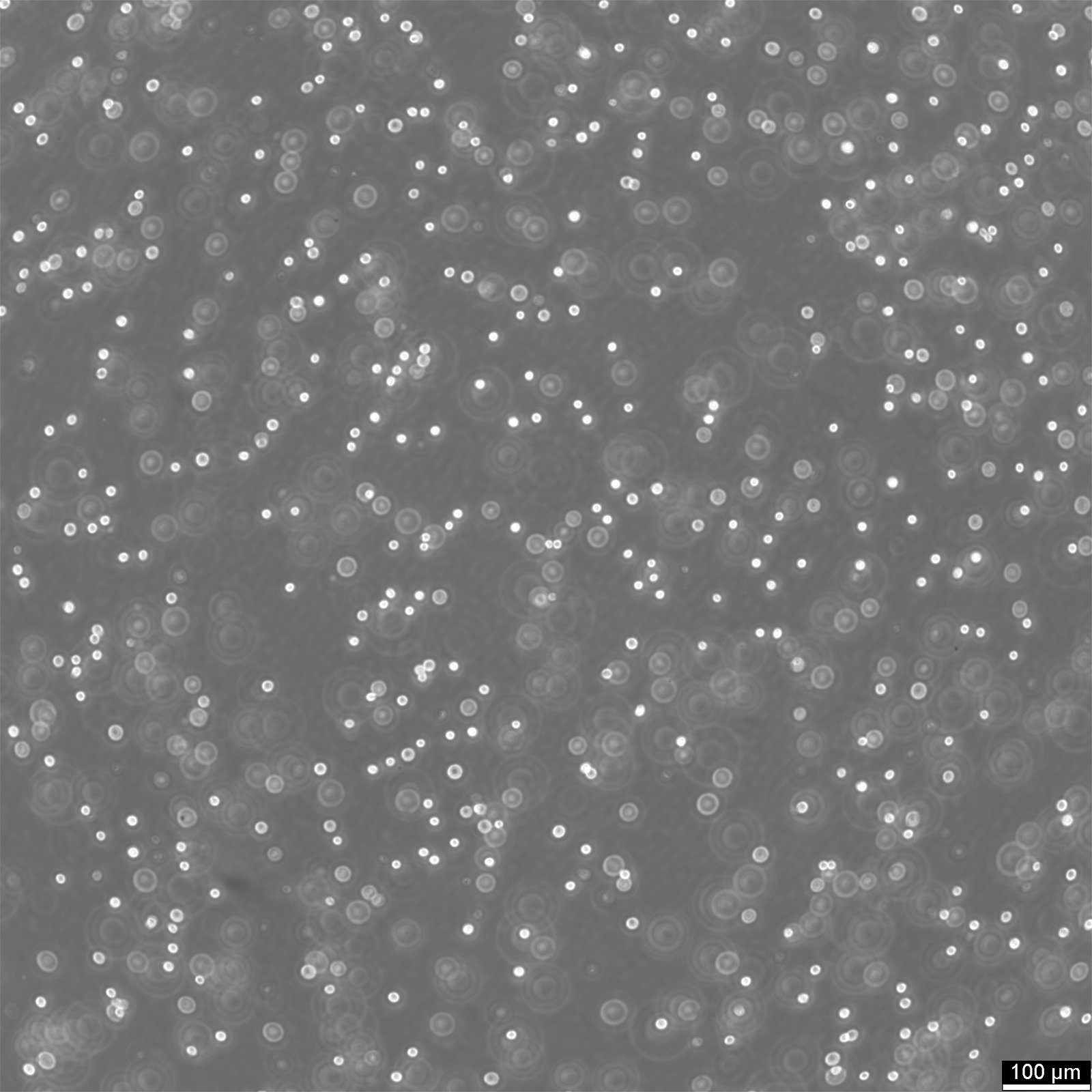
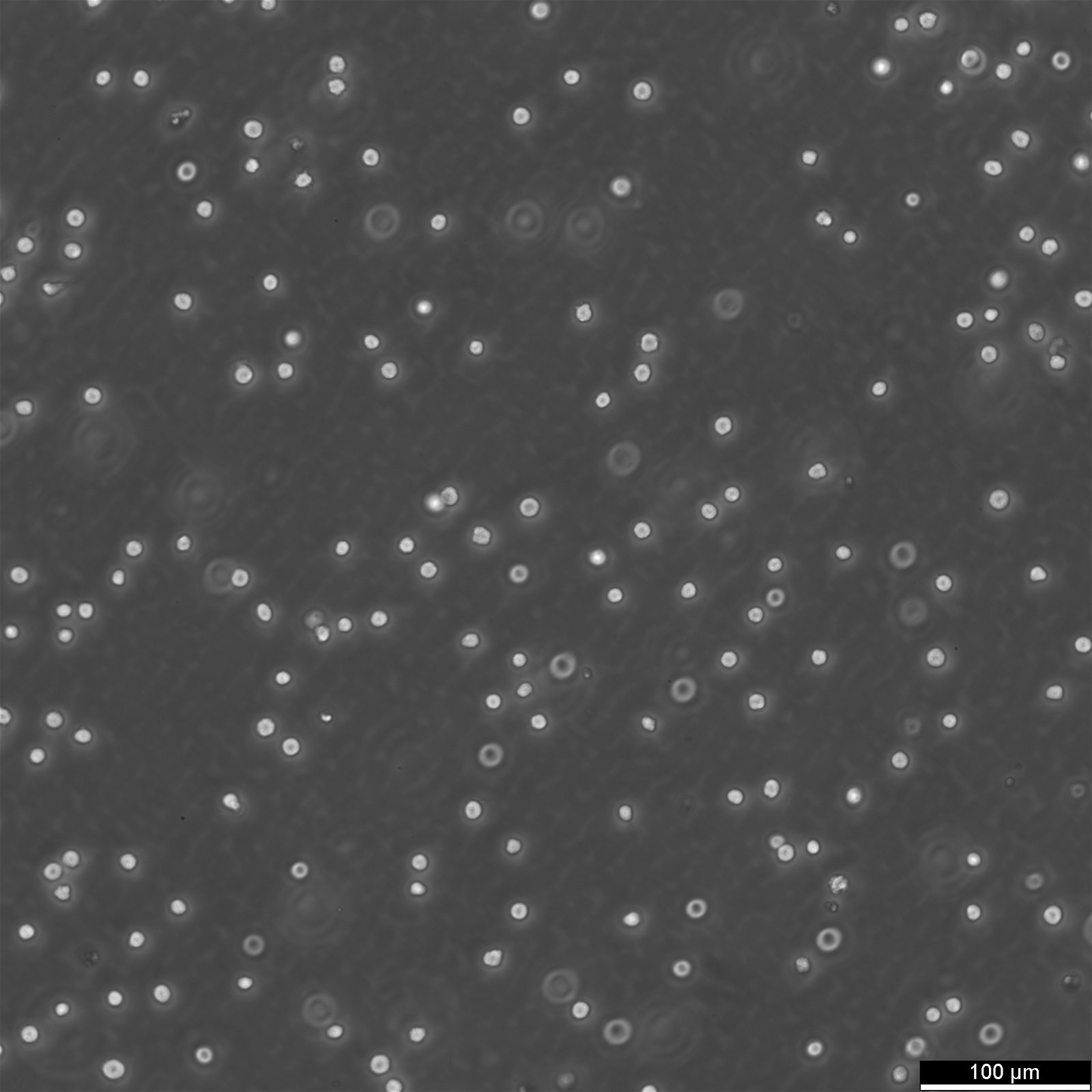
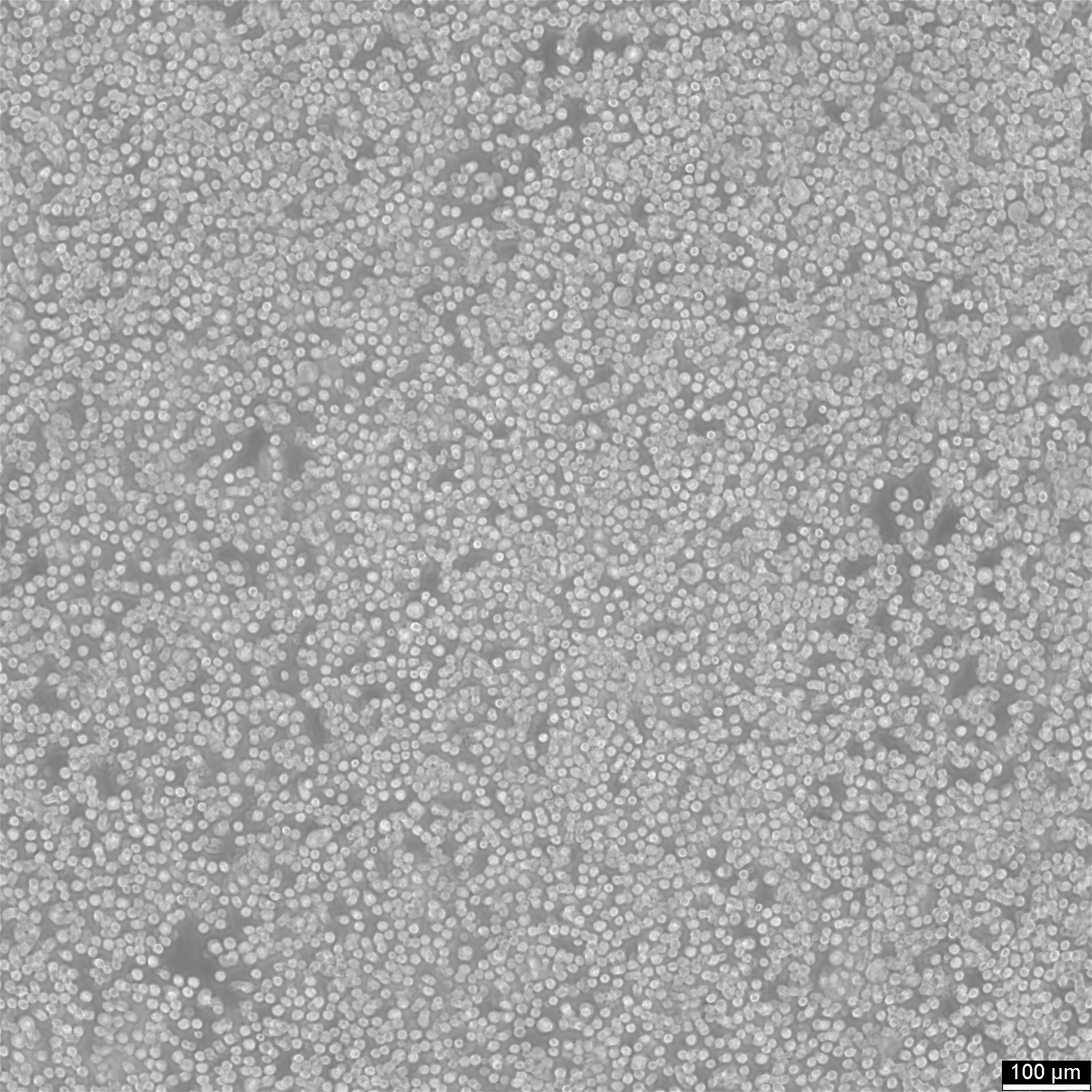
BALL-1 Cells
USD$395.00*
Products are shipped frozen on dry ice in cryotubes. Each cryotube typically contains 3 × 10⁶ cells for adherent lines or 5 × 10⁶ cells for suspension lines (refer to the batch CoA for details).
General information
| Description | The BALL-1 cell line originates from a 75-year-old male patient diagnosed with acute lymphoblastic leukemia (ALL). Established from the peripheral blood, this cell line is of particular interest due to the patient's advanced age, offering a unique perspective on the disease in elderly populations. BALL-1 cells exhibit characteristics of B-cell lineage, notably expressing markers such as CD19 and CD10. These cells are negative for surface immunoglobulin, aligning with phenotypes observed in early stages of B-cell neoplastic development. As a model, BALL-1 is pivotal for researching the pathogenesis of B-cell leukemia, particularly within older patients, where disease dynamics may differ significantly from those observed in younger individuals. This cell line facilitates the exploration of molecular and cellular mechanisms underlying leukemia progression, therapeutic resistance, and the emergence of new drug targets. BALL-1 is instrumental in drug discovery and testing, aiding in the assessment of new anti-leukemic compounds. Moreover, the genetic abnormalities present in BALL-1 provide essential insights into the chromosomal alterations involved in the pathogenesis of B-cell precursor acute lymphoblastic leukemia. |
|---|---|
| Organism | Human |
| Tissue | B Lymphocyte |
| Disease | B-cell acute lymphoblastic leukemia |
| Synonyms | Ball-1, Ball 1, BALL1, B-cell Acute Lymphoblastic Leukemia-1 |
Characteristics
| Age | 75 years |
|---|---|
| Gender | Male |
| Ethnicity | Asian |
| Morphology | Lymphoblast |
| Growth properties | Suspension |
Regulatory Data
| Citation | BALL-1 (Cytion catalog number 305084) |
|---|---|
| Biosafety level | 1 |
| NCBI_TaxID | 9606 |
| CellosaurusAccession | CVCL_1075 |
Biomolecular Data
Handling
| Culture Medium | RPMI 1640, w: 2.0 mM stable Glutamine, w: 2.0 g/L NaHCO3 (Cytion article number 820700a) |
|---|---|
| Supplements | Supplement the medium with 10% heat-inactivated FBS |
| Doubling time | 48 to 72 hours |
| Subculturing | Gently homogenize the cell suspension in the flask by pipetting up and down, then take a representative sample to determine the cell density per ml. Dilute the suspension to achieve a cell concentration of 1 x 10⁵ cells/ml with fresh culture medium, and aliquot the adjusted suspension into new flasks for further cultivation. |
| Seeding density | An initial seeding density of 5 x 10⁵ cells/mL is recommended. A seeding density of 2 x 10⁵ cells/mL is recommended to maintain the culture. |
| Fluid renewal | 2 to 3 times per week |
| Freeze medium | As a cryopreservation medium, we use complete growth medium (including FBS) + 10% DMSO for adequate post-thaw viability, or CM-1 (Cytion catalog number 800100), which includes optimized osmoprotectants and metabolic stabilizers to enhance recovery and reduce cryo-induced stress. |
| Thawing and Culturing Cells |
|
| Incubation Atmosphere | 37°C, 5% CO2, humidified atmosphere. |
| Shipping Conditions | Cryopreserved cell lines are shipped on dry ice in validated, insulated packaging with sufficient refrigerant to maintain approximately −78 °C throughout transit. On receipt, inspect the container immediately and transfer vials without delay to appropriate storage. |
| Storage Conditions | For long-term preservation, place vials in vapor-phase liquid nitrogen at about −150 to −196 °C. Storage at −80 °C is acceptable only as a short interim step before transfer to liquid nitrogen. |
Quality Control & Molecular Analysis
| Sterility | Mycoplasma contamination is excluded using both PCR-based assays and luminescence-based mycoplasma detection methods. To ensure there is no bacterial, fungal, or yeast contamination, cell cultures are subjected to daily visual inspections. |
|---|
Certificate of Analysis (CoA)
| Lot Number | Certificate Type | Date | Catalog Number |
|---|---|---|---|
| 305084-150324 | Certificate of Analysis | 23. May. 2025 | 305084 |