BALB/3T3 clone A31 Cells
USD$395.00*
Products are shipped frozen on dry ice in cryotubes. Each cryotube typically contains 3 × 10⁶ cells for adherent lines or 5 × 10⁶ cells for suspension lines (refer to the batch CoA for details).
General information
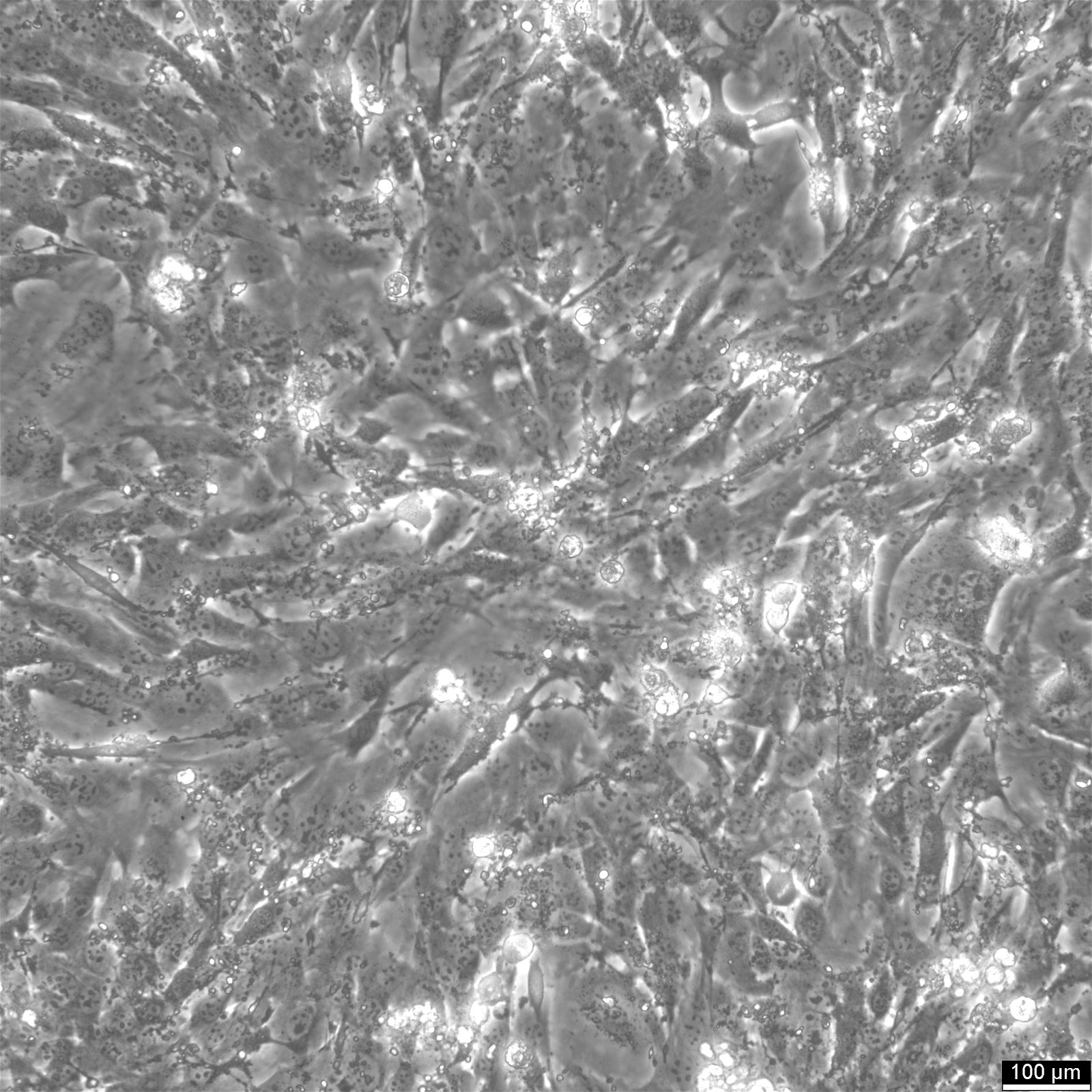
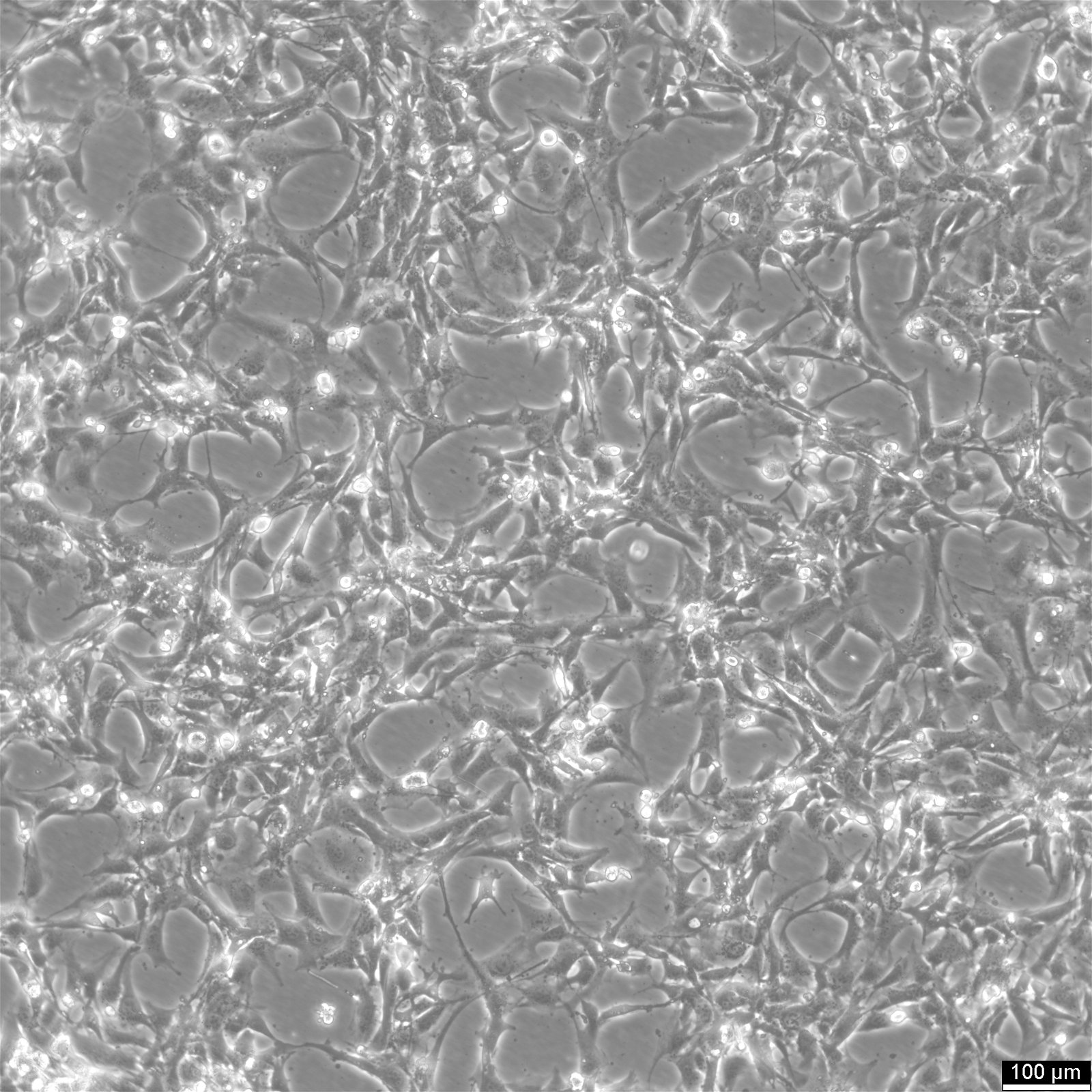
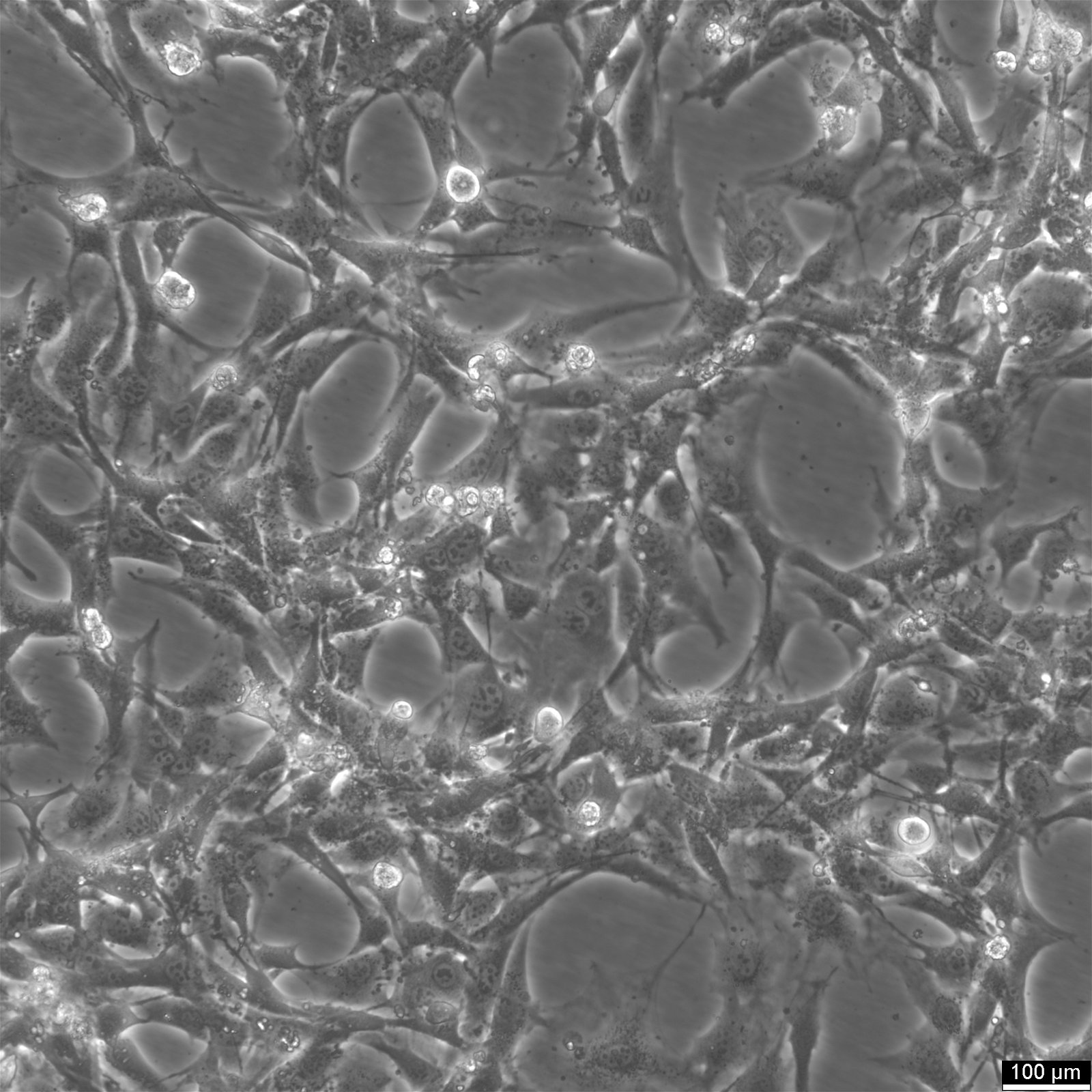
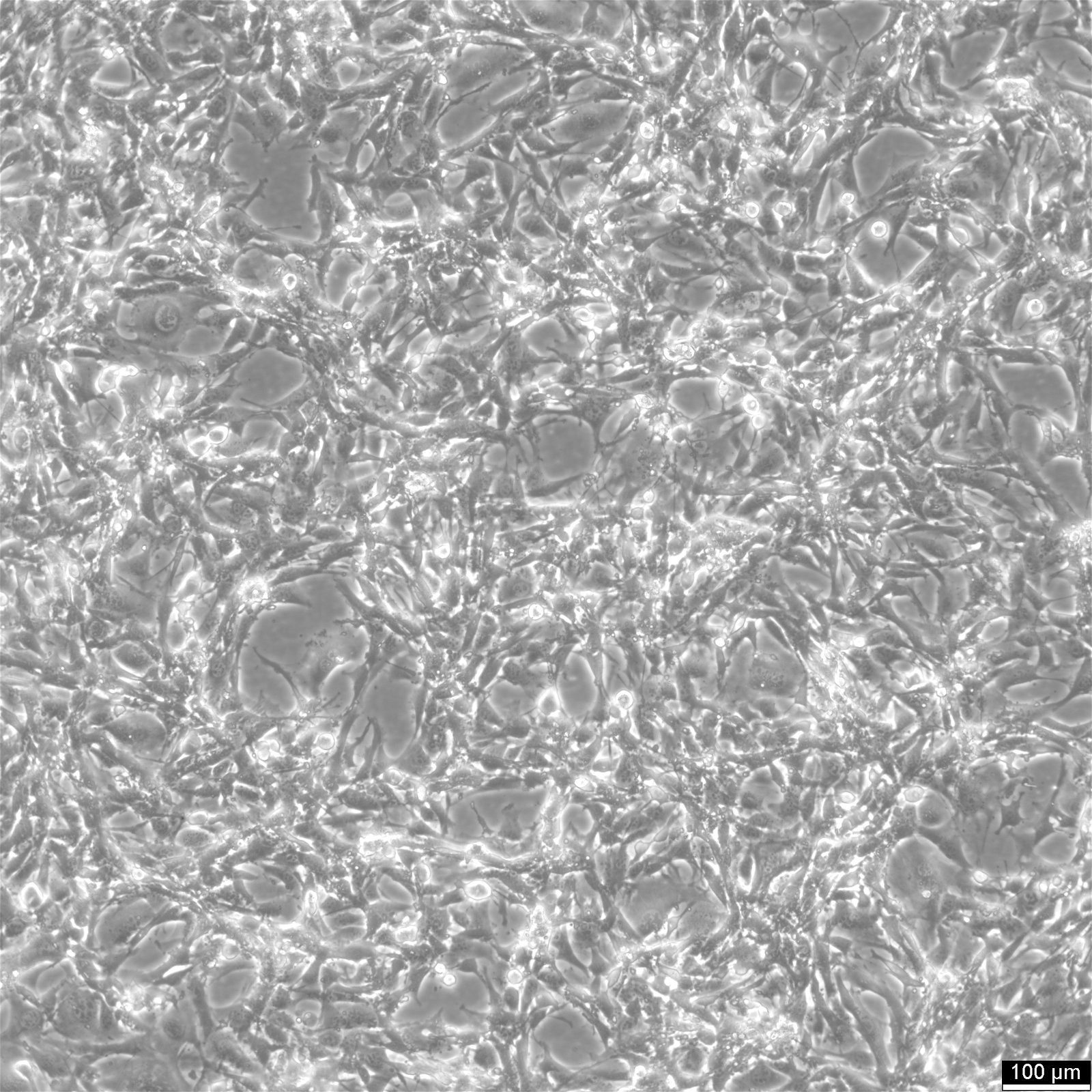
| Description | BALB/3T3 clone A31, a fibroblast cell line developed by S.A. Aaronson and G.T. Todaro in 1968, originates from disaggregated 14- to 17-day-old BALB/c mouse embryos. This cell line is a fundamental tool in the study of cellular biology, particularly noted for its capacity to support virus growth and susceptibility to oncogenic transformations. Characteristically, these cells are spindle-shaped fibroblasts that can act as multipotential mesenchymal cells. They demonstrate the potential to differentiate into various tissues depending on microenvironmental influences or culture conditions, underlining their versatility in experimental models. The cell culture practices for BALB/3T3 clone A31 involve repeated transfers before reaching confluence to minimize cell-cell contact, promoting characteristics such as contact inhibition of cell division, growth at high dilution, and low saturation density. These cells exhibit a karyotype variability with a modal number of 78 chromosomes, ranging from 62 to 109, predominantly featuring telocentric or acrocentric chromosomes. Despite occasional reports of cytogenetic instability, BALB/3T3 A31 cells maintain a non-tumorigenic status, though they show tumorigenic properties when cultured in semisolid mediums. Notably, they are highly susceptible to transformation by oncogenic DNA viruses like SV40 and murine sarcoma virus, and have tested negative for the ectromelia virus (mousepox), adding another layer of value for virological and oncological research. |
|---|---|
| Organism | Mouse |
| Tissue | Embryo |
| Synonyms | BALB/c 3T3 clone A31, Balb/c3T3, BALB/c 3T3, Balb/c 3T3, BALB/3T3, Balb/3T3-4-Cl31, 3T3 clone A31, BALB/3T3 cl. A31, BALB 3T3 clone A31, BALB/3T3 (clone A31), B/C3T3, 3T3-A31, 3T3(A31), A31, A31N |
Characteristics
| Breed/Subspecies | BALB/c |
|---|---|
| Age | Embryo, 14 to 17 days gestation |
| Morphology | Fibroblast |
| Growth properties | Adherent |
Regulatory Data
| Citation | BALB/3T3 clone A31 (Cytion catalog number 305155) |
|---|---|
| Biosafety level | 2 |
| NCBI_TaxID | 10090 |
| CellosaurusAccession | CVCL_0184 |
Biomolecular Data
| Tumorigenic | No, the cells were not tumorigenic in immunosuppressed mice, but did form colonies in semisolid medium. |
|---|
Handling
| Culture Medium | DMEM, w: 4.5 g/L Glucose, w: 4 mM L-Glutamine, w: 3.7 g/L NaHCO3, w: 1.0 mM Sodium pyruvate (Cytion article number 820300a) |
|---|---|
| Supplements | Supplement the medium with 10% FBS |
| Dissociation Reagent | Accutase |
| Subculturing | Remove the old medium from the adherent cells and wash them with PBS that lacks calcium and magnesium. For T25 flasks, use 3-5 ml of PBS, and for T75 flasks, use 5-10 ml. Then, cover the cells completely with Accutase, using 1-2 ml for T25 flasks and 2.5 ml for T75 flasks. Let the cells incubate at room temperature for 8-10 minutes to detach them. After incubation, gently mix the cells with 10 ml of medium to resuspend them, then centrifuge at 300xg for 3 minutes. Discard the supernatant, resuspend the cells in fresh medium, and transfer them into new flasks that already contain fresh medium. |
| Fluid renewal | 2 to 3 times per week |
| Freeze medium | As a cryopreservation medium, we use complete growth medium (including FBS) + 10% DMSO for adequate post-thaw viability, or CM-1 (Cytion catalog number 800100), which includes optimized osmoprotectants and metabolic stabilizers to enhance recovery and reduce cryo-induced stress. |
| Thawing and Culturing Cells |
|
| Incubation Atmosphere | 37°C, 5% CO2, humidified atmosphere. |
| Shipping Conditions | Cryopreserved cell lines are shipped on dry ice in validated, insulated packaging with sufficient refrigerant to maintain approximately −78 °C throughout transit. On receipt, inspect the container immediately and transfer vials without delay to appropriate storage. |
| Storage Conditions | For long-term preservation, place vials in vapor-phase liquid nitrogen at about −150 to −196 °C. Storage at −80 °C is acceptable only as a short interim step before transfer to liquid nitrogen. |
Quality Control & Molecular Analysis
| Sterility | Mycoplasma contamination is excluded using both PCR-based assays and luminescence-based mycoplasma detection methods. To ensure there is no bacterial, fungal, or yeast contamination, cell cultures are subjected to daily visual inspections. |
|---|
Certificate of Analysis (CoA)
| Lot Number | Certificate Type | Date | Catalog Number |
|---|---|---|---|
| 305155-222 | Certificate of Analysis | 23. May. 2025 | 305155 |