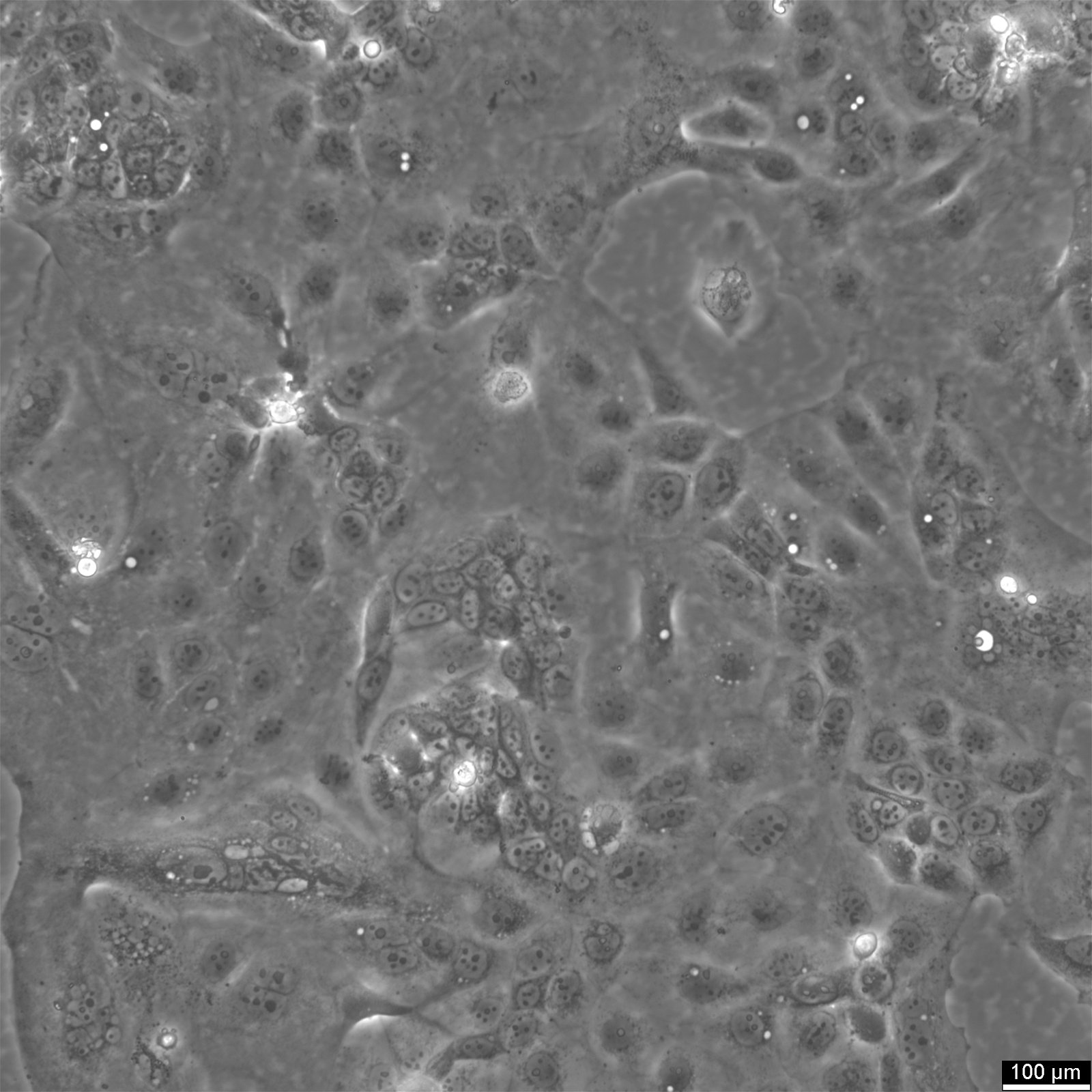
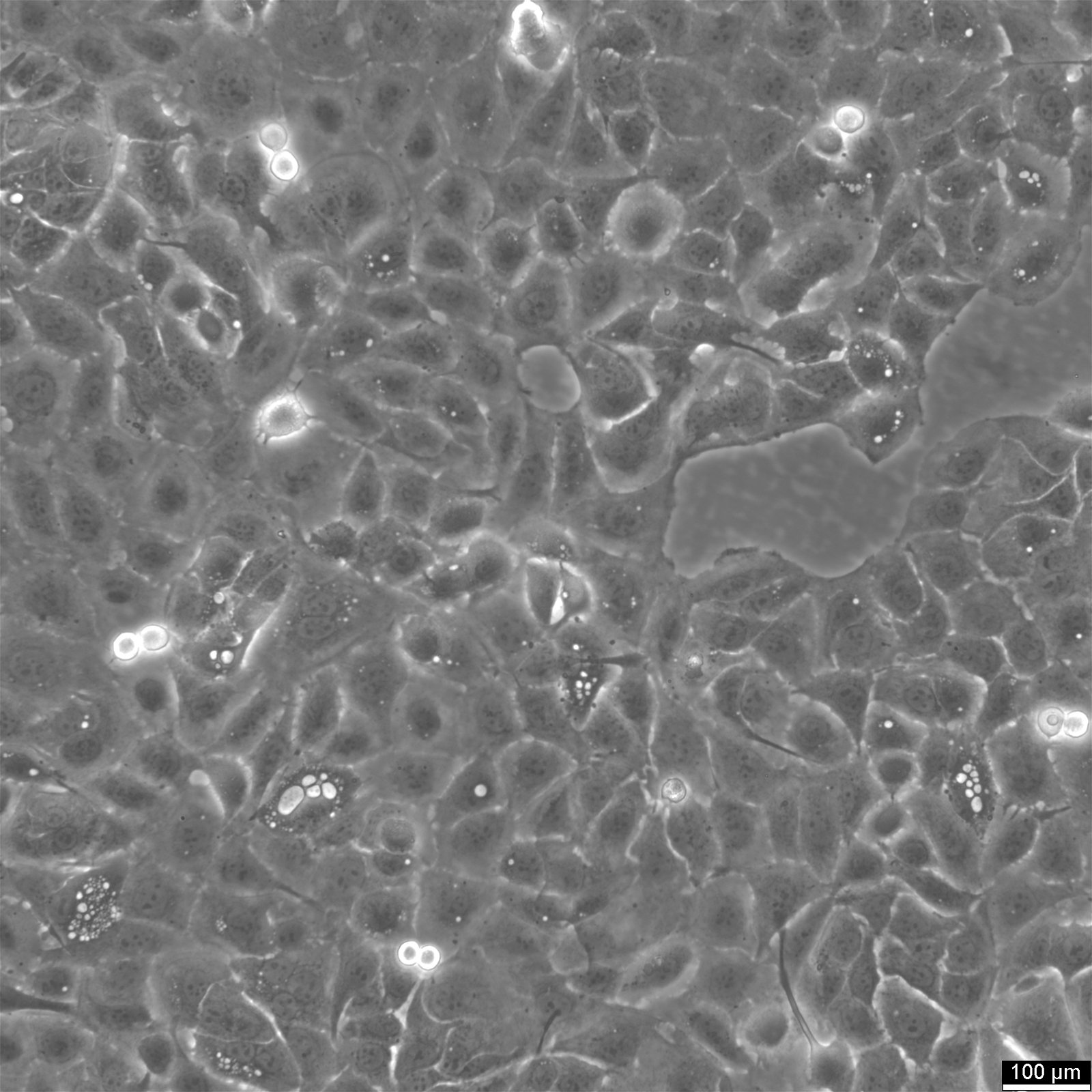
SW626 Cells
CAD$966.00*
Products are shipped frozen on dry ice in cryotubes. Each cryotube typically contains 3 × 10⁶ cells for adherent lines or 5 × 10⁶ cells for suspension lines (refer to the batch CoA for details).
General information
| Description | SW626 is a human ovarian cancer cell line established from an adult patient with serous cystadenocarcinoma of the ovary. It has been widely utilized as a model for epithelial ovarian cancer (EOC), particularly for studying tumor biology, drug response, and molecular heterogeneity in high-grade serous carcinoma. Histologically, the SW626 cell line retains characteristics consistent with its serous adenocarcinoma origin and exhibits tumorigenic potential when xenografted into immunocompromised mice, producing solid tumors that recapitulate features of the primary neoplasm. Genomic profiling of SW626 reveals common alterations frequently observed in ovarian cancers, including disruptions in key regulatory pathways such as TP53 and PI3K/AKT. Molecular analyses have shown that SW626 carries chromosomal aberrations and gene expression patterns representative of high-grade serous ovarian cancer, making it a relevant model for investigating oncogenic signaling, therapeutic vulnerabilities, and resistance mechanisms. The cell line has been included in large-scale cancer genomics projects, where it contributes to drug screening platforms and comparative studies with other ovarian cancer models, helping to define molecular subtypes and inform precision oncology approaches. |
|---|---|
| Organism | Human |
| Tissue | Metastatic |
| Disease | Colon adenocarcinoma |
| Synonyms | SW-626, SW 626 |
Characteristics
| Age | 46 years |
|---|---|
| Gender | Female |
| Ethnicity | Caucasian |
| Cell type | Epithelial |
| Growth properties | Adherent |
Regulatory Data
| Citation | SW626 (Cytion catalog number 305881) |
|---|---|
| Biosafety level | 1 |
| NCBI_TaxID | 9606 |
| CellosaurusAccession | CVCL_1725 |
Biomolecular Data
| Isoenzymes | AK-1, 1 ES-D, 1 G6PD, B GLO-I, 1 Me-2, 1 PGM1, 1 PGM3, 1 |
|---|---|
| Tumorigenic | Yes; Yes, in nude mice produces well differentiated papillary adenocarcinomas consistent with ovarian primary |
| Mutational profile | Mutation: APC, Simple, p.Arg976fs*9 (c.2926_2927insA), Homozygous, KRAS, Simple, p.Gly12Val (c.35G>T), Heterozygous, Simple, p.Asp351His (c.1051G>C), Homozygous, TP53, Simple, p.Gly262Val (c.785G>T), Homozygous |
| Karyotype | Hypertetraploid; modal number = 104. The rate of higher ploidies was 23%. The markers der(2)t(2;5)(q35;q31); del(8)(q13q22); del(12)(q13); t(q9q13) and two others were common to most cells. Generally there were two copies of der(2) and three copies of del(8) per cell. The t(3;11)(p21;q25) and i(15q) markers were seen in some cells. Many cells had 8 copies of N3, N7, N9, N19 and N20, but only two copies of N2. Normal 8 was absent. There were four copies of X, and Y was not found. |
Handling
| Culture Medium | DMEM:Ham's F12 (1:1), w: 3.1 g/L Glucose, w: 2.5 mM L-Glutamine, w: 15 mM HEPES, w: 0.5 mM Sodium pyruvate, w: 1.2 g/L NaHCO3 (Cytion article number 820400a) |
|---|---|
| Supplements | Supplement the medium with 10% FBS |
| Dissociation Reagent | Accutase |
| Fluid renewal | 2 to 3 times per week |
| Freeze medium | As a cryopreservation medium, we use complete growth medium (including FBS) + 10% DMSO for adequate post-thaw viability, or CM-1 (Cytion catalog number 800100), which includes optimized osmoprotectants and metabolic stabilizers to enhance recovery and reduce cryo-induced stress. |
| Thawing and Culturing Cells |
|
| Incubation Atmosphere | 37°C, 5% CO2, humidified atmosphere. |
| Shipping Conditions | Cryopreserved cell lines are shipped on dry ice in validated, insulated packaging with sufficient refrigerant to maintain approximately −78 °C throughout transit. On receipt, inspect the container immediately and transfer vials without delay to appropriate storage. |
| Storage Conditions | For long-term preservation, place vials in vapor-phase liquid nitrogen at about −150 to −196 °C. Storage at −80 °C is acceptable only as a short interim step before transfer to liquid nitrogen. |
Quality Control & Molecular Analysis
| Sterility | Mycoplasma contamination is excluded using both PCR-based assays and luminescence-based mycoplasma detection methods. To ensure there is no bacterial, fungal, or yeast contamination, cell cultures are subjected to daily visual inspections. |
|---|
Certificate of Analysis (CoA)
| Lot Number | Certificate Type | Date | Catalog Number |
|---|---|---|---|
| 305881-041225 | Certificate of Analysis | 15. Jan. 2026 | 305881 |
-
Related products
Related products
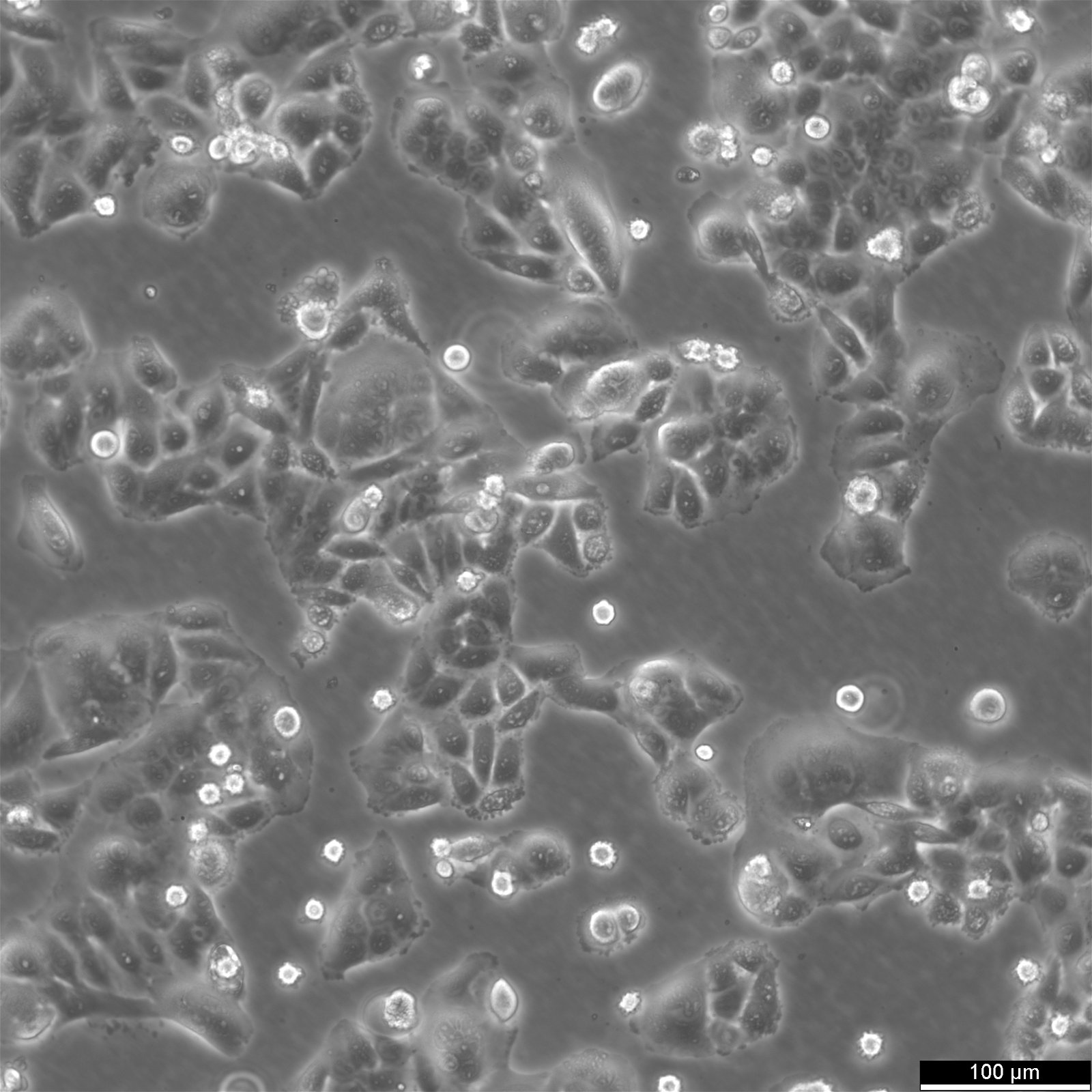
SW480 CellsOrganism Human Tissue Colon Disease Adenocarcinoma, Grade IV, Dukes' type B. CAD$545.10*