
PC-12 Cells
CAD$545.10*
Products are shipped frozen on dry ice in cryotubes. Each cryotube typically contains 3 × 10⁶ cells for adherent lines or 5 × 10⁶ cells for suspension lines (refer to the batch CoA for details).
General information
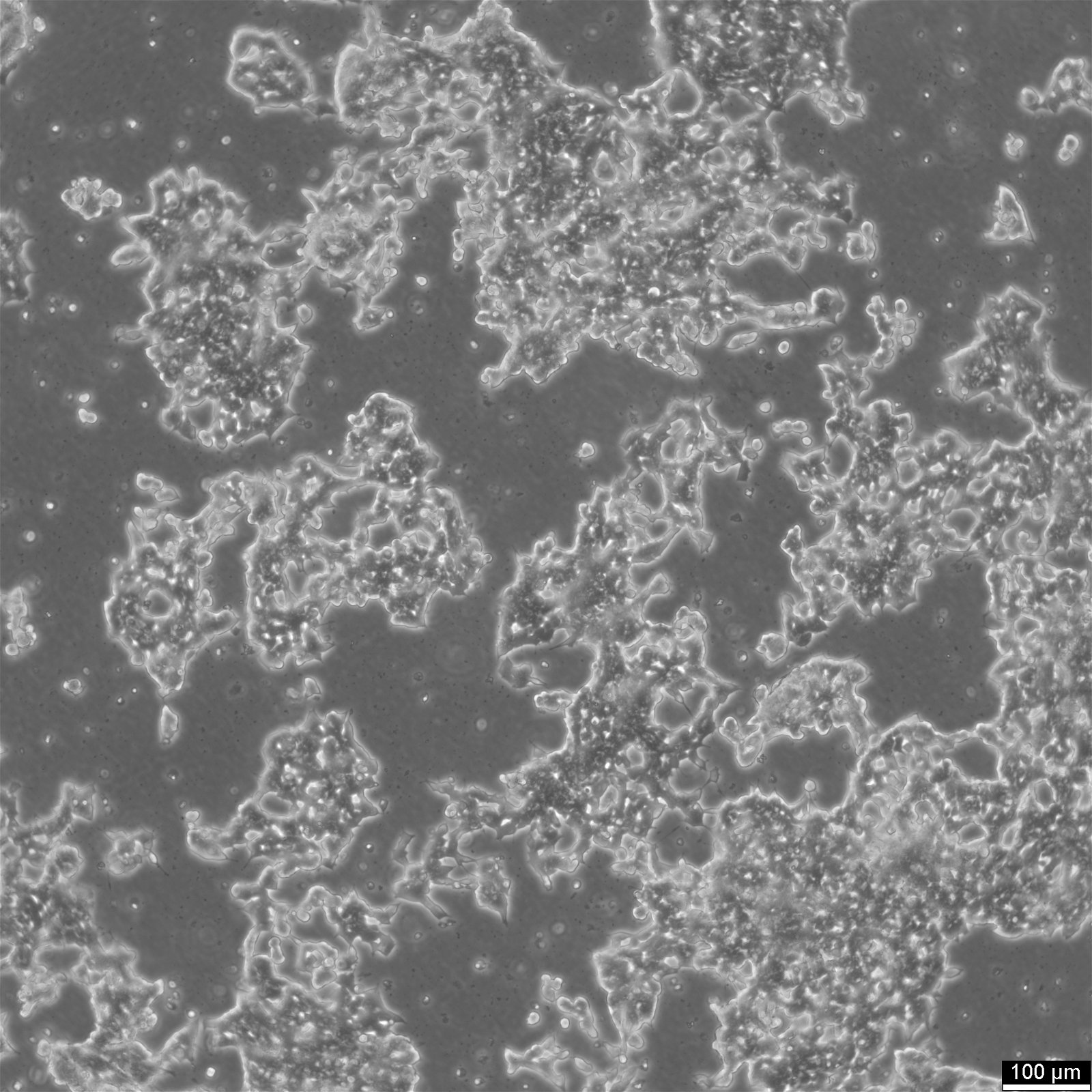
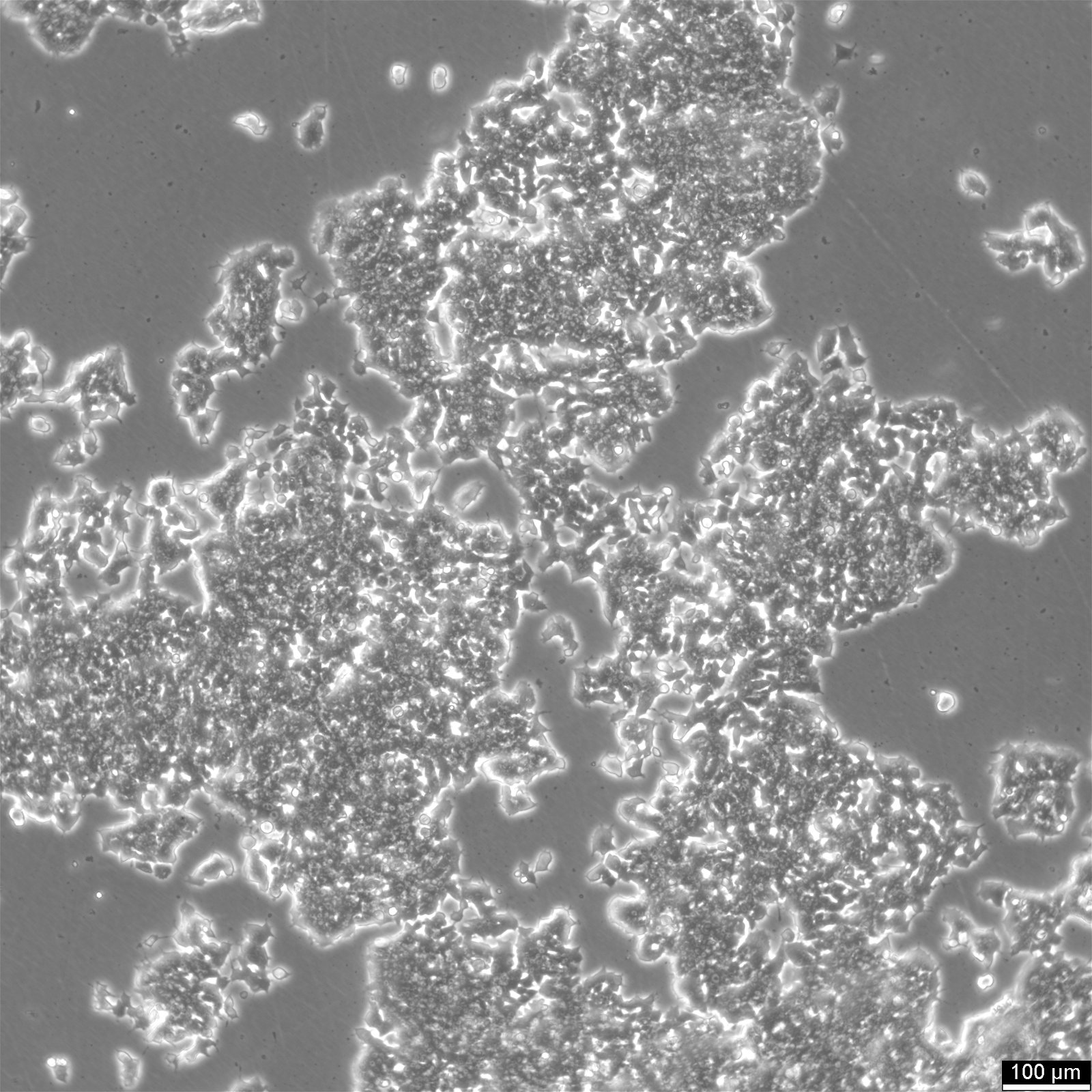
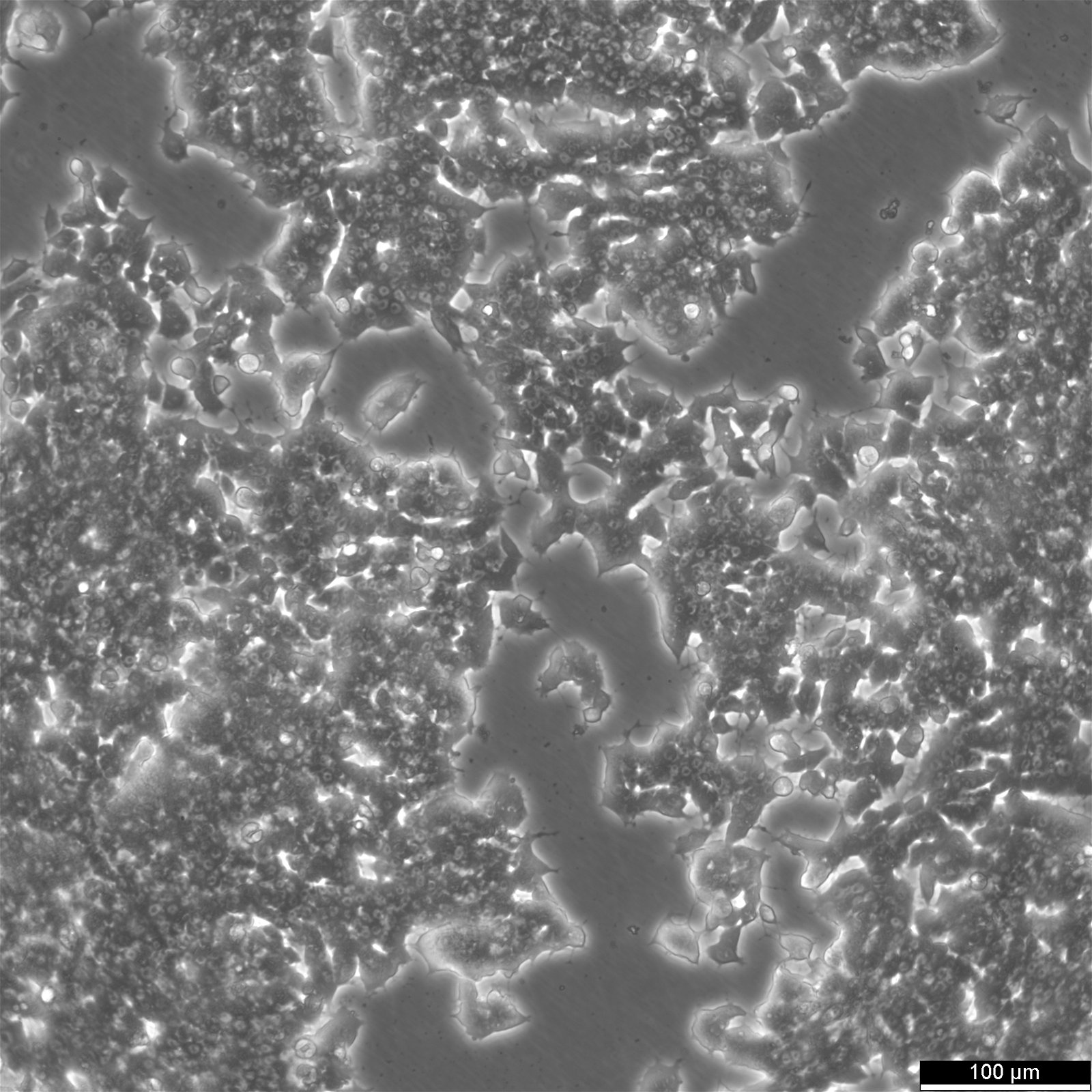
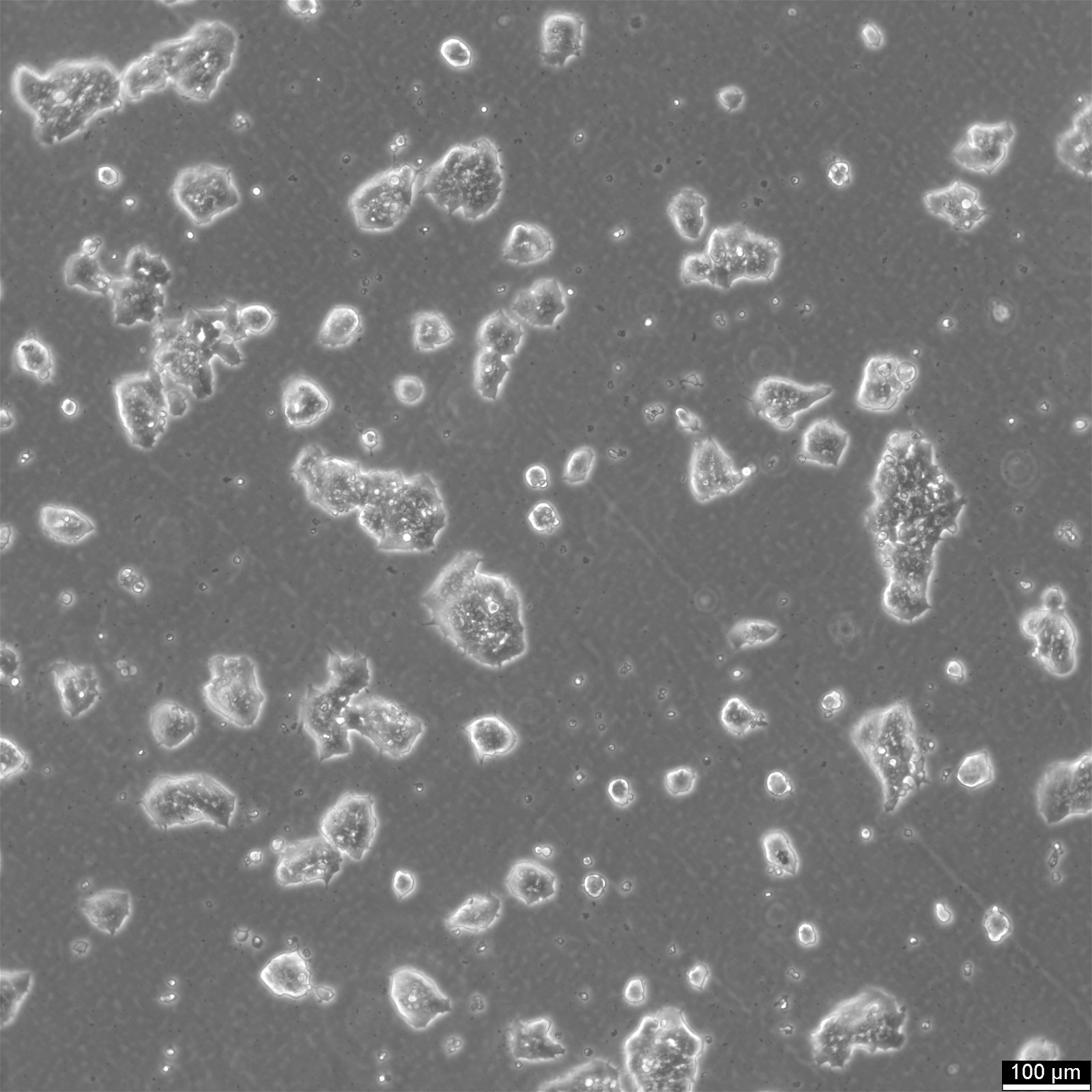
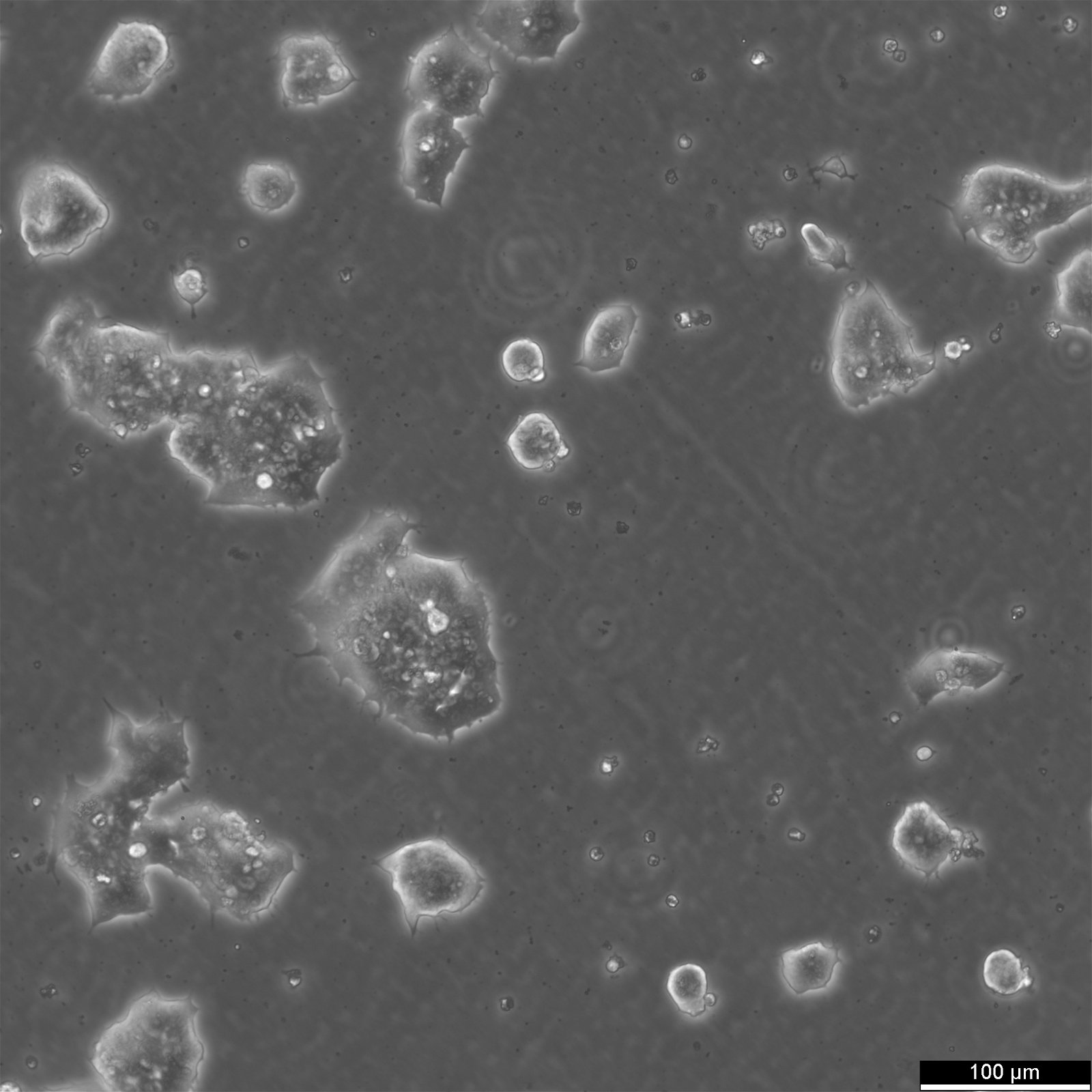
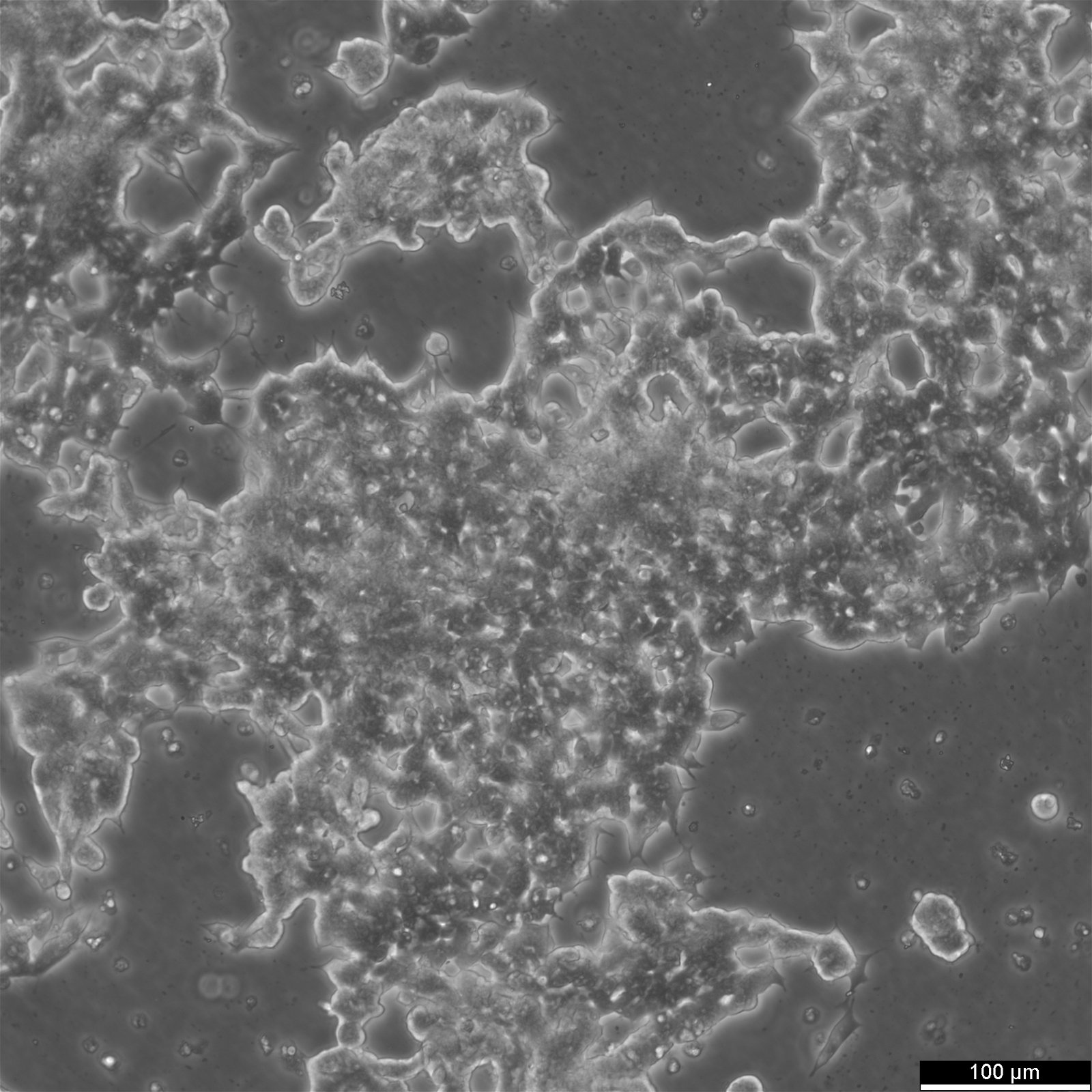
| Description | PC-12 cells are a cell line derived from a pheochromocytoma of the rat adrenal medulla. These cells are of embryonic origin, grow adherently and resemble a mixture of neuroblastic and eosinophilic cells. PC-12 cells are catecholamine cells that synthesize, store and release norepinephrine and dopamine. They have a diameter of approximately 10-12 microns and are small, irregularly shaped cells. The PC12 cell line is a classical neuronal cell model due to its ability to acquire sympathetic neuron features when dealing with nerve growth factor (NGF). Studies on dopamine regulation have shown that PC12 cells synthesize, release, and reuptake dopamine and have been extensively characterized for neurosecretion and the presence of ion channels and neurotransmitter receptors. Moreover, the relative proportion of various subtypes of Ca channels changes during differentiation. The PC12 cell line is an established neuronal cell model that is particularly useful in studying cellular responses to nerve growth factors (NGF) and how these lead to the expression of differentiation-specific proteins and differentiation. When cultured in NGF, PC12 cells differentiate into sympathetic ganglion neurons morphologically and functionally. The differentiation results from the reversible induction of a neuronal phenotype by NGF. Collagen coating has been shown to be favourable to achieving neuronal characteristics in terms of length and density of neurites by NGF treatment. PC12 cells are tumorigenic and were derived from male New England Deaconess Hospital strain rats. The PC-12 cell line has 40 chromosomes, 38 autosomes, plus xY. Nerve growth factor (NGF) is expressed in PC12 cells, and exposure to NGF is one crucial regulator of cell differentiation. In conclusion, PC12 cells are a versatile and widely used model system in neurobiology due to their ability to acquire sympathetic neuron features when dealing with nerve growth factor (NGF). These cells have been extensively characterized for neurosecretion, ion channels, and neurotransmitter receptors. Their extreme versatility for pharmacological testing and use as an established model for studying the proliferation and differentiation of neuronal cells make them a valuable tool in neurobiology research. |
|---|---|
| Organism | Rat |
| Tissue | Adrenal gland |
| Disease | Pheochromocytoma |
| Synonyms | PC 12, PC12 |
Characteristics
| Age | Unspecified |
|---|---|
| Gender | Male |
| Ethnicity | Japanese |
| Morphology | Polygonal |
| Growth properties | Small clusters in suspension, poorly adherent, patches on collagen. |
Regulatory Data
| Citation | PC-12 (Cytion catalog number 500311) |
|---|---|
| Biosafety level | 1 |
| NCBI_TaxID | 10116 |
| CellosaurusAccession | CVCL_S979 |
Biomolecular Data
| Receptors expressed | Nerve growth factor (NGF) |
|---|---|
| Tumorigenic | Yes, in New England Deaconess Hospital strain rats |
| Products | Catecholamines, dopamine |
| Karyotype | 40 chromosomes, 38 autosomes plus xY |
Handling
| Culture Medium | RPMI 1640, w: 2.0 mM stable Glutamine, w: 2.0 g/L NaHCO3 (Cytion article number 820700a) |
|---|---|
| Supplements | Supplement the medium with 10% FBS |
| Subculturing | Suspension cells: Remove cells from substrate by pipetting with fresh medium. To obtain single cells, pass the suspension several times through a 22 gauge needle and dispense into new flasks. Growing on collagen: To remove adherent cells, use the following standard protocol. Remove medium and rinse the adherent cells using PBS without calcium and magnesium (3-5 ml PBS for T25, 5-10ml for T75 cell culture flasks). Add TrypleExpress (1-2ml per T25, 2.5ml per T75 cell culture flask), the cell sheet must be covered completely. Incubate at 37 degree Celsius for 10 minutes. Carefully resuspend the cells, the addition of medium is optional but not necessary, and dispense into new flasks which contain fresh medium. |
| Seeding density | 1 x 10⁴ cells/cm2 |
| Fluid renewal | 2 to 3 times per week |
| Post-Thaw Recovery | After thawing, plate the cells at 5 x 10⁴ cells/cm2 and allow the cells to recover from the freezing process and to adhere for at least 48 hours. |
| Freeze medium | As a cryopreservation medium, we use 50% basal medium + 40% FBS + 10% DMSO, or CM-1 (Cytion catalog number 800100), which includes optimized osmoprotectants and metabolic stabilizers to enhance recovery and reduce cryo-induced stress. |
| Thawing and Culturing Cells |
|
| Incubation Atmosphere | 37°C, 5% CO2, humidified atmosphere. |
| Flask Coating | Collagen |
| Shipping Conditions | Cryopreserved cell lines are shipped on dry ice in validated, insulated packaging with sufficient refrigerant to maintain approximately −78 °C throughout transit. On receipt, inspect the container immediately and transfer vials without delay to appropriate storage. |
| Storage Conditions | For long-term preservation, place vials in vapor-phase liquid nitrogen at about −150 to −196 °C. Storage at −80 °C is acceptable only as a short interim step before transfer to liquid nitrogen. |
Quality Control & Molecular Analysis
| Sterility | Mycoplasma contamination is excluded using both PCR-based assays and luminescence-based mycoplasma detection methods. To ensure there is no bacterial, fungal, or yeast contamination, cell cultures are subjected to daily visual inspections. |
|---|
Certificate of Analysis (CoA)
| Lot Number | Certificate Type | Date | Catalog Number |
|---|---|---|---|
| 500311-270923 | Certificate of Analysis | 21. Jul. 2025 | 500311 |
| 500311-220825 | Certificate of Analysis | 05. Dec. 2025 | 500311 |
| 500311-170524 | Certificate of Analysis | 23. May. 2025 | 500311 |