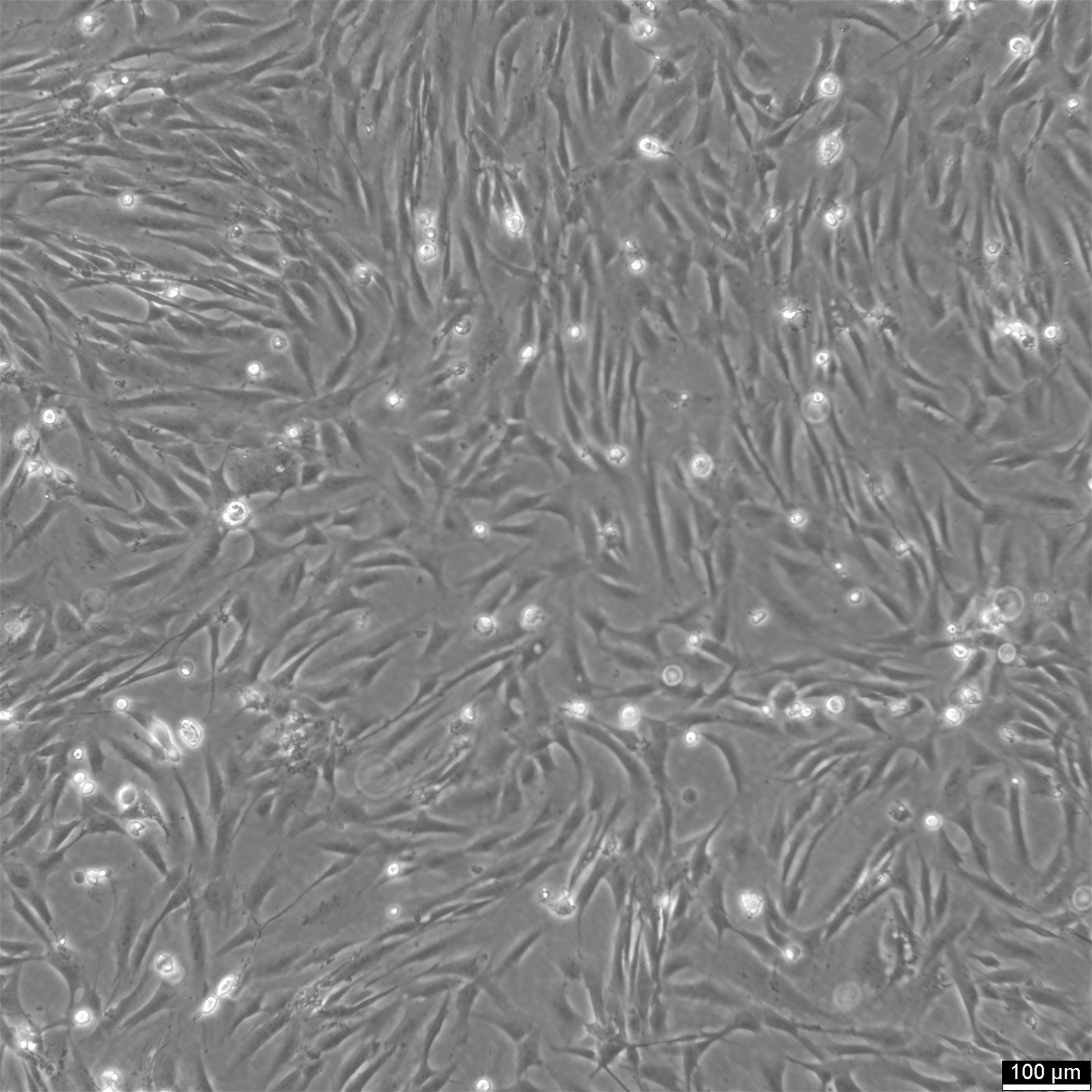
BJ Fibroblast Cells
CAD$545.10*
Products are shipped frozen on dry ice in cryotubes. Each cryotube typically contains 3 × 10⁶ cells for adherent lines or 5 × 10⁶ cells for suspension lines (refer to the batch CoA for details).
Overview of BJ cells
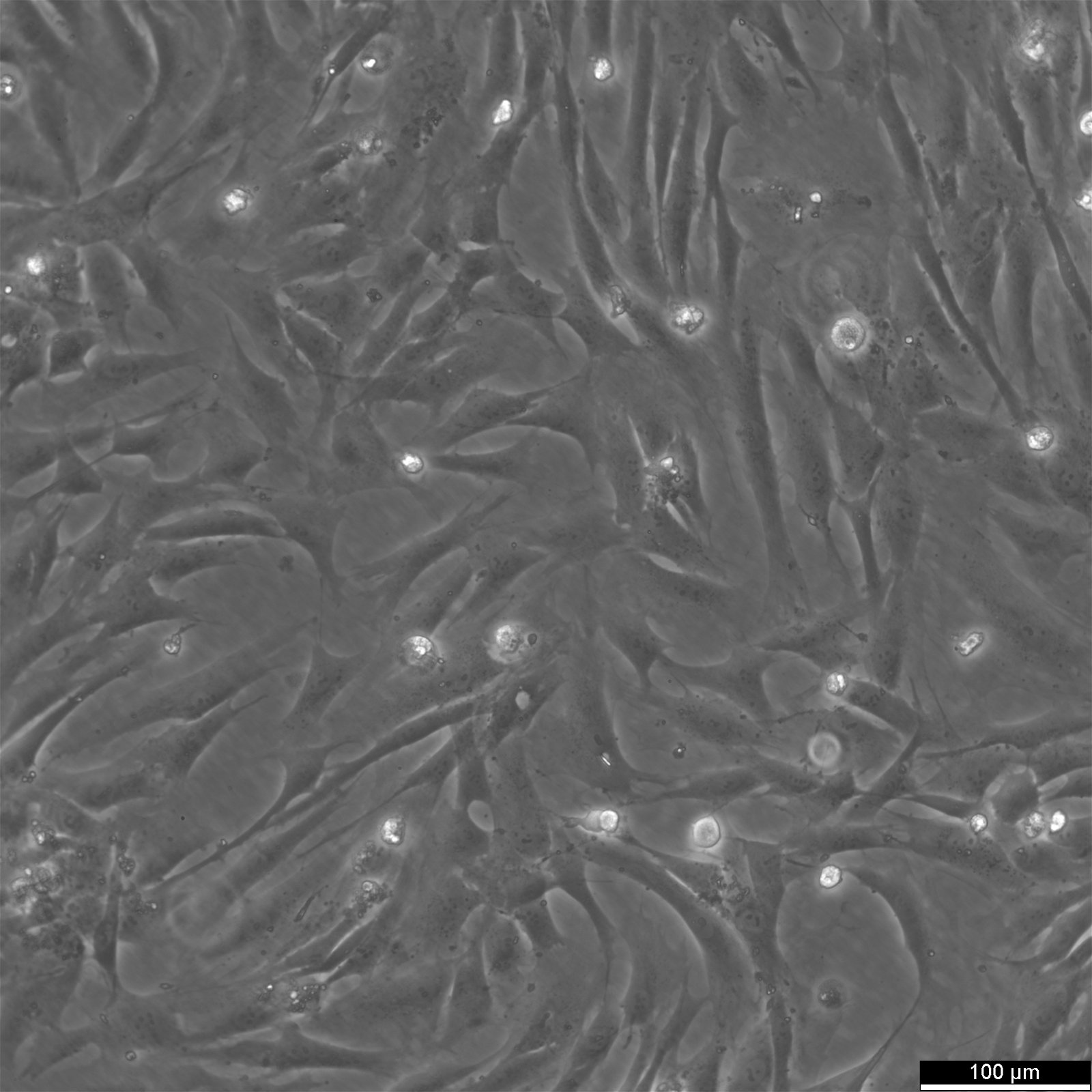
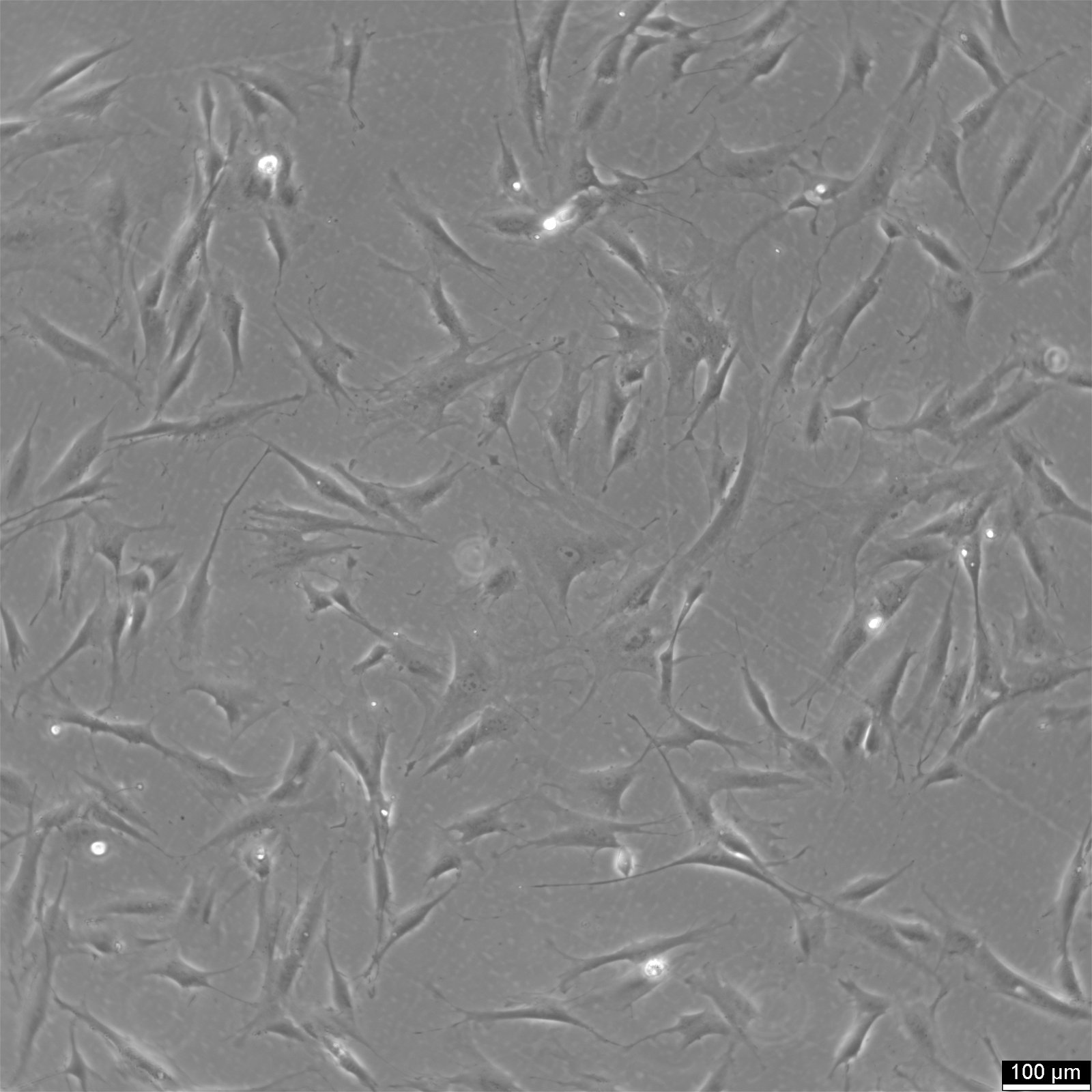
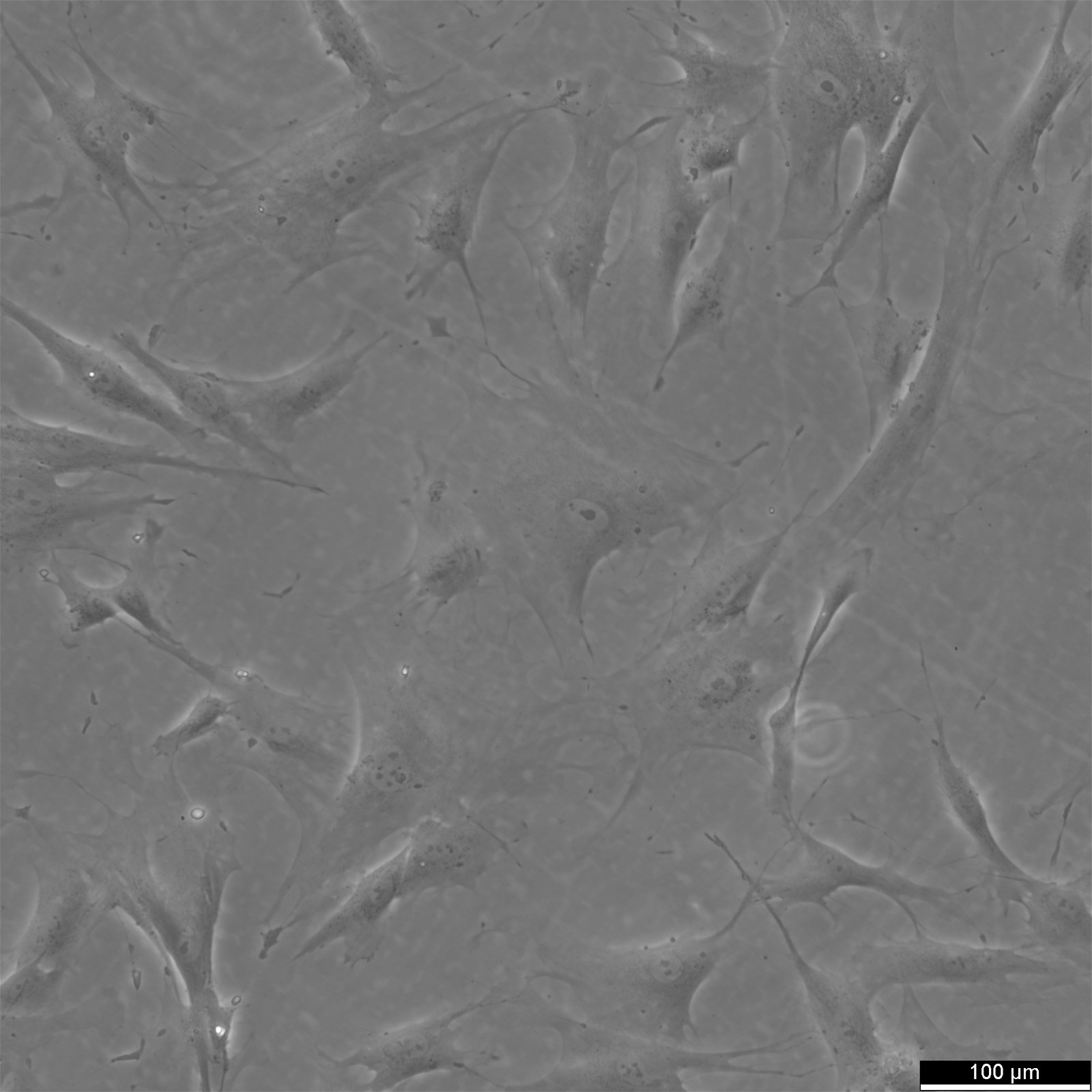
| Description | BJ cells, derived from neonatal male foreskin, are human fibroblasts, which are a type of cell found in connective tissue. They are often used in biological and medical research due to their ability to proliferate and their human origin, making them relevant for studying human biology and disease. BJ cells, derived from human skin fibroblasts, are primarily used in studies related to cellular responses to oxidative stress, contributing to our understanding of aging, disease mechanisms, and cellular defense against oxidative damage. The cells further present a viable alternative to mouse BALB/c 3T3 cells for in vitro toxicological evaluations, particularly in the Neutral Red Uptake (NRU) assay. This assay is widely used to assess cytotoxic effects by measuring cell viability through the uptake of neutral red dye. The absence of strong telomerase activity in the BJ human foreskin fibroblasts, independent of hTERT, highlights their role in studying premature senescence, elongation of telomeres, and the effects of hyperoxia on telomere length. The human cell lines BJ and HaCaT are often used together in dermatological research due to their complementary nature in representing key aspects of skin physiology. HaCaT cells, being human keratinocytes, serve as a model for the epidermal layer of the skin, while BJ cells, derived from human fibroblasts, represent the dermal layer. This combination allows for a comprehensive study of skin responses at both the epidermal and dermal levels, making them invaluable for investigating skin aging, wound healing, and the effects of various treatments on skin health. In summary, BJ cells, also known as human BJ fibroblasts, serve as a versatile model in biological research, offering insights into the impact of environmental exposures, cellular senescence, and radical biology. |
|---|---|
| Organism | Human |
| Tissue | Foreskin |
| Synonyms | FF-WT-BJ, BJ1 |
Details
| Age | Less than 1 month |
|---|---|
| Gender | Male |
| Ethnicity | Caucasian |
| Morphology | Fibroblast |
| Cell type | Fibroblast of foreskin |
| Growth properties | Adherent |
Documentation about the BJ skin cell line
| Citation | BJ (Cytion catalog number 305222) |
|---|---|
| Biosafety level | 1 |
| NCBI_TaxID | 9606 |
| CellosaurusAccession | CVCL_3653 |
Genetic characteristics
| Karyotype | BJ cells maintain a normal diploid karyotype. However, beyond a certain population doubling, an abnormal karyotype indicative of genetic alterations may emerge. |
|---|
Culturing guidelines
| Culture Medium | DMEM, w: 4.5 g/L Glucose, w: 4 mM L-Glutamine, w: 3.7 g/L NaHCO3, w: 1.0 mM Sodium pyruvate (Cytion article number 820300a) |
|---|---|
| Supplements | Supplement the medium with 10% FBS, 20 ng/mL bFGF |
| Dissociation Reagent | Accutase |
| Subculturing | Remove the old medium from the adherent cells and wash them with PBS that lacks calcium and magnesium. For T25 flasks, use 3-5 ml of PBS, and for T75 flasks, use 5-10 ml. Then, cover the cells completely with Accutase, using 1-2 ml for T25 flasks and 2.5 ml for T75 flasks. Let the cells incubate at room temperature for 8-10 minutes to detach them. After incubation, gently mix the cells with 10 ml of medium to resuspend them, then centrifuge at 300xg for 3 minutes. Discard the supernatant, resuspend the cells in fresh medium, and transfer them into new flasks that already contain fresh medium. |
| Freeze medium | As a cryopreservation medium, we use complete growth medium (including FBS) + 10% DMSO for adequate post-thaw viability, or CM-1 (Cytion catalog number 800100), which includes optimized osmoprotectants and metabolic stabilizers to enhance recovery and reduce cryo-induced stress. |
| Thawing and Culturing Cells |
|
| Incubation Atmosphere | 37°C, 5% CO2, humidified atmosphere. |
| Shipping Conditions | Cryopreserved cell lines are shipped on dry ice in validated, insulated packaging with sufficient refrigerant to maintain approximately −78 °C throughout transit. On receipt, inspect the container immediately and transfer vials without delay to appropriate storage. |
| Storage Conditions | For long-term preservation, place vials in vapor-phase liquid nitrogen at about −150 to −196 °C. Storage at −80 °C is acceptable only as a short interim step before transfer to liquid nitrogen. |
Quality assesment of the BJ fibroblast cell line
| Sterility | Mycoplasma contamination is excluded using both PCR-based assays and luminescence-based mycoplasma detection methods. To ensure there is no bacterial, fungal, or yeast contamination, cell cultures are subjected to daily visual inspections. |
|---|
Certificate of Analysis (CoA)
| Lot Number | Certificate Type | Date | Catalog Number |
|---|---|---|---|
| 305222-130525 | Certificate of Analysis | 21. Jul. 2025 | 305222 |
| 305222-160425 | Certificate of Analysis | 23. May. 2025 | 305222 |
| 305222-090224 | Certificate of Analysis | 21. Jul. 2025 | 305222 |