HaCaT Cells
CAD$759.00*
Products are shipped frozen on dry ice in cryotubes. Each cryotube typically contains 3 × 10⁶ cells for adherent lines or 5 × 10⁶ cells for suspension lines (refer to the batch CoA for details).
Essential facts about Hacat cells
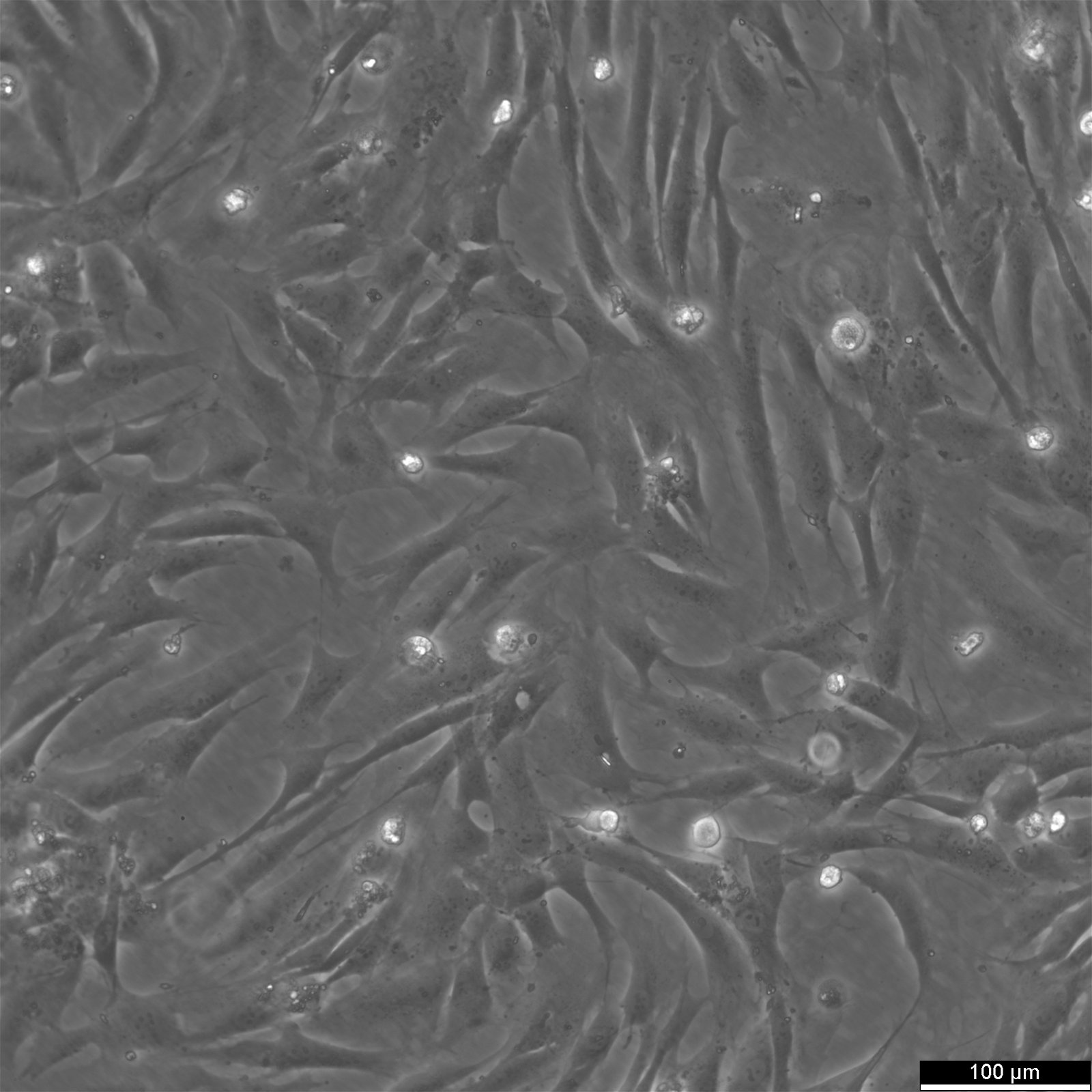
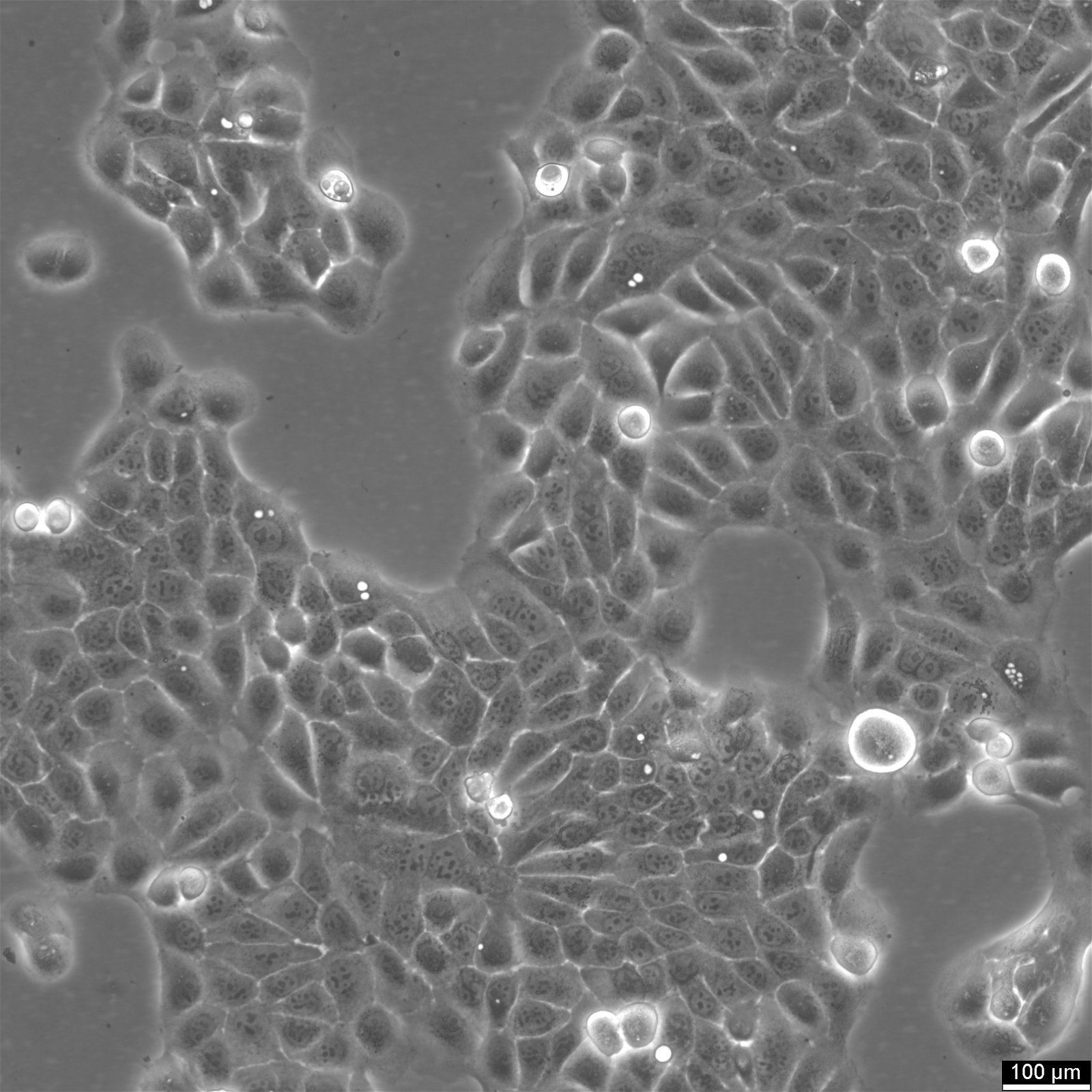
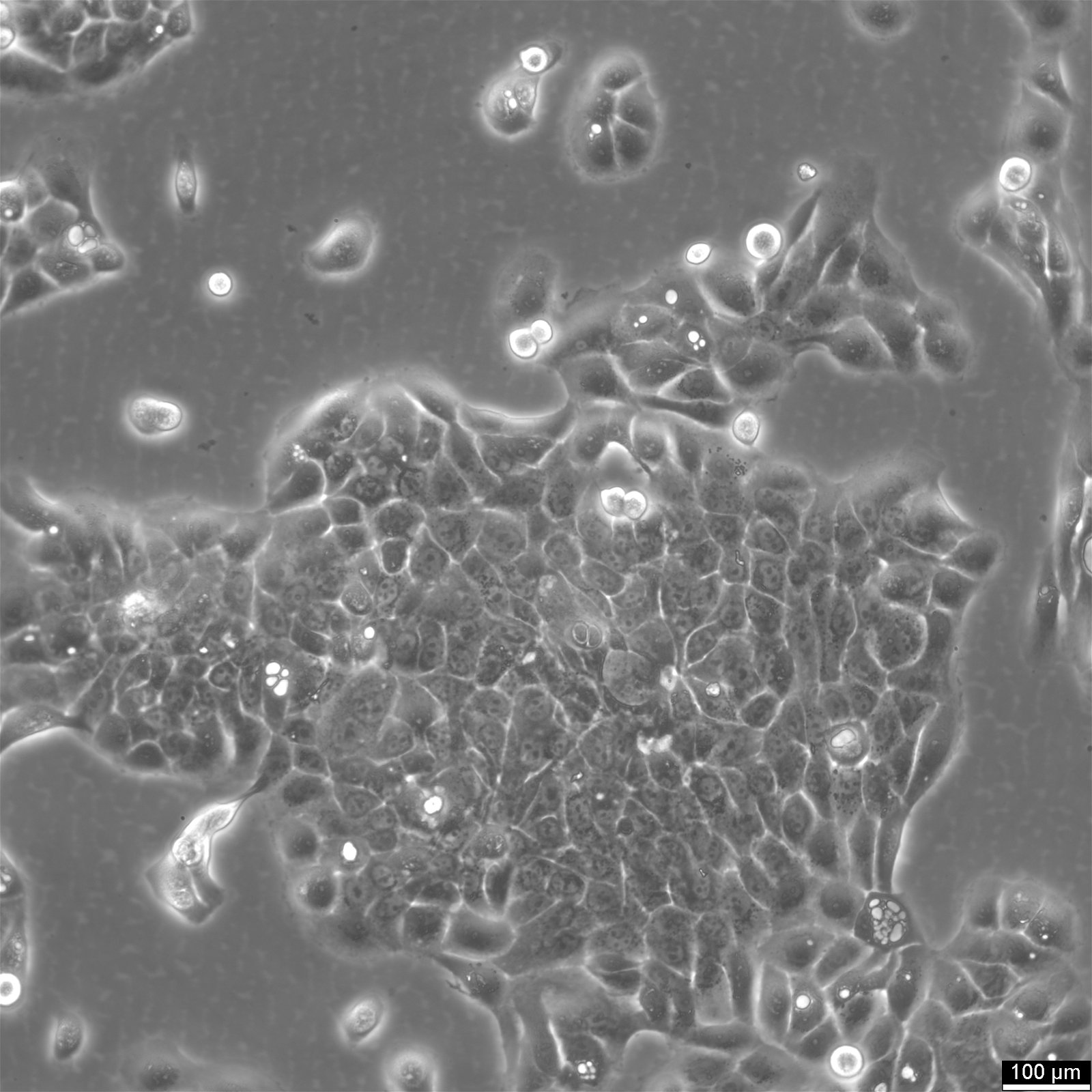
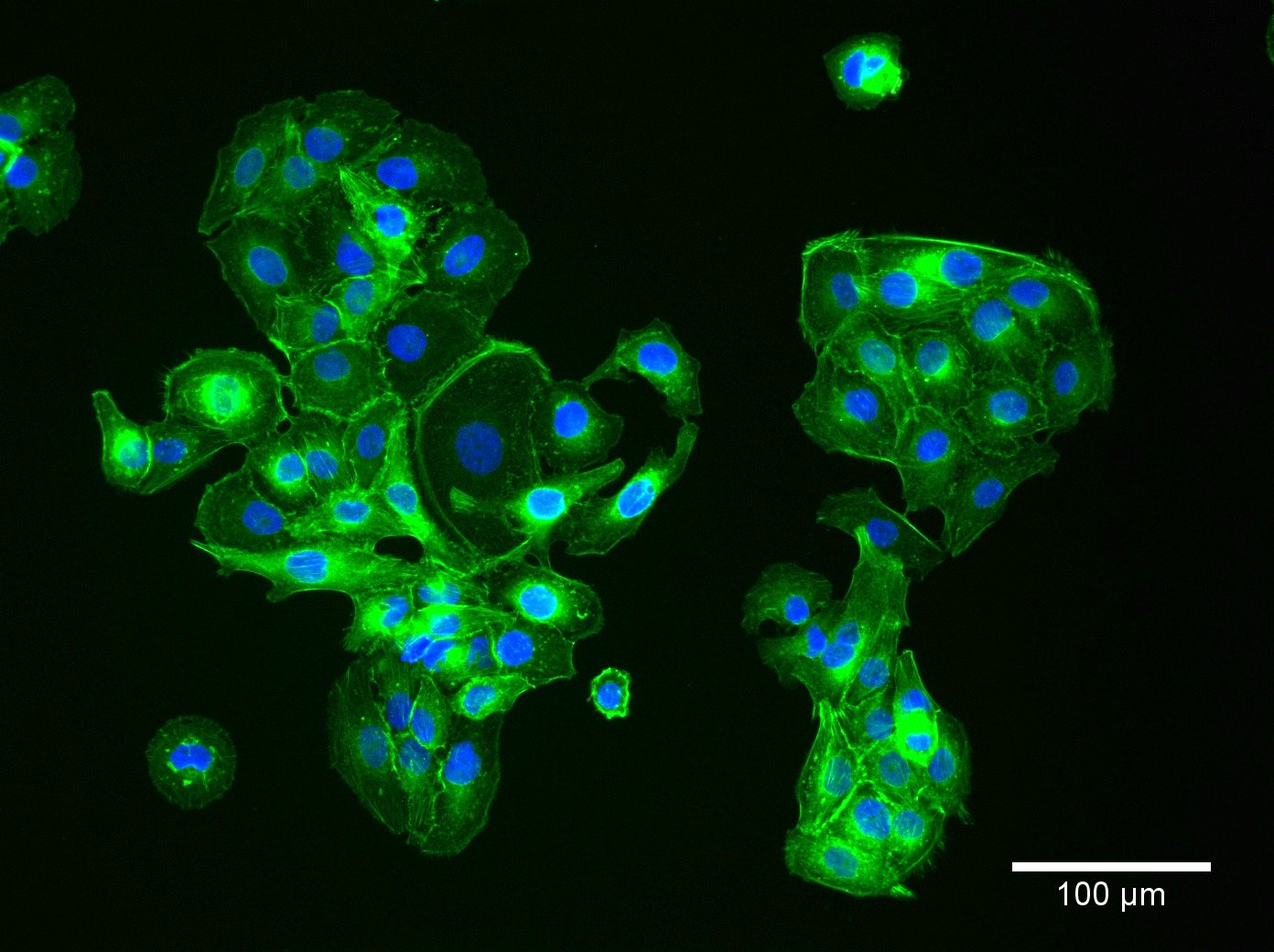
| Description | HaCaT cells are a pivotal model in dermatological research, offering insights into the complex mechanisms of skin biology and pathology. The spontaneously immortalized HaCaT cell line is derived from adult human epidermal cells and retains the capacity to proliferate and undergo differentiation, similar to basal keratinocytes in vivo. HaCaT cells serve as a robust platform for investigating the epidermal differentiation process and studying the epidermal differentiation markers essential for maintaining skin integrity. The susceptibility of HaCaT cells to apoptosis and their sensitivity to apoptosis-inducing agents are extensively studied, particularly in the context of cytotoxic agents like RIPL. Researchers assess these agents' cytotoxicities and the extent of cytotoxicity using HaCaT cells, utilizing techniques such as fluorescence microscopy to visualize cellular changes. Researchers have leveraged HaCaT cells to examine the effects of various agents, including antimicrobial substrates and their influence on cell viability. These cells are an excellent substrate for testing antimicrobial biomaterials and antimicrobial atelocollagen substrates, crucial for skin repair and medical applications. The HaCaT epidermal line also plays a crucial role in studying cellular senescence, cytokines, and gene expression profiles related to aging and chronic diseases. The transcriptional profiles of HaCaT cells, including the role of κB and microRNAs, provide insight into the regulatory mechanisms at the molecular level. The HaCaT keratinocyte line, with their characteristics as epidermal keratinocytes, offers a tractable system for dissecting the intricate interplay between epidermal cells and the immune system, specifically the role of keratinocytes in disease states. They enable the exploration of epigenetic modifications and their influence on the differentiation of keratinocytes, including the formation of the cornified envelope, a key feature in the skin's barrier function. In summary, HaCaT cells are an indispensable model in dermatological research, facilitating a deeper understanding of skin biology and pathology through their resemblance to basal keratinocytes and their ability to undergo cell growth and differentiation. Their application spans from studying epidermal differentiation and antimicrobial effects to exploring cellular responses such as apoptosis, making them a cornerstone in cell biology and biomedical research. |
|---|---|
| Organism | Human |
| Tissue | Skin |
Details
| Age | 62 years |
|---|---|
| Gender | Male |
| Ethnicity | Caucasian |
| Cell type | Keratinocytes with a diameter of 20-25 micrometer. |
| Growth properties | Adherent |
Documentation
| Citation | HaCaT (Cytion catalog number 300493) |
|---|---|
| Biosafety level | 1 |
| NCBI_TaxID | 9606 |
| CellosaurusAccession | CVCL_0038 |
Genetics of the HaCaT keratinocyte cell line
| Tumorigenic | No |
|---|---|
| Karyotype | Aneuploid (hypotetraploid) |
Handling the Hacat cell line
| Culture Medium | DMEM, w: 4.5 g/L Glucose, w: 4 mM L-Glutamine, w: 3.7 g/L NaHCO3, w: 1.0 mM Sodium pyruvate (Cytion article number 820300a) |
|---|---|
| Supplements | Supplement the medium with 10% FBS |
| Dissociation Reagent | The 1:1 mixture of EDTA (stock. 0.05%) and trypsin (stock: 0.1%) must be prepared each time ahead of detaching the cells using PBS without Ca2+ and Mg2+ to provide a physiologic osmolarity. Ready-to-use mixtures of trypsin/EDTA are not recommended, as this may result in cell clumps. As an alternative, TrypLE Express (Life Technologies) instead of trypsin/EDTA can be used. The protocol of the manufacturer should be followed. |
| Doubling time | The doubling time of HaCaT cells is 28 hours. |
| Subculturing |
|
| Seeding density | 1 x 10⁴ cells/cm2 |
| Fluid renewal | 2 times per week |
| Freeze medium | As a cryopreservation medium, we use complete growth medium (including FBS) + 10% DMSO for adequate post-thaw viability, or CM-1 (Cytion catalog number 800100), which includes optimized osmoprotectants and metabolic stabilizers to enhance recovery and reduce cryo-induced stress. |
| Thawing and Culturing Cells |
|
| Incubation Atmosphere | 37°C, 5% CO2, humidified atmosphere. |
| Shipping Conditions | Cryopreserved cell lines are shipped on dry ice in validated, insulated packaging with sufficient refrigerant to maintain approximately −78 °C throughout transit. On receipt, inspect the container immediately and transfer vials without delay to appropriate storage. |
| Storage Conditions | For long-term preservation, place vials in vapor-phase liquid nitrogen at about −150 to −196 °C. Storage at −80 °C is acceptable only as a short interim step before transfer to liquid nitrogen. |
Quality assurance
| Sterility | Mycoplasma contamination is excluded using both PCR-based assays and luminescence-based mycoplasma detection methods. To ensure there is no bacterial, fungal, or yeast contamination, cell cultures are subjected to daily visual inspections. |
|---|
Certificate of Analysis (CoA)
| Lot Number | Certificate Type | Date | Catalog Number |
|---|---|---|---|
| 300493-250324 | Certificate of Analysis | 23. May. 2025 | 300493 |
| 300493-190723 | Certificate of Analysis | 23. May. 2025 | 300493 |
| 300493-190124 | Certificate of Analysis | 23. May. 2025 | 300493 |
| 300493-170225SF | Certificate of Analysis | 23. May. 2025 | 300493 |
| 300493-170225 | Certificate of Analysis | 23. May. 2025 | 300493 |
| 300493-040424 | Certificate of Analysis | 23. May. 2025 | 300493 |