
U937 Cells
US$ 395,00*
Products are shipped frozen on dry ice in cryotubes. Each cryotube typically contains 3 × 10⁶ cells for adherent lines or 5 × 10⁶ cells for suspension lines (refer to the batch CoA for details).
U937 Cell Line: Bridging monocytes and macrophages in research
| Descrição | The U937 cell line, established from the pleural effusion of a patient with generalized histiocytic lymphoma in 1976, has become an essential cellular model in the field of immunology, particularly in studies related to monocyte and macrophage biology. U937 cells have contributed significantly to our understanding of cell differentiation, immune response, and the pathogenesis of diseases like leukemia. The U937 cell line is extensively utilized in immunological and hematological research due to its remarkable ability to differentiate into monocyte or macrophage-like cells when treated with agents like retinoids, Vitamin D3, and phorbol esters such as TPA (12-O-Tetradecanoylphorbol-13-acetate). This differentiation capacity is crucial for studying various aspects of monocyte and macrophage biology, including phagocytosis, antigen presentation, and cytokine production. Upon differentiation, U937 cells adopt functional characteristics akin to those of mature immune cells, making them an invaluable model for investigating the monocyte-endothelium adhesion process, a critical step in the immune response and inflammation. Moreover, these cells have been employed to delve into the complex regulation of inflammatory gene expression and the signaling pathways involved, particularly the NF-κB pathway. U937 cells are also widely used in the study of apoptosis, or programmed cell death. These cells are particularly useful for investigating the molecular pathways leading to apoptosis, the effects of various stimuli or drugs on apoptotic processes, and the interplay between apoptosis and other cellular functions like cell cycle regulation and differentiation. In summary, the U937 cell line serves as a versatile and relevant model for studying a wide range of biological processes, from cell differentiation and apoptosis and the effect of pharmacological agents. |
|---|---|
| Organismo | Human |
| Doença | Lymphoma |
| Local da metástase | Pleural effusion |
| Sinônimos | U-937, U 937 |
Characteristics
| Idade | 37 years |
|---|---|
| Gênero | Male |
| Etnia | Caucasian |
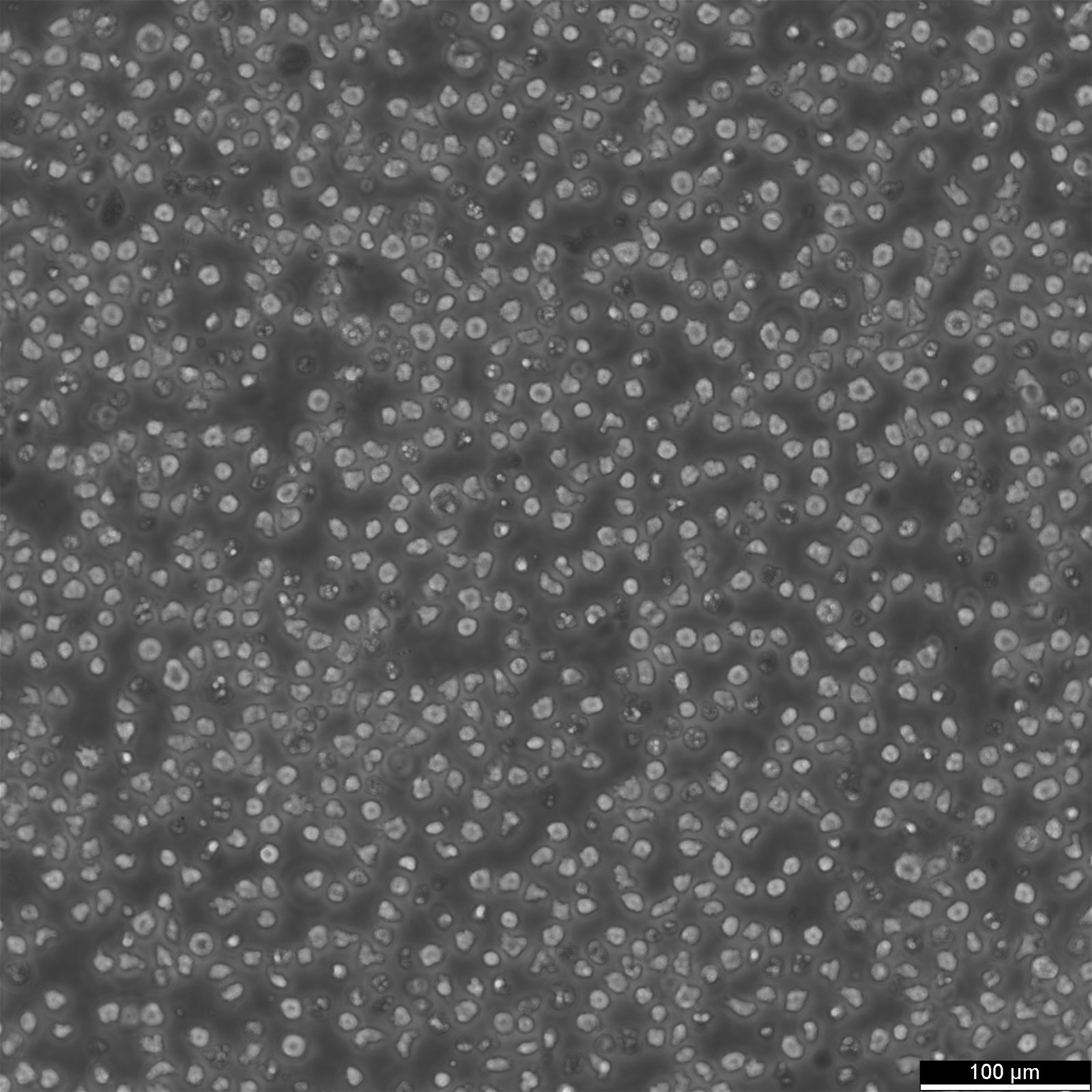
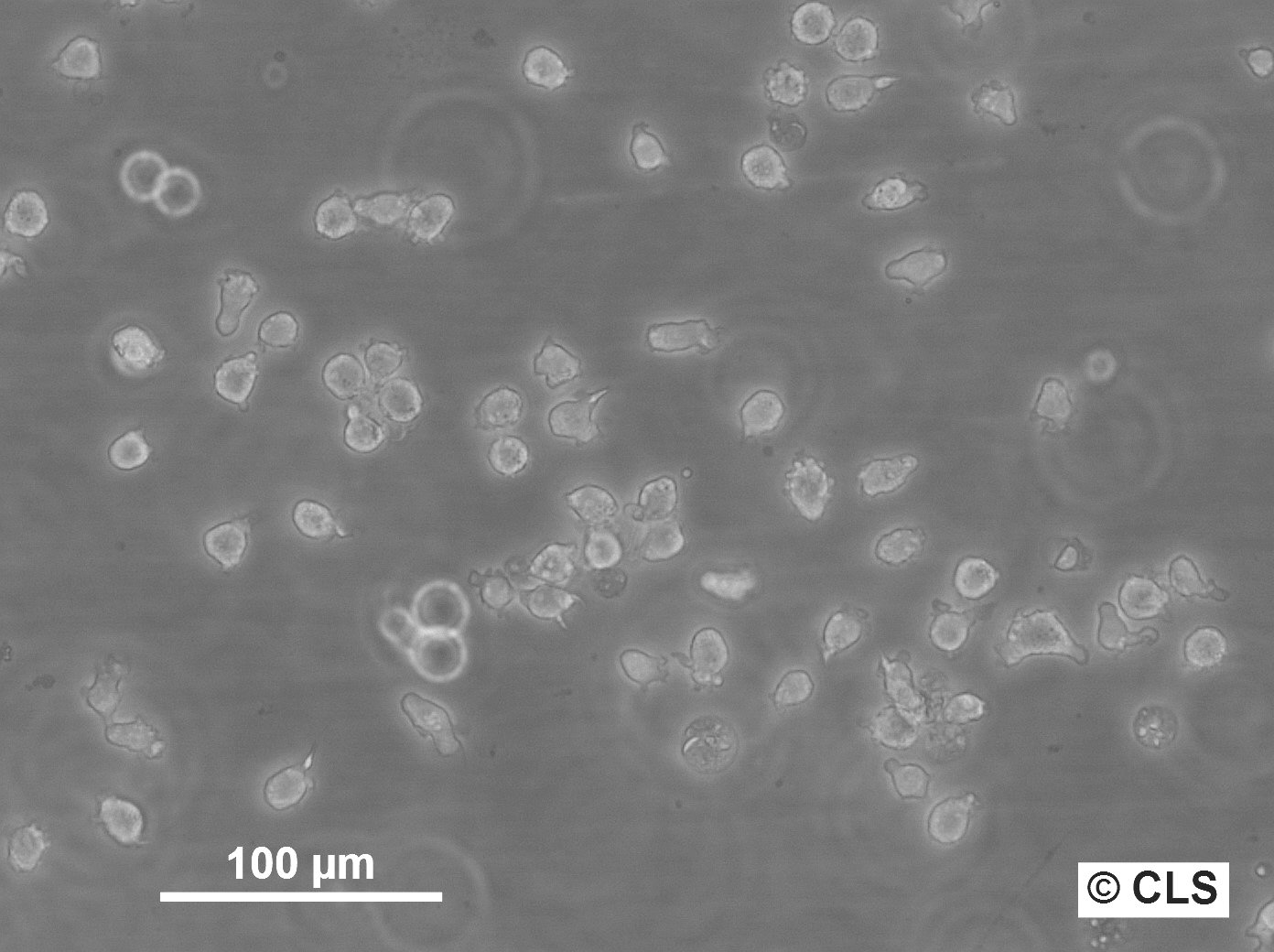
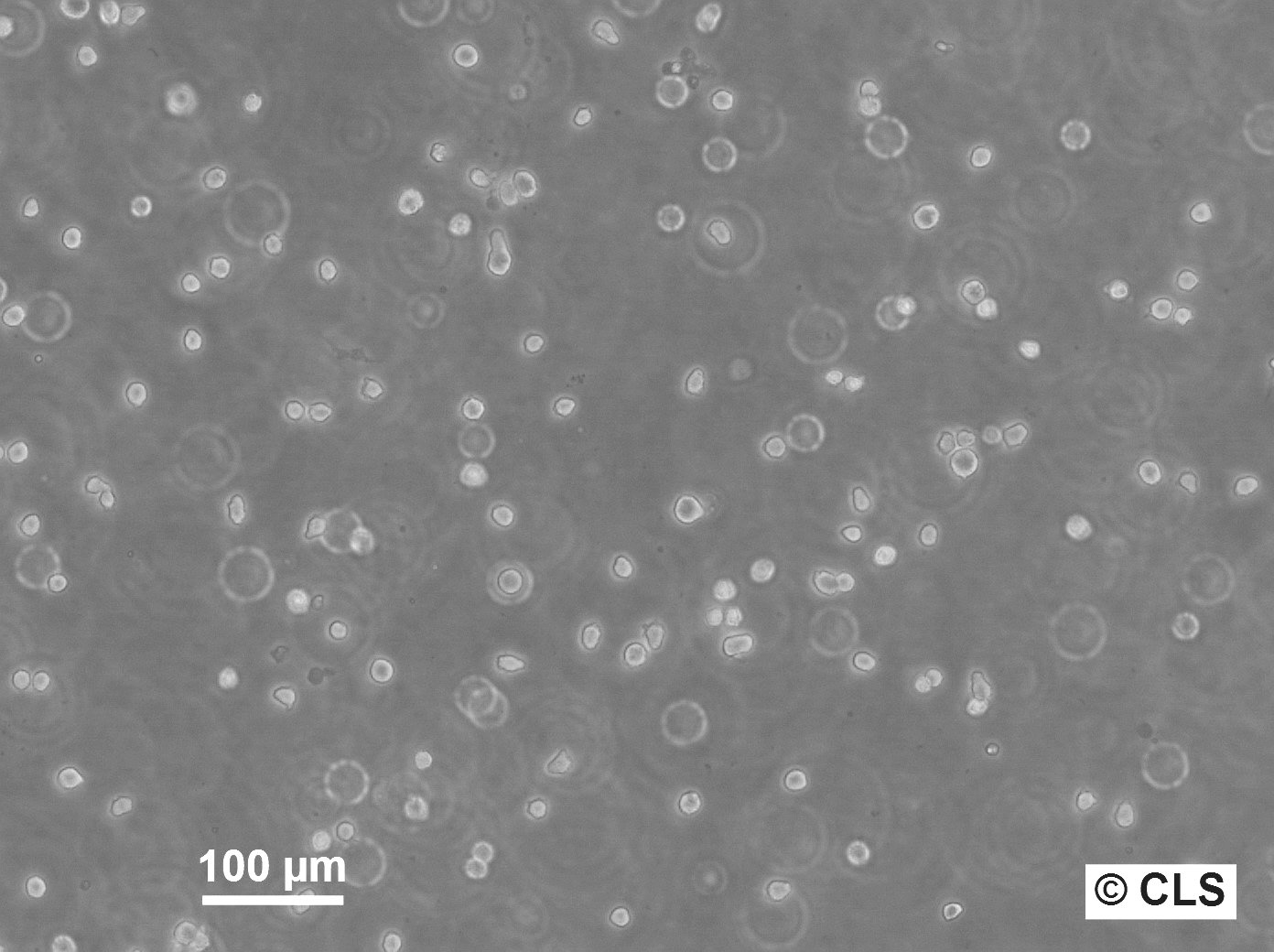
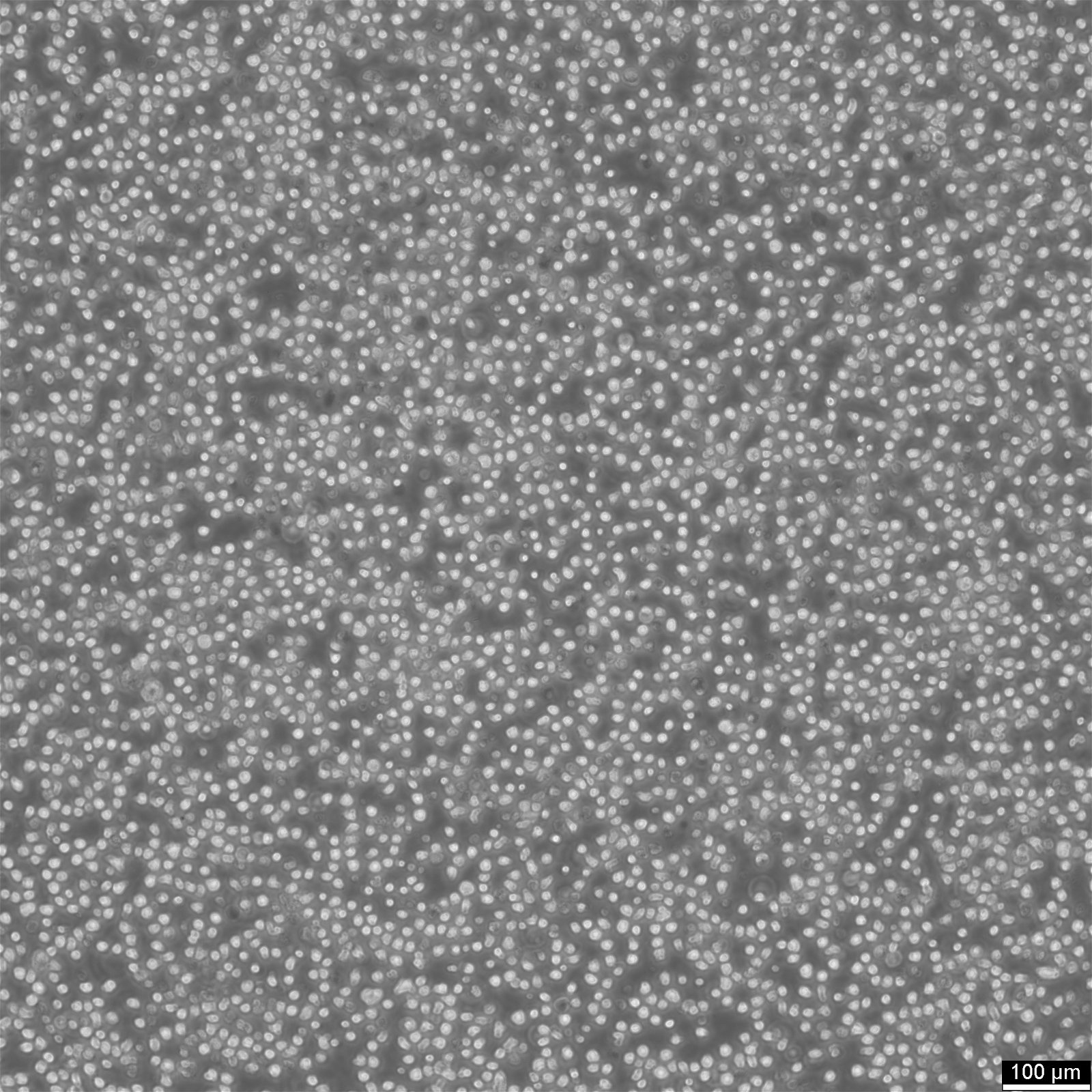
| Morfologia | Round cells |
| Tipo de célula | Monocyte-macrophage |
| Propriedades de crescimento | Suspension |
Specifications
| Referência | U937 (Cytion catalog number 300368) |
|---|---|
| Nível de biossegurança | 1 |
| NCBI_TaxID | 9606 |
| Número de acesso do Cellosaurus | CVCL_0007 |
Genetic profile
| Receptores expressos | Immunoglobulin (Fc), complement (C3) |
|---|---|
| Produtos | Lysozyme, beta-2-microglobulin (beta 2 microglobulin), tumor necrosis factor (TNF), also known as tumor necrosis factor alpha (TNF-alpha, TNF alpha), after stimulation with phorbol myristic acid (PMA) |
Handling U937 cells
| Meio de cultura | RPMI 1640, w: 2.0 mM stable Glutamine, w: 2.0 g/L NaHCO3 (Cytion article number 820700a) |
|---|---|
| Suplementos | Supplement the medium with 10% FBS |
| Tempo de duplicação | 36 hours |
| Subcultura | Gently homogenize the cell suspension in the flask by pipetting up and down, then take a representative sample to determine the cell density per ml. Dilute the suspension to achieve a cell concentration of 1 x 10⁵ cells/ml with fresh culture medium, and aliquot the adjusted suspension into new flasks for further cultivation. |
| Densidade de semeadura | 1 x 10⁵ cells/mL |
| Renovação de fluidos | 1 to 2 times per week |
| Recuperação pós-degelo | Fast |
| Meio de congelamento | As a cryopreservation medium, we use complete growth medium (including FBS) + 10% DMSO for adequate post-thaw viability, or CM-1 (Cytion catalog number 800100), which includes optimized osmoprotectants and metabolic stabilizers to enhance recovery and reduce cryo-induced stress. |
| Descongelamento e cultura de células |
|
| Atmosfera de incubação | 37°C, 5% CO2, humidified atmosphere. |
| Condições de envio | Cryopreserved cell lines are shipped on dry ice in validated, insulated packaging with sufficient refrigerant to maintain approximately −78 °C throughout transit. On receipt, inspect the container immediately and transfer vials without delay to appropriate storage. |
| Condições de armazenamento | For long-term preservation, place vials in vapor-phase liquid nitrogen at about −150 to −196 °C. Storage at −80 °C is acceptable only as a short interim step before transfer to liquid nitrogen. |
Quality verification
| Esterilidade | Mycoplasma contamination is excluded using both PCR-based assays and luminescence-based mycoplasma detection methods. To ensure there is no bacterial, fungal, or yeast contamination, cell cultures are subjected to daily visual inspections. |
|---|
Certificado de Análise (CoA)
| Número do lote | Tipo de certificado | Data | Número de catálogo |
|---|---|---|---|
| 300368-010923 | Certificado de Análise | 23. May. 2025 | 300368 |
| 300368-150524 | Certificado de Análise | 23. May. 2025 | 300368 |
| 300368-260226 | Certificado de Análise | 25. Mar. 2026 | 300368 |