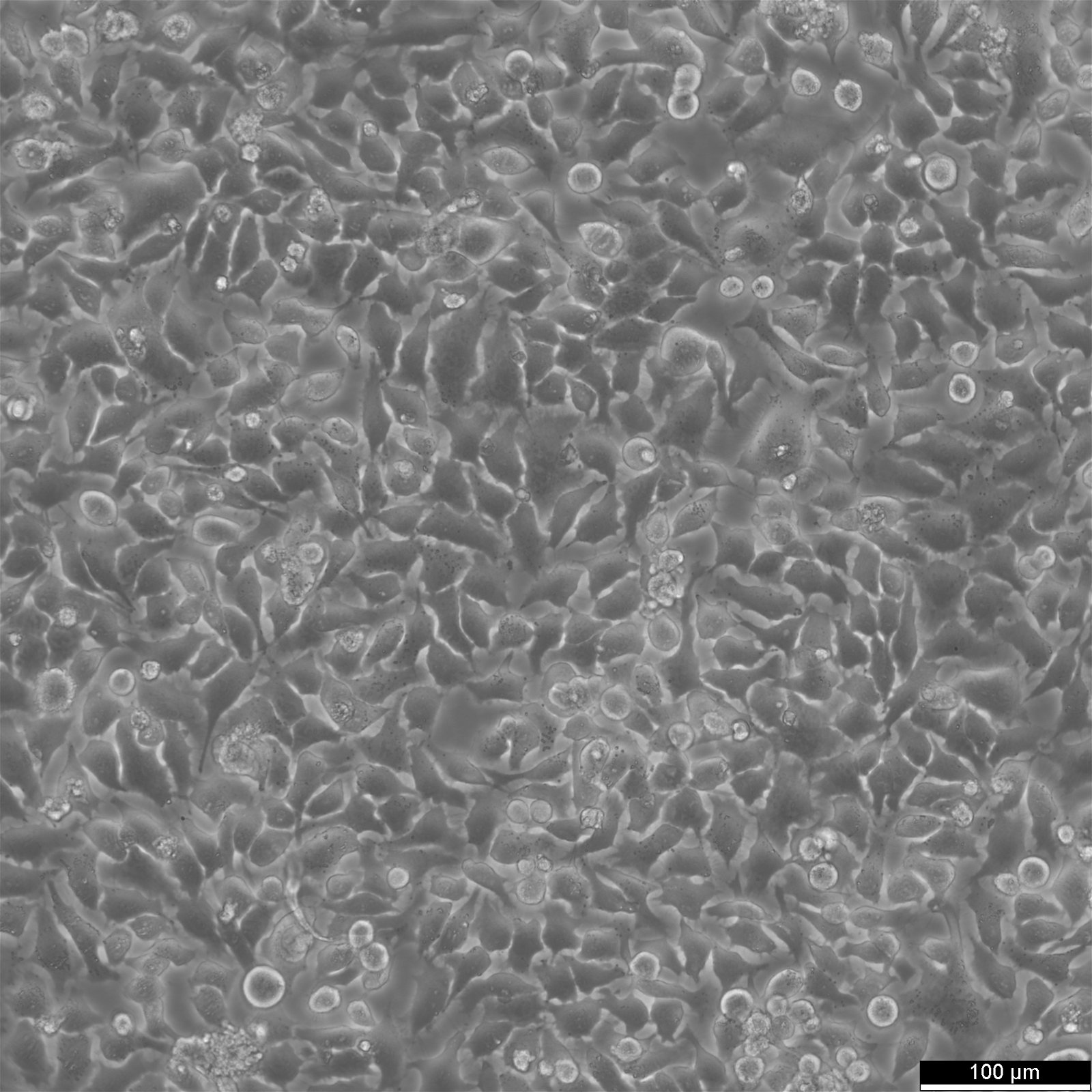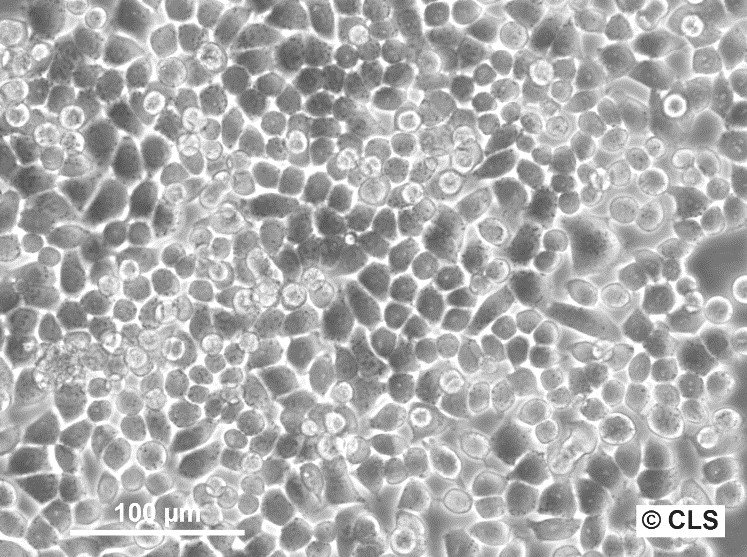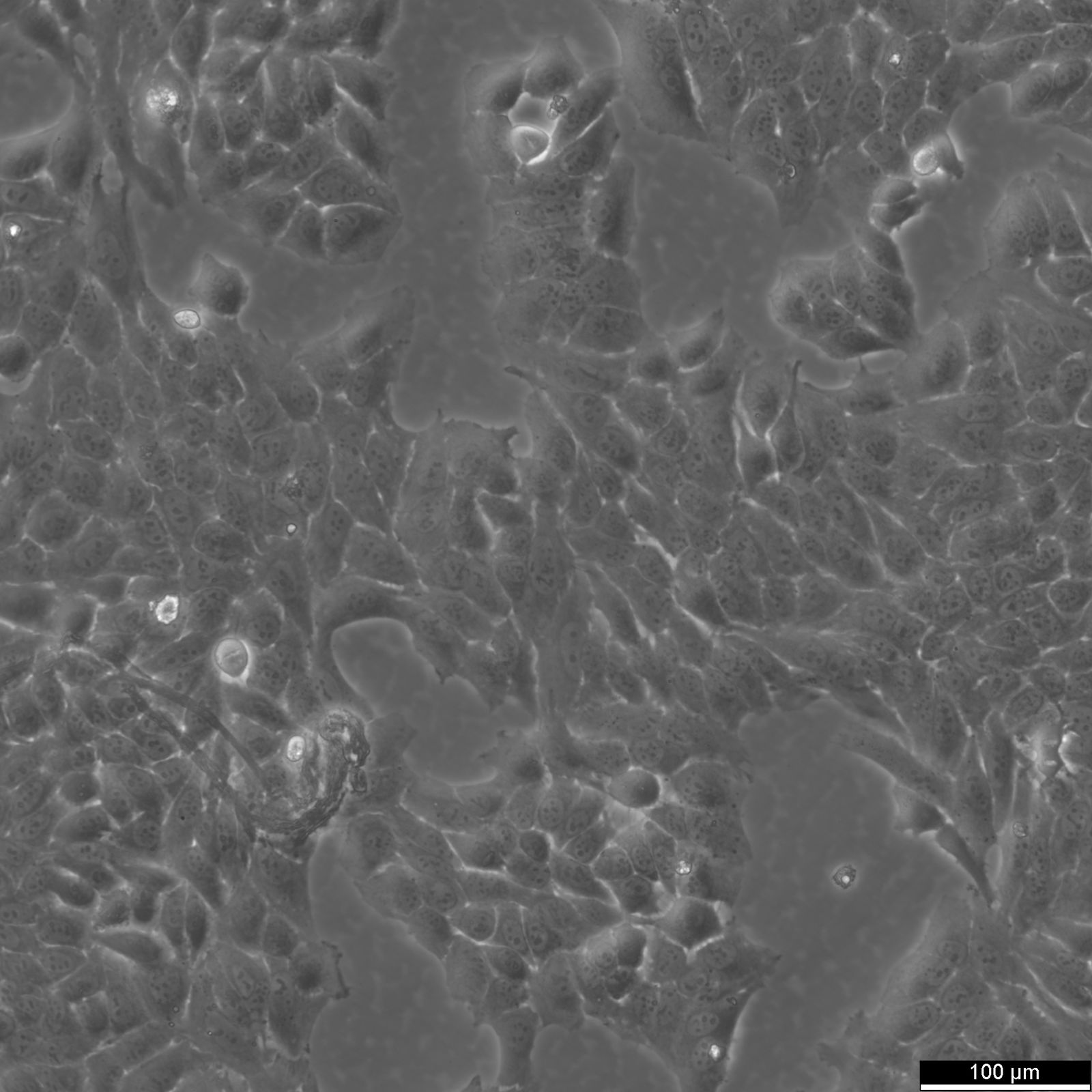
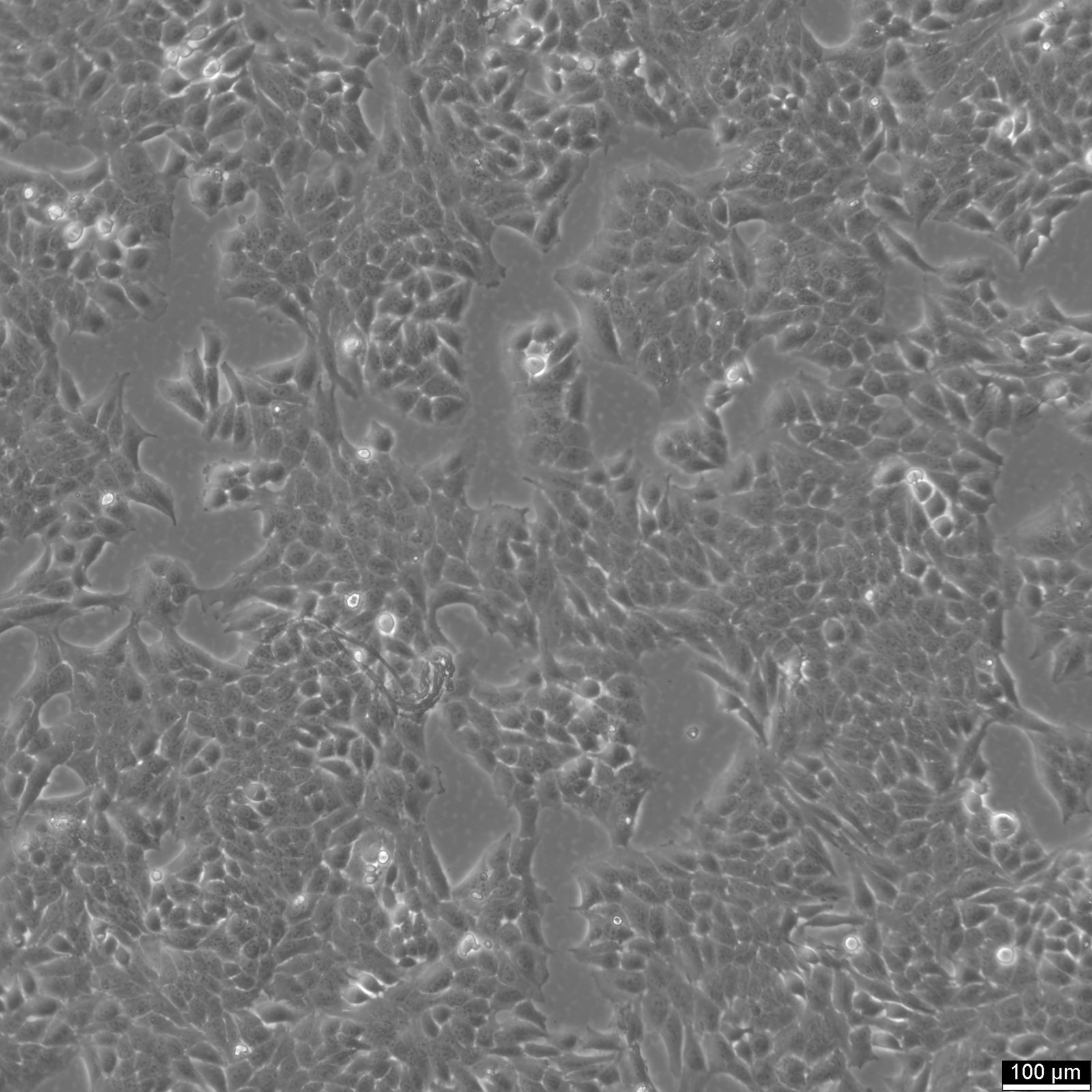
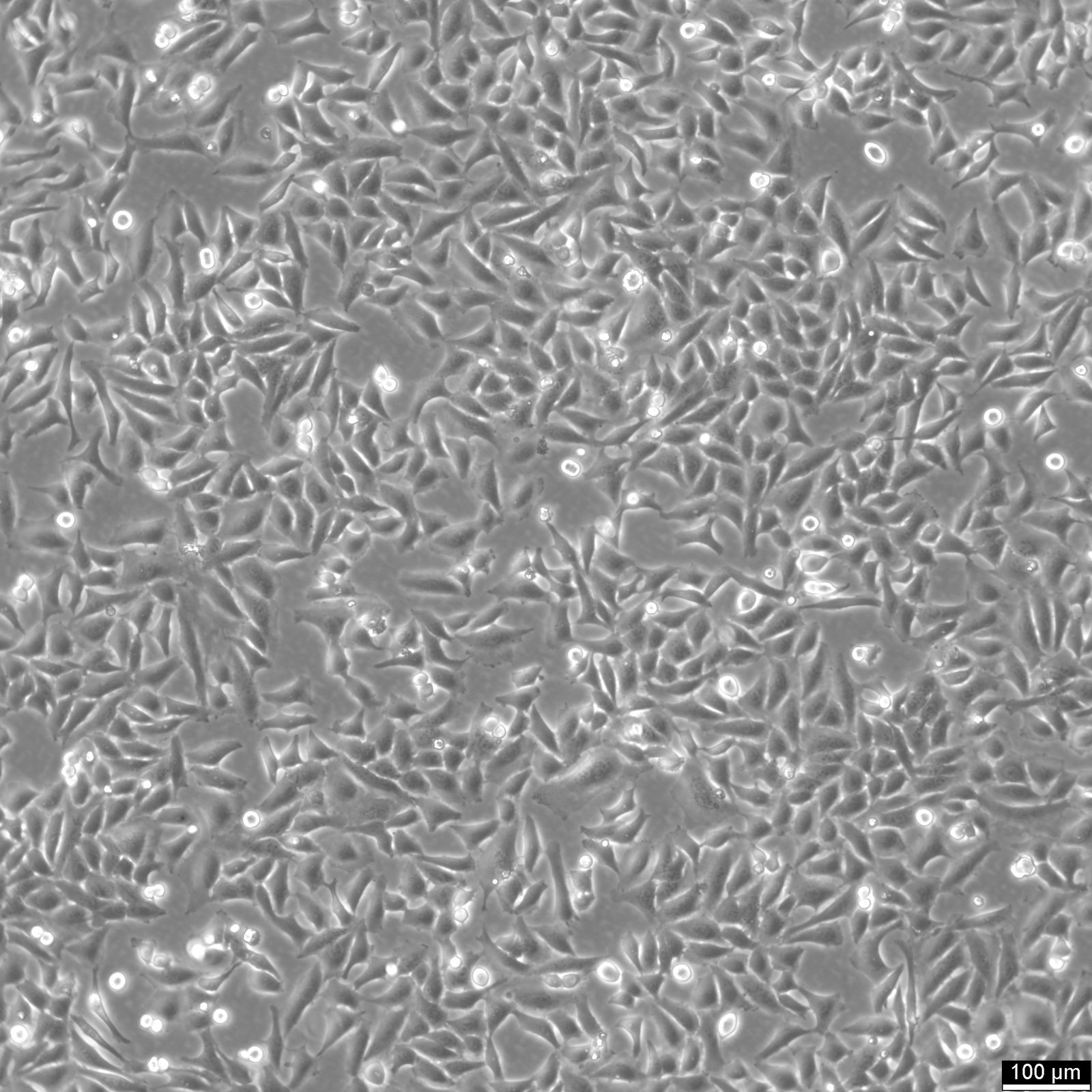
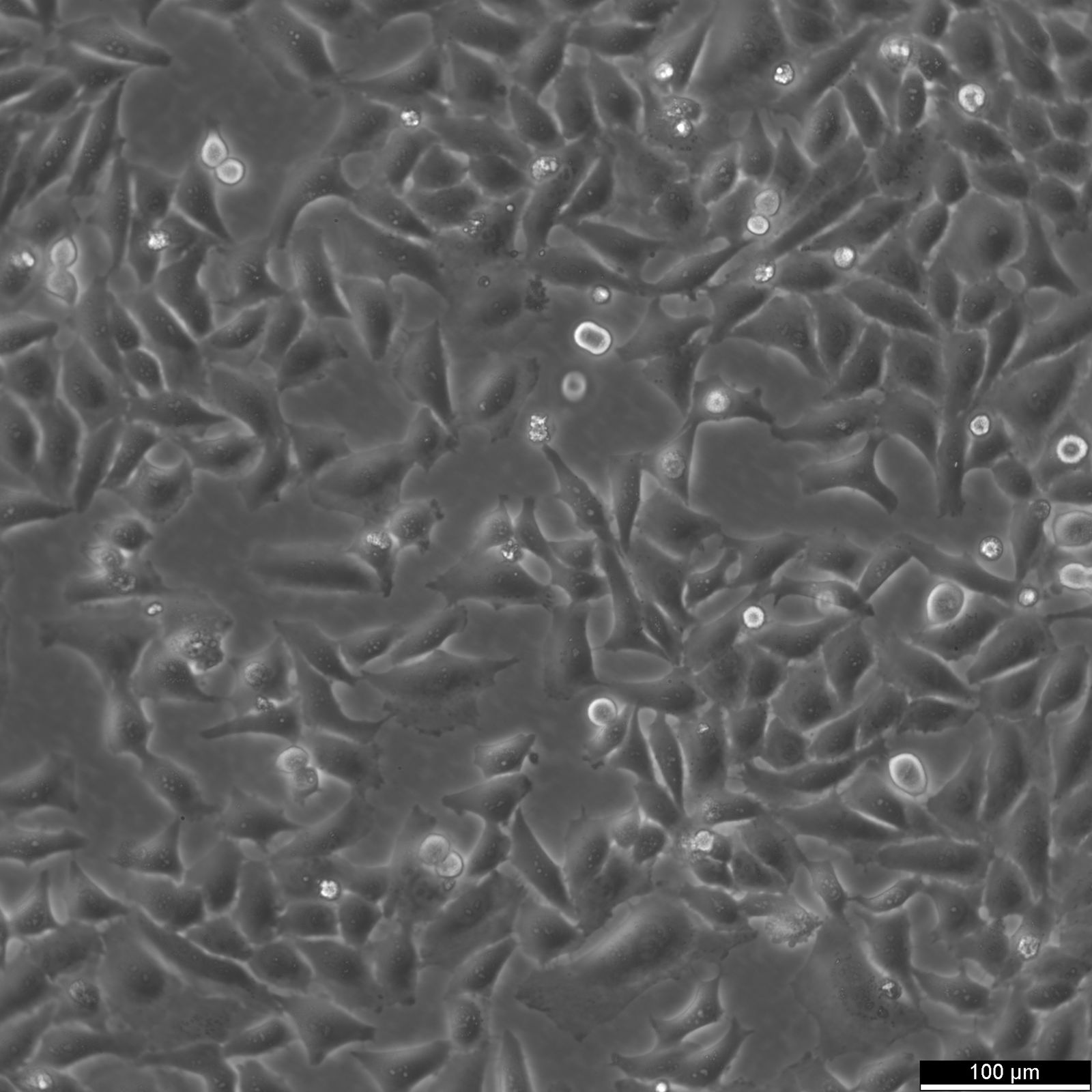
Hela 229 Cells
545,10 CAD$*
Products are shipped frozen on dry ice in cryotubes. Each cryotube typically contains 3 × 10⁶ cells for adherent lines or 5 × 10⁶ cells for suspension lines (refer to the batch CoA for details).
Renseignements généraux
| Description | The HeLa 229 cell line is a clonal derivative of the original HeLa cell line, which was the first human cell line to be continuously cultured. HeLa cells were derived from cervical cancer cells taken from Henrietta Lacks in 1951. The HeLa 229 subline is utilized in various areas of biomedical research, including cancer research, drug development, and toxicology, due to its robust growth and adaptability under laboratory conditions. One of the main characteristics of the HeLa 229 cell line is its aggressive growth and proliferation, reflecting the cancerous origin of the cells. This makes it particularly useful for studies requiring high cell yields and rapid growth, such as high-throughput screening for drug discovery. HeLa 229 cells are also highly amenable to genetic manipulation, allowing researchers to introduce foreign genes or specific mutations to study their effects on cell behavior and pathology. HeLa 229 cells continue to be a critical model in virology, as they are susceptible to a wide variety of viruses. This susceptibility makes them an excellent tool for studying viral life cycles, host-virus interactions, and the efficacy of antiviral compounds. The cell line has also been instrumental in advancing our understanding of fundamental cellular processes, such as DNA replication, transcription, and apoptosis. Despite their utility, the use of HeLa cells, including HeLa 229, raises ethical considerations regarding consent and the origins of the cell line, as the cells were originally obtained without the consent of Henrietta Lacks or her family. However, ongoing research with HeLa cells continues to contribute significantly to science, driven by their unique characteristics and historical importance in the development of modern cell biology. |
|---|---|
| Organisme | Human |
| Tissu | Cervix |
| Maladie | Human papillomavirus-related endocervical adenocarcinoma |
| Synonymes | HeLa-229, HeLa229 |
Caractéristiques
| Âge | 31 years |
|---|---|
| Genre | Female |
| Morphologie | Epithelial |
| Propriétés de croissance | Adherent |
Données réglementaires
| Référence | Hela 229 (Cytion catalog number 305056) |
|---|---|
| Niveau de biosécurité | 1 |
| NCBI_Numéro d'identification fiscale | 9606 |
| Cellosaurus - Numéro d'enregistrement | CVCL_1276 |
Données biomoléculaires
Manipulation
| Milieu de culture | EMEM (MEM Eagle), w: 2 mM L-Glutamine, w: 2.2 g/L NaHCO3, w: EBSS (Cytion article number 820100a) |
|---|---|
| Suppléments | Supplement the medium with 10% FBS, 1% NEAA and 1.0 mM Sodium pyruvate |
| Réactif de dissociation | Accutase |
| Temps de doublement | 26 hours |
| Repiquage | Remove the old medium from the adherent cells and wash them with PBS that lacks calcium and magnesium. For T25 flasks, use 3-5 ml of PBS, and for T75 flasks, use 5-10 ml. Then, cover the cells completely with Accutase, using 1-2 ml for T25 flasks and 2.5 ml for T75 flasks. Let the cells incubate at room temperature for 8-10 minutes to detach them. After incubation, gently mix the cells with 10 ml of medium to resuspend them, then centrifuge at 300xg for 3 minutes. Discard the supernatant, resuspend the cells in fresh medium, and transfer them into new flasks that already contain fresh medium. |
| Renouvellement des fluides | 2 to 3 times per week |
| Milieu de congélation | As a cryopreservation medium, we use complete growth medium (including FBS) + 10% DMSO for adequate post-thaw viability, or CM-1 (Cytion catalog number 800100), which includes optimized osmoprotectants and metabolic stabilizers to enhance recovery and reduce cryo-induced stress. |
| Décongélation et culture des cellules |
|
| Atmosphère d'incubation | 37°C, 5% CO2, humidified atmosphere. |
| Conditions d'expédition | Cryopreserved cell lines are shipped on dry ice in validated, insulated packaging with sufficient refrigerant to maintain approximately −78 °C throughout transit. On receipt, inspect the container immediately and transfer vials without delay to appropriate storage. |
| Conditions d'entreposage | For long-term preservation, place vials in vapor-phase liquid nitrogen at about −150 to −196 °C. Storage at −80 °C is acceptable only as a short interim step before transfer to liquid nitrogen. |
Contrôle de la qualité et analyse moléculaire
| Stérilité | Mycoplasma contamination is excluded using both PCR-based assays and luminescence-based mycoplasma detection methods. To ensure there is no bacterial, fungal, or yeast contamination, cell cultures are subjected to daily visual inspections. |
|---|
Certificat d'analyse (CoA)
| Numéro de lot | Type de certificat | Date | Numéro de catalogue |
|---|---|---|---|
| 305056-050424 | Certificat d'analyse | 23. May. 2025 | 305056 |
| 305056-171025 | Certificat d'analyse | 05. Dec. 2025 | 305056 |
-
Related products
Related products
HeLa-Luc CellsOrganisme Human Tissu Uterus, cervix Maladie Human papillomavirus-related endocervical adenocarcinoma 1 104,00 CAD$*