
3T3-L1 Cells
USD 395.00*
Products are shipped frozen on dry ice in cryotubes. Each cryotube typically contains 3 × 10⁶ cells for adherent lines or 5 × 10⁶ cells for suspension lines (refer to the batch CoA for details).
Key points about the 3T3-L1 cell line
| Descripción | 3T3-L1 cells are a clonal line of preadipocytes derived from mouse embryonic fibroblasts. These cells have become a widely used in vitro model for studying the process of adipogenesis, including adipogenesis and lipogenesis, which is the differentiation of preadipocytes into adipocytes (fat cells). The name "3T3" refers to the transfer (T) protocol that involved transferring the cells every 3 days, and "L1" signifies the particular clone that was isolated. Initially, 3T3-L1 cells exhibit a fibroblast-like morphology, but upon induction of 3T3-L1 cell differentiation, 3T3-L1 cells change from a preadipocyte to a mature adipocyte state and accumulate lipid droplets, a hallmark of obesity and metabolic syndrome. The differentiation process from 3T3-L1 preadipocytes to 3T3-L1 adipocytes is triggered by a specific cocktail of inducers, typically including dexamethasone, 3-isobutyl-1-methylxanthine (IBMX), and insulin. As 3T3-L1 adipocytes adopt the characteristics of mature adipocytes, they begin to express genes that are crucial for adipocyte function, such as those coding for enzymes involved in fatty acid metabolism and hormones like leptin and adiponectin, which play vital roles in regulating appetite, energy balance, and insulin sensitivity. Studying 3T3-L1 cell transformations enhances our understanding of adipogenesis and obesity and fat-related diseases, such as type 2 diabetes, by revealing how lipid accumulation in adipocytes leads to cellular dysfunction and broader metabolic issues. Moreover, the 3T3-L1 cell line is instrumental in investigating the impact of various substances on adipocyte behavior, such as the effect of pharmacological agents on lipolysis or the anti-inflammatory properties of certain diets that may prevent insulin resistance. 3T3-L1 cells have been extensively used to study the molecular and cellular mechanisms underlying adipocyte differentiation, insulin sensitivity, lipid metabolism, and the effects of various nutritional and pharmacological agents on these processes. Given their ability to differentiate into adipocytes and their ease of culture in vitro, 3T3-L1 cells provide a valuable model system for obesity and diabetes research, as well as for the discovery of new therapeutic targets related to metabolic dise |
|---|---|
| Organismo | Mouse |
| Tejido | Embryonic |
| Lugar de metástasis | Not applicable (embryonic preadipocyte; non-tumorigenic) |
| Aplicaciones | 3T3-L1 cells have been used as a model system for understanding the molecular mechanisms that regulate adipogenesis and lipid metabolism, and have been utilized in research related to obesity, diabetes, and metabolic diseases. They are also a viable transfection host. |
| Sinónimos | 3T3 L1, 3T3L1, 3T3-L1 ad, NIH-3T3-L1, NIH3T3-L1 |
Aspects
| Raza/Subespecie | Swiss albino |
|---|---|
| Edad | Embryo |
| Género | Male |
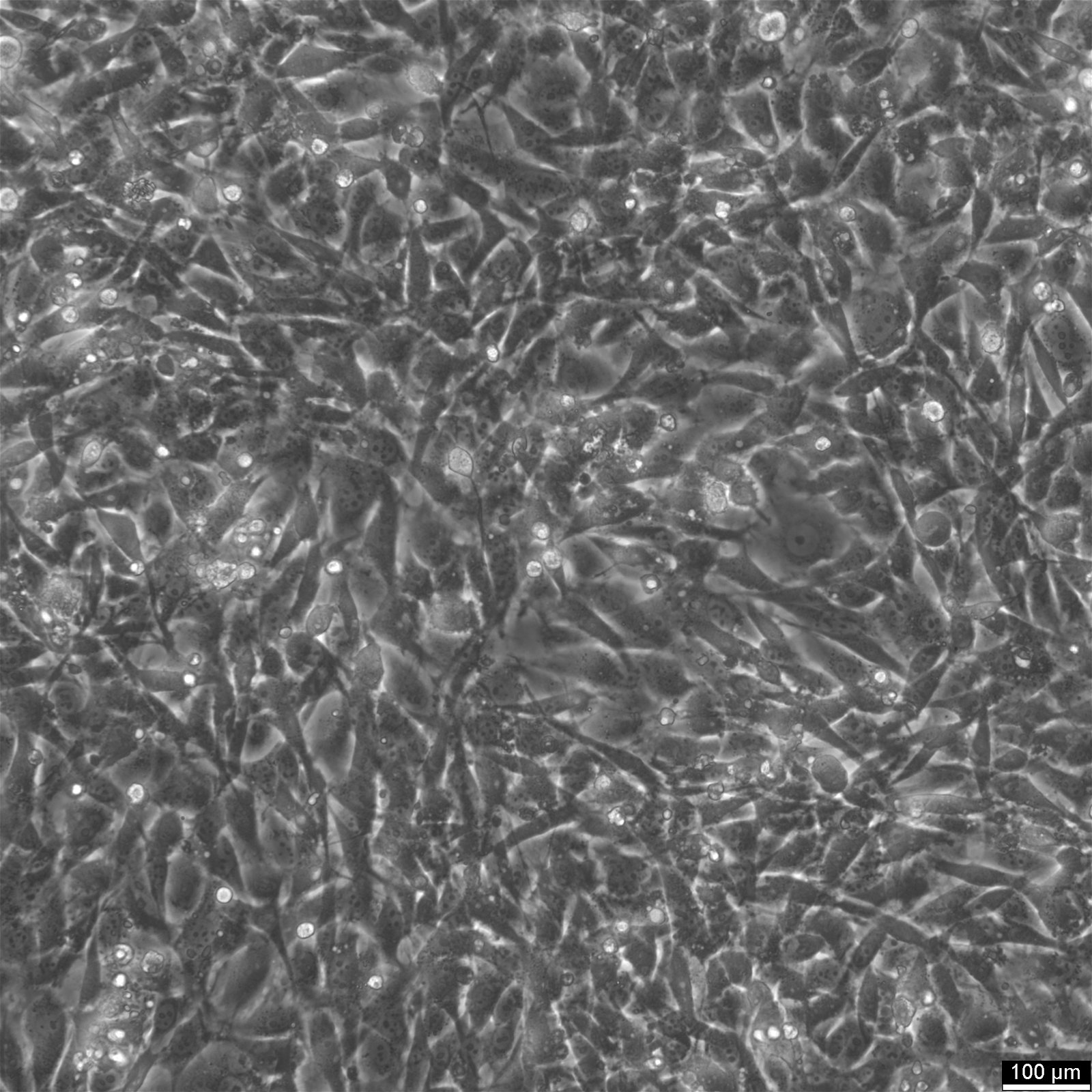
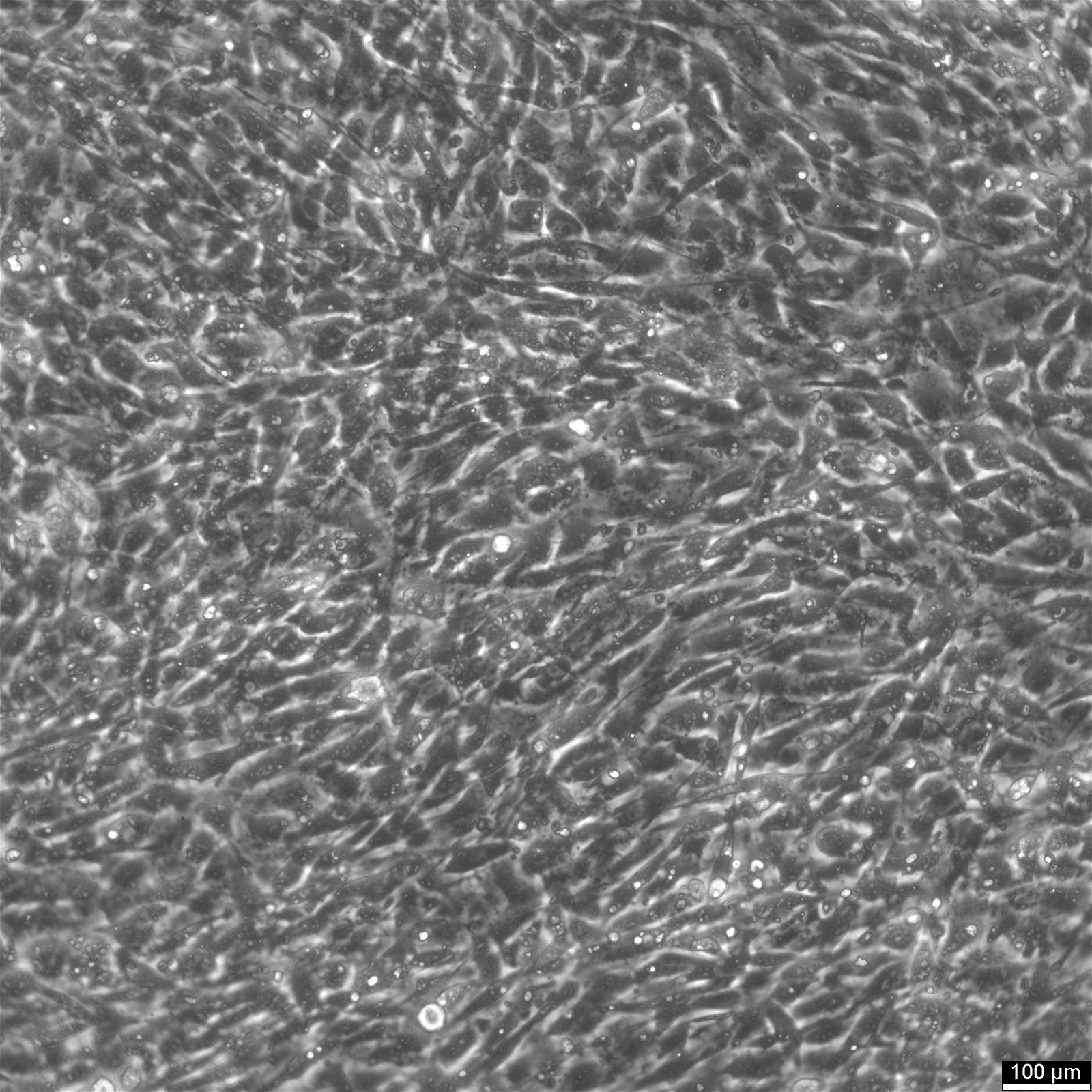
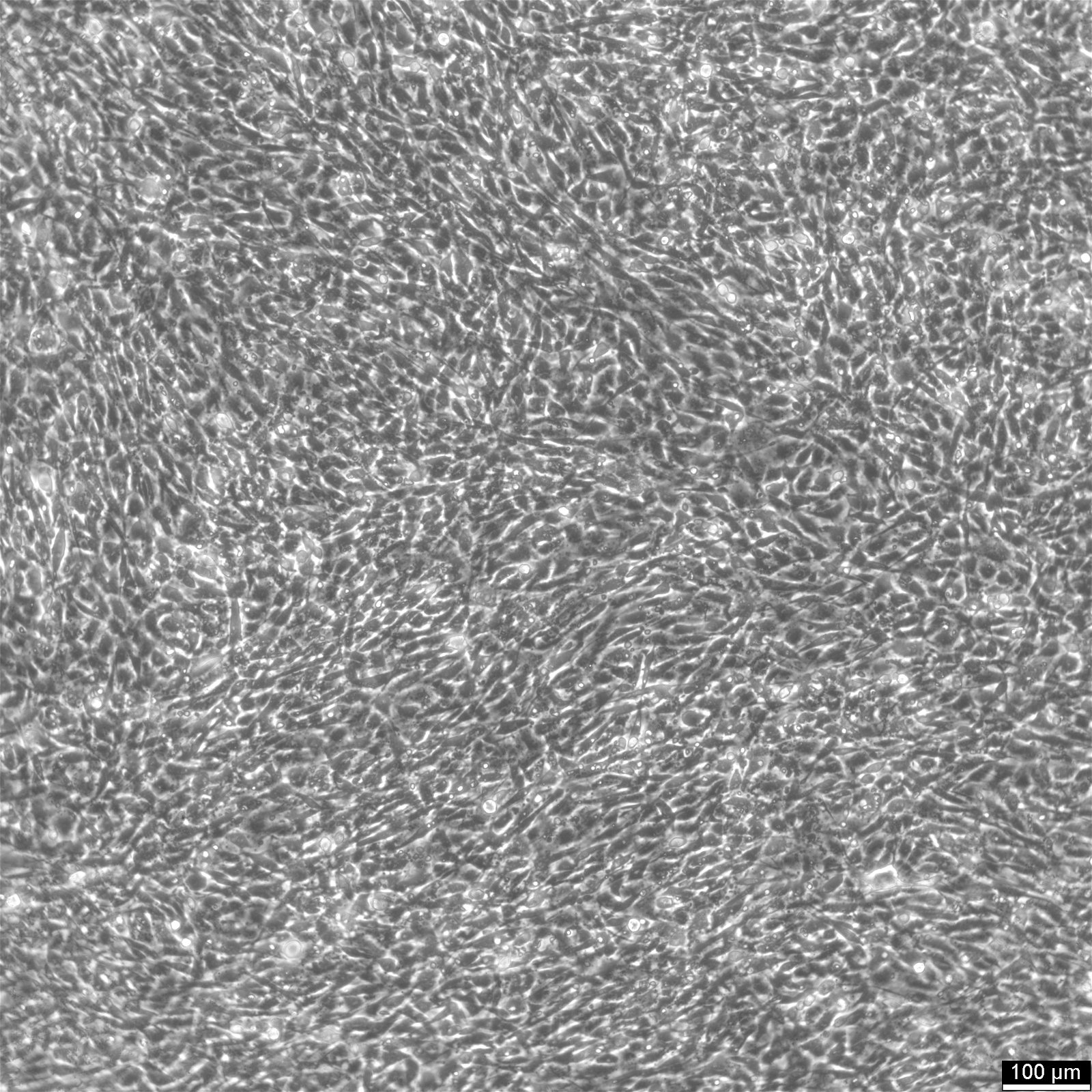
| Morfología | Fibroblast-like |
| Tipo de célula | Preadipocyte / adipocyte (upon differentiation) |
| Propiedades de crecimiento | Adherent |
Specifications
| Referencia | 3T3-L1 (Cytion catalog number 400107) |
|---|---|
| Nivel de bioseguridad | 1 |
| NCBI_TaxID | 10090 |
| N.º de acceso de Cellosaurus | CVCL_0123 |
| Estado de los OGM | No genetic modification; 3T3-L1 is a subclone of the NIH/3T3 line selected for adipogenic differentiation potential; no introduced transgene |
Genetic makeup of cell line 3T3-L1
| Tumorigénico | No |
|---|---|
| Susceptibilidad a los virus | Murine leukemia virus, murine sarcoma virus, vesicular stomatitis, vaccinia, herpes simplex, N-tropic oncornaviruses C |
| Productos | Insulin, collagen, triglycerides |
| Estado de ploidía | Aneuploid |
| Cariotipo | 2n=40 |
Handling of 3T3-L1
| Medio de cultivo | DMEM, w: 4.5 g/L Glucose, w: 4 mM L-Glutamine, w: 3.7 g/L NaHCO3, w: 1.0 mM Sodium pyruvate (Cytion article number 820300a) |
|---|---|
| Suplementos | Supplement the medium with 10% FBS |
| Reactivo de disociación | Accutase |
| Subcultivo | Remove the old medium from the adherent cells and wash them with PBS that lacks calcium and magnesium. For T25 flasks, use 3-5 ml of PBS, and for T75 flasks, use 5-10 ml. Then, cover the cells completely with Accutase, using 1-2 ml for T25 flasks and 2.5 ml for T75 flasks. Let the cells incubate at room temperature for 8-10 minutes to detach them. After incubation, gently mix the cells with 10 ml of medium to resuspend them, then centrifuge at 300xg for 3 minutes. Discard the supernatant, resuspend the cells in fresh medium, and transfer them into new flasks that already contain fresh medium. |
| Relación de división | 1 to 5 |
| Densidad de siembra | 1 to 3 × 10⁴ cells/cm² |
| Renovación de fluidos | Every 2 to 3 days |
| Medio de congelación | As a cryopreservation medium, we use complete growth medium (including FBS) + 10% DMSO for adequate post-thaw viability, or CM-1 (Cytion catalog number 800100), which includes optimized osmoprotectants and metabolic stabilizers to enhance recovery and reduce cryo-induced stress. |
| Descongelación y cultivo de células |
|
| Atmósfera de incubación | 37°C, 5% CO2, humidified atmosphere. |
| Condiciones de envío | Cryopreserved cell lines are shipped on dry ice in validated, insulated packaging with sufficient refrigerant to maintain approximately −78 °C throughout transit. On receipt, inspect the container immediately and transfer vials without delay to appropriate storage. |
| Condiciones de almacenamiento | For long-term preservation, place vials in vapor-phase liquid nitrogen at about −150 to −196 °C. Storage at −80 °C is acceptable only as a short interim step before transfer to liquid nitrogen. |
3T3 L1 cell purity and identity checks
| Esterilidad | Mycoplasma contamination is excluded using both PCR-based assays and luminescence-based mycoplasma detection methods. To ensure there is no bacterial, fungal, or yeast contamination, cell cultures are subjected to daily visual inspections. |
|---|
Certificado de análisis (CoA)
| Número de lote | Tipo de certificado | Fecha | Número de catálogo |
|---|---|---|---|
| 400107-020523 | Certificado de análisis | 23. May. 2025 | 400107 |
| 400107-060525 | Certificado de análisis | 21. Jul. 2025 | 400107 |