
Wilms10T Cells
CAD$1,104.00*
Products are shipped frozen on dry ice in cryotubes. Each cryotube typically contains 3 × 10⁶ cells for adherent lines or 5 × 10⁶ cells for suspension lines (refer to the batch CoA for details).
General information
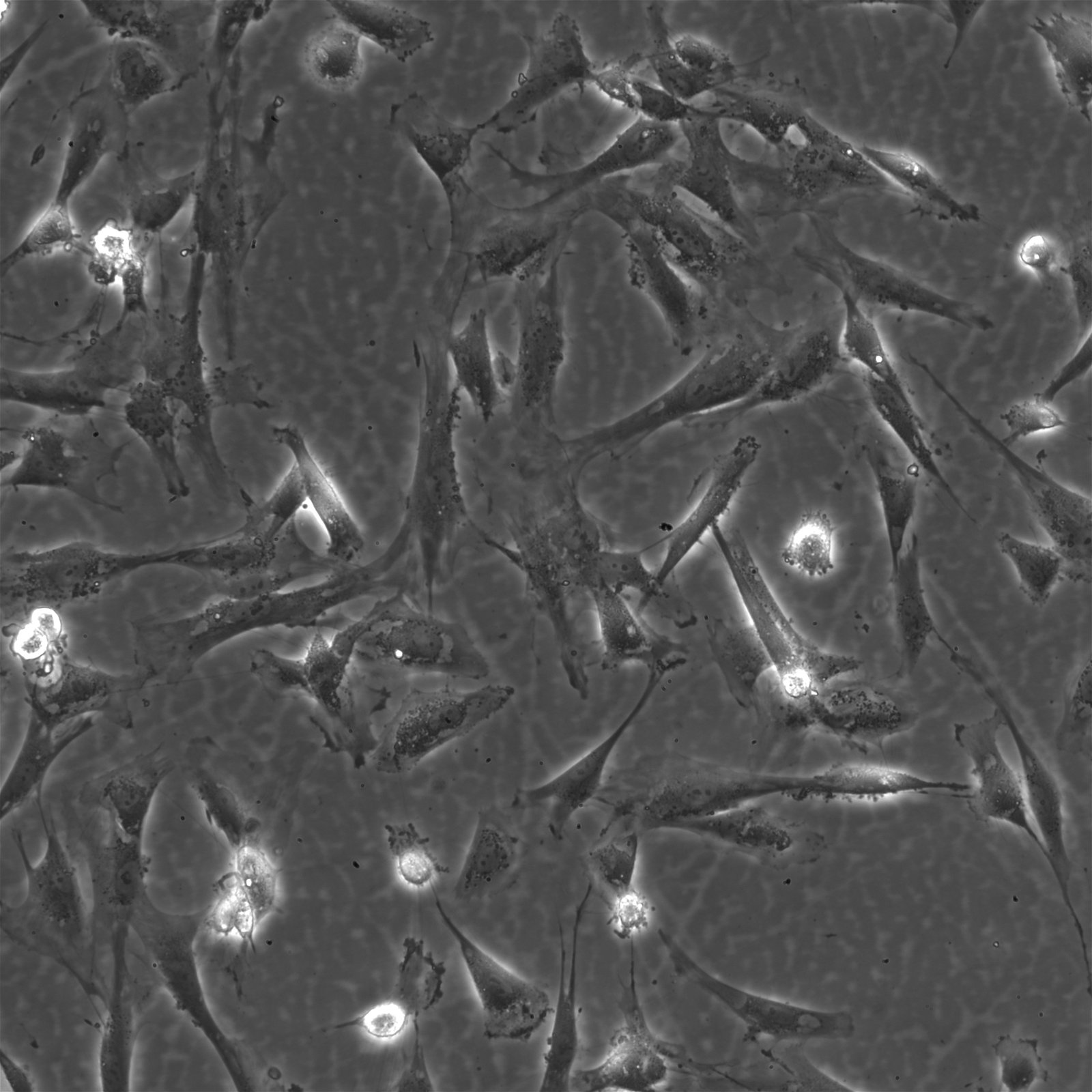
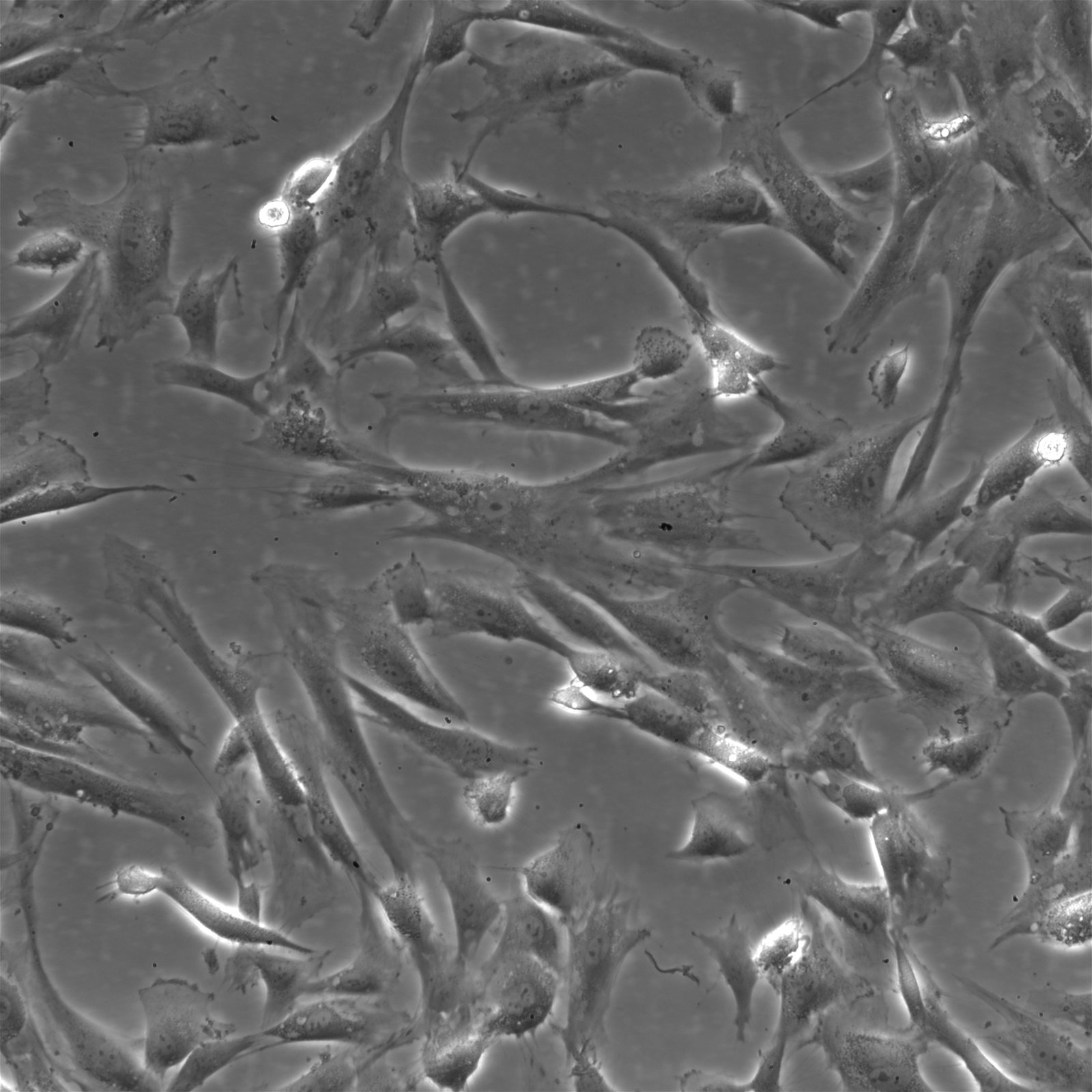
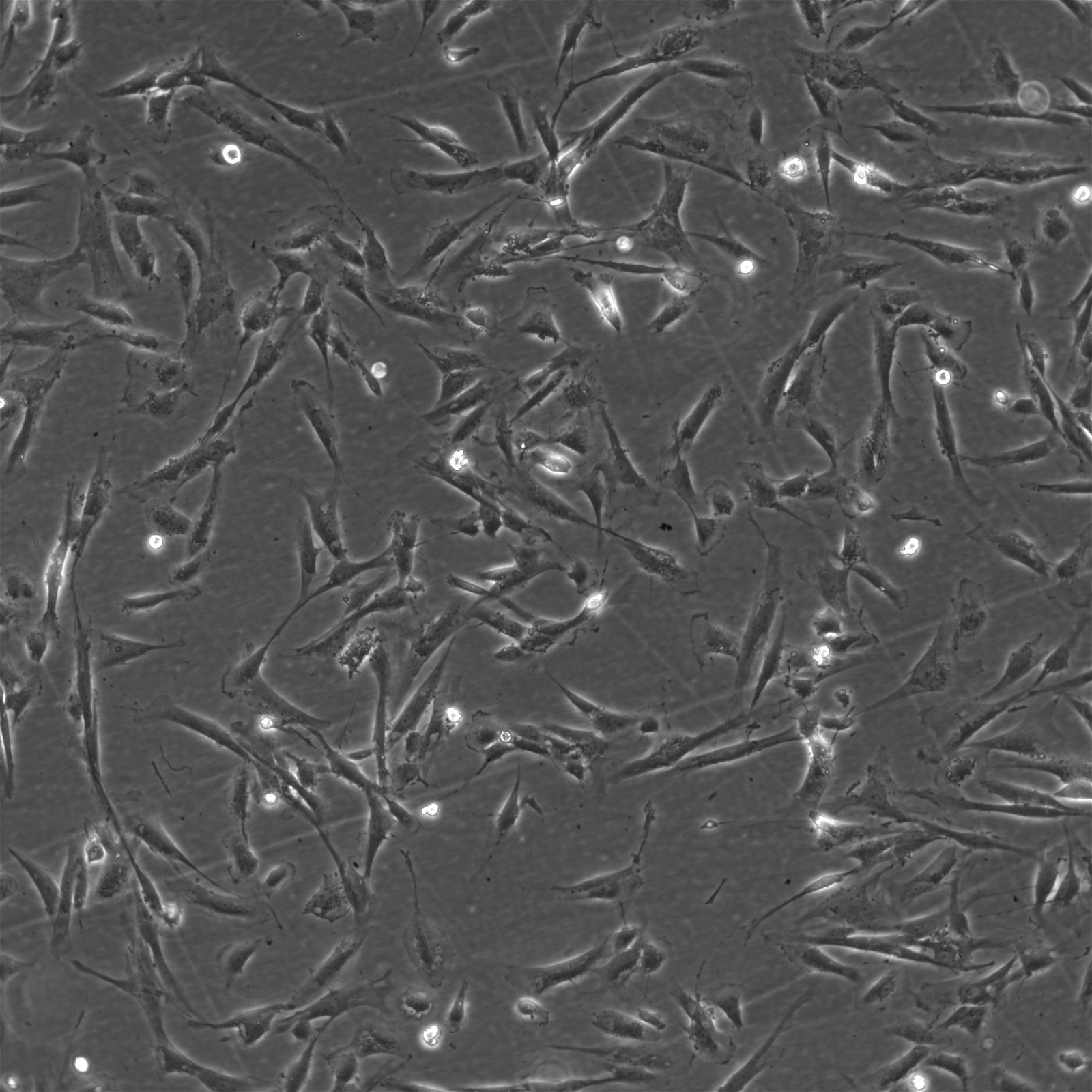
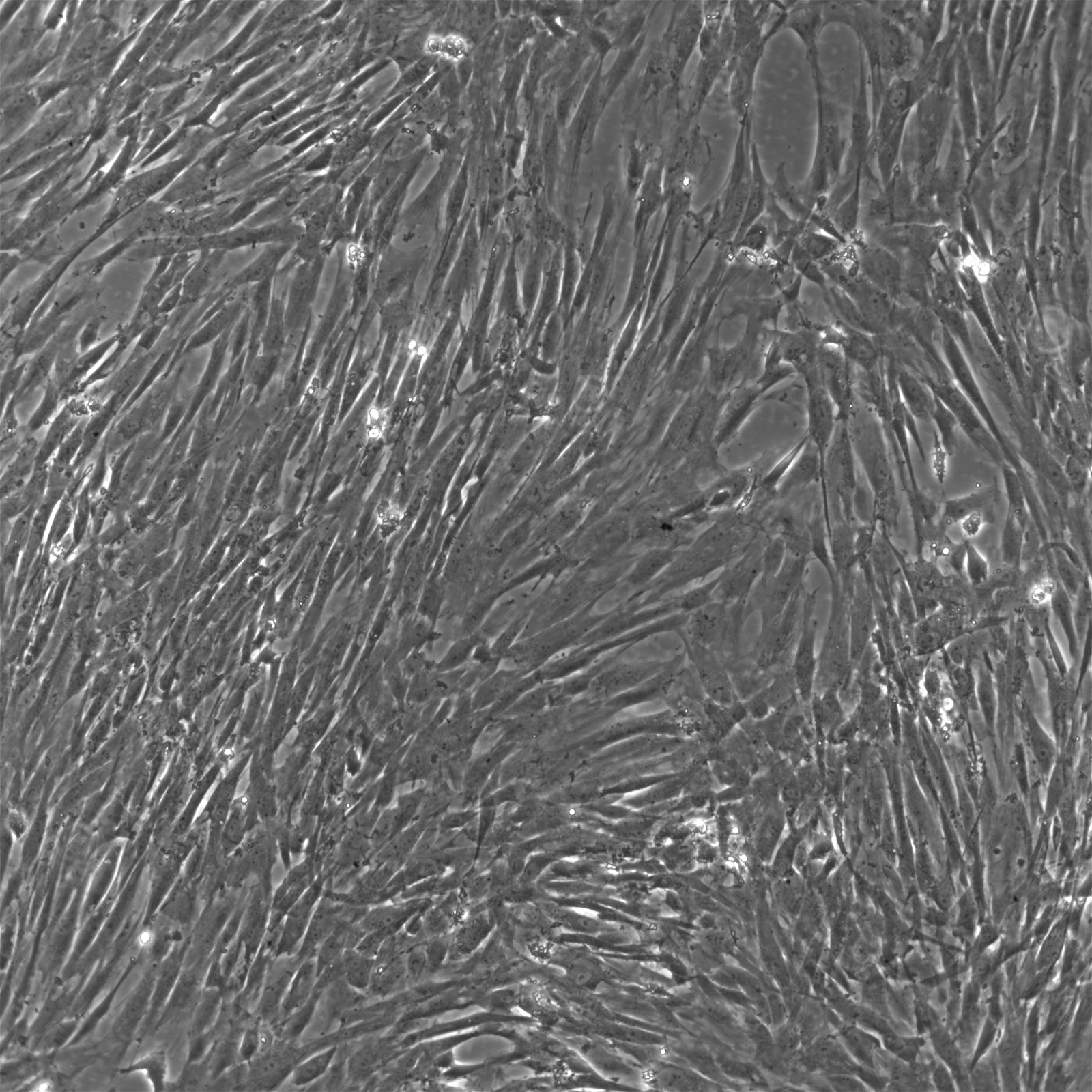
| Description | The Wilms10T cell line was derived from a primary Wilms tumor sample obtained from a patient with Wilms tumor, a pediatric nephroblastoma. This cell line is characterized by a homozygous deletion of the WT1 gene, leading to a complete loss of WT1 function, a critical gene involved in kidney development and the maintenance of normal renal differentiation. Unlike many other Wilms tumor cell lines, Wilms10T lacks any WT1 protein expression, which is reflective of the severe genetic alterations present in this tumor subtype. Additionally, the Wilms10T cell line exhibits loss of heterozygosity (LOH) in the 11p15 chromosomal region, which includes important genes like IGF2, further contributing to its tumorigenic properties. Wilms10T cells have a stable normal karyotype with no major chromosomal rearrangements apart from the specific deletion of the WT1 region. This cell line has been utilized extensively to study the effects of complete WT1 loss on tumor biology, including its impact on cell proliferation, differentiation, and response to various signaling pathways. The cells retain mesenchymal characteristics, expressing markers such as vimentin, while lacking epithelial markers like cytokeratin, indicative of their stromal origin. Significant research has focused on the signaling pathways active in Wilms10T cells. Proteomic studies have demonstrated that these cells show activation of several receptor tyrosine kinases (RTKs) such as IGF1R, PDGFRβ, and AXL, which are known to drive tumorigenesis. Additionally, downstream signaling pathways, including the MAPK and PI3K/AKT pathways, are activated in Wilms10T cells, contributing to their aggressive tumor phenotype. The comprehensive characterization of Wilms10T makes it a valuable model for investigating the molecular underpinnings of Wilms tumor with complete WT1 loss, as well as for exploring potential therapeutic targets in this aggressive tumor subtype. |
|---|---|
| Organism | Human |
| Tissue | Kidney |
| Disease | Wilms tumor |
| Applications | In vitro cell culture model and biochemical studies |
| Synonyms | Wilms10 |
Characteristics
| Age | 2 years |
|---|---|
| Gender | Female |
| Ethnicity | Caucasian |
| Morphology | Spindle-shaped |
| Cell type | Wilms cells |
| Growth properties | Adherent |
Regulatory Data
| Citation | Wilms10T (Cytion catalog number 300417) |
|---|---|
| Biosafety level | 1 |
| NCBI_TaxID | 9606 |
| CellosaurusAccession | CVCL_A5SL |
Biomolecular Data
| Mutational profile | WT1 mutation status: homozygous del WT1 within del11p13. LOH: no in 11p13 but UPD in 11p15. CTNNB1 mutation status: homozygous del TCT, p.DS45, UPD 3p |
|---|
Handling
| Culture Medium | MSCGM kit (from Lonza) |
|---|---|
| Dissociation Reagent | Accutase |
| Doubling time | 46 hours |
| Subculturing | Remove the old medium from the adherent cells and wash them with PBS that lacks calcium and magnesium. For T25 flasks, use 3-5 ml of PBS, and for T75 flasks, use 5-10 ml. Then, cover the cells completely with Accutase, using 1-2 ml for T25 flasks and 2.5 ml for T75 flasks. Let the cells incubate at room temperature for 8-10 minutes to detach them. After incubation, gently mix the cells with 10 ml of medium to resuspend them, then centrifuge at 300xg for 3 minutes. Discard the supernatant, resuspend the cells in fresh medium, and transfer them into new flasks that already contain fresh medium. |
| Seeding density | 4 x 10⁴ cells/cm2 |
| Fluid renewal | 1 to 2 times per week |
| Freeze medium | As a cryopreservation medium, we use complete growth medium (including FBS) + 10% DMSO for adequate post-thaw viability, or CM-1 (Cytion catalog number 800100), which includes optimized osmoprotectants and metabolic stabilizers to enhance recovery and reduce cryo-induced stress. |
| Thawing and Culturing Cells |
|
| Incubation Atmosphere | 37°C, 5% CO2, humidified atmosphere. |
| Shipping Conditions | Cryopreserved cell lines are shipped on dry ice in validated, insulated packaging with sufficient refrigerant to maintain approximately −78 °C throughout transit. On receipt, inspect the container immediately and transfer vials without delay to appropriate storage. |
| Storage Conditions | For long-term preservation, place vials in vapor-phase liquid nitrogen at about −150 to −196 °C. Storage at −80 °C is acceptable only as a short interim step before transfer to liquid nitrogen. |
Quality Control & Molecular Analysis
| Sterility | Mycoplasma contamination is excluded using both PCR-based assays and luminescence-based mycoplasma detection methods. To ensure there is no bacterial, fungal, or yeast contamination, cell cultures are subjected to daily visual inspections. |
|---|
Certificate of Analysis (CoA)
| Lot Number | Certificate Type | Date | Catalog Number |
|---|---|---|---|
| 300417-131025 | Certificate of Analysis | 05. Dec. 2025 | 300417 |
| 300417-221 | Certificate of Analysis | 23. May. 2025 | 300417 |
-
Related products
Related products