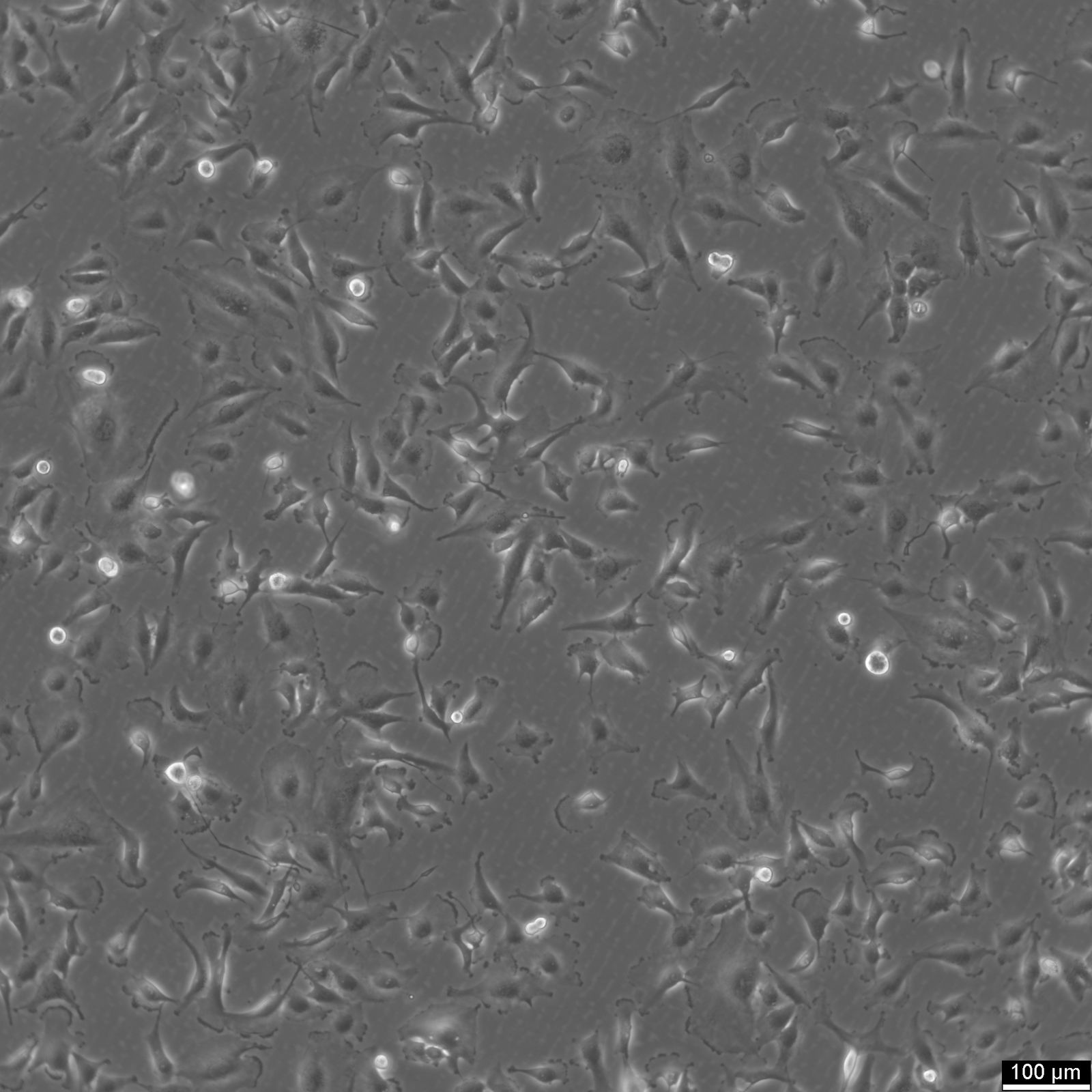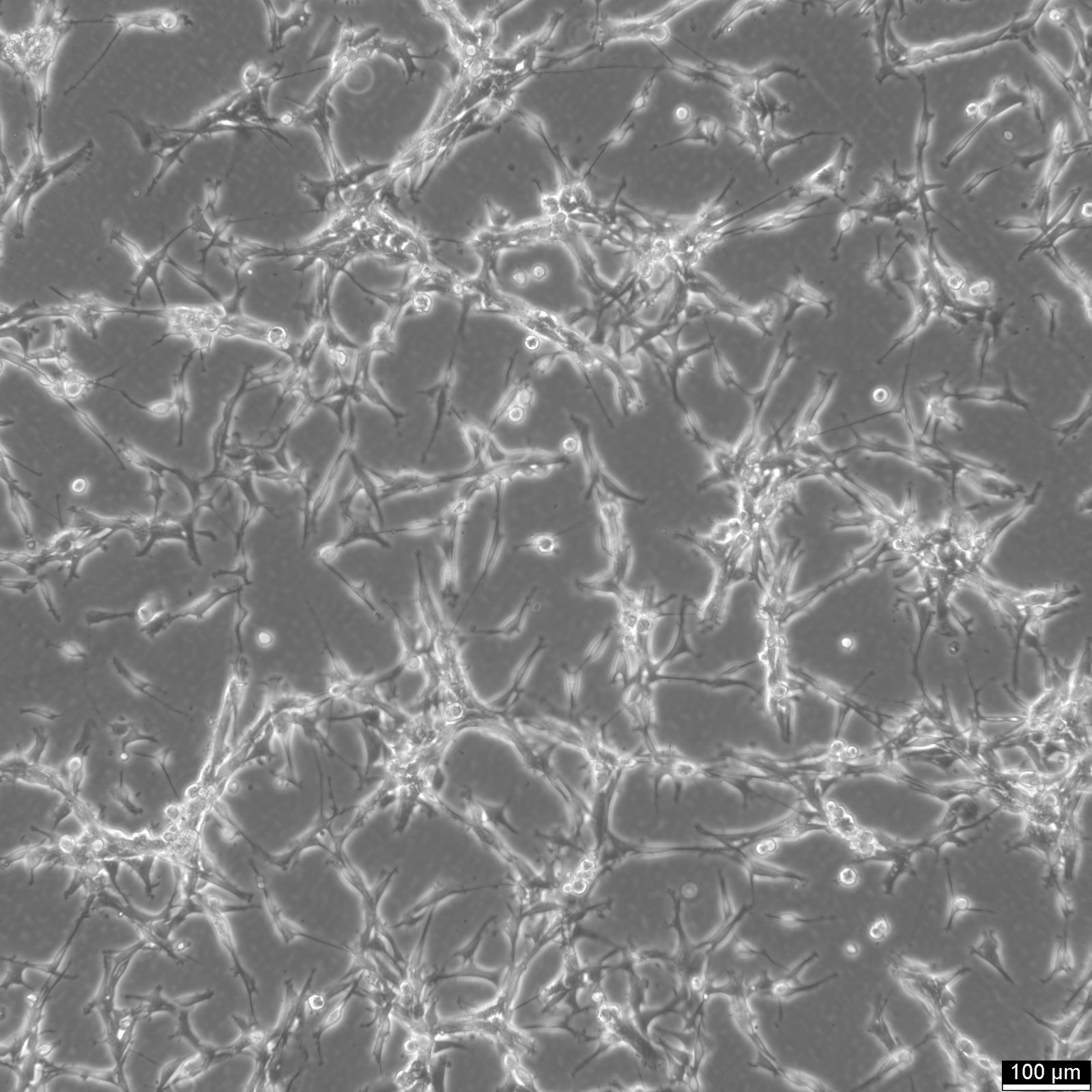
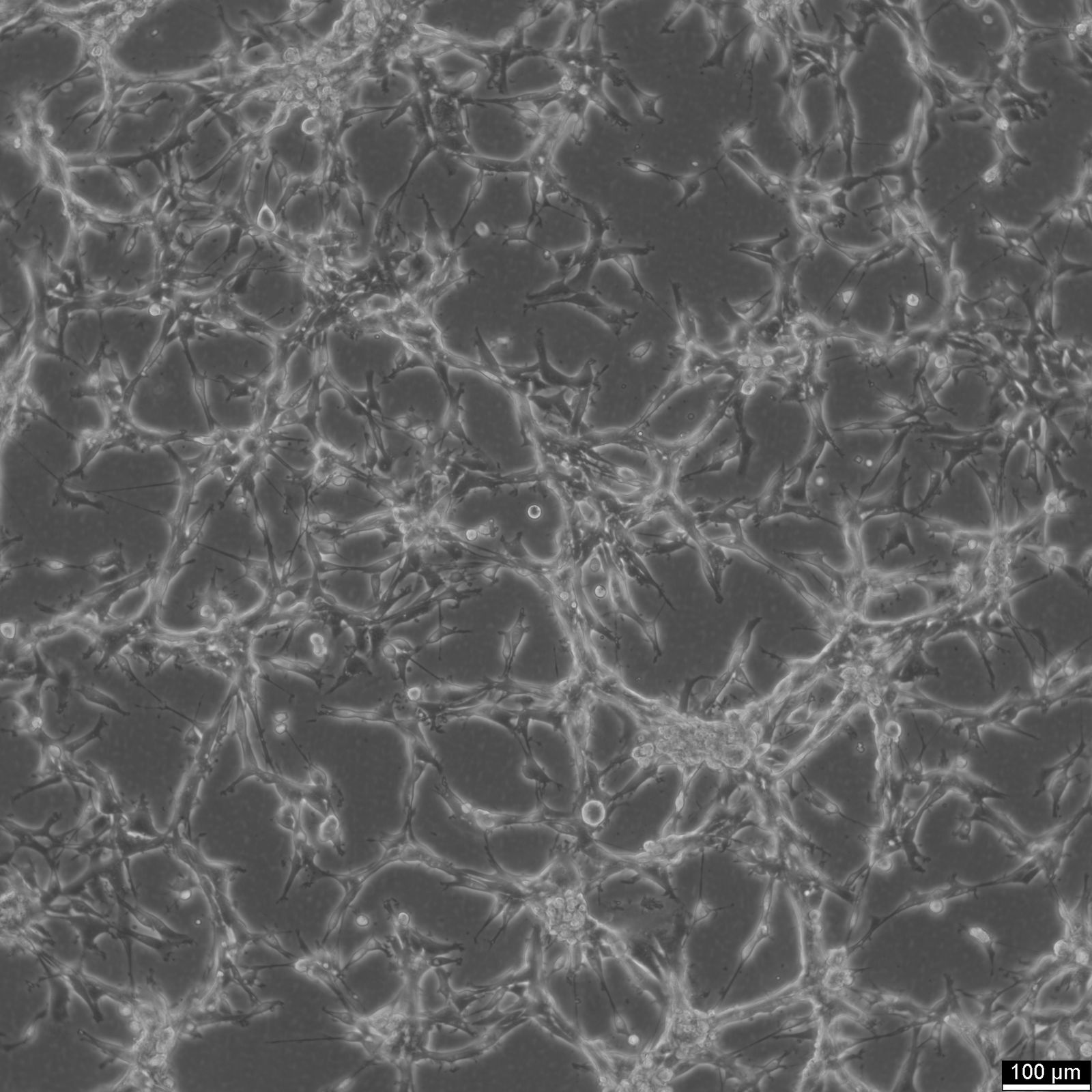
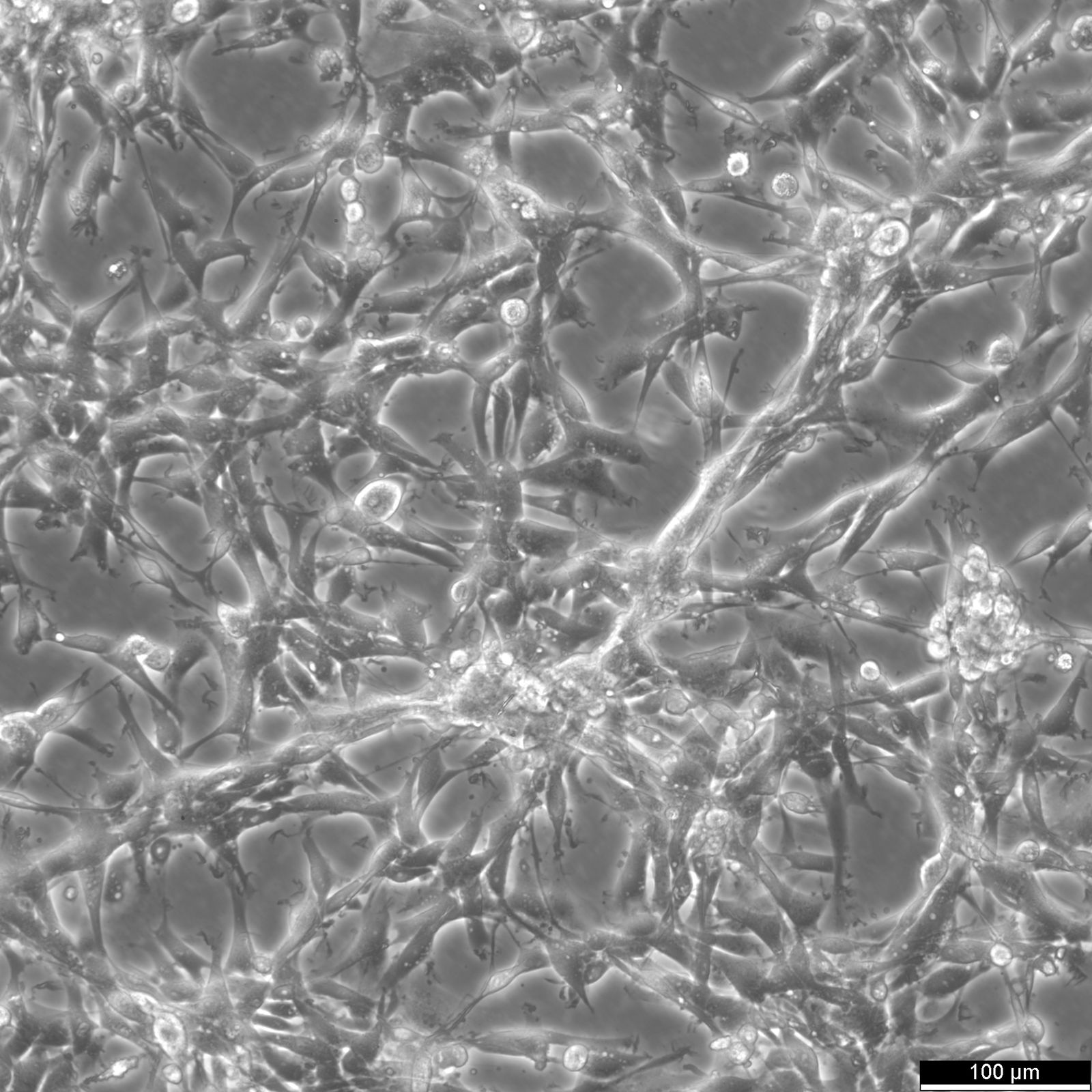
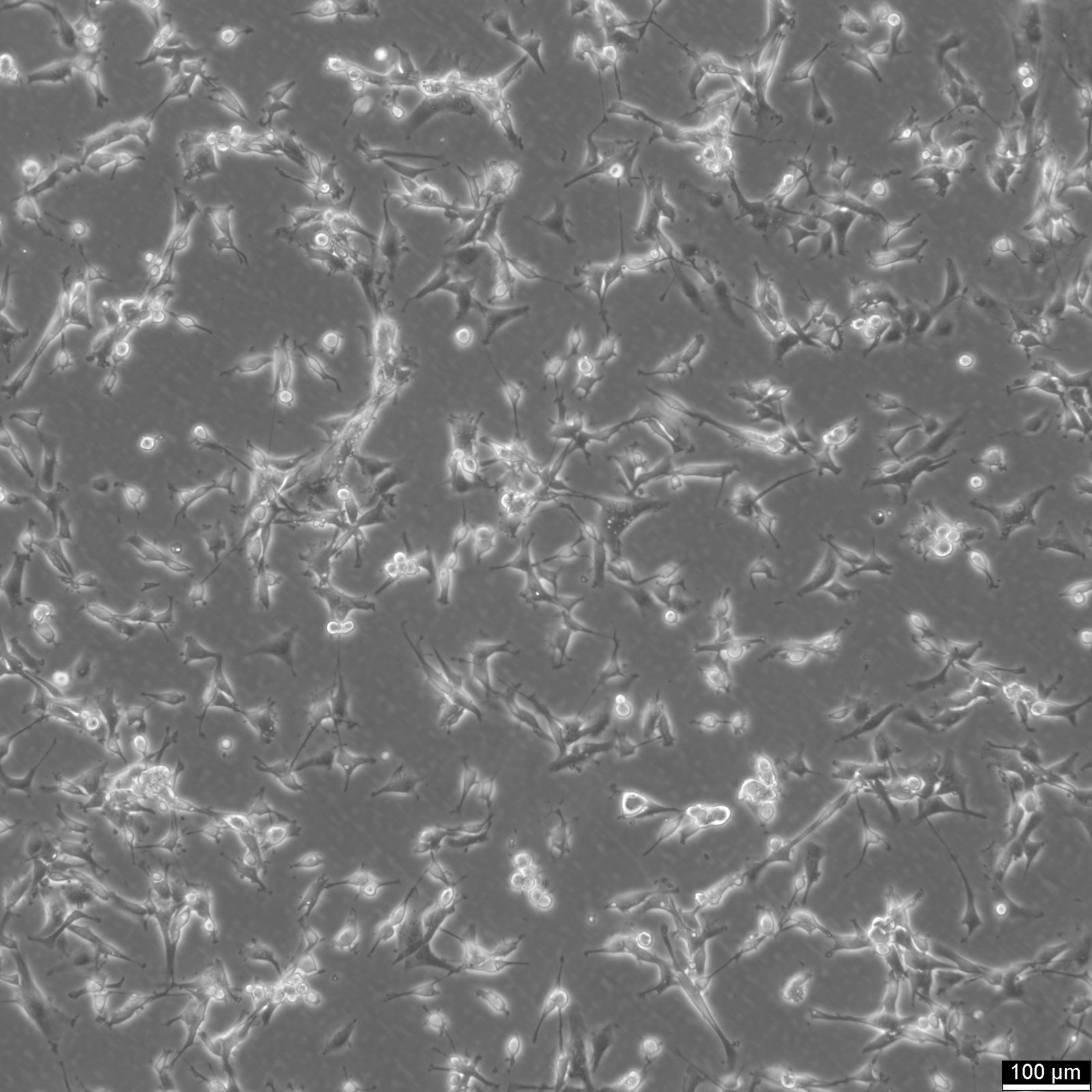
U-87 MG Cells
CAD$545.10*
Products are shipped frozen on dry ice in cryotubes. Each cryotube typically contains 3 × 10⁶ cells for adherent lines or 5 × 10⁶ cells for suspension lines (refer to the batch CoA for details).
Insights on the U87MG cell line
| Description | The U87MG cell line, established from a human glioblastoma, is one of the most widely utilized cellular models in neurobiological and cancer research. Originating from a malignant tumor of the central nervous system, these cells exhibit many of the hallmark features of glioblastoma multiforme (GBM), including rapid proliferation, high invasiveness, and significant genetic and phenotypic heterogeneity. This makes the U87MG cell line, also referred to as U87 cells, an invaluable tool for exploring the molecular and cellular mechanisms underlying brain tumors, as well as for testing potential therapeutic strategies. In neuroscience and immuno-oncology research, U87MG cells serve as a model to elucidate the cell function and cytotoxicity mechanisms in glioblastoma, including the exploration of NK cell cytotoxicity. The expression of NKG2D ligands on U87 cells and the use of NKG2D antibodies in studies highlight the intricate dynamics between cancer cells and the immune system, particularly NK cells, in the tumor microenvironment. The stemness features of U87 glioblastoma cells, alongside their genetic and phenotypic attributes, are subjects of intense study, aiming to unravel the mechanisms that confer these cells a high degree of plasticity and resistance to conventional therapies. The U87 cell line's exact origin remains somewhat enigmatic, with genetic analyses revealing differences from the original tumor. In summary, the U87 cell line remains a fundamental tool in glioblastoma research, facilitating a deeper understanding of the disease's biology and the quest for more effective treatments. |
|---|---|
| Organism | Human |
| Tissue | Brain |
| Disease | Glioblastoma |
| Synonyms | U-87MG, U87 MG, U-87-MG, U87-MG, U-87 MG, U-87, U87, 87 MG, 87MG |
Characteristics of the GBM cell line U87MG
| Age | 44 years |
|---|---|
| Gender | Male |
| Ethnicity | Caucasian |
| Morphology | Epithelial-like |
| Growth properties | Adherent |
Documentation
| Citation | U87MG (Cytion catalog number 300367) |
|---|---|
| Biosafety level | 1 |
| NCBI_TaxID | 9606 |
| CellosaurusAccession | CVCL_0022 |
Genetic profile
| Isoenzymes | Me-2, 1, PGM3, 1, PGM1, 2, ES-D, 1, AK-1, 1, GLO-1, 1, G6PD, B |
|---|---|
| Tumorigenic | Yes, in nude mice inoculated subcutaneously with 107 cells |
Glioblastoma cell culture handling procedures
| Culture Medium | EMEM (MEM Eagle), w: 2 mM L-Glutamine, w: 2.2 g/L NaHCO3, w: EBSS (Cytion article number 820100a) |
|---|---|
| Supplements | Supplement the medium with 10% FBS and 1% NEAA |
| Dissociation Reagent | Accutase |
| Subculturing | Remove the old medium from the adherent cells and wash them with PBS that lacks calcium and magnesium. For T25 flasks, use 3-5 ml of PBS, and for T75 flasks, use 5-10 ml. Then, cover the cells completely with Accutase, using 1-2 ml for T25 flasks and 2.5 ml for T75 flasks. Let the cells incubate at room temperature for 8-10 minutes to detach them. After incubation, gently mix the cells with 10 ml of medium to resuspend them, then centrifuge at 300xg for 3 minutes. Discard the supernatant, resuspend the cells in fresh medium, and transfer them into new flasks that already contain fresh medium. |
| Seeding density | 4 x 10⁴ cells/cm2 |
| Freeze medium | As a cryopreservation medium, we use 50% basal medium + 40% FBS + 10% DMSO, or CM-1 (Cytion catalog number 800100), which includes optimized osmoprotectants and metabolic stabilizers to enhance recovery and reduce cryo-induced stress. |
| Thawing and Culturing Cells |
|
| Incubation Atmosphere | 37°C, 5% CO2, humidified atmosphere. |
| Shipping Conditions | Cryopreserved cell lines are shipped on dry ice in validated, insulated packaging with sufficient refrigerant to maintain approximately −78 °C throughout transit. On receipt, inspect the container immediately and transfer vials without delay to appropriate storage. |
| Storage Conditions | For long-term preservation, place vials in vapor-phase liquid nitrogen at about −150 to −196 °C. Storage at −80 °C is acceptable only as a short interim step before transfer to liquid nitrogen. |
Quality control on the cancer cell line U87MG
| Sterility | Mycoplasma contamination is excluded using both PCR-based assays and luminescence-based mycoplasma detection methods. To ensure there is no bacterial, fungal, or yeast contamination, cell cultures are subjected to daily visual inspections. |
|---|
Certificate of Analysis (CoA)
| Lot Number | Certificate Type | Date | Catalog Number |
|---|---|---|---|
| 300367-150823 | Certificate of Analysis | 23. May. 2025 | 300367 |
| 300367-080825 | Certificate of Analysis | 22. Oct. 2025 | 300367 |
| 300367-010724 | Certificate of Analysis | 23. May. 2025 | 300367 |
-
Related products
Related products
LN229 CellsOrganism Human Tissue Brain, right frontal parieto-occipital cortex Disease Glioblastoma CAD$545.10*