
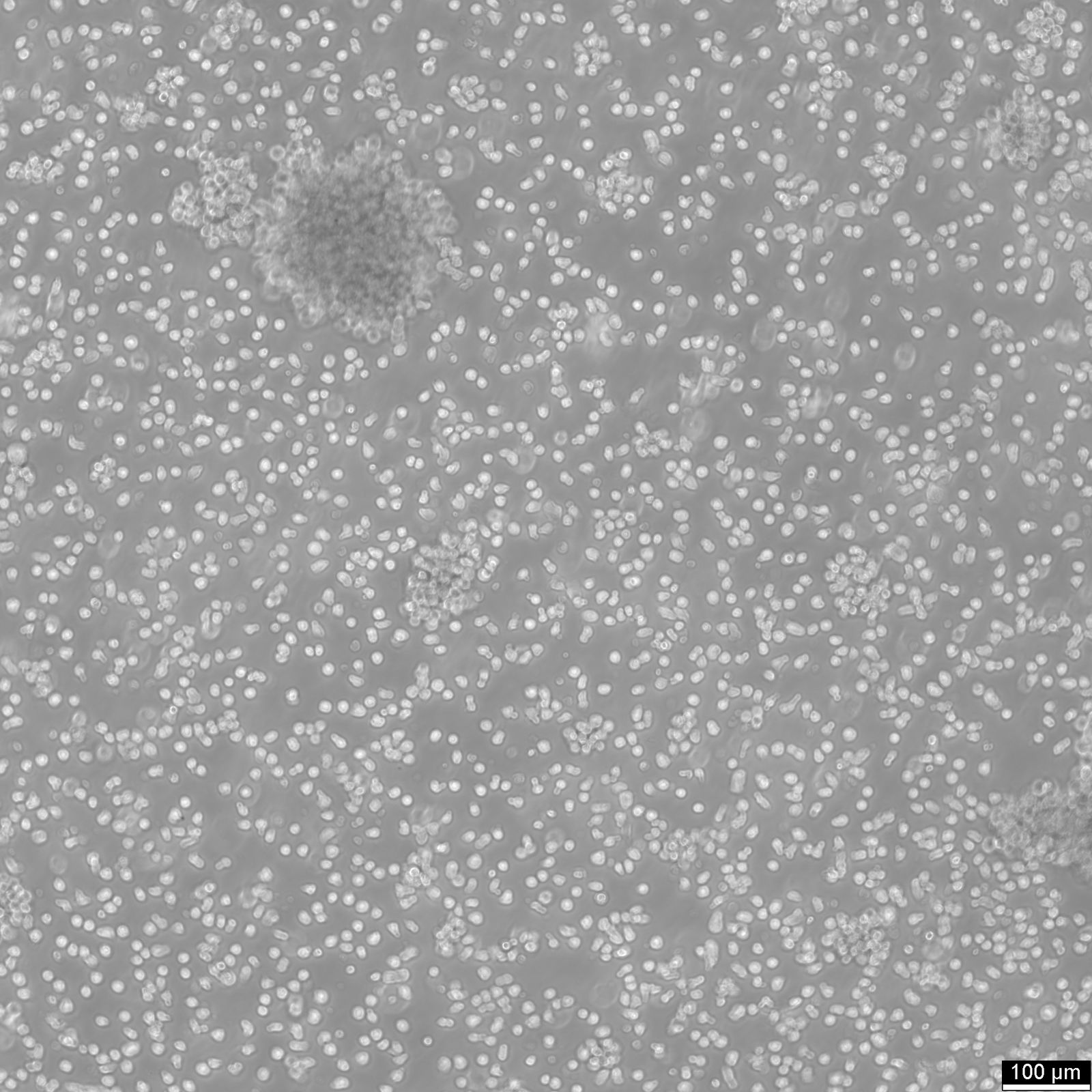
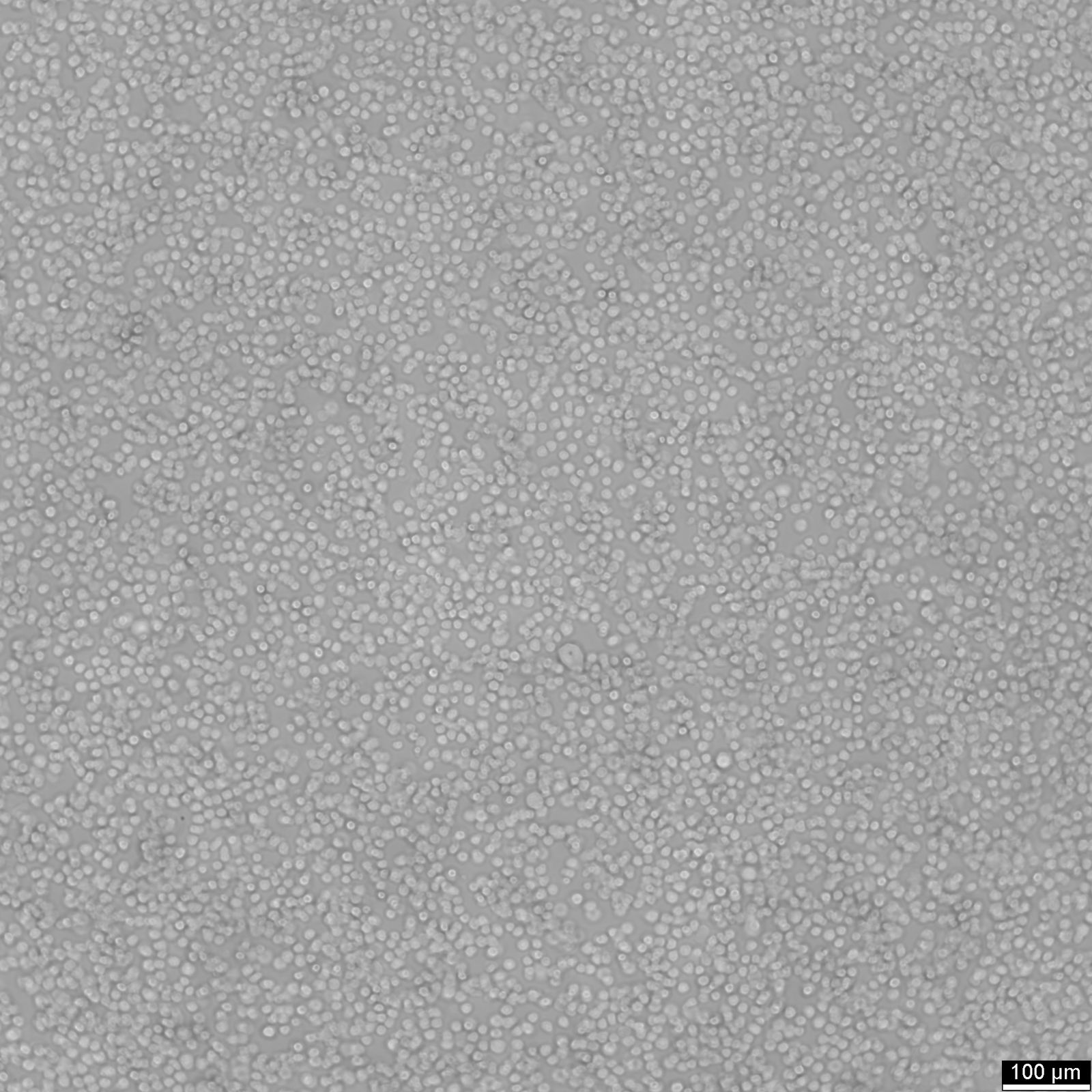
T2 Cells
CAD$545.10*
Products are shipped frozen on dry ice in cryotubes. Each cryotube typically contains 3 × 10⁶ cells for adherent lines or 5 × 10⁶ cells for suspension lines (refer to the batch CoA for details).
General information
| Description | The T2 cell line is a derivative of the T1 human lymphoblastoid cell line and is characterized by its unique properties related to antigen processing and presentation. These cells are deficient in the transporter associated with antigen processing (TAP), resulting in the inability to effectively transport peptides into the endoplasmic reticulum for loading onto major histocompatibility complex (MHC) class I molecules. This deficiency makes T2 cells particularly valuable in immunological research, especially in studies related to the presentation of antigens and the function of MHC class I molecules. By using T2 cells, researchers can better understand the mechanisms of immune recognition and the role of TAP in antigen presentation. T2 cells are also known for their application in cytotoxic T lymphocyte (CTL) assays. Due to their TAP deficiency, these cells express very low levels of surface MHC class I molecules unless exogenous peptides are added. This property allows for the precise study of peptide-MHC interactions and the evaluation of CTL responses to specific antigens. Furthermore, T2 cells are used in vaccine development research, particularly in designing strategies that enhance the presentation of antigens to the immune system. Their unique characteristics make T2 cells a crucial tool in both basic and applied immunology research. |
|---|---|
| Organism | Human |
| Synonyms | T2 (174 x CEM.T2), T2(174 x CEM.T2), 174xCEM.T2, CEMx721.174.T2 |
Characteristics
| Morphology | Lymphoblast |
|---|---|
| Growth properties | Suspension |
Regulatory Data
| Citation | T2 (Cytion catalog number 305228) |
|---|---|
| Biosafety level | 2 |
| NCBI_TaxID | 9606 |
| CellosaurusAccession | CVCL_2211 |
Biomolecular Data
Handling
| Culture Medium | RPMI 1640, w: 2.0 mM stable Glutamine, w: 2.0 g/L NaHCO3 (Cytion article number 820700a) |
|---|---|
| Supplements | Supplement the medium with 10% heat-inactivated FBS |
| Subculturing | Suspension cells: Remove cells from substrate by pipetting with fresh medium. To obtain single cells, pass the suspension several times through a 22 gauge needle and dispense into new flasks. |
| Freeze medium | As a cryopreservation medium, we use complete growth medium (including FBS) + 10% DMSO for adequate post-thaw viability, or CM-1 (Cytion catalog number 800100), which includes optimized osmoprotectants and metabolic stabilizers to enhance recovery and reduce cryo-induced stress. |
| Thawing and Culturing Cells |
|
| Incubation Atmosphere | 37°C, 5% CO2, humidified atmosphere. |
| Shipping Conditions | Cryopreserved cell lines are shipped on dry ice in validated, insulated packaging with sufficient refrigerant to maintain approximately −78 °C throughout transit. On receipt, inspect the container immediately and transfer vials without delay to appropriate storage. |
| Storage Conditions | For long-term preservation, place vials in vapor-phase liquid nitrogen at about −150 to −196 °C. Storage at −80 °C is acceptable only as a short interim step before transfer to liquid nitrogen. |
Quality Control & Molecular Analysis
| Sterility | Mycoplasma contamination is excluded using both PCR-based assays and luminescence-based mycoplasma detection methods. To ensure there is no bacterial, fungal, or yeast contamination, cell cultures are subjected to daily visual inspections. |
|---|
Certificate of Analysis (CoA)
| Lot Number | Certificate Type | Date | Catalog Number |
|---|---|---|---|
| 305228-240624 | Certificate of Analysis | 23. May. 2025 | 305228 |