SNU-16 Cells
CAD$759.00*
Products are shipped frozen on dry ice in cryotubes. Each cryotube typically contains 3 × 10⁶ cells for adherent lines or 5 × 10⁶ cells for suspension lines (refer to the batch CoA for details).
General information
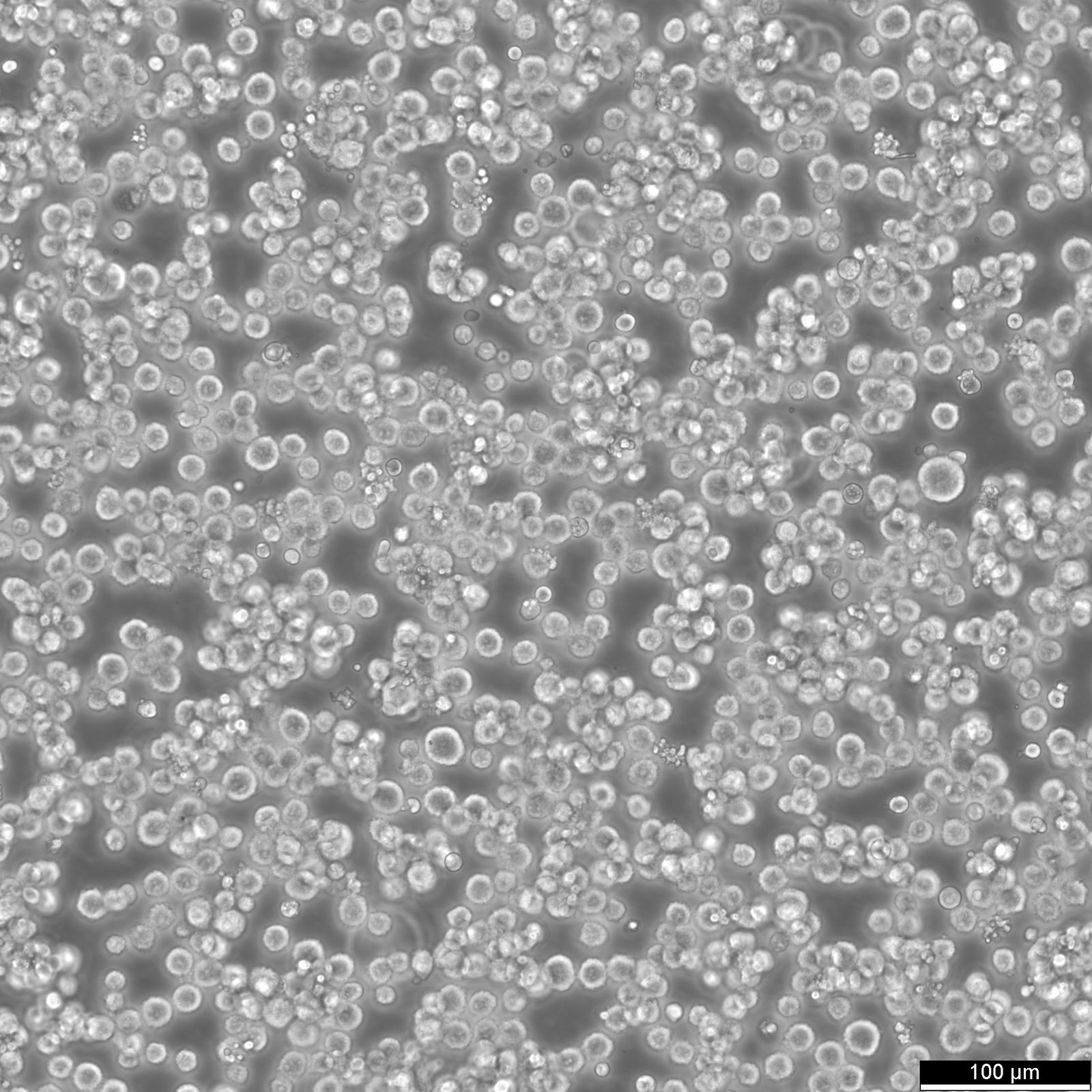
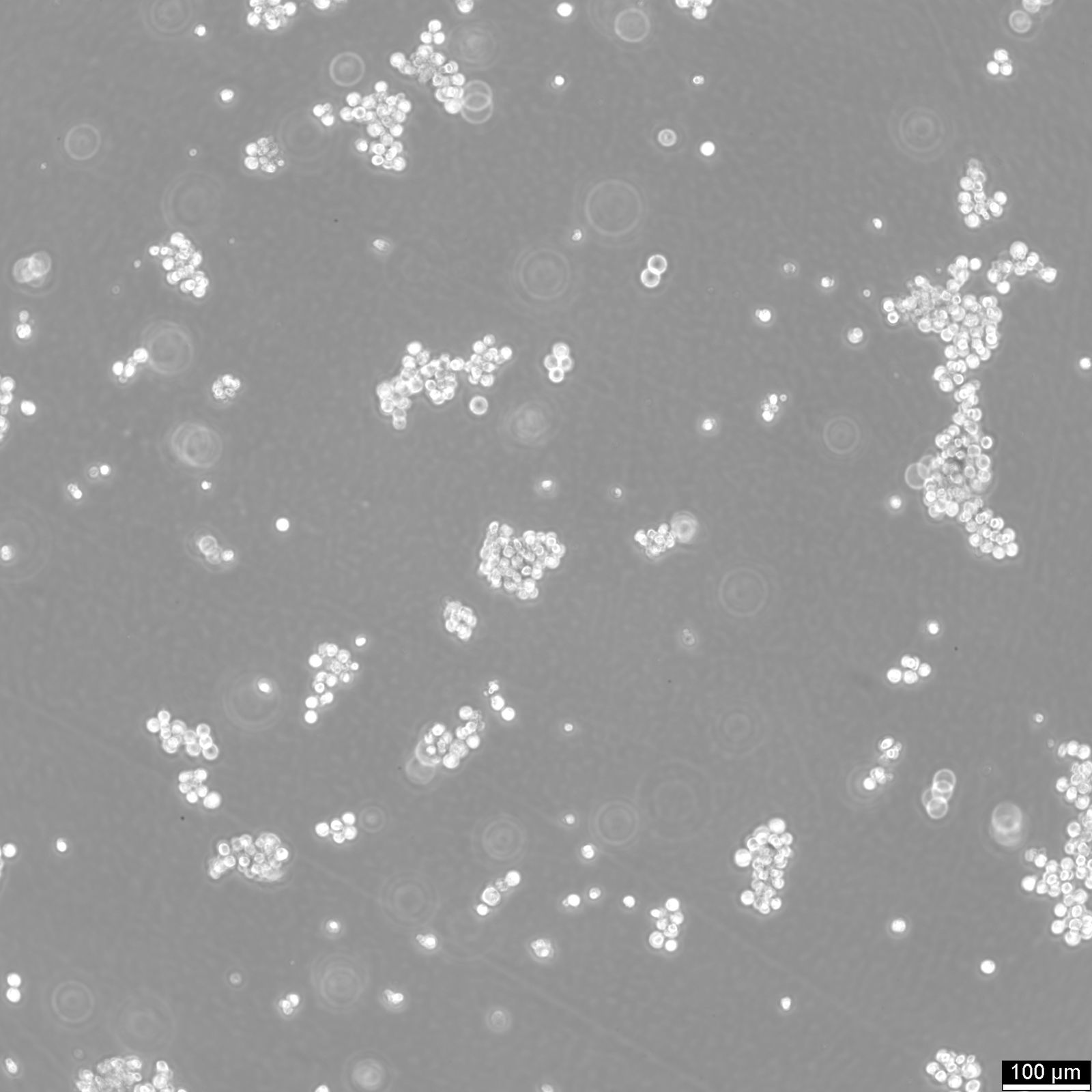
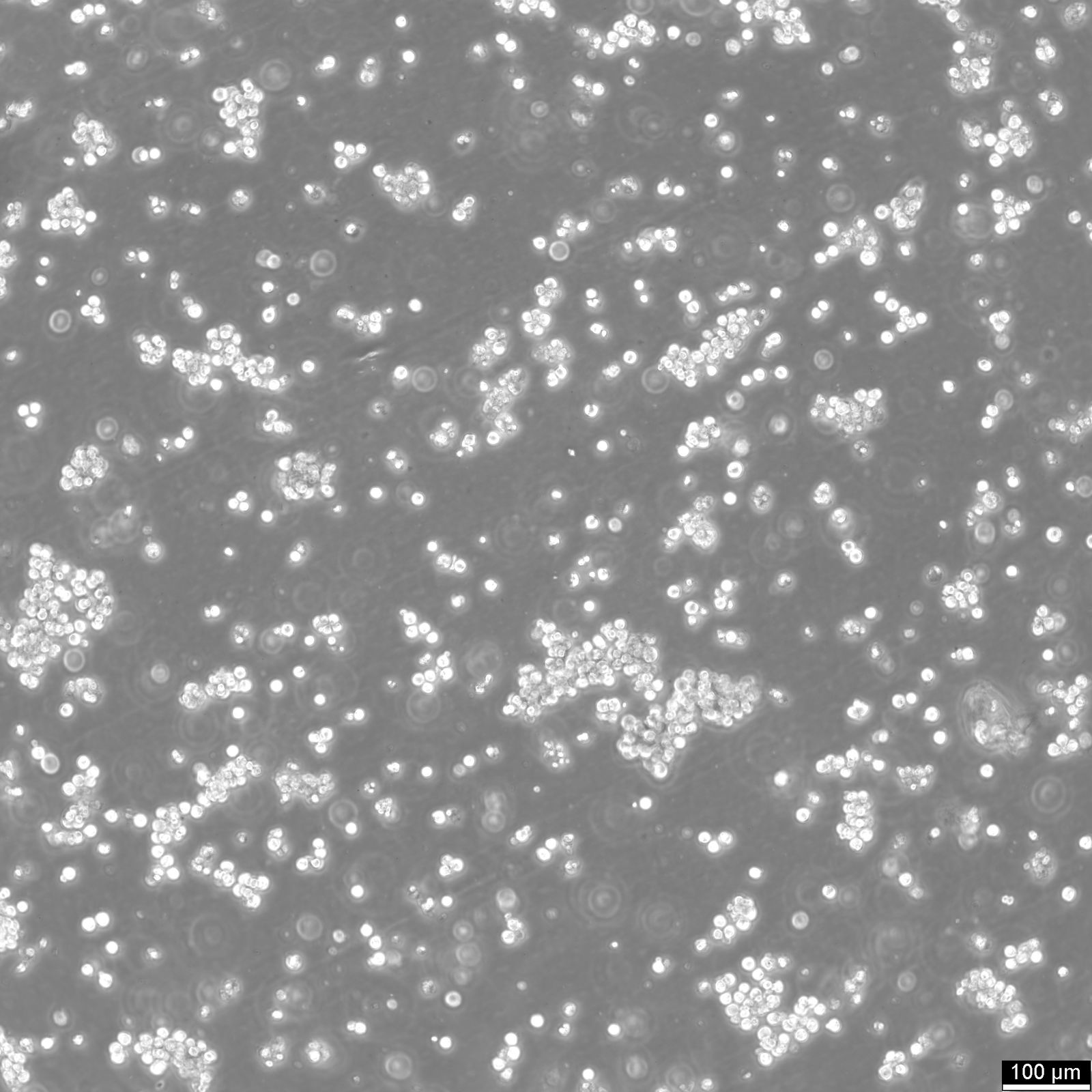
| Description | The SNU-16 cell line is derived from a poorly differentiated gastric carcinoma of a human adult. This cell line is extensively used in gastric cancer research, offering a model to study the molecular and cellular mechanisms involved in the development and progression of gastric adenocarcinoma. SNU-16 cells are particularly valuable for investigating genetic alterations, signal transduction pathways, and the tumor microenvironment associated with this aggressive form of stomach cancer. SNU-16 cells exhibit an epithelial morphology and are characterized by the expression of gastric carcinoma markers, including carcinoembryonic antigen (CEA) and various cytokeratins. They are known to possess amplification of the c-MET gene and overexpression of the MET receptor, which plays a significant role in cell growth, survival, and metastasis. Researchers use SNU-16 cells to explore the role of the MET signaling pathway in gastric cancer and to evaluate the efficacy of MET inhibitors and other targeted therapies. Additionally, SNU-16 cells are utilized in drug resistance studies, high-throughput screening assays, and preclinical testing of new chemotherapeutic agents. The relevance of the SNU-16 cell line in gastric cancer research underscores its importance in advancing our understanding of the disease and developing more effective treatment strategies for gastric cancer patients. |
|---|---|
| Organism | Human |
| Tissue | Stomach |
| Disease | Adenocarcinoma |
| Metastatic site | Ascites |
| Synonyms | SNU16, NCI-SNU-16 |
Characteristics
| Age | 33 years |
|---|---|
| Gender | Female |
| Ethnicity | East Asian |
| Morphology | Epithelial |
| Growth properties | Suspension, multicellular aggregates |
Regulatory Data
| Citation | SNU-16 (Cytion catalog number 305273) |
|---|---|
| Biosafety level | 1 |
| NCBI_TaxID | 9606 |
| CellosaurusAccession | CVCL_0076 |
Biomolecular Data
| Surface antigens | Blood Type A, Rh +, carcinoembryonic antigen (CEA) and TAG 72 |
|---|---|
| Oncogenes | Myc +, erb-B2 + |
| Tumorigenic | Yes, in semisolid medium |
| Mutational profile | Mutation: MSH6, p.Lys1358fs*2 (c.4065_4066insTTGA), heterozygous; Mutation: TP53, p.Tyr205Phe (c.614A>T), homozygous |
Handling
| Culture Medium | RPMI 1640, w: 2.0 mM stable Glutamine, w: 2.0 g/L NaHCO3 (Cytion article number 820700a) |
|---|---|
| Supplements | Supplement the medium with 10% FBS, 25 mM HEPES |
| Subculturing | Suspension cells: Remove cells from substrate by pipetting with fresh medium. To obtain single cells, pass the suspension several times through a 22 gauge needle and dispense into new flasks. |
| Fluid renewal | 2 times per week |
| Freeze medium | As a cryopreservation medium, we use complete growth medium (including FBS) + 10% DMSO for adequate post-thaw viability, or CM-1 (Cytion catalog number 800100), which includes optimized osmoprotectants and metabolic stabilizers to enhance recovery and reduce cryo-induced stress. |
| Thawing and Culturing Cells |
|
| Incubation Atmosphere | 37°C, 5% CO2, humidified atmosphere. |
| Shipping Conditions | Cryopreserved cell lines are shipped on dry ice in validated, insulated packaging with sufficient refrigerant to maintain approximately −78 °C throughout transit. On receipt, inspect the container immediately and transfer vials without delay to appropriate storage. |
| Storage Conditions | For long-term preservation, place vials in vapor-phase liquid nitrogen at about −150 to −196 °C. Storage at −80 °C is acceptable only as a short interim step before transfer to liquid nitrogen. |
Quality Control & Molecular Analysis
| Sterility | Mycoplasma contamination is excluded using both PCR-based assays and luminescence-based mycoplasma detection methods. To ensure there is no bacterial, fungal, or yeast contamination, cell cultures are subjected to daily visual inspections. |
|---|
Certificate of Analysis (CoA)
| Lot Number | Certificate Type | Date | Catalog Number |
|---|---|---|---|
| 305273-021025 | Certificate of Analysis | 05. Dec. 2025 | 305273 |
-
Related products
Related products
SNU-601 CellsOrganism Human Tissue Stomach Disease Gastric signet ring cell adenocarcinoma CAD$759.00*