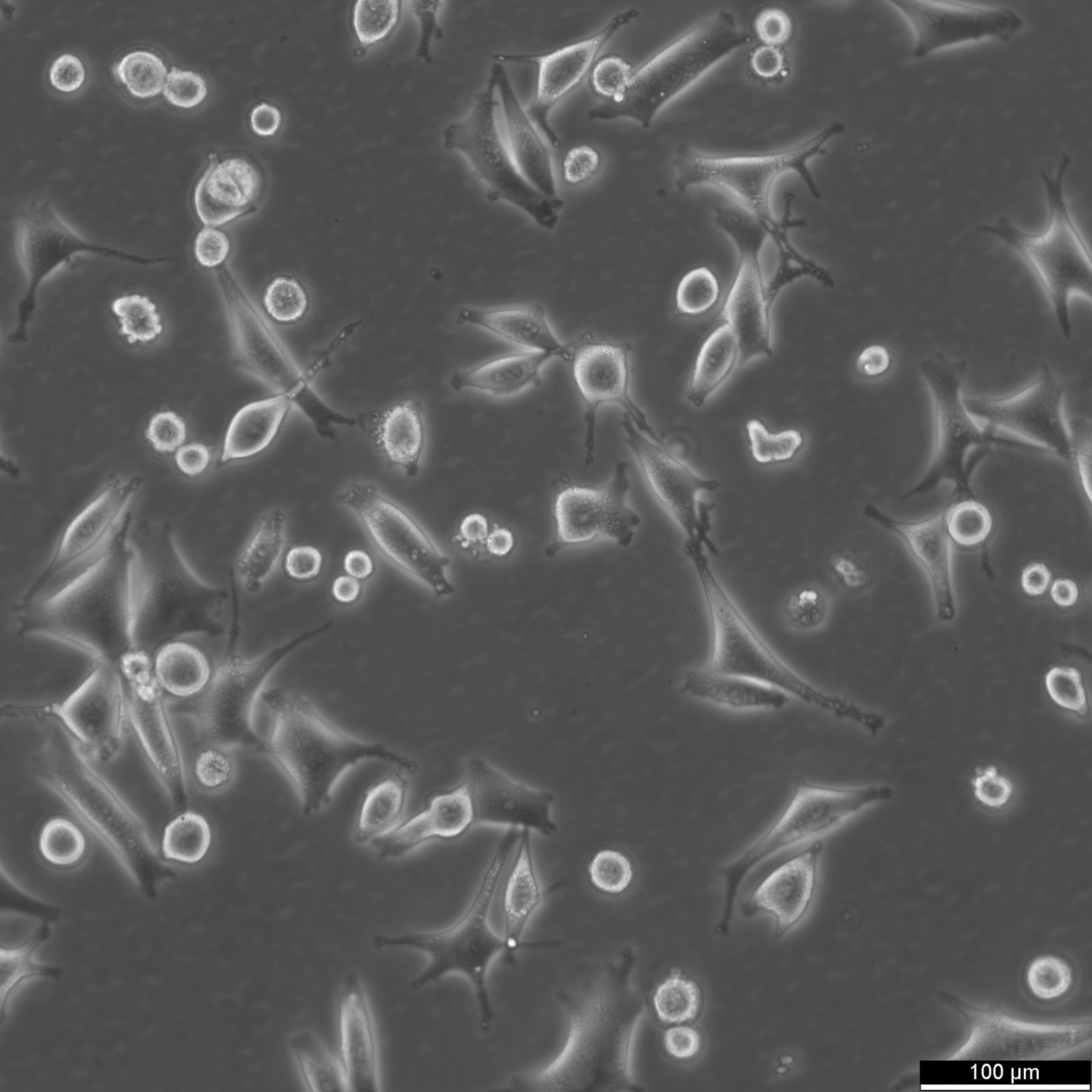
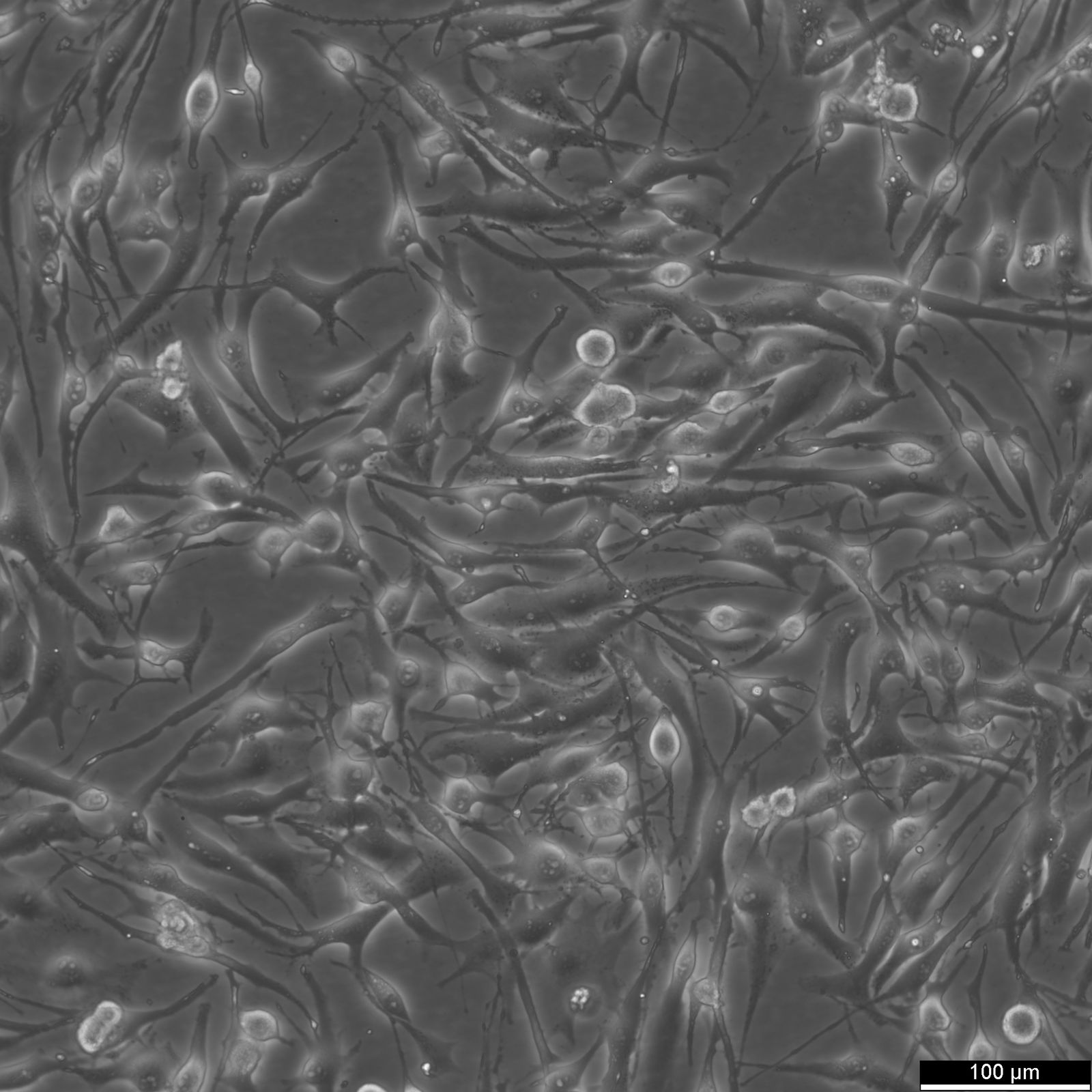
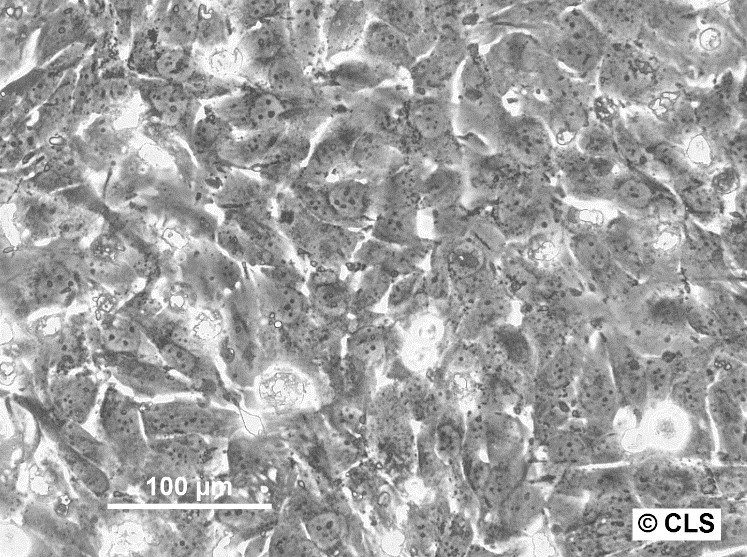
SK-NEP-1 Cells
CAD$897.00*
Products are shipped frozen on dry ice in cryotubes. Each cryotube typically contains 3 × 10⁶ cells for adherent lines or 5 × 10⁶ cells for suspension lines (refer to the batch CoA for details).
General information
| Description | SK-NEP-1 is a human cell line originally derived from a nephroblastoma, also known as Wilms' tumor, a common pediatric renal malignancy. This cell line has been used extensively in preclinical research to study nephroblastoma biology and to evaluate novel therapeutic approaches for treating Wilms' tumor. However, later molecular characterizations revealed that SK-NEP-1 expresses the EWS-FLI1 fusion gene, which is characteristic of Ewing sarcoma, indicating that this cell line is more representative of the Ewing family of tumors rather than Wilms' tumor. This discovery has important implications for interpreting past research that utilized SK-NEP-1, as its biological characteristics align more closely with Ewing sarcoma rather than anaplastic Wilms' tumor. Research involving SK-NEP-1 has shown that it is responsive to chemotherapy agents such as vincristine, which inhibits microtubule polymerization, leading to G2/M phase arrest and apoptosis. Additionally, combination therapies using natural compounds like andrographolide have demonstrated synergistic effects in increasing the cytotoxicity of vincristine on SK-NEP-1 cells, primarily through the PI3K-AKT-p53 signaling pathway. This combination was shown to induce apoptosis in SK-NEP-1 cells, both in vitro and in vivo, making it a promising approach for treating tumors that share the molecular characteristics of SK-NEP-1. SK-NEP-1 is thus a critical model for studying the molecular underpinnings of pediatric renal and Ewing sarcoma tumors and for evaluating the effectiveness of drug combinations aimed at improving therapeutic outcomes in these cancer types. Its use in research has contributed to understanding drug-induced apoptosis and the potential of targeting specific signaling pathways like PI3K-AKT-p53 in cancer therapy. |
|---|---|
| Organism | Human |
| Tissue | Kidney |
| Disease | Wilms tumor |
| Metastatic site | Pleural effusion |
| Synonyms | SKNEP-1, SKNEP1, SKNEP |
Characteristics
| Age | 25 years |
|---|---|
| Gender | Female |
| Ethnicity | Caucasian |
| Morphology | Epithelial-like |
| Growth properties | Suspension |
Regulatory Data
| Citation | SK-NEP-1 (Cytion catalog number 300341) |
|---|---|
| Biosafety level | 1 |
| NCBI_TaxID | 9606 |
| CellosaurusAccession | CVCL_0631 |
Biomolecular Data
| Isoenzymes | PGM3, 1, PGM1, 1-2, ES-D, 1, Me-2, 2, AK-1, 1, GLO-1, 2, G6PD, B, Phenotype Frequency Product: 0.0029 |
|---|---|
| Tumorigenic | Yes, in nude mice. |
| Mutational profile | P53 mut |
| Karyotype | (P12) hypotriploid to hypertriploid (+A1, +A2, +C, +D, +E, +F, +G) with abnormalities including acrocentric fragments, secondary constrictions and large sub telocentric markers |
Handling
| Culture Medium | McCoys 5a, w: 3.0 g/L Glucose, w: stable Glutamine, w: 2.0 mM Sodium pyruvate, w: 2.2 g/L NaHCO3 (Cytion article number 820200a) |
|---|---|
| Supplements | Supplement the medium with 10% FBS |
| Subculturing | Maintain cultures by periodically adding or replacing the medium. Initiate cultures with a density of 5 x 10⁵ cells/ml and keep the cell concentration within the range of 3 x 10⁵ to 1 x 10⁶ cells/ml for optimal growth. |
| Fluid renewal | 2 to 3 times per week |
| Freeze medium | As a cryopreservation medium, we use complete growth medium (including FBS) + 10% DMSO for adequate post-thaw viability, or CM-1 (Cytion catalog number 800100), which includes optimized osmoprotectants and metabolic stabilizers to enhance recovery and reduce cryo-induced stress. |
| Thawing and Culturing Cells |
|
| Incubation Atmosphere | 37°C, 5% CO2, humidified atmosphere. |
| Shipping Conditions | Cryopreserved cell lines are shipped on dry ice in validated, insulated packaging with sufficient refrigerant to maintain approximately −78 °C throughout transit. On receipt, inspect the container immediately and transfer vials without delay to appropriate storage. |
| Storage Conditions | For long-term preservation, place vials in vapor-phase liquid nitrogen at about −150 to −196 °C. Storage at −80 °C is acceptable only as a short interim step before transfer to liquid nitrogen. |
Quality Control & Molecular Analysis
| Sterility | Mycoplasma contamination is excluded using both PCR-based assays and luminescence-based mycoplasma detection methods. To ensure there is no bacterial, fungal, or yeast contamination, cell cultures are subjected to daily visual inspections. |
|---|
Certificate of Analysis (CoA)
| Lot Number | Certificate Type | Date | Catalog Number |
|---|---|---|---|
| 300341-120925 | Certificate of Analysis | 05. Dec. 2025 | 300341 |
| 300341-621 | Certificate of Analysis | 23. May. 2025 | 300341 |
-
Related products
Related products
SK-BR-3 CellsOrganism Human Tissue Breast, mammary gland Disease Invasive ductal carcinoma CAD$545.10*