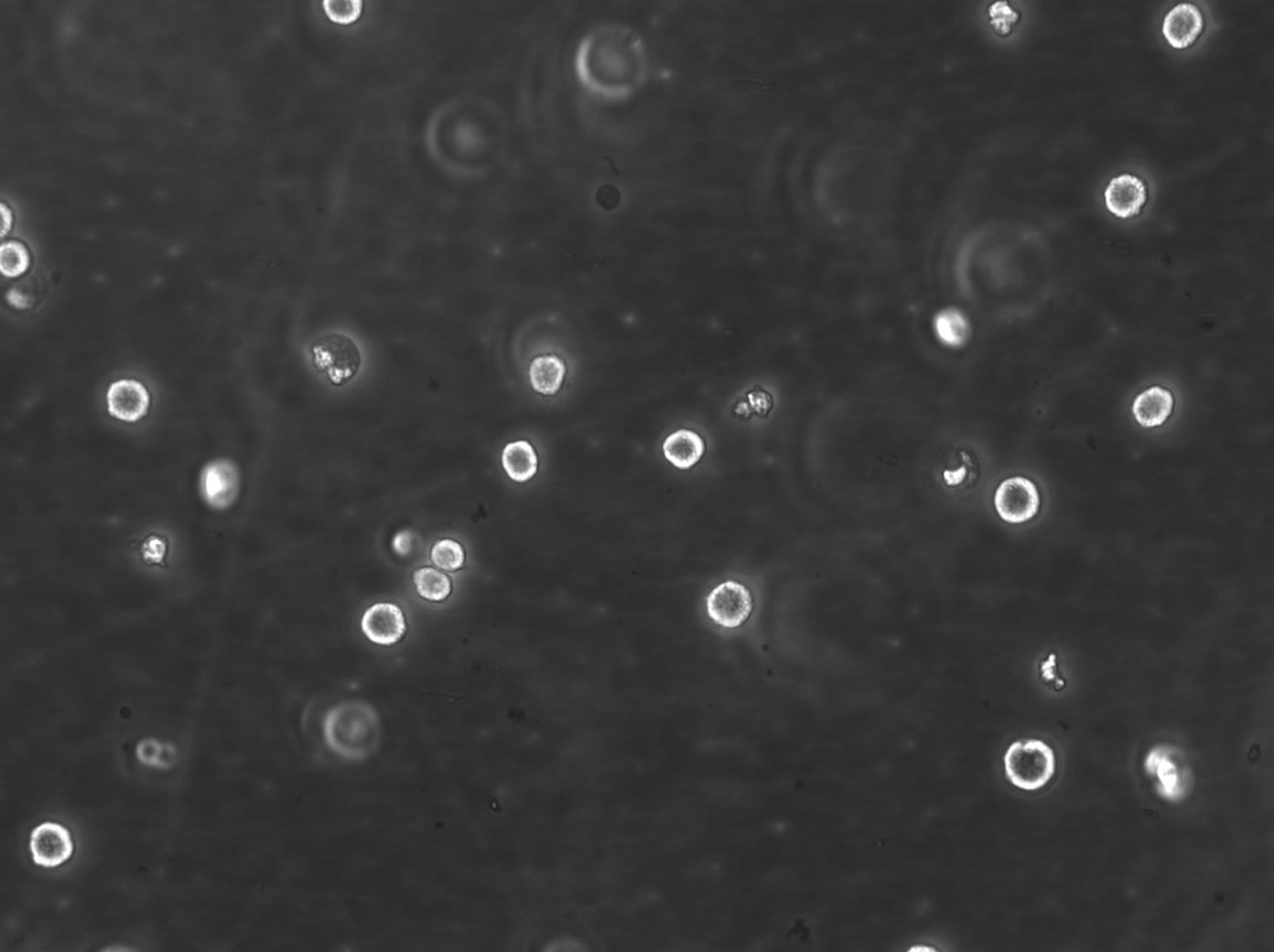
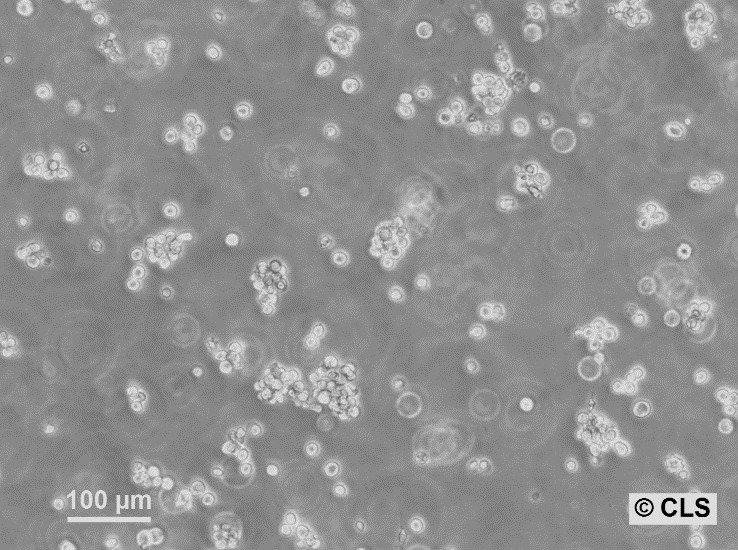
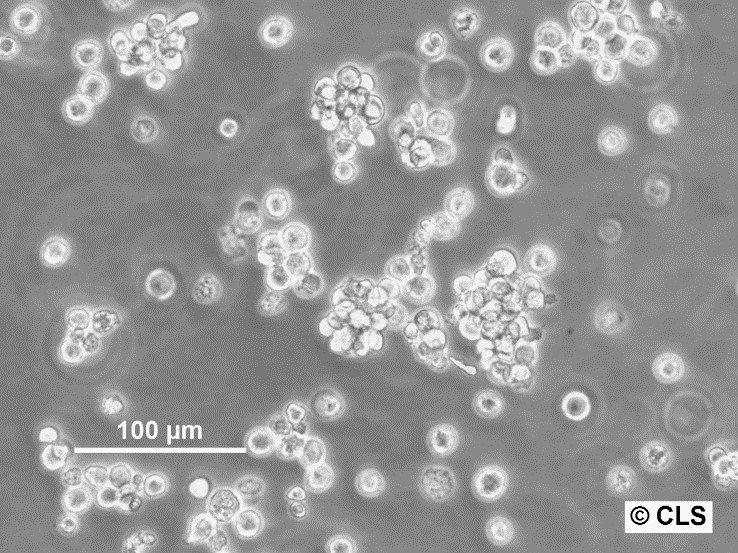
RPMI 8226 Cells
CAD$545.10*
Products are shipped frozen on dry ice in cryotubes. Each cryotube typically contains 3 × 10⁶ cells for adherent lines or 5 × 10⁶ cells for suspension lines (refer to the batch CoA for details).
Key facts about the RPMI 8226 cell lines
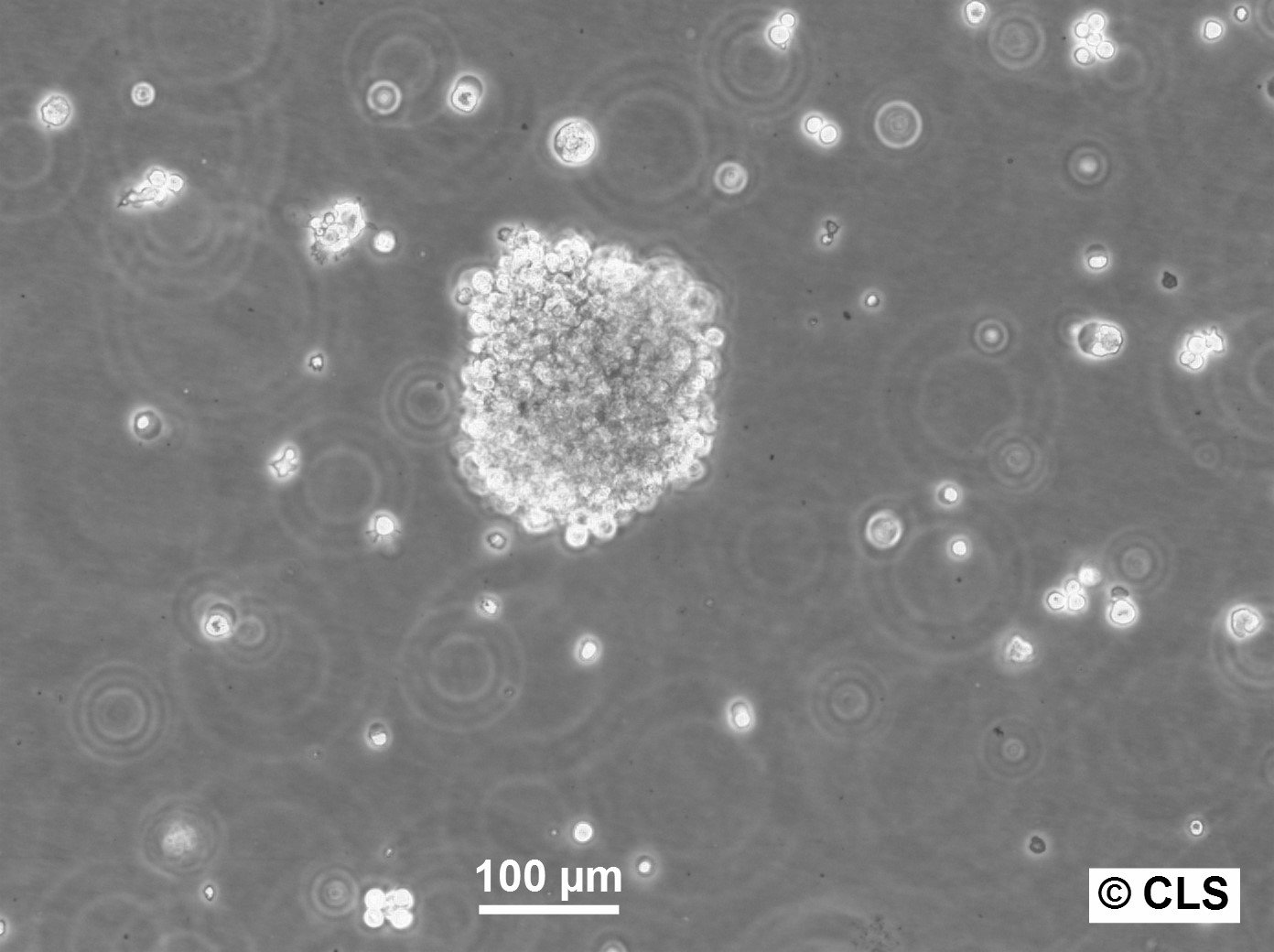
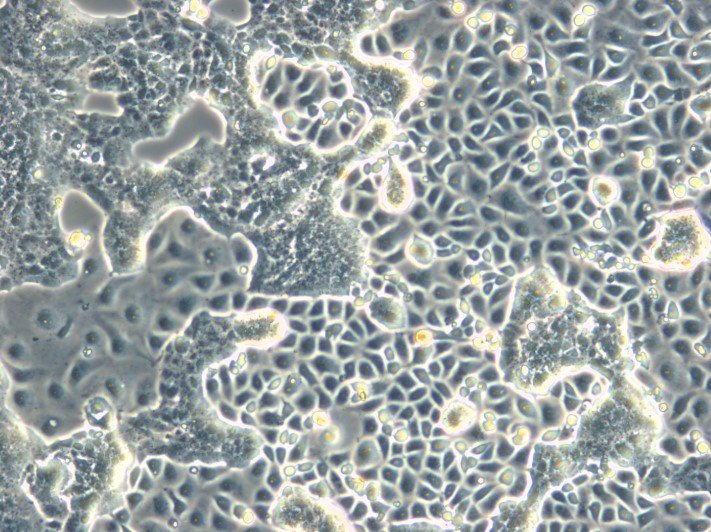
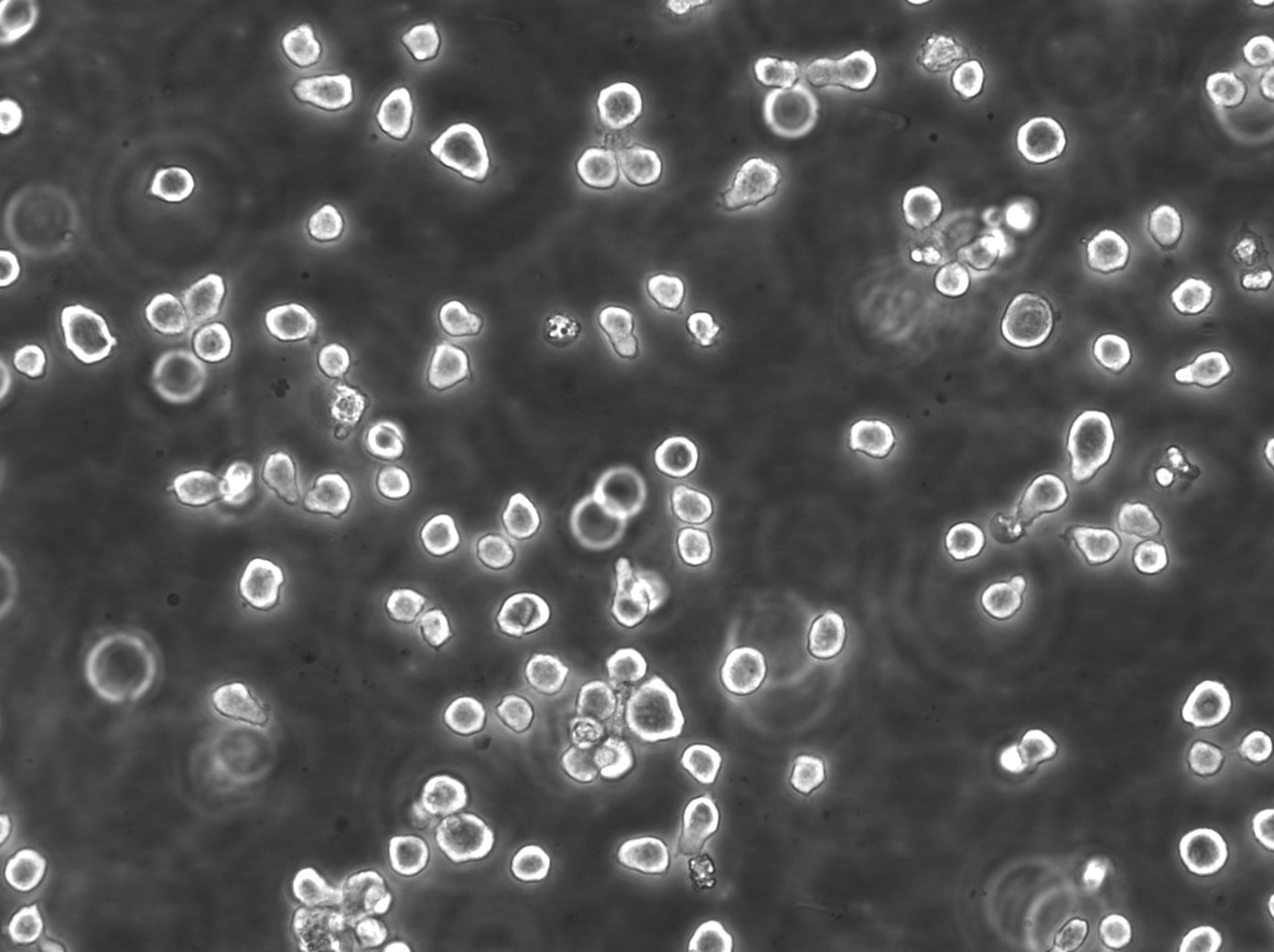
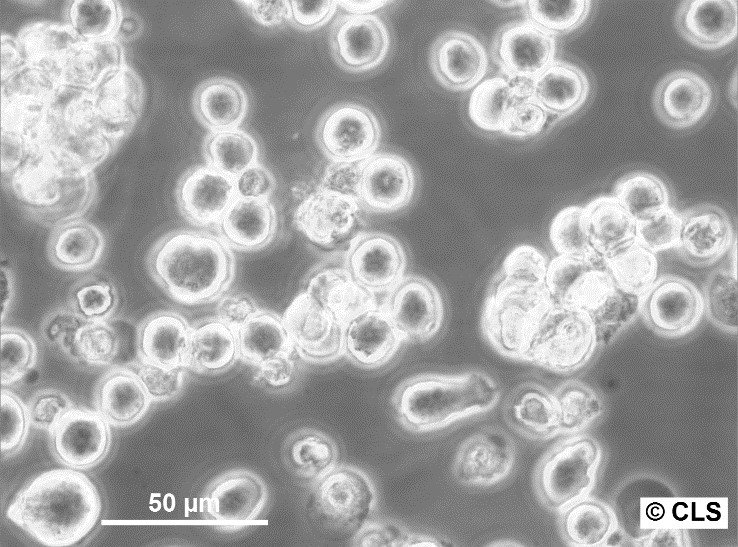
| Description | RPMI 8226 cells are a human myeloma cell line that was established in 1966 from the peripheral blood of a 61-year-old male patient with multiple myeloma. This cell line was named after the Roswell Park Memorial Institute (RPMI) where it was developed, and the number 8226 denotes its specific catalog number in the cell bank. The RPMI 8226 cell line is an important model system for studying multiple myeloma and related aspects of plasma cell biology, immunology research, and cancer therapy. RPMI 8226 cells are known to produce and secrete kappa light chains of immunoglobulins, a feature that is often exploited in research studies to investigate antibody production and secretion mechanisms. RPMI 8226 cells exhibit numerous chromosomal abnormalities, which are typical of multiple myeloma cells. These include translocations, deletions, and amplifications that affect various oncogenes and tumor suppressor genes. The human myeloma cell line RPMI 8226 are widely used in drug discovery and development research, and have been used to investigate drug resistance pathways and evaluating combination therapies. In summary, RPMI 8226 cells provide a critical in vitro model for multiple myeloma research, enabling the investigation of the biological and molecular mechanisms underlying this disease and the development of therapeutic strategies. |
|---|---|
| Organism | Human |
| Tissue | Peripheral blood |
| Disease | Multiple Myeloma |
| Synonyms | RPMI-8226, RPMI.8226, RPMI8226, RPMI no. 8226, RPMI no 8226, RPMI #8226, 8226, RPMI 8226/S, RPMI-8226S, RPMI8226/S, 8226/S, Roswell Park Memorial Institute 8226, GM02132, GM2132, GM 2132, GM02132C, Simpson |
Details
| Age | 61 years |
|---|---|
| Gender | Male |
| Morphology | Round cells |
| Growth properties | Adherent/suspension |
Identifiers / Biosafety / Citation
| Citation | RPMI 8226 (Cytion catalog number 300431) |
|---|---|
| Biosafety level | 1 |
| NCBI_TaxID | 9606 |
| CellosaurusAccession | CVCL_0014 |
Genetic profile of the peripheral blood-derived RPMI 8226 cells
| Antigen expression | HLA Aw19, B15, B37, Cw2 |
|---|---|
| Isoenzymes | G6PD, A |
| Reverse transcriptase | Negative |
| Products | Immunoglobulin light chain |
RPMI-8226 cell culture practices
| Culture Medium | RPMI 1640, w: 2.0 mM stable Glutamine, w: 2.0 g/L NaHCO3 (Cytion article number 820700a) |
|---|---|
| Supplements | Supplement the medium with 10% FBS |
| Dissociation Reagent | Accutase |
| Subculturing | Gather the suspension cells in a 15 ml tube and gently wash the adherent cells with PBS lacking calcium and magnesium (use 3-5 ml for T25 flasks and 5-10 ml for T75 flasks). Apply Accutase (1-2 ml for T25 flasks, 2.5 ml for T75 flasks) ensuring full coverage of the cell layer. Allow the cells to incubate at room temperature for 10 minutes. Following incubation, combine and centrifuge both the suspension and adherent cells. After centrifugation, carefully resuspend the cell pellet and transfer the cell suspension into new flasks containing fresh medium. |
| Seeding density | Start new cultures at 5 x 10⁵ viable cells/ml. Subculture at 1-2 x 10⁶ cells/ml. Maximum cell density is at 1-2 x 10⁶ cell/ml. |
| Fluid renewal | 2 to 3 times per week |
| Post-Thaw Recovery | After thawing allow the cells to recover from the freezing process for at least 24 hours. |
| Freeze medium | As a cryopreservation medium, we use complete growth medium (including FBS) + 10% DMSO for adequate post-thaw viability, or CM-1 (Cytion catalog number 800100), which includes optimized osmoprotectants and metabolic stabilizers to enhance recovery and reduce cryo-induced stress. |
| Thawing and Culturing Cells |
|
| Incubation Atmosphere | 37°C, 5% CO2, humidified atmosphere. |
| Shipping Conditions | Cryopreserved cell lines are shipped on dry ice in validated, insulated packaging with sufficient refrigerant to maintain approximately −78 °C throughout transit. On receipt, inspect the container immediately and transfer vials without delay to appropriate storage. |
| Storage Conditions | For long-term preservation, place vials in vapor-phase liquid nitrogen at about −150 to −196 °C. Storage at −80 °C is acceptable only as a short interim step before transfer to liquid nitrogen. |
Quality verification
| Sterility | Mycoplasma contamination is excluded using both PCR-based assays and luminescence-based mycoplasma detection methods. To ensure there is no bacterial, fungal, or yeast contamination, cell cultures are subjected to daily visual inspections. |
|---|
Certificate of Analysis (CoA)
| Lot Number | Certificate Type | Date | Catalog Number |
|---|---|---|---|
| 300431-130125 | Certificate of Analysis | 23. May. 2025 | 300431 |
| 300431-1022 | Certificate of Analysis | 23. May. 2025 | 300431 |
-
Related products
Related products