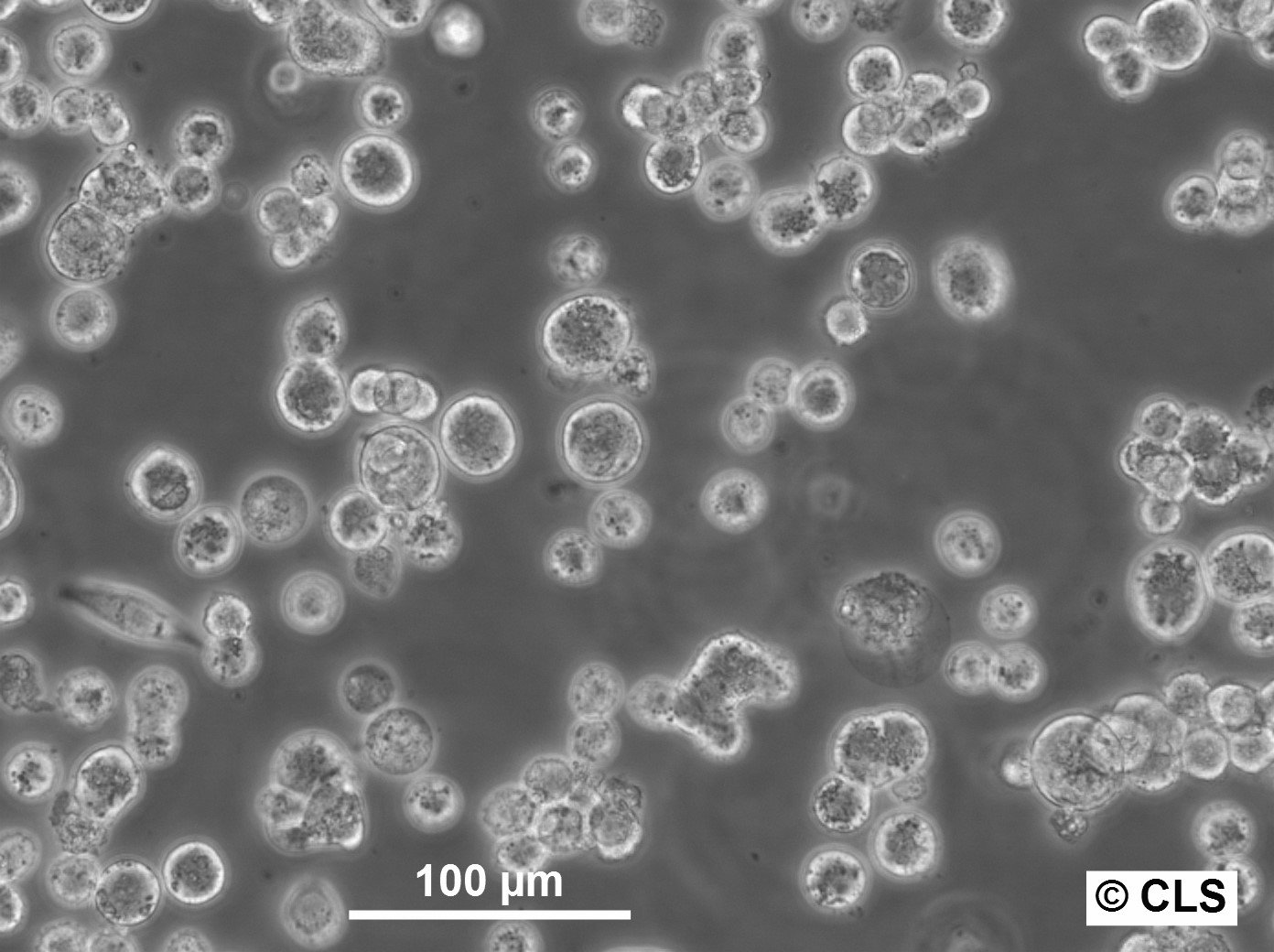
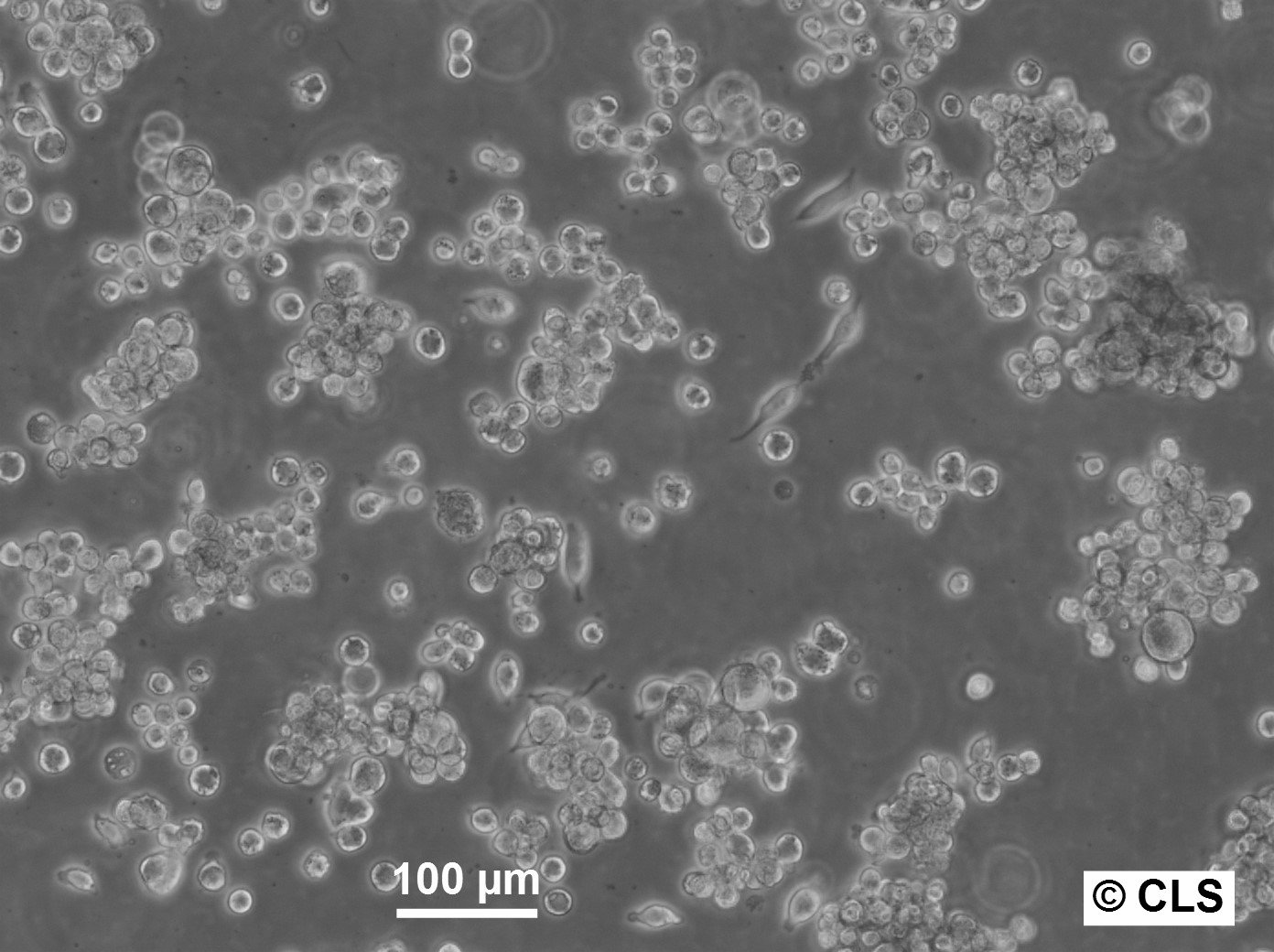
Novikoff Hepatoma Cells
CAD$1,104.00*
Products are shipped frozen on dry ice in cryotubes. Each cryotube typically contains 3 × 10⁶ cells for adherent lines or 5 × 10⁶ cells for suspension lines (refer to the batch CoA for details).
General information
| Description | Novikoff-Hepatoma (RRID:CVCL_1D01), also known as Novikoff Hepatoma or NK, is a rat hepatocellular carcinoma cell line derived from a male Sprague Dawley rat (Rattus norvegicus). The tumor originated as an experimentally induced hepatoma and has been widely used as a transplantable and in vitro model of rat liver cancer. It represents a poorly differentiated hepatocellular carcinoma and is characterized by rapid proliferation and high tumorigenic capacity in syngeneic hosts. The N1-S1 cell line (CVCL_3551) originates from the same individual tumor, indicating a shared genetic background between these related derivatives. Novikoff-Hepatoma cells exhibit morphological and biochemical features consistent with malignant hepatocytes, including altered metabolic activity, dysregulated cell cycle control, and enhanced nucleolar and ribosomal biogenesis typical of rapidly growing hepatic tumors. Historically, this model has been extensively used in studies of liver carcinogenesis, tumor metabolism, RNA and protein synthesis, and chemotherapeutic response in rodent systems. Due to its robust growth characteristics and reproducibility, the line has served as a classical model in experimental oncology, particularly for investigating hepatocellular carcinoma biology in immunocompetent rat models. As a Sprague Dawley - derived tumor line, Novikoff-Hepatoma is compatible with syngeneic transplantation studies in the corresponding rat strain, enabling investigation of tumor-host interactions, therapeutic interventions, and loco-regional treatment strategies such as intra-arterial drug delivery. Its well-documented experimental history and stable malignant phenotype make it a valuable preclinical model for mechanistic studies of hepatocellular carcinoma progression and treatment response in vivo and in vitro. |
|---|---|
| Organism | Rat |
| Tissue | Liver |
| Disease | Hepatocellular carcinoma |
| Applications | Induction of hepatoma |
| Synonyms | Novikoff-Hepatoma, NK |
Characteristics
| Breed/Subspecies | Sprague-Dawley |
|---|---|
| Gender | Male |
| Growth properties | Suspension, some adherent cells |
Regulatory Data
| Citation | Novikoff Hepatoma (Cytion catalog number 500373) |
|---|---|
| Biosafety level | 1 |
| NCBI_TaxID | 10116 |
| CellosaurusAccession | CVCL_1D01 |
Biomolecular Data
| Tumorigenic | Yes, in Sprague-Dawley Rat |
|---|
Handling
| Culture Medium | RPMI 1640, w: 2.0 mM stable Glutamine, w: 2.0 g/L NaHCO3 (Cytion article number 820700a) |
|---|---|
| Supplements | Supplement the medium with 10% FBS |
| Subculturing | Gently homogenize the cell suspension in the flask by pipetting up and down, then take a representative sample to determine the cell density per ml. Dilute the suspension to achieve a cell concentration of 1 x 10⁵ cells/ml with fresh culture medium, and aliquot the adjusted suspension into new flasks for further cultivation. |
| Seeding density | 1 x 10⁵ cells/ml |
| Post-Thaw Recovery | Good. Allow the cells to recover from the freezing process for at least 24 to 48 hours. |
| Freeze medium | As a cryopreservation medium, we use complete growth medium (including FBS) + 10% DMSO for adequate post-thaw viability, or CM-1 (Cytion catalog number 800100), which includes optimized osmoprotectants and metabolic stabilizers to enhance recovery and reduce cryo-induced stress. |
| Thawing and Culturing Cells |
|
| Incubation Atmosphere | 37°C, 5% CO2, humidified atmosphere. |
| Shipping Conditions | Cryopreserved cell lines are shipped on dry ice in validated, insulated packaging with sufficient refrigerant to maintain approximately −78 °C throughout transit. On receipt, inspect the container immediately and transfer vials without delay to appropriate storage. |
| Storage Conditions | For long-term preservation, place vials in vapor-phase liquid nitrogen at about −150 to −196 °C. Storage at −80 °C is acceptable only as a short interim step before transfer to liquid nitrogen. |
Quality Control & Molecular Analysis
| Sterility | Mycoplasma contamination is excluded using both PCR-based assays and luminescence-based mycoplasma detection methods. To ensure there is no bacterial, fungal, or yeast contamination, cell cultures are subjected to daily visual inspections. |
|---|