
NRK-EGFP-H2B Cells
CAD$1,104.00*
Products are shipped frozen on dry ice in cryotubes. Each cryotube typically contains 3 × 10⁶ cells for adherent lines or 5 × 10⁶ cells for suspension lines (refer to the batch CoA for details).
General information
| Description | The NRK-EGFP-H2B cell line is a genetically modified variant of normal rat kidney (NRK) cells that stably express the enhanced green fluorescent protein (EGFP) fused to histone H2B. This modification allows for real-time visualization of chromatin and nuclear dynamics, making this cell line an invaluable tool for studying cell cycle progression, mitosis, and chromatin organization. The stable expression of EGFP-H2B provides a bright and consistent fluorescent signal, facilitating high-resolution live-cell imaging and enabling researchers to monitor nuclear events with great precision. NRK cells, originating from the kidney tissue of an adult rat, are widely used in cellular biology due to their robust growth characteristics and well-documented physiological behaviors. The introduction of the EGFP-H2B fusion protein into these cells does not significantly alter their growth or morphology, allowing for reliable and reproducible experimental conditions. This cell line is particularly useful in studies of kidney cell biology, cellular responses to stress, and mechanisms of carcinogenesis, given the kidney's role in filtering blood and excreting waste. Additionally, the fluorescence capabilities of NRK-EGFP-H2B cells can be harnessed in drug screening applications to observe drug effects on cell proliferation and nuclear morphology in real-time. |
|---|---|
| Organism | Rat |
| Tissue | Kidney |
| Synonyms | NRK EGFP-H2B |
Characteristics
| Breed/Subspecies | OsborneMendel |
|---|---|
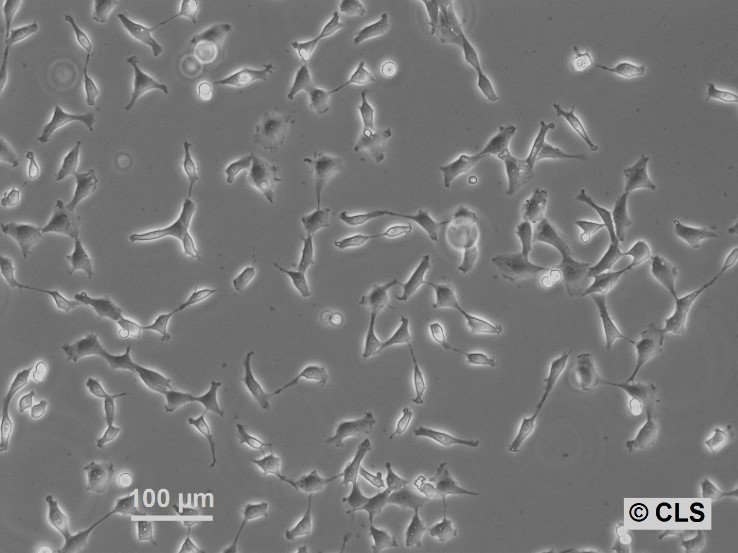
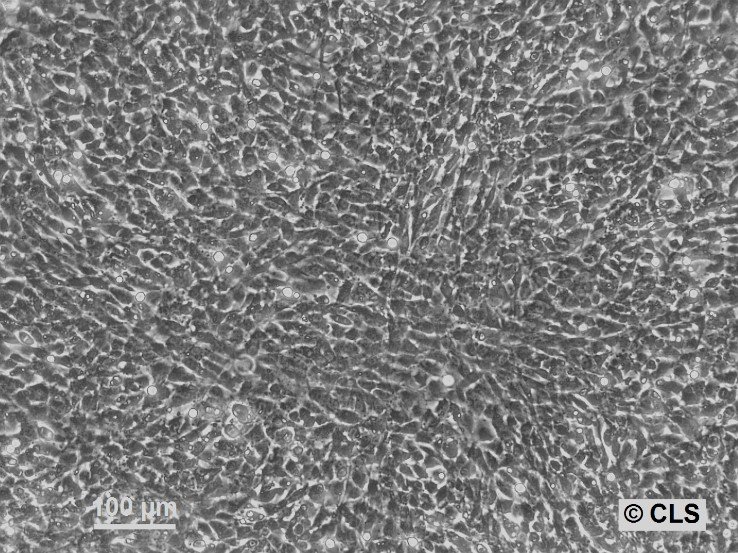
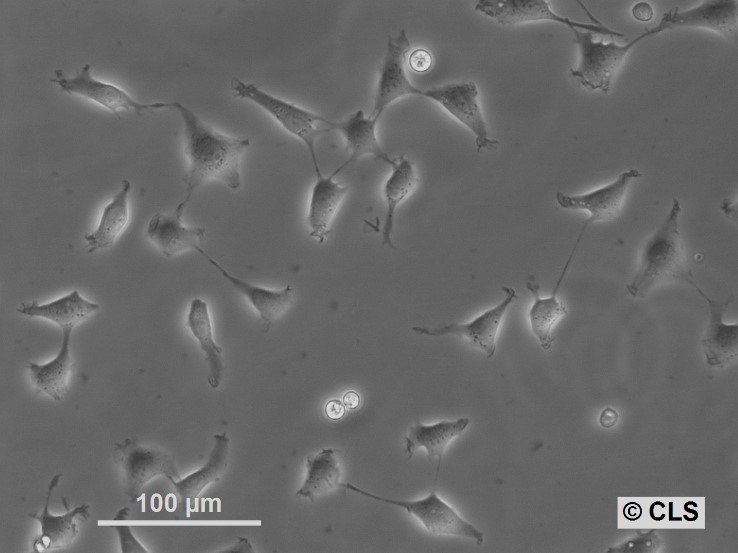
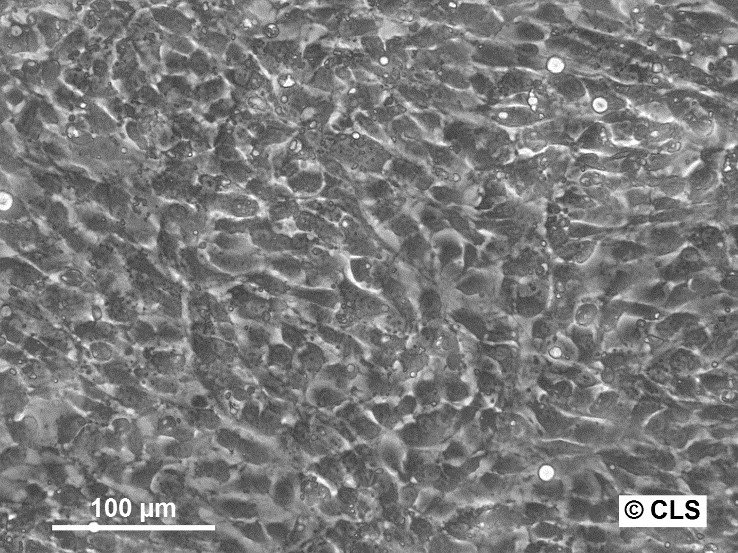
| Morphology | Fibroblast-like cells with fusiform shape |
| Growth properties | Monolayer, adherent |
Regulatory Data
| Citation | NRK-EGFP-H2B (Cytion catalog number 500724) |
|---|---|
| Biosafety level | 1 |
| NCBI_TaxID | 10116 |
| CellosaurusAccession | CVCL_AV92 |
| Depositor | The Ellenberg Lab (EMBL) |
Biomolecular Data
| Receptors expressed | Epidermal growth factor (EGF), multiplication stimulating activity (MSA) |
|---|---|
| Protein expression | EGFP-H2B: Location/Gene: 1..589 / Pcmv, 613..1329 / EGFP, 1387..1764 / H2B, 3001..3795 / KanR/NeoR |
| Products | Epidermal growth factor (EGF), multiplication stimulating activity (MSA), CMV Promotor Histone H2B, Neomycin, Phosphotransferase |
Handling
| Culture Medium | DMEM, w: 4.5 g/L Glucose, w: 4 mM L-Glutamine, w: 3.7 g/L NaHCO3, w: 1.0 mM Sodium pyruvate (Cytion article number 820300a) |
|---|---|
| Supplements | Supplement the medium with 10% FBS, 0.5 mg/mL G418 |
| Dissociation Reagent | Accutase |
| Subculturing | Discard the old medium and wash the cells with PBS. Add a freshly prepared 0.025% trypsin/0.02% EDTA solution heated to 37 degrees Celsius and wait until the cells detach, which usually takes about 5 minutes. Neutralize the trypsin by adding fresh medium, then transfer the cell mixture to a tube and centrifuge. After centrifugation, remove the supernatant, resuspend the cell pellet in fresh culture medium, and transfer the suspension to new flasks. Incorporate G418 into the culture medium to achieve a final concentration of 0.5 mg/ml |
| Seeding density | 2 to 4 x 10⁴ cells/cm2 |
| Fluid renewal | 2 to 3 times per week |
| Freeze medium | As a cryopreservation medium, we use complete growth medium (including FBS) + 10% DMSO for adequate post-thaw viability, or CM-1 (Cytion catalog number 800100), which includes optimized osmoprotectants and metabolic stabilizers to enhance recovery and reduce cryo-induced stress. |
| Thawing and Culturing Cells |
|
| Incubation Atmosphere | 37°C, 5% CO2, humidified atmosphere. |
| Shipping Conditions | Cryopreserved cell lines are shipped on dry ice in validated, insulated packaging with sufficient refrigerant to maintain approximately −78 °C throughout transit. On receipt, inspect the container immediately and transfer vials without delay to appropriate storage. |
| Storage Conditions | For long-term preservation, place vials in vapor-phase liquid nitrogen at about −150 to −196 °C. Storage at −80 °C is acceptable only as a short interim step before transfer to liquid nitrogen. |
Quality Control & Molecular Analysis
| Sterility | Mycoplasma contamination is excluded using both PCR-based assays and luminescence-based mycoplasma detection methods. To ensure there is no bacterial, fungal, or yeast contamination, cell cultures are subjected to daily visual inspections. |
|---|