
MR1 Cells
CAD$545.10*
Products are shipped frozen on dry ice in cryotubes. Each cryotube typically contains 3 × 10⁶ cells for adherent lines or 5 × 10⁶ cells for suspension lines (refer to the batch CoA for details).
General information
| Description | MR1 is a hybridoma cell line derived from the fusion of spleen cells with NS-1 myeloma cells, following the immunization of animals with mouse T cells, particularly of the Th1 subtype. These cells express immunoglobulin, specifically monoclonal antibodies targeting the mouse CD40 ligand (CD154, also known as gp39 or CD40L). The isotype of the monoclonal antibody produced is IgG. CD154 is a crucial molecule involved in T cell interactions, particularly in the activation of B cells, as its binding to CD40 on B cells is essential for B cell proliferation, differentiation, and immunoglobulin production. This binding also influences T cell costimulation and cytokine production, making CD154 an important target for therapeutic intervention in immune modulation. MR1-derived antibodies specifically target and block the interaction between CD154 and CD40, which has therapeutic implications in various immune responses. Notably, anti-CD154 antibodies have been used to induce T cell unresponsiveness to organ grafts in transplantation. By blocking the CD154-CD40 interaction, MR1 antibodies inhibit T cell activation and the associated immune response, promoting a state of tolerance. This strategy is particularly valuable in preventing organ rejection in transplant recipients, as it enables long-term graft survival without the need for systemic immunosuppressants, which can have extensive side effects. In experimental models, MR1 antibodies have demonstrated the ability to prolong pancreatic islet graft survival, which is significant in the treatment of diabetes through islet transplantation. MR1 antibodies are also utilized in research related to autoimmune diseases, where inappropriate activation of T cells and B cells via CD40-CD154 interactions plays a critical role. By inhibiting these interactions, MR1 antibodies can help modulate immune responses, making them potential candidates for therapeutic applications beyond transplantation, including in autoimmune conditions and certain lymphoproliferative disorders. Research and patent literature have explored the use of MR1 in various applications, underscoring its relevance in the field of immune regulation and therapeutic antibody development. |
|---|---|
| Organism | Animal cells |
Characteristics
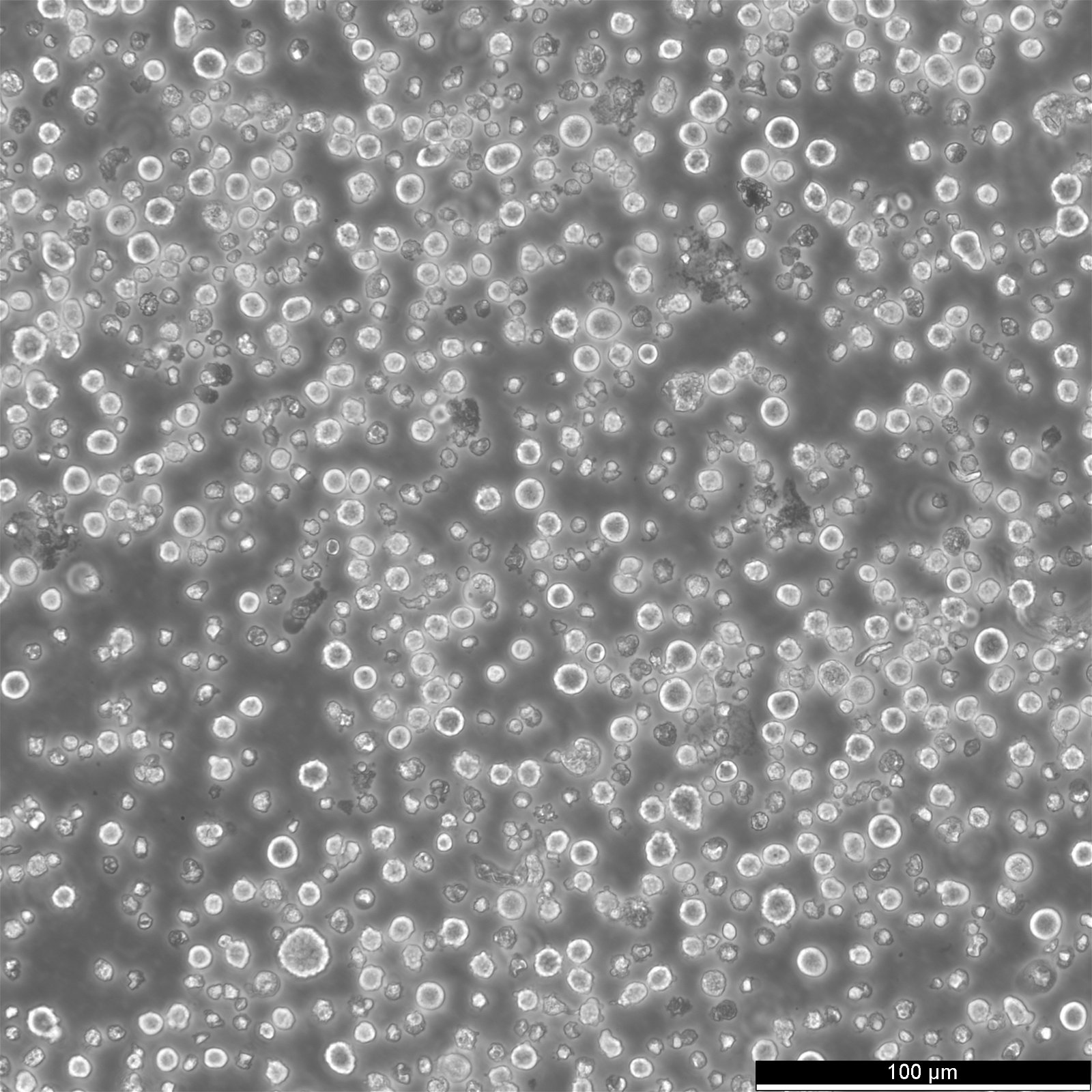
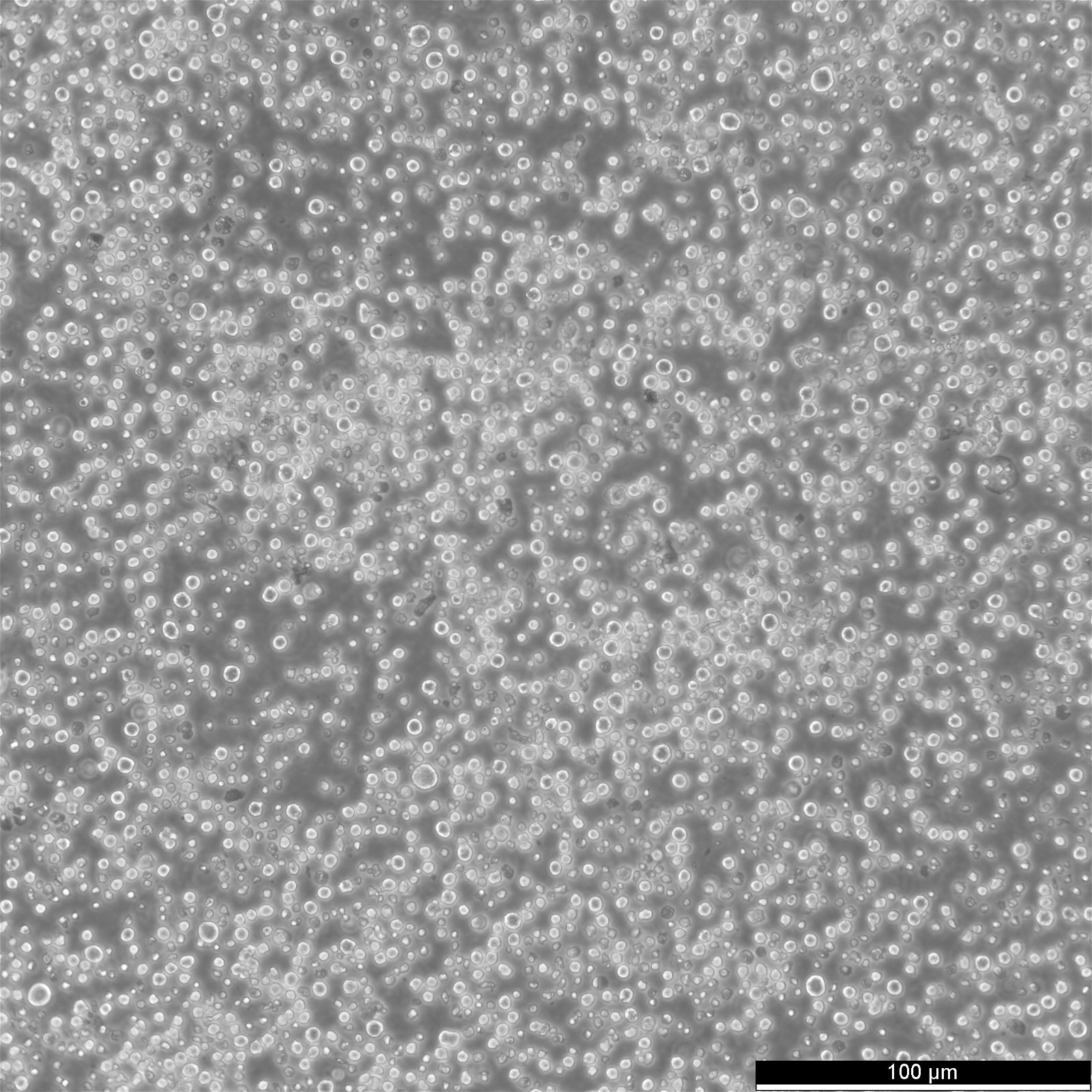
| Morphology | Lymphoblast |
|---|---|
| Growth properties | Suspension |
Regulatory Data
| Citation | MR1 (Cytion catalog number 305000) |
|---|---|
| Biosafety level | 1 |
| NCBI_TaxID | 10090/10032 |
| CellosaurusAccession | CVCL_8964 |
Biomolecular Data
| Protein expression | Immunoglobulin, monoclonal antibody, against mouse CD40 ligand (CD154, CD40L, gp39) |
|---|
Handling
| Culture Medium | RPMI 1640, w: 2.0 mM stable Glutamine, w: 2.0 g/L NaHCO3 (Cytion article number 820700a) |
|---|---|
| Supplements | Supplement the medium with 10% FBS, 0.05 mM 2-mercaptoethanol |
| Subculturing | Gently homogenize the cell suspension in the flask by pipetting up and down, then take a representative sample to determine the cell density per ml. Dilute the suspension to achieve a cell concentration of 1 x 10⁵ cells/ml with fresh culture medium, and aliquot the adjusted suspension into new flasks for further cultivation. |
| Fluid renewal | 2 to 3 times per week |
| Freeze medium | As a cryopreservation medium, we use complete growth medium (including FBS) + 10% DMSO for adequate post-thaw viability, or CM-1 (Cytion catalog number 800100), which includes optimized osmoprotectants and metabolic stabilizers to enhance recovery and reduce cryo-induced stress. |
| Thawing and Culturing Cells |
|
| Incubation Atmosphere | 37°C, 5% CO2, humidified atmosphere. |
| Shipping Conditions | Cryopreserved cell lines are shipped on dry ice in validated, insulated packaging with sufficient refrigerant to maintain approximately −78 °C throughout transit. On receipt, inspect the container immediately and transfer vials without delay to appropriate storage. |
| Storage Conditions | For long-term preservation, place vials in vapor-phase liquid nitrogen at about −150 to −196 °C. Storage at −80 °C is acceptable only as a short interim step before transfer to liquid nitrogen. |
Quality Control & Molecular Analysis
| Sterility | Mycoplasma contamination is excluded using both PCR-based assays and luminescence-based mycoplasma detection methods. To ensure there is no bacterial, fungal, or yeast contamination, cell cultures are subjected to daily visual inspections. |
|---|