
MOLP-8 Cells
CAD$545.10*
Products are shipped frozen on dry ice in cryotubes. Each cryotube typically contains 3 × 10⁶ cells for adherent lines or 5 × 10⁶ cells for suspension lines (refer to the batch CoA for details).
General information
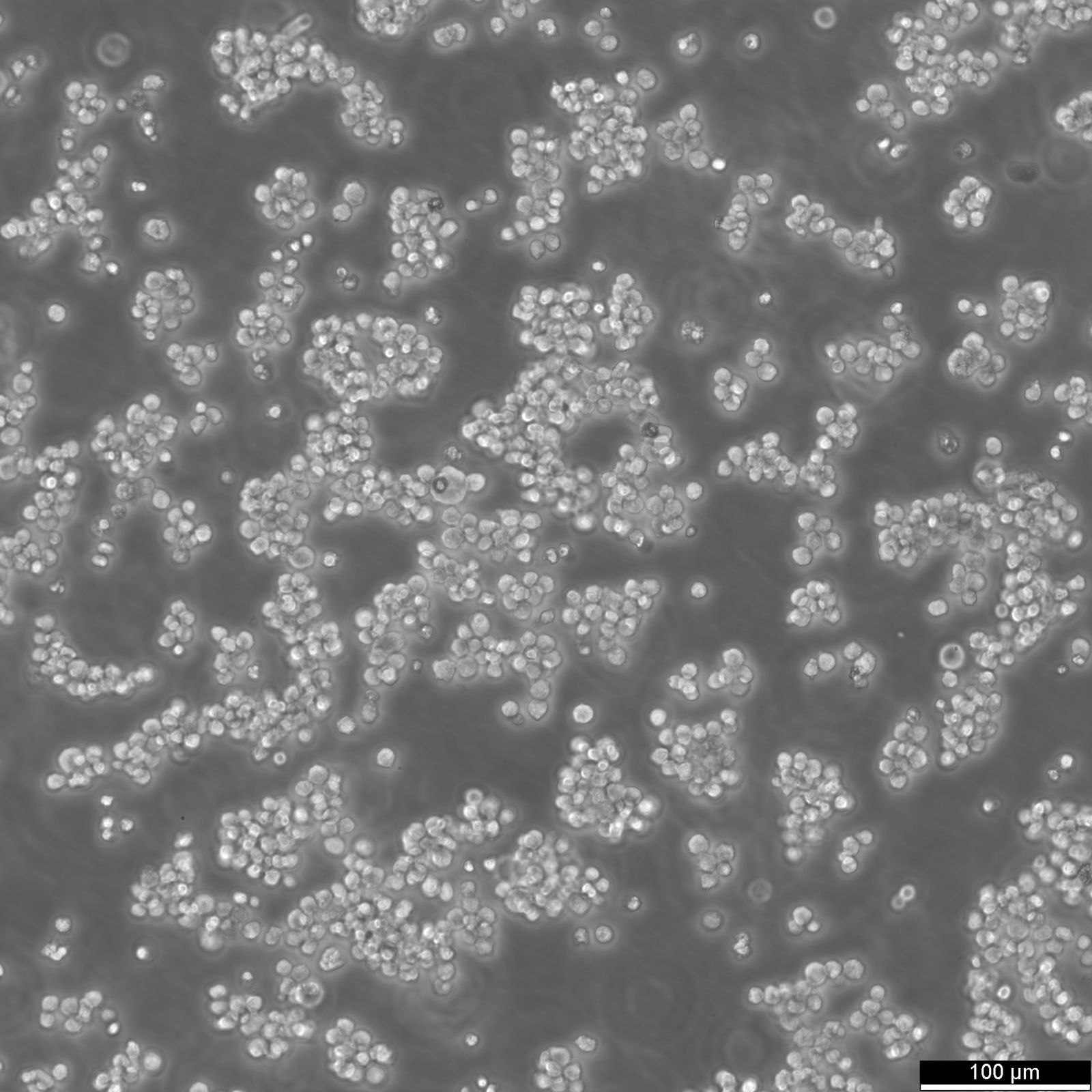
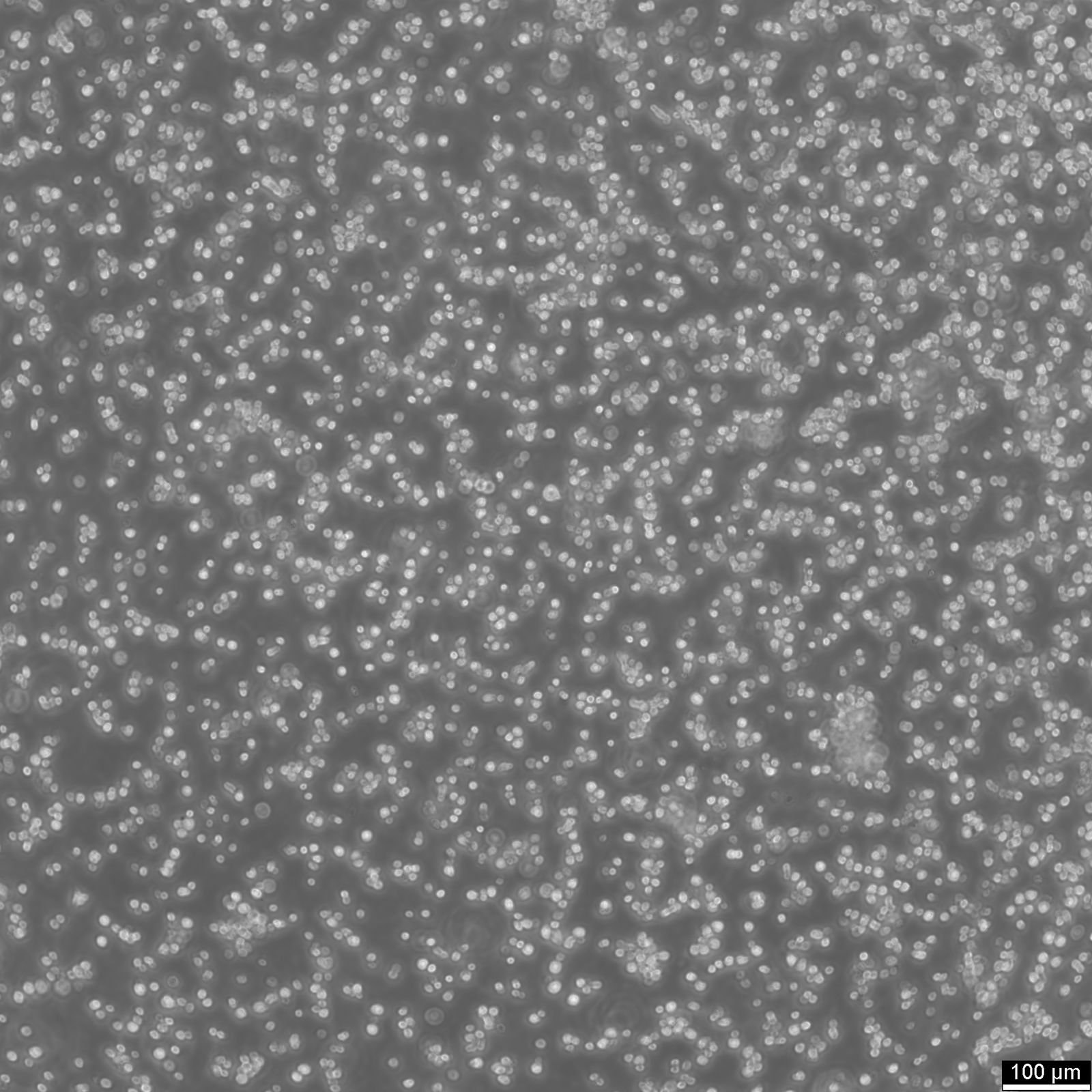
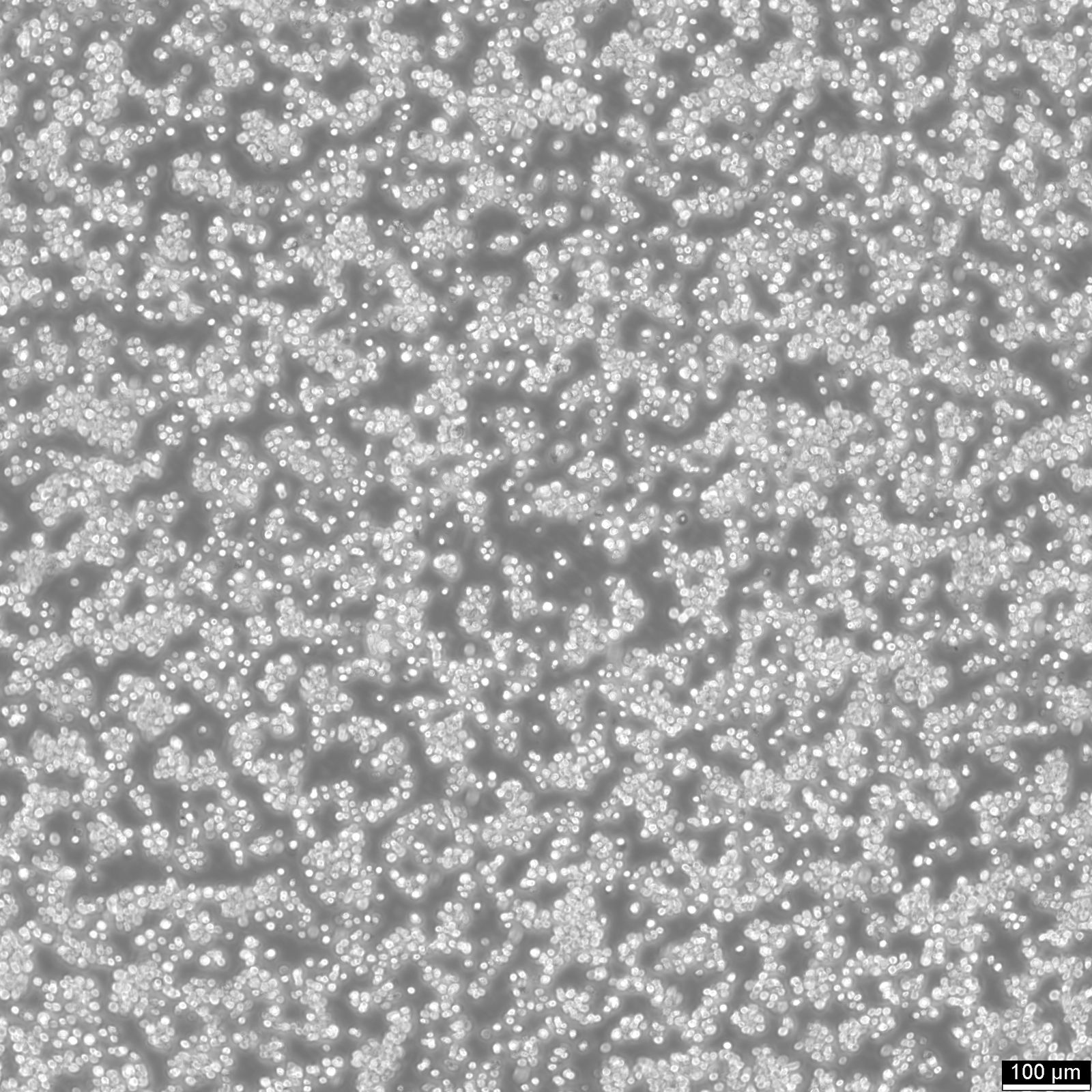
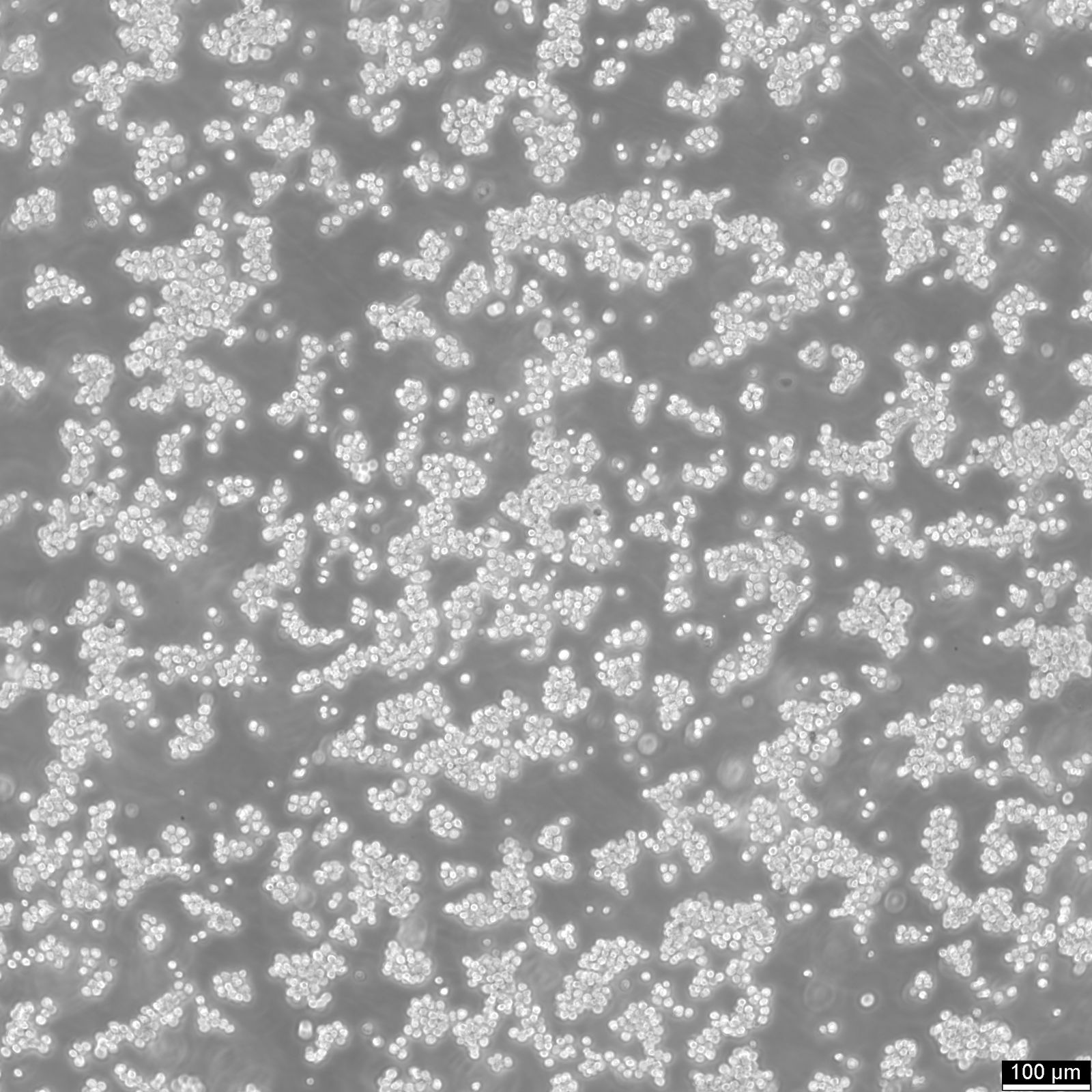
| Description | The MOLP-8 cell line is a human multiple myeloma cell line that carries the chromosomal translocation t(11;14)(q13;q32) and expresses the delta/lambda type immunoglobulin. It was established from the peripheral blood of a Japanese male patient diagnosed with stage IIIA multiple myeloma, specifically the Bence-Jones delta/lambda type. MOLP-8 cells grow independently of exogenous growth factors and exhibit a typical plasma cell morphology with heterogeneous sizes and one to three nuclei. This cell line is valuable for studying multiple myeloma biology, including mechanisms related to immunoglobulin production, cell signaling pathways, and drug responses in myeloma treatment. The immunophenotype of MOLP-8 cells includes markers such as CD38, CD138, CD54, and CD56, which are typically associated with plasma cells, along with cytoplasmic delta and lambda light chains. Interestingly, although the cells are initially negative for CD28, a marker related to advanced myeloma, CD28 expression can be induced when MOLP-8 cells are co-cultured with bone marrow stromal cells. This system has been instrumental in understanding the role of cell adhesion molecules like CD29 (integrin β1) and CD106 (VCAM-1) in cellular interactions between myeloma and bone marrow stromal cells. Inhibition of adhesion was achieved by targeting these molecules, indicating the importance of the VLA-4/VCAM-1 interaction in the tumor microenvironment. MOLP-8 cells provide an excellent in vitro model for exploring the molecular mechanisms of multiple myeloma progression and therapeutic targets. The cell line has been used to study the modulation of antigens involved in tumor expansion and the effects of potential treatments. Its ability to model advanced myeloma stages, including CD28 expression and interaction with stromal components, makes it particularly useful in researching disease metastasis and resistance to conventional therapies. . |
|---|---|
| Organism | Human |
| Tissue | Bone marrow |
| Disease | Multiple myeloma |
| Metastatic site | Peripheral blood |
| Synonyms | MOLP8 |
Characteristics
| Age | 52 years |
|---|---|
| Gender | Male |
| Ethnicity | Japanese |
| Growth properties | Suspension |
Regulatory Data
| Citation | MOLP-8 (Cytion catalog number 304082) |
|---|---|
| Biosafety level | 1 |
| NCBI_TaxID | 9606 |
| CellosaurusAccession | CVCL_2124 |
Biomolecular Data
| MSI-status | Stable (MSS) |
|---|
Handling
| Culture Medium | RPMI 1640, w: 2.0 mM stable Glutamine, w: 2.0 g/L NaHCO3 (Cytion article number 820700a) |
|---|---|
| Supplements | Supplement the medium with heat-inactivated 20% FBS, add 2.5 g/L glucose and 10 mM HEPES |
| Doubling time | 40 hours |
| Subculturing | To maintain proper proliferation, the clusters must be well separated daily by pipetting. Resuspend cell suspension in the flask and take representative aliquote to count the cell number per ml. Dilute cell suspension to 1 x 10⁵ cells/ml with fresh medium and transfer into new flasks. |
| Seeding density | 5 x 10⁵ cells/ml |
| Freeze medium | As a cryopreservation medium, we use complete growth medium (including FBS) + 10% DMSO for adequate post-thaw viability, or CM-1 (Cytion catalog number 800100), which includes optimized osmoprotectants and metabolic stabilizers to enhance recovery and reduce cryo-induced stress. |
| Thawing and Culturing Cells |
|
| Incubation Atmosphere | 37°C, 5% CO2, humidified atmosphere. |
| Shipping Conditions | Cryopreserved cell lines are shipped on dry ice in validated, insulated packaging with sufficient refrigerant to maintain approximately −78 °C throughout transit. On receipt, inspect the container immediately and transfer vials without delay to appropriate storage. |
| Storage Conditions | For long-term preservation, place vials in vapor-phase liquid nitrogen at about −150 to −196 °C. Storage at −80 °C is acceptable only as a short interim step before transfer to liquid nitrogen. |
Quality Control & Molecular Analysis
| Sterility | Mycoplasma contamination is excluded using both PCR-based assays and luminescence-based mycoplasma detection methods. To ensure there is no bacterial, fungal, or yeast contamination, cell cultures are subjected to daily visual inspections. |
|---|
Certificate of Analysis (CoA)
| Lot Number | Certificate Type | Date | Catalog Number |
|---|---|---|---|
| 304082-170624 | Certificate of Analysis | 23. May. 2025 | 304082 |