
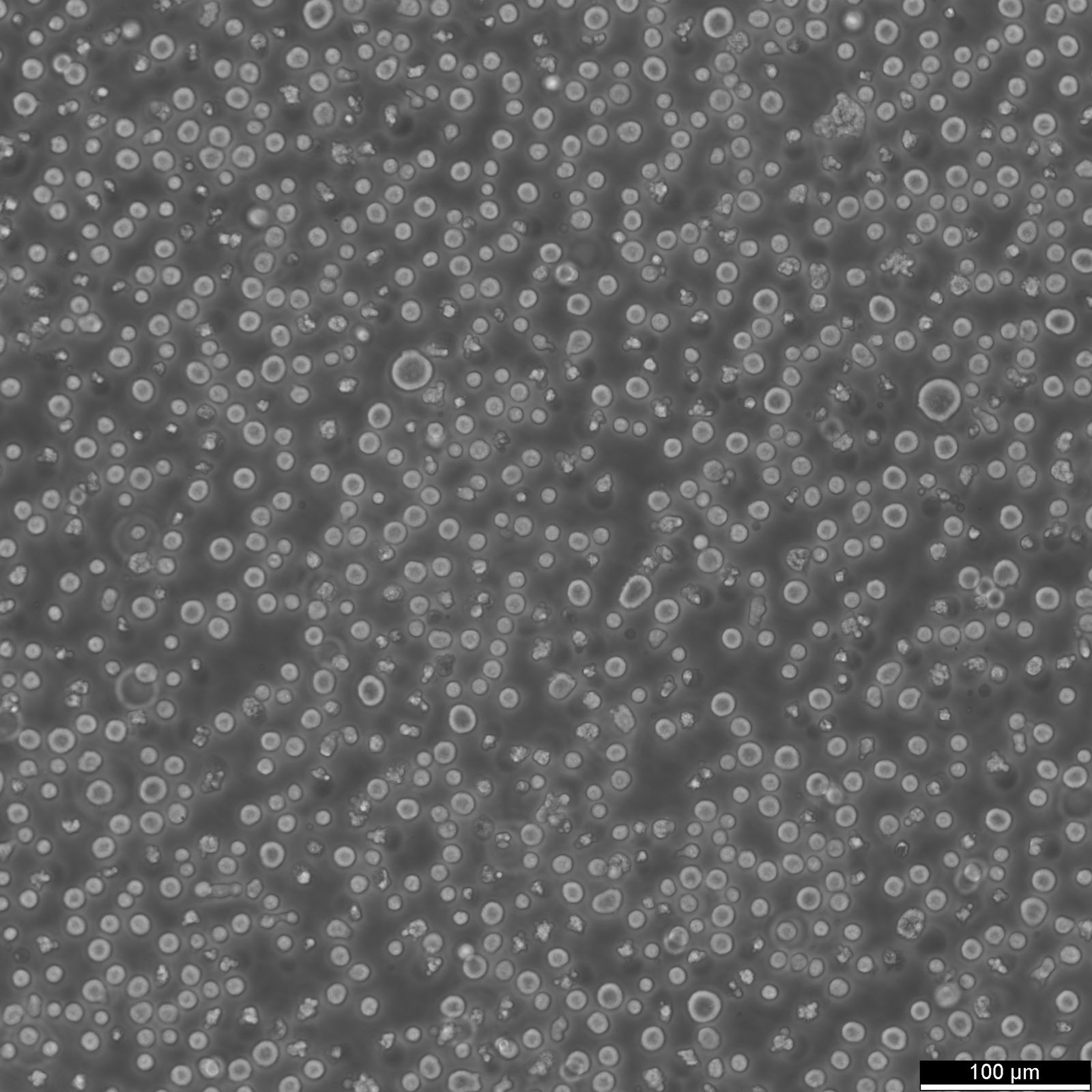
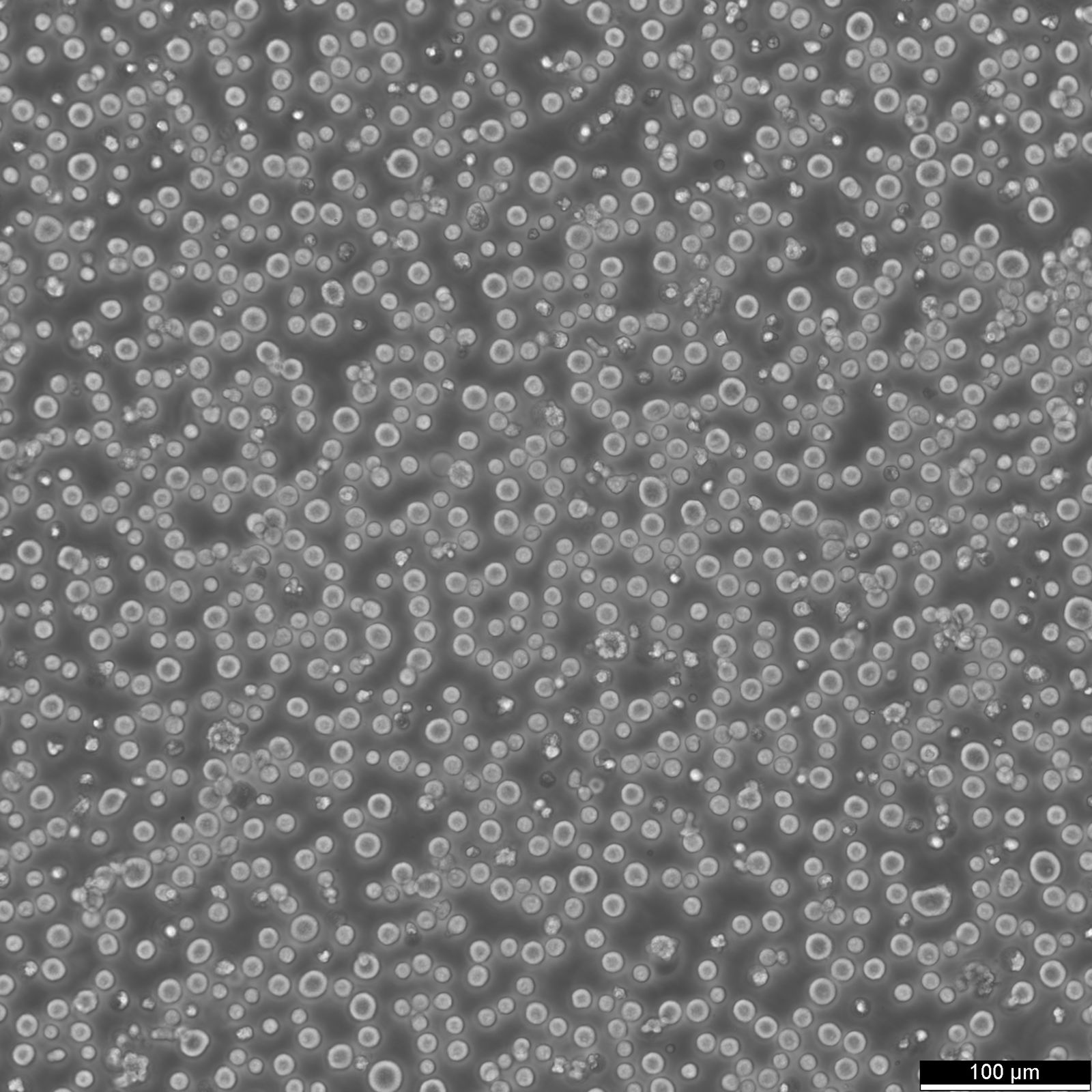
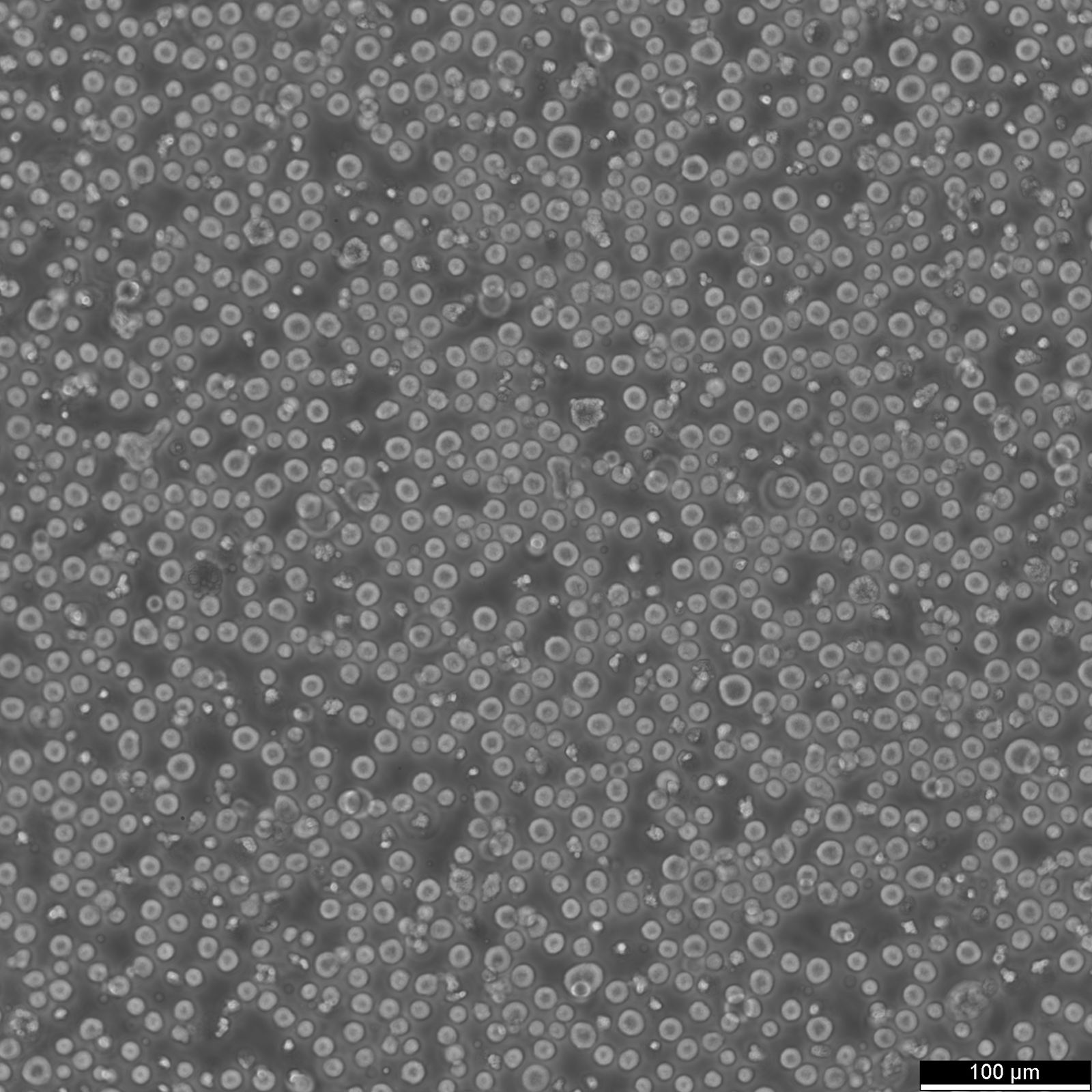
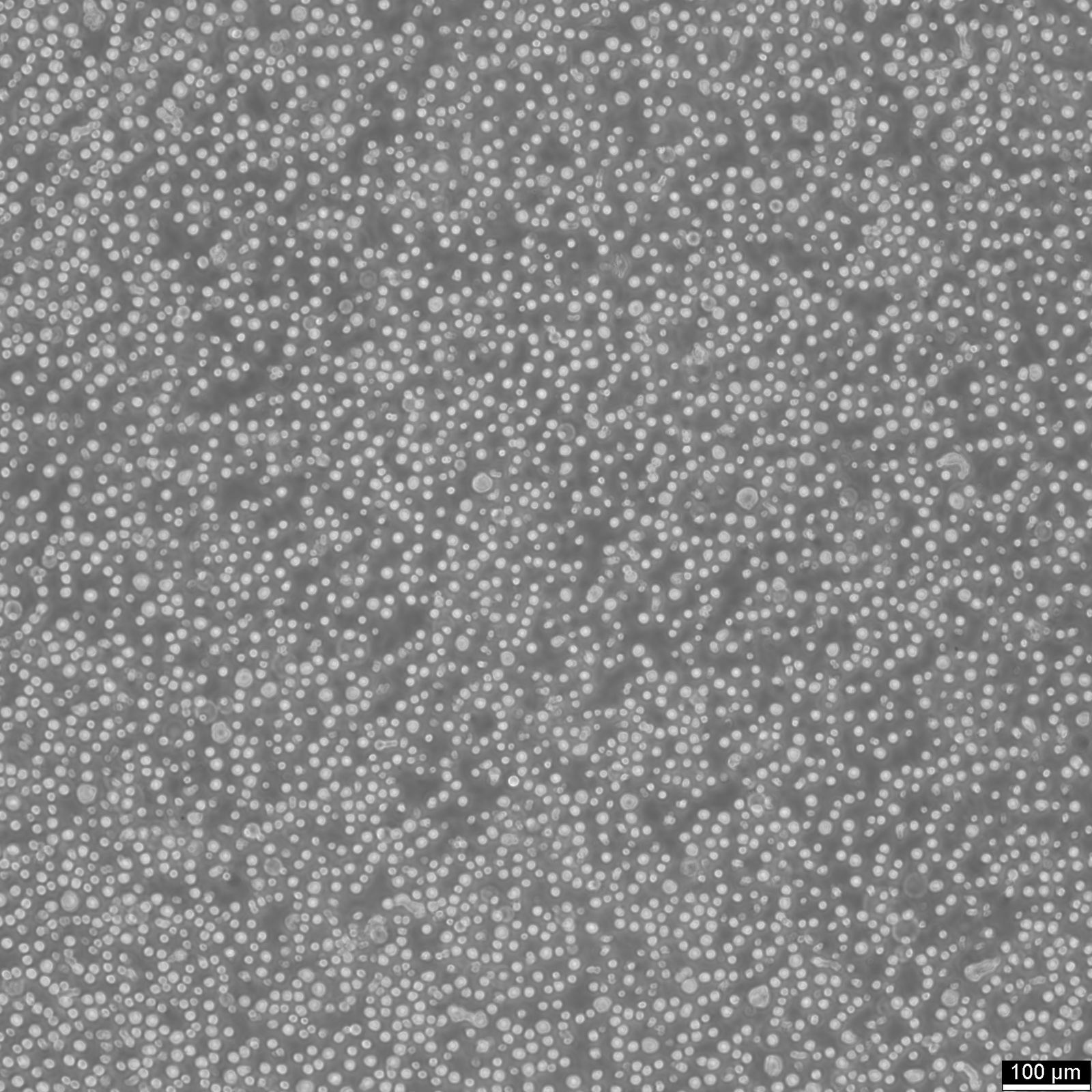
MM.1S Cells
CAD$545.10*
Products are shipped frozen on dry ice in cryotubes. Each cryotube typically contains 3 × 10⁶ cells for adherent lines or 5 × 10⁶ cells for suspension lines (refer to the batch CoA for details).
General information
| Description | The MM.1S cell line is part of the MM.1 series, which was developed from a single patient with multiple myeloma (MM) to study various stages of disease progression and response to glucocorticoid (GC) therapy. MM.1S is specifically sensitive to glucocorticoids, such as dexamethasone, and serves as a model to investigate the mechanisms of GC-induced apoptosis in multiple myeloma cells. This sensitivity makes MM.1S a crucial tool for studying the early phases of MM treatment and the cellular pathways leading to GC responsiveness. MM.1S cells, like other MM.1 lines, exhibit typical myeloma morphology, including round cells with eccentrically located nuclei, many of which are binucleated or multinucleated. These cells express characteristic markers of plasma cells, such as CD38 and PCA-1, while lacking typical B-cell markers like CD19 and CD20, reflecting their terminally differentiated status as plasma cells. They also exhibit high levels of immunoglobulin lambda (λ) light chain expression, consistent with their origin. This cell line has been vital for exploring pathways of drug action, resistance, and apoptosis in MM, especially in the context of GC treatment. One of the key features of MM.1S is its reliance on functional glucocorticoid receptors (GR) for drug responsiveness. In MM.1S, high levels of wild-type GR enable dexamethasone to induce apoptosis effectively, providing a valuable system for studying the molecular events underlying this process. This line is often compared to its resistant counterpart, MM.1R, to investigate the mechanisms of GC resistance, a critical issue in the treatment of MM. Together, the MM.1S cell line offers insights into drug sensitivity, disease progression, and potential therapeutic strategies for multiple myeloma. |
|---|---|
| Organism | Human |
| Tissue | Peripheral blood |
| Disease | Multiple myeloma |
| Synonyms | MM1.S, MM1-S, MM-1S, MM1S |
Characteristics
| Age | 45 years |
|---|---|
| Gender | Female |
| Ethnicity | African American |
| Morphology | Lymphoblast |
| Cell type | B cell |
| Growth properties | Mixed: loosely attached monolayer and suspension |
Regulatory Data
| Citation | MM.1S (Cytion catalog number 305304) |
|---|---|
| Biosafety level | 1 |
| NCBI_TaxID | 9606 |
| CellosaurusAccession | CVCL_8792 |
Biomolecular Data
| Products | IgA lambda |
|---|---|
| Mutational profile | Mutation: KRAS, p.Gly12Ala (c.35G>C), heterozygous; Mutation: TRAF3, p.Val536_Asn545delValPheValAlaGlnThrValLeuGluAsninsAsp (c.1604-1630delTCTTTGTGGCCCAAACTGTTCTAGAAA), homozygous |
Handling
| Culture Medium | RPMI 1640, w: 2.0 mM stable Glutamine, w: 2.0 g/L NaHCO3 (Cytion article number 820700a) |
|---|---|
| Supplements | Supplement the medium with 10% heat-inactivated FBS |
| Dissociation Reagent | Accutase |
| Subculturing | Gather the suspension cells in a 15 ml tube and gently wash the adherent cells with PBS lacking calcium and magnesium (use 3-5 ml for T25 flasks and 5-10 ml for T75 flasks). Apply Accutase (1-2 ml for T25 flasks, 2.5 ml for T75 flasks) ensuring full coverage of the cell layer. Allow the cells to incubate at room temperature for 10 minutes. Following incubation, combine and centrifuge both the suspension and adherent cells. After centrifugation, carefully resuspend the cell pellet and transfer the cell suspension into new flasks containing fresh medium. |
| Freeze medium | As a cryopreservation medium, we use complete growth medium (including FBS) + 10% DMSO for adequate post-thaw viability, or CM-1 (Cytion catalog number 800100), which includes optimized osmoprotectants and metabolic stabilizers to enhance recovery and reduce cryo-induced stress. |
| Thawing and Culturing Cells |
|
| Incubation Atmosphere | 37°C, 5% CO2, humidified atmosphere. |
| Shipping Conditions | Cryopreserved cell lines are shipped on dry ice in validated, insulated packaging with sufficient refrigerant to maintain approximately −78 °C throughout transit. On receipt, inspect the container immediately and transfer vials without delay to appropriate storage. |
| Storage Conditions | For long-term preservation, place vials in vapor-phase liquid nitrogen at about −150 to −196 °C. Storage at −80 °C is acceptable only as a short interim step before transfer to liquid nitrogen. |
Quality Control & Molecular Analysis
| Sterility | Mycoplasma contamination is excluded using both PCR-based assays and luminescence-based mycoplasma detection methods. To ensure there is no bacterial, fungal, or yeast contamination, cell cultures are subjected to daily visual inspections. |
|---|
Certificate of Analysis (CoA)
| Lot Number | Certificate Type | Date | Catalog Number |
|---|---|---|---|
| 305304-280225 | Certificate of Analysis | 23. May. 2025 | 305304 |
| 305304-160924 | Certificate of Analysis | 23. May. 2025 | 305304 |