
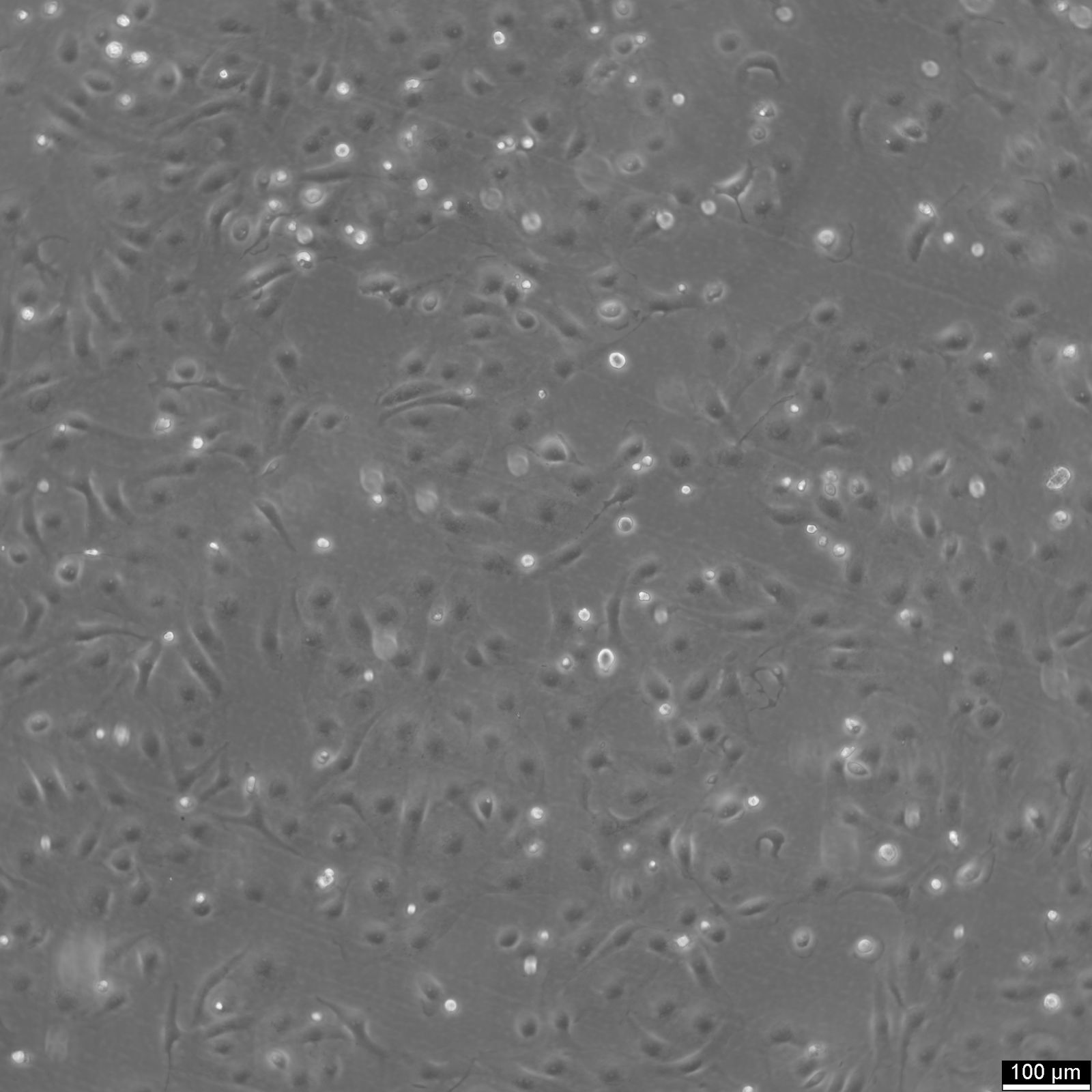
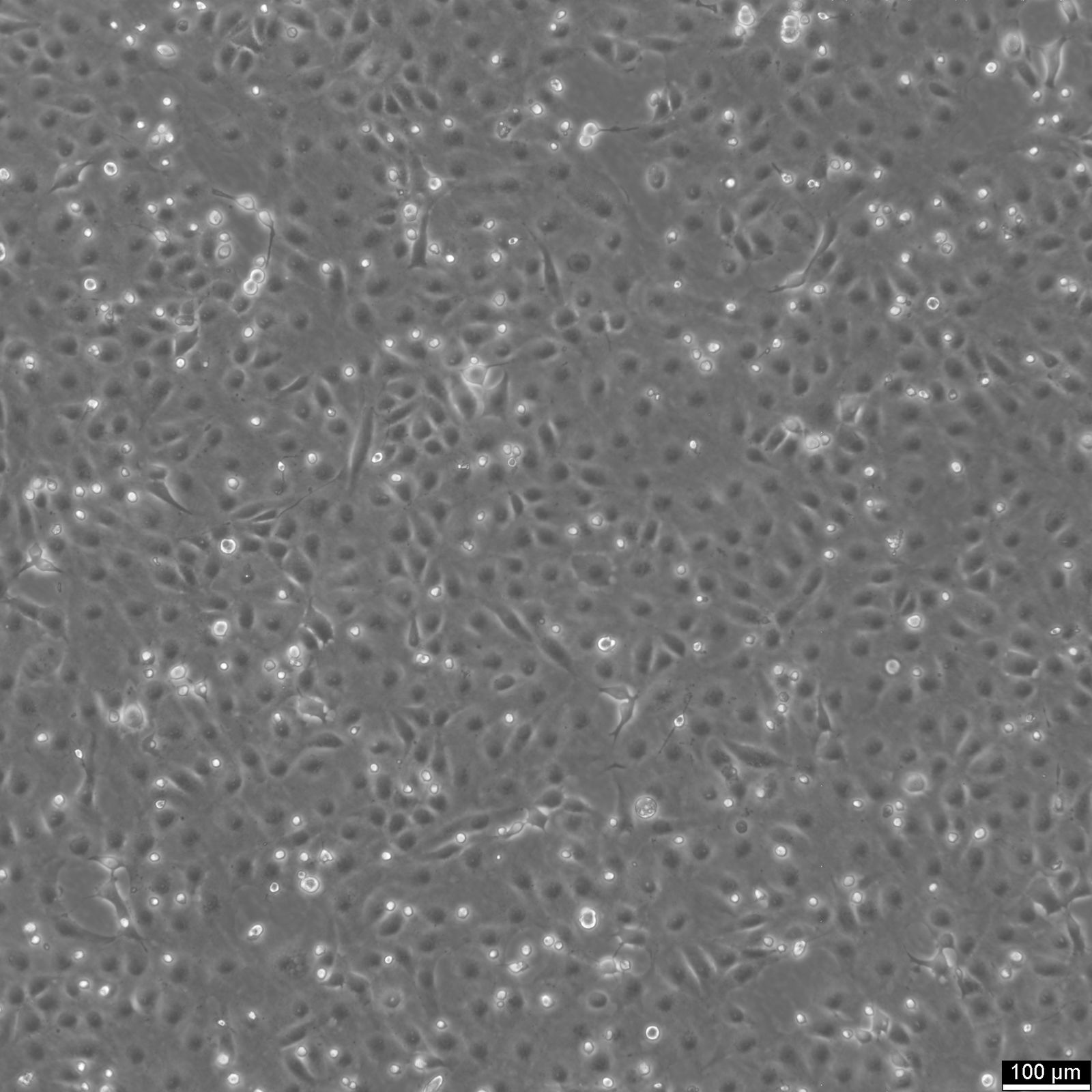
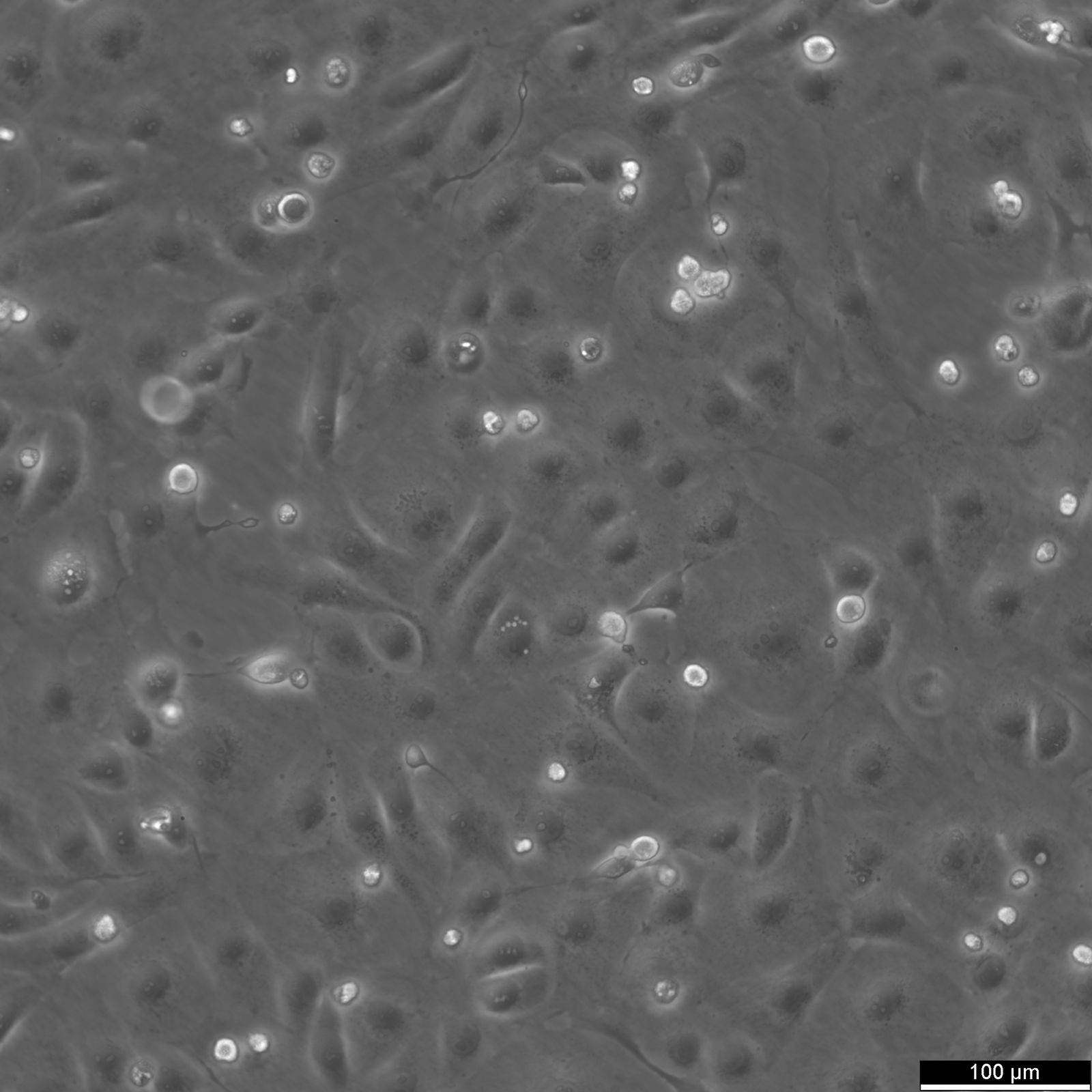
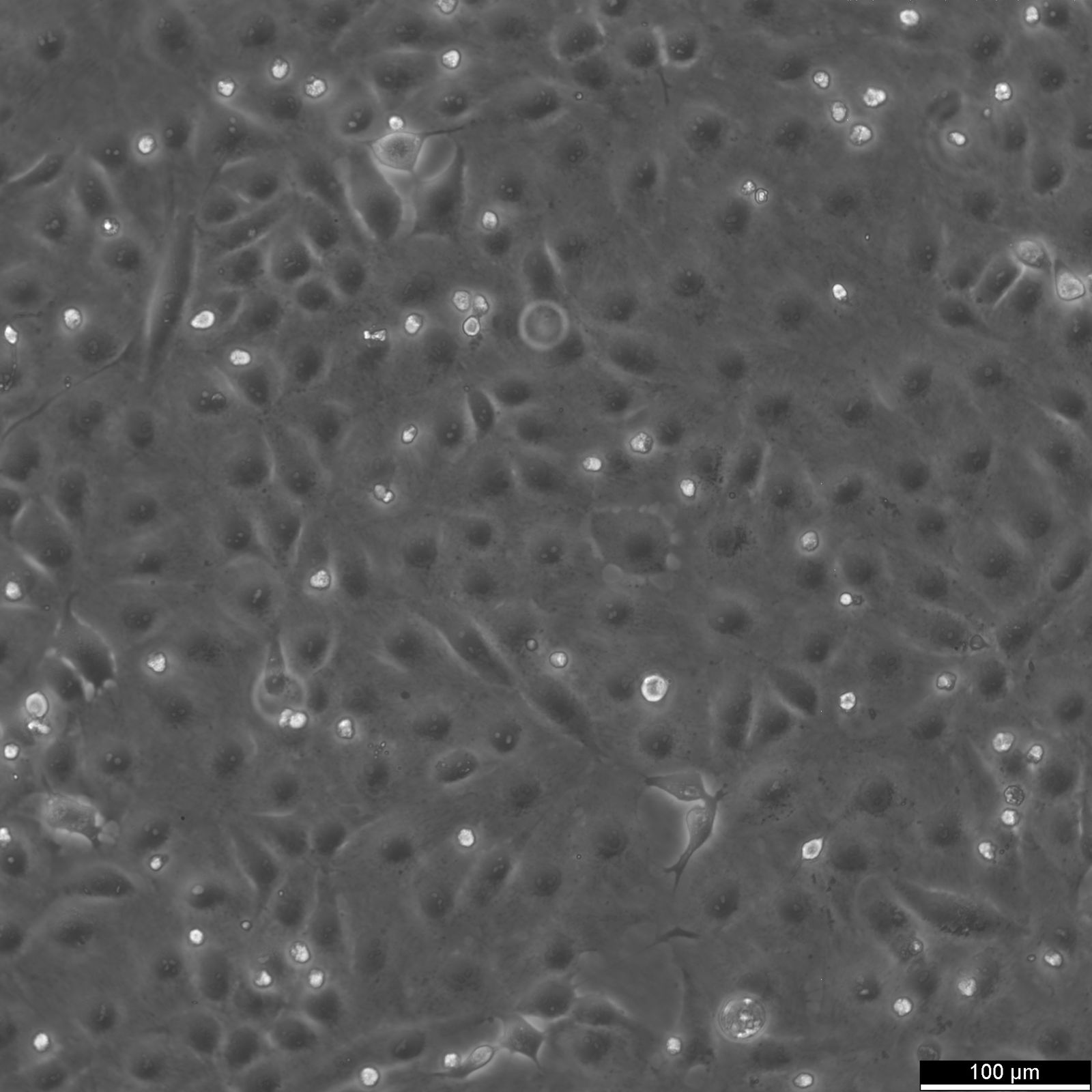
MARC-145 Cells
CAD$1,104.00*
Products are shipped frozen on dry ice in cryotubes. Each cryotube typically contains 3 × 10⁶ cells for adherent lines or 5 × 10⁶ cells for suspension lines (refer to the batch CoA for details).
General information
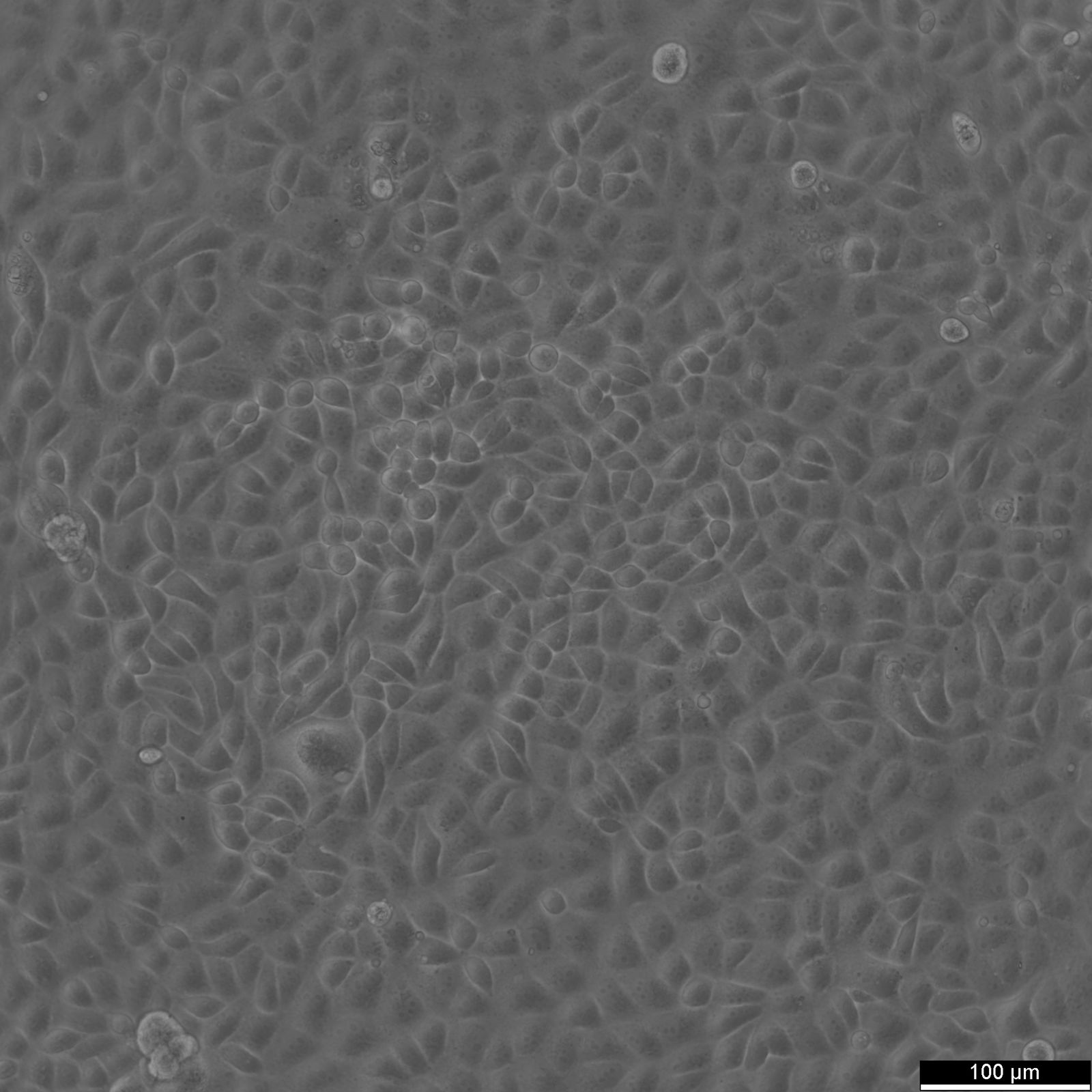
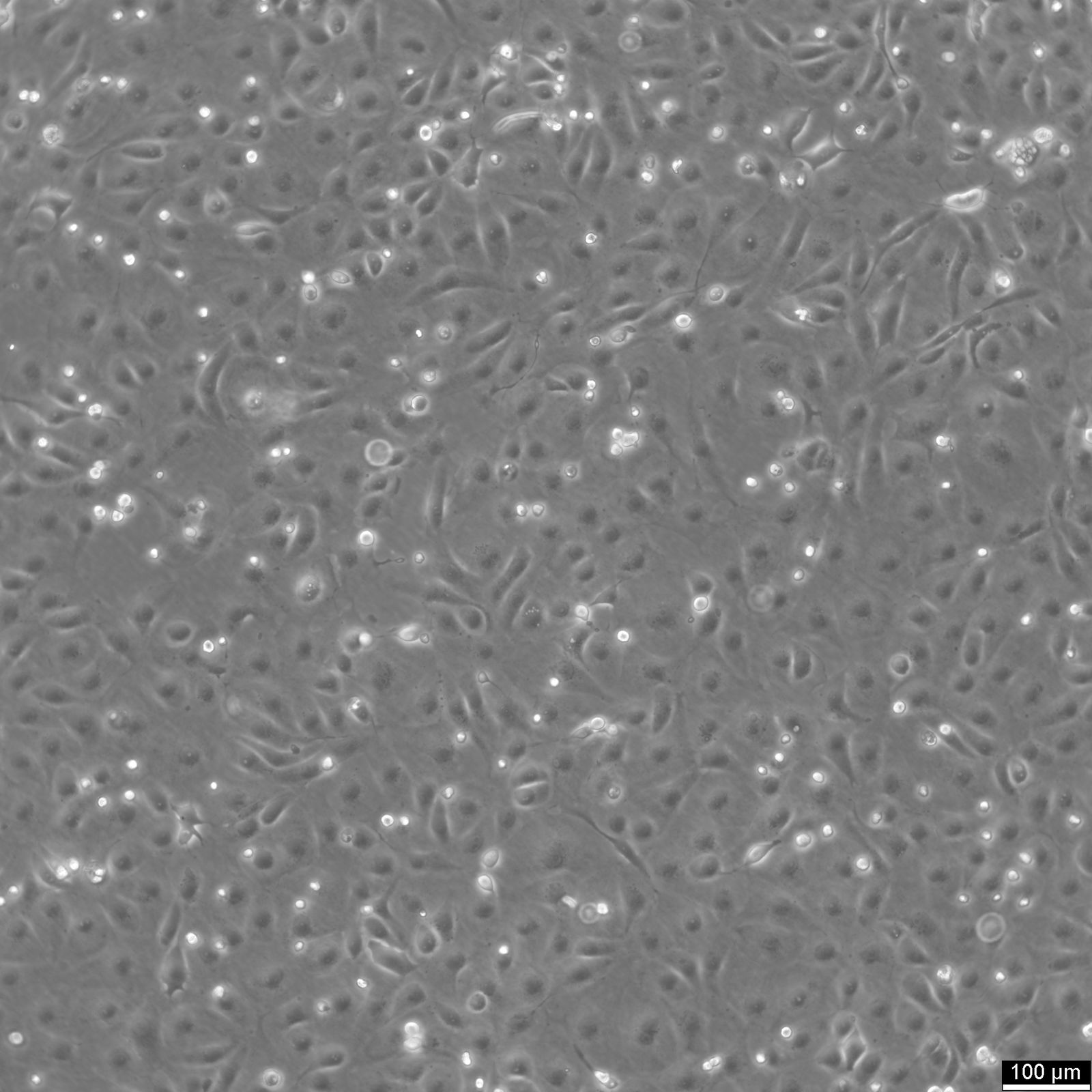
| Description | The MARC-145 cell line is a monkey kidney epithelial cell line derived from the African green monkey (Cercopithecus aethiops). This cell line is particularly notable for its use in virology, especially in the propagation of porcine reproductive and respiratory syndrome virus (PRRSV), a significant pathogen in the swine industry. MARC-145 cells have been instrumental in studying PRRSV due to their high susceptibility to the virus, making them a valuable tool for viral isolation, propagation, and vaccine development. MARC-145 cells are characterized by their epithelial morphology and robust growth in vitro, which facilitates large-scale production of PRRSV for research purposes. Additionally, they have been used to explore the mechanisms of PRRSV infection, including virus entry, replication, and host-pathogen interactions. This cell line has also been utilized in the development and testing of antiviral compounds and PRRSV vaccines, contributing significantly to efforts aimed at controlling this economically important disease in pigs. |
|---|---|
| Organism | Chlorocebus pygerythrus (Vervet monkey) |
| Tissue | Embryonic kidney |
| Synonyms | Marc-145, MARC 145, Marc 145, MARC145, Marc145, Meat Animal Research Center-145 |
Characteristics
| Age | Foetus |
|---|---|
| Morphology | Epithelial |
| Growth properties | Adherent |
Regulatory Data
| Citation | MARC-145 (Cytion catalog number 305006) |
|---|---|
| Biosafety level | 1 |
| NCBI_TaxID | 9534 |
| CellosaurusAccession | CVCL_4540 |
Biomolecular Data
Handling
| Culture Medium | DMEM, w: 4.5 g/L Glucose, w: 4 mM L-Glutamine, w: 3.7 g/L NaHCO3, w: 1.0 mM Sodium pyruvate (Cytion article number 820300a) |
|---|---|
| Supplements | Supplement the medium with 10% FBS |
| Dissociation Reagent | Accutase |
| Subculturing | Remove the old medium from the adherent cells and wash them with PBS that lacks calcium and magnesium. For T25 flasks, use 3-5 ml of PBS, and for T75 flasks, use 5-10 ml. Then, cover the cells completely with Accutase, using 1-2 ml for T25 flasks and 2.5 ml for T75 flasks. Let the cells incubate at room temperature for 8-10 minutes to detach them. After incubation, gently mix the cells with 10 ml of medium to resuspend them, then centrifuge at 300xg for 3 minutes. Discard the supernatant, resuspend the cells in fresh medium, and transfer them into new flasks that already contain fresh medium. |
| Fluid renewal | 2 to 3 times per week |
| Freeze medium | As a cryopreservation medium, we use complete growth medium (including FBS) + 10% DMSO for adequate post-thaw viability, or CM-1 (Cytion catalog number 800100), which includes optimized osmoprotectants and metabolic stabilizers to enhance recovery and reduce cryo-induced stress. |
| Thawing and Culturing Cells |
|
| Incubation Atmosphere | 37°C, 5% CO2, humidified atmosphere. |
| Shipping Conditions | Cryopreserved cell lines are shipped on dry ice in validated, insulated packaging with sufficient refrigerant to maintain approximately −78 °C throughout transit. On receipt, inspect the container immediately and transfer vials without delay to appropriate storage. |
| Storage Conditions | For long-term preservation, place vials in vapor-phase liquid nitrogen at about −150 to −196 °C. Storage at −80 °C is acceptable only as a short interim step before transfer to liquid nitrogen. |
Quality Control & Molecular Analysis
| Sterility | Mycoplasma contamination is excluded using both PCR-based assays and luminescence-based mycoplasma detection methods. To ensure there is no bacterial, fungal, or yeast contamination, cell cultures are subjected to daily visual inspections. |
|---|
Certificate of Analysis (CoA)
| Lot Number | Certificate Type | Date | Catalog Number |
|---|---|---|---|
| 305006-070425 | Certificate of Analysis | 23. Jan. 2026 | 305006 |
| 305006-140723 | Certificate of Analysis | 22. Jan. 2026 | 305006 |