LLC-MK2 (Original) Cells
CAD$545.10*
Products are shipped frozen on dry ice in cryotubes. Each cryotube typically contains 3 × 10⁶ cells for adherent lines or 5 × 10⁶ cells for suspension lines (refer to the batch CoA for details).
General information
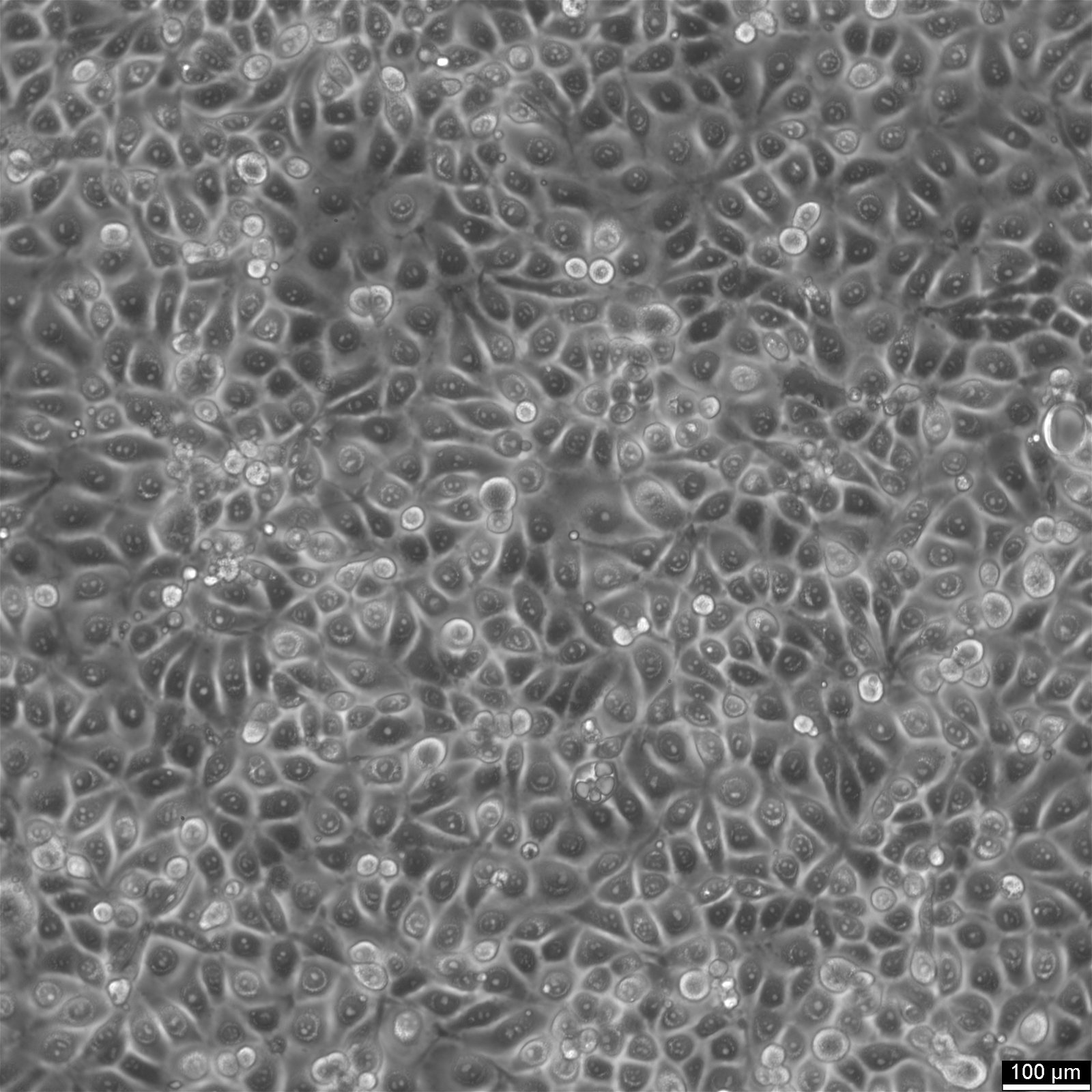
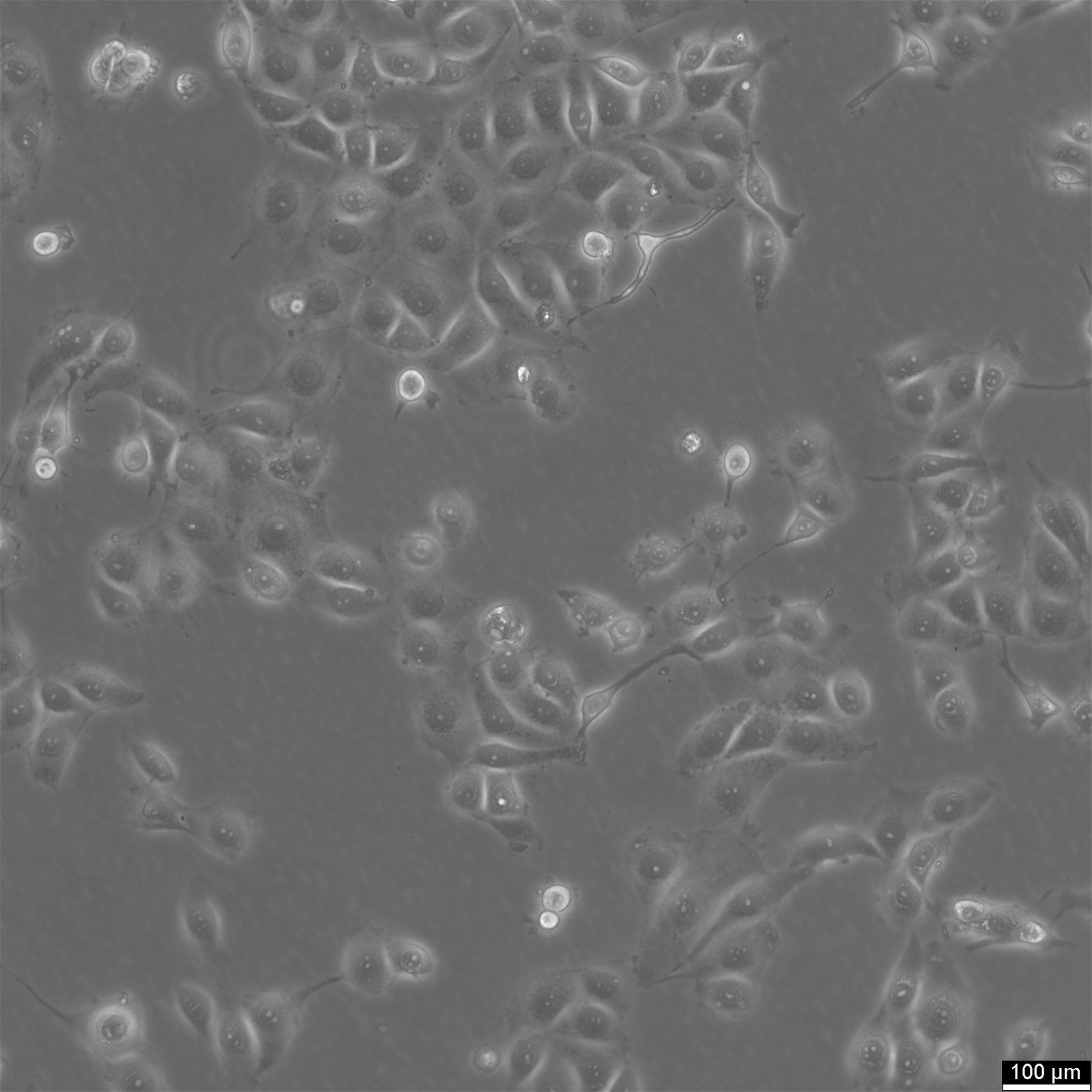
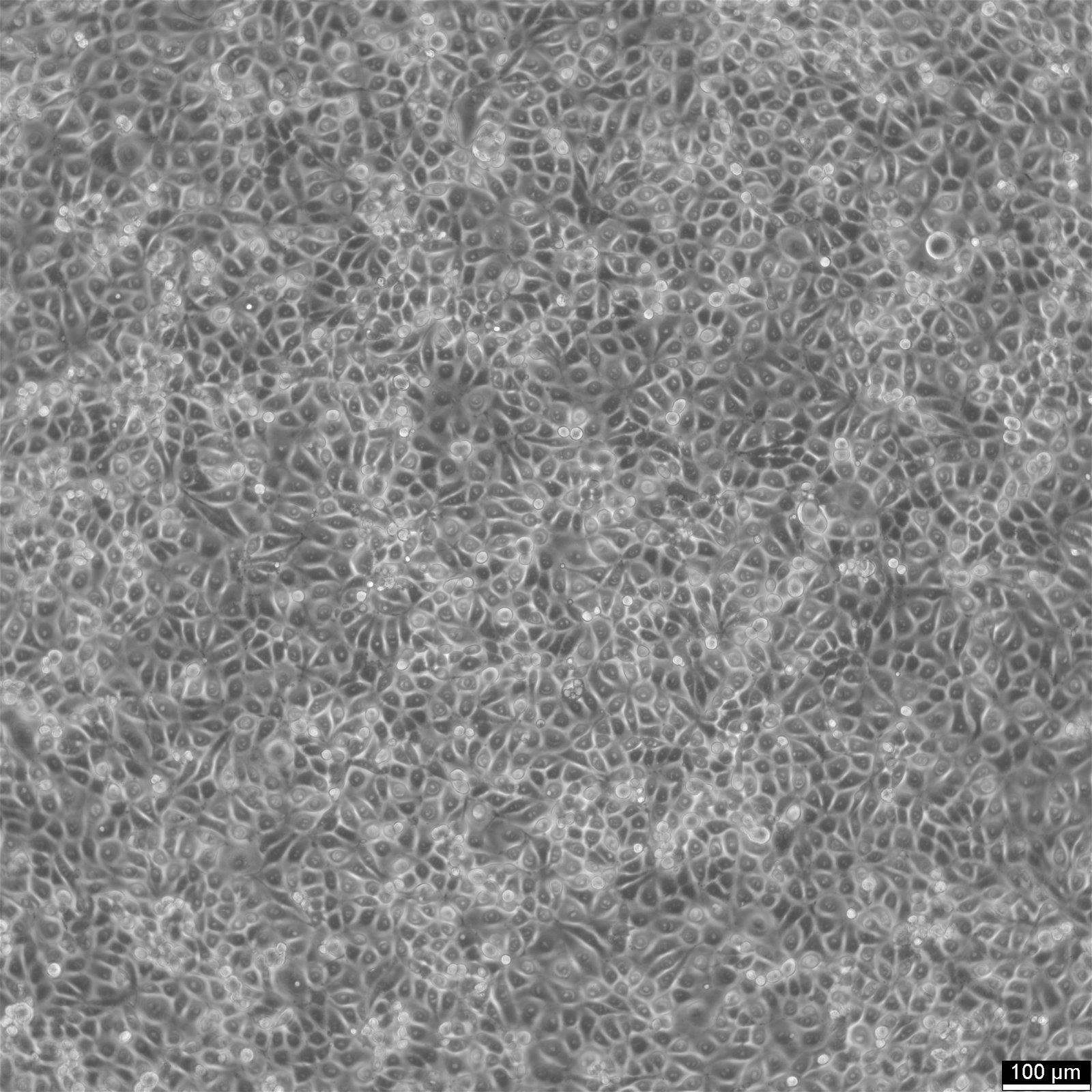
| Description | LLC-MK2 is a continuous epithelial cell line established from the renal tissue of adult rhesus monkeys (*Macaca mulatta*). This cell line was originally isolated in the 1950s through the trypsinization of pooled kidney tissue from six rhesus monkeys. LLC-MK2 cells display adherent growth characteristics and have been extensively used in virology due to their high susceptibility to various viruses, including bovine viral diarrhea virus 1, human poliovirus 1, and human coxsackievirus B4. The cell line's origin and virus susceptibility make it an ideal model for studying viral replication and cytopathogenic effects. The LLC-MK2 cell line is known for its ability to be cultured in chemically defined, serum-free media, which allows for controlled experimental conditions. Research has demonstrated that these cells can be adapted to serum-free conditions without compromising growth, although initial cultures were maintained in media containing significant amounts of horse serum. The adaptation to chemically defined media is particularly advantageous for virological studies, as it minimizes the variability introduced by serum and supports long-term cell line maintenance. Furthermore, the LLC-MK2 line has been shown to maintain virus sensitivity comparable to primary monkey kidney cells, making it a reliable tool for viral titration and vaccine production studies. In addition to its role in virology, LLC-MK2 has also been investigated for its tumorigenic potential. Although it exhibits certain transformed characteristics, such as the ability to grow in soft agar, it does not form tumors in in vivo models, suggesting a limited tumorigenic risk. This characteristic further underscores its utility as a model cell line for in vitro studies, while confirming its unsuitability for therapeutic or in vivo applications. |
|---|---|
| Organism | Rhesus macaque |
| Tissue | Kidney |
| Synonyms | Llc-Mk2, LLC-MK-2, LLC-MK2 Original, LLCMK2, LLcMK2, Lilly Laboratories Culture-Monkey Kidney 2 |
Characteristics
| Age | Adult |
|---|---|
| Morphology | Epithelial |
| Growth properties | Adherent |
Regulatory Data
| Citation | LLC-MK2 (Cytion catalog number 305149) |
|---|---|
| Biosafety level | 1 |
| NCBI_TaxID | 9544 |
| CellosaurusAccession | CVCL_3009 |
Biomolecular Data
| Protein expression | Plasminogen activator |
|---|
Handling
| Culture Medium | Medium 199, w: 2.7 mM stable Glutamine, w: 2.2 g/L NaHCO3, w: EBSS (Cytion article number 820101a) |
|---|---|
| Supplements | Supplement the medium with 1% horse serum |
| Dissociation Reagent | Accutase |
| Subculturing | Remove the old medium from the adherent cells and wash them with PBS that lacks calcium and magnesium. For T25 flasks, use 3-5 ml of PBS, and for T75 flasks, use 5-10 ml. Then, cover the cells completely with Accutase, using 1-2 ml for T25 flasks and 2.5 ml for T75 flasks. Let the cells incubate at room temperature for 8-10 minutes to detach them. After incubation, gently mix the cells with 10 ml of medium to resuspend them, then centrifuge at 300xg for 3 minutes. Discard the supernatant, resuspend the cells in fresh medium, and transfer them into new flasks that already contain fresh medium. |
| Seeding density | 4 x 10⁴ cells/cm2 |
| Fluid renewal | 2 to 3 times per week |
| Freeze medium | As a cryopreservation medium, we use complete growth medium (including FBS) + 10% DMSO for adequate post-thaw viability, or CM-1 (Cytion catalog number 800100), which includes optimized osmoprotectants and metabolic stabilizers to enhance recovery and reduce cryo-induced stress. |
| Thawing and Culturing Cells |
|
| Incubation Atmosphere | 37°C, 5% CO2, humidified atmosphere. |
| Shipping Conditions | Cryopreserved cell lines are shipped on dry ice in validated, insulated packaging with sufficient refrigerant to maintain approximately −78 °C throughout transit. On receipt, inspect the container immediately and transfer vials without delay to appropriate storage. |
| Storage Conditions | For long-term preservation, place vials in vapor-phase liquid nitrogen at about −150 to −196 °C. Storage at −80 °C is acceptable only as a short interim step before transfer to liquid nitrogen. |
Quality Control & Molecular Analysis
| Sterility | Mycoplasma contamination is excluded using both PCR-based assays and luminescence-based mycoplasma detection methods. To ensure there is no bacterial, fungal, or yeast contamination, cell cultures are subjected to daily visual inspections. |
|---|
Certificate of Analysis (CoA)
| Lot Number | Certificate Type | Date | Catalog Number |
|---|---|---|---|
| 305149-080823 | Certificate of Analysis | 22. Jan. 2026 | 305149 |
| 305149-280525 | Certificate of Analysis | 21. Jul. 2025 | 305149 |