
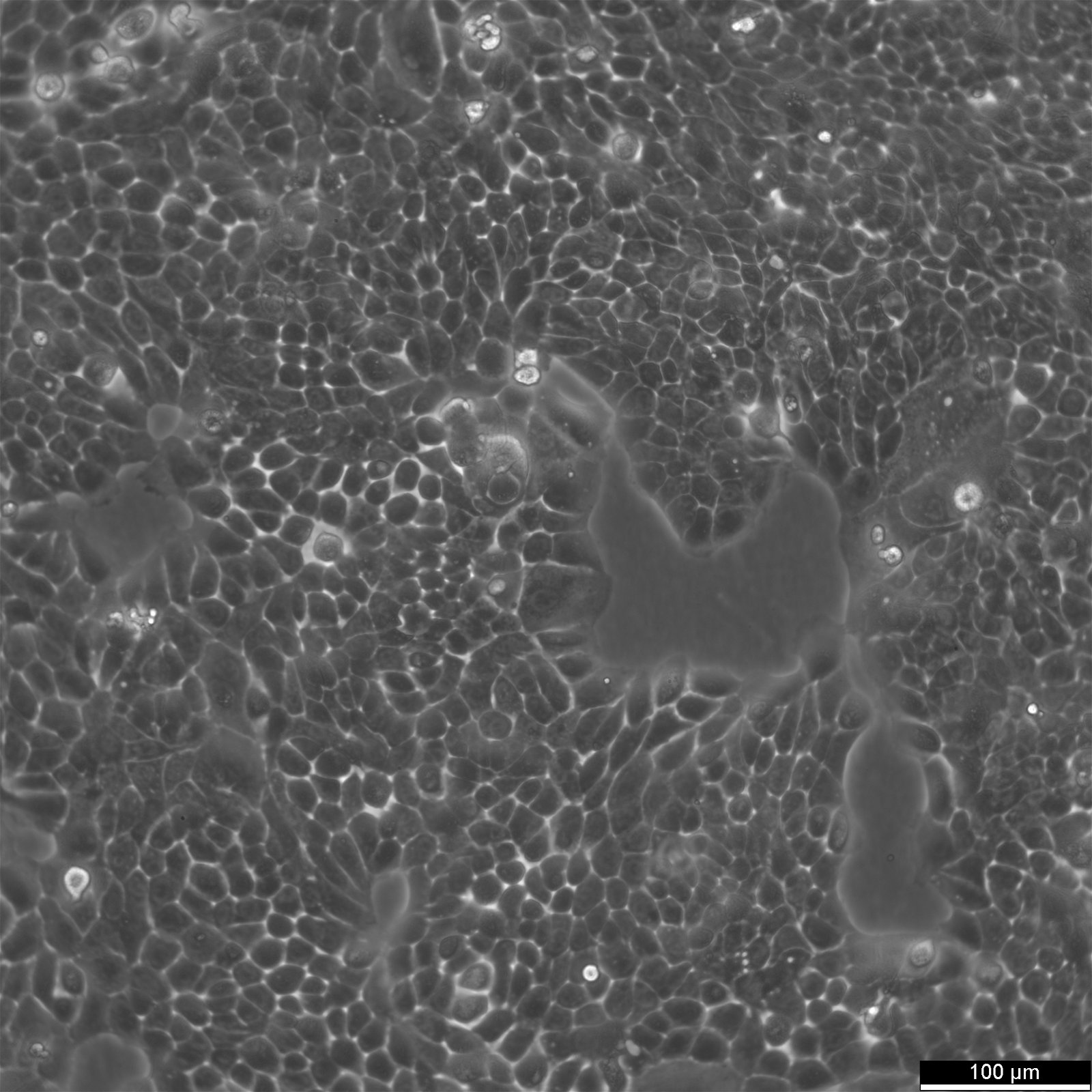
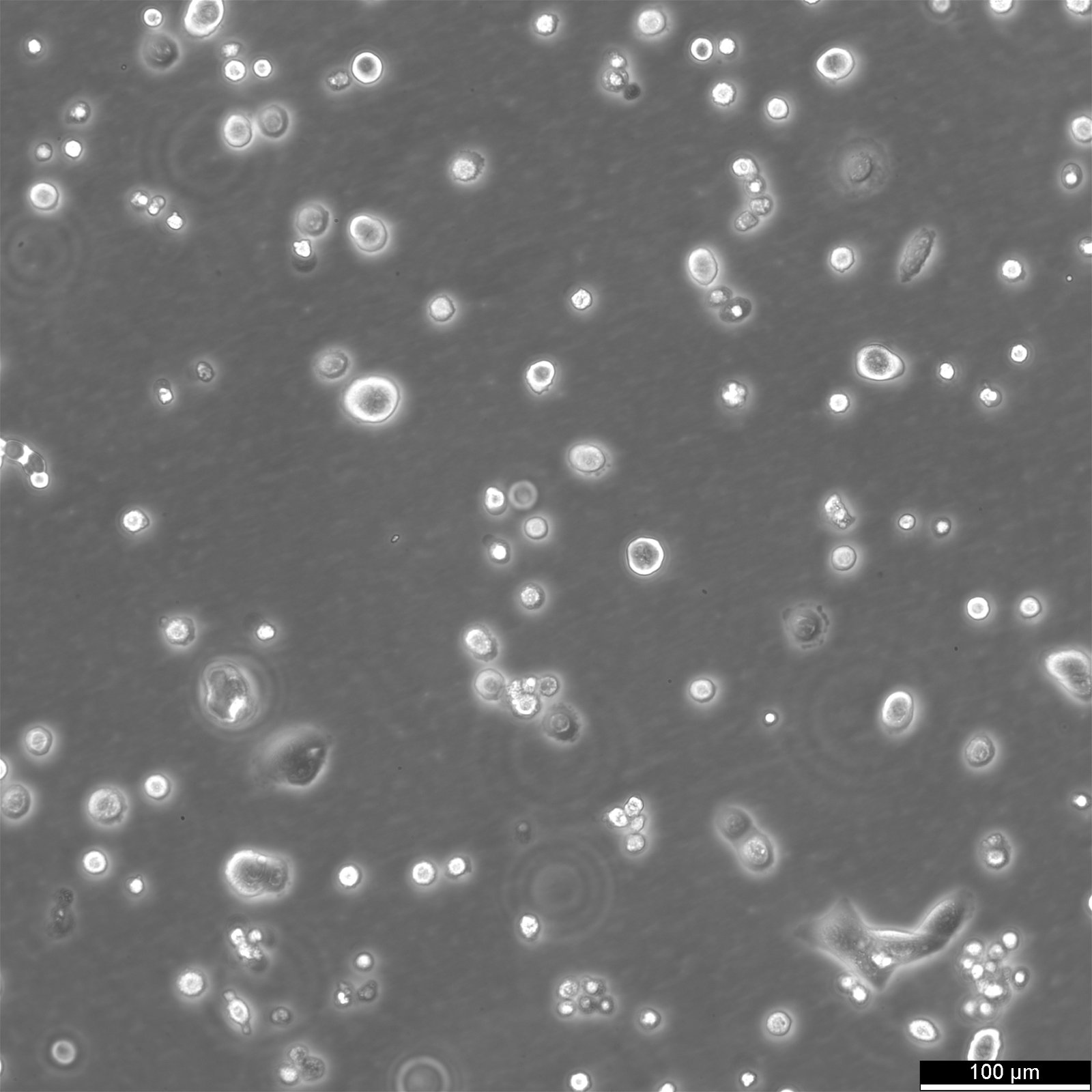
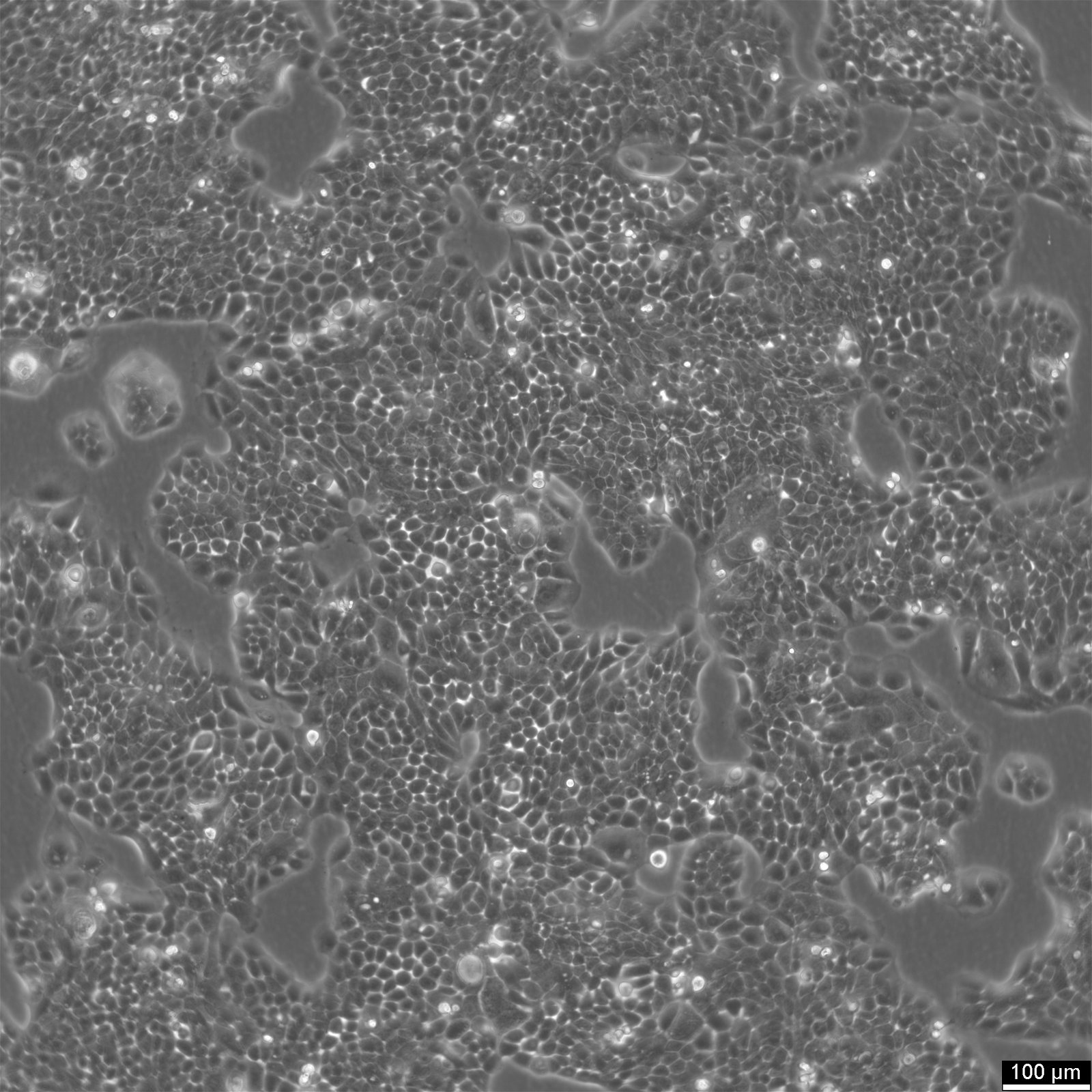
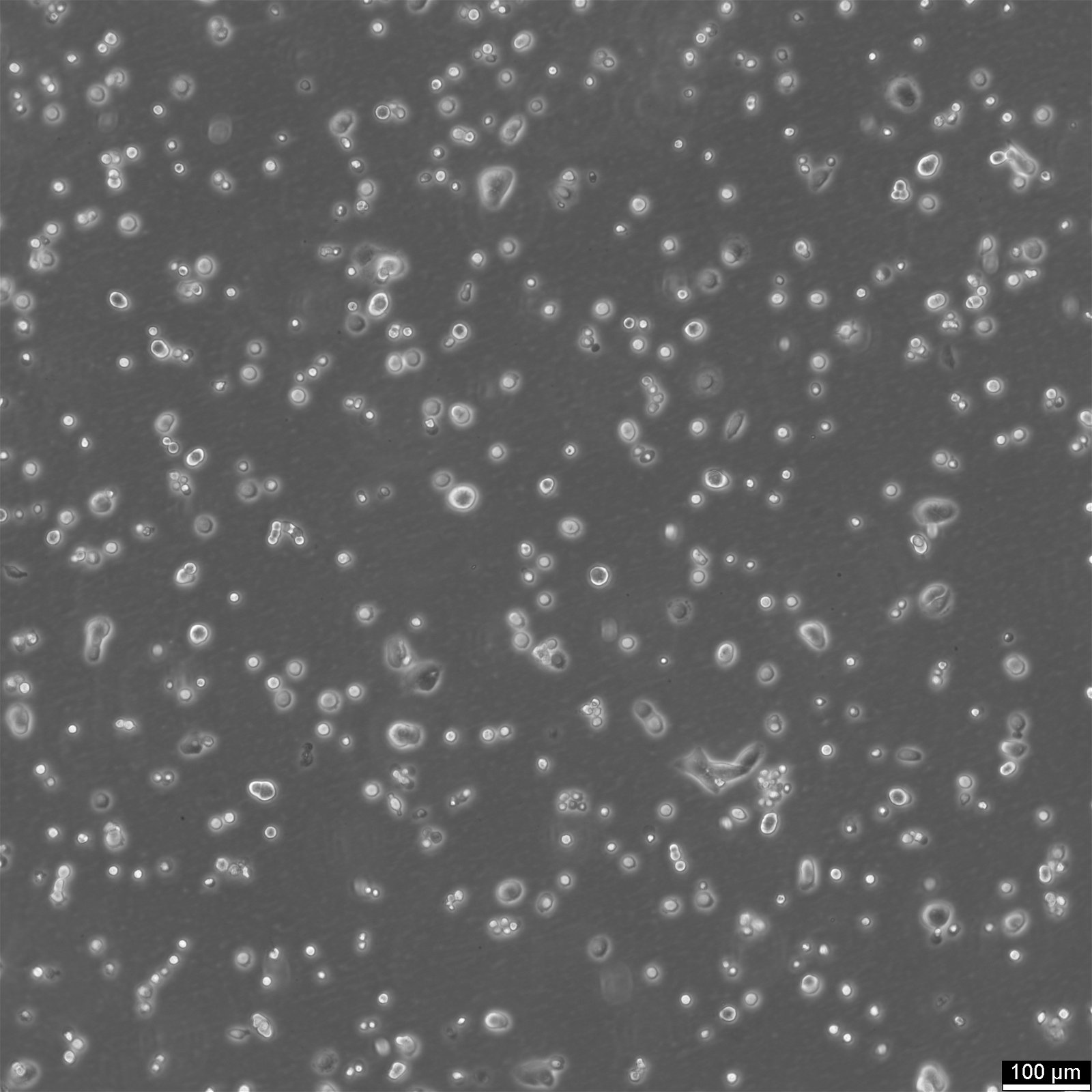
Kera-308 Cells
CAD$1,104.00*
Products are shipped frozen on dry ice in cryotubes. Each cryotube typically contains 3 × 10⁶ cells for adherent lines or 5 × 10⁶ cells for suspension lines (refer to the batch CoA for details).
General information
| Description | The Kera-308 cell line, established from adult mouse skin keratinocytes, offers a versatile model for studying the intricate processes of skin physiology, particularly wound healing and keratinocyte function. This cell line demonstrates a remarkable ability to up-regulate keratin expression, including wound-induced keratin types such as Krt6a, under specific conditions such as treatment with Morus alba root extract. The responsiveness of Kera-308 cells to phorbol 12-myristate 13-acetate (PMA) highlights their utility in investigating the cellular mechanisms underlying skin repair and regeneration. A standout feature of Kera-308 cells is their dose-dependent proliferation response, which can be significantly enhanced by external stimuli like Morus alba root extract. This characteristic makes Kera-308 an excellent tool for probing the molecular underpinnings of keratinocyte proliferation and differentiation in response to therapeutic agents. Moreover, the transcriptional profile of Kera-308 cells in wound healing scenarios, particularly their up-regulated keratin filament and CXCL12/CXCR4 signaling, provides invaluable insights into the cellular and molecular dynamics at play during skin repair. The involvement of these signaling pathways underscores the relevance of Kera-308 cells in exploring new therapeutic strategies for enhancing wound healing and treating skin disorders. |
|---|---|
| Organism | Mouse |
| Tissue | Skin |
| Disease | Papilloma of the mouse skin |
| Synonyms | KERA-308, 308, Line 308 |
Characteristics
| Breed/Subspecies | BALB/c |
|---|---|
| Cell type | Keratinocyte |
| Growth properties | Adherent |
Regulatory Data
| Citation | Kera-308 (Cytion catalog number 400429) |
|---|---|
| Biosafety level | 1 |
| NCBI_TaxID | 10090 |
| CellosaurusAccession | CVCL_5782 |
Biomolecular Data
Handling
| Culture Medium | DMEM, w: 4.5 g/L Glucose, w: 4 mM L-Glutamine, w: 3.7 g/L NaHCO3, w: 1.0 mM Sodium pyruvate (Cytion article number 820300a) |
|---|---|
| Supplements | Supplement the medium with 10% FBS |
| Dissociation Reagent | TrypLE Express (Life Technologies) |
| Subculturing | Remove medium and rinse the adherent cells using PBS without calcium and magnesium (3-5 ml PBS for T25, 5-10 ml for T75 cell culture flasks). Add Tryple Express (1-2 ml per T25, 2.5 ml per T75 cell culture flask), the cell sheet must be covered completely. Incubate at 37 degrees for 15 minutes. Carefully resuspend the cells with 10 ml medium (use a cell scraper if necessary), centrifuge for 5 min at 300xg, resuspend cells in fresh medium and dispense into new flasks which contain fresh medium. |
| Seeding density | 1 x 10⁴ cells/cm2 |
| Fluid renewal | 2 to 3 times per week |
| Post-Thaw Recovery | After thawing, plate the cells at 5 x 10⁴ cells/cm2 and allow the cells to recover from the freezing process and to adhere for at least 24 hours. |
| Freeze medium | As a cryopreservation medium, we use complete growth medium (including FBS) + 10% DMSO for adequate post-thaw viability, or CM-1 (Cytion catalog number 800100), which includes optimized osmoprotectants and metabolic stabilizers to enhance recovery and reduce cryo-induced stress. |
| Thawing and Culturing Cells |
|
| Incubation Atmosphere | 37°C, 5% CO2, humidified atmosphere. |
| Shipping Conditions | Cryopreserved cell lines are shipped on dry ice in validated, insulated packaging with sufficient refrigerant to maintain approximately −78 °C throughout transit. On receipt, inspect the container immediately and transfer vials without delay to appropriate storage. |
| Storage Conditions | For long-term preservation, place vials in vapor-phase liquid nitrogen at about −150 to −196 °C. Storage at −80 °C is acceptable only as a short interim step before transfer to liquid nitrogen. |
Quality Control & Molecular Analysis
| Sterility | Mycoplasma contamination is excluded using both PCR-based assays and luminescence-based mycoplasma detection methods. To ensure there is no bacterial, fungal, or yeast contamination, cell cultures are subjected to daily visual inspections. |
|---|
Certificate of Analysis (CoA)
| Lot Number | Certificate Type | Date | Catalog Number |
|---|---|---|---|
| 400429-120724 | Certificate of Analysis | 23. May. 2025 | 400429 |
| 400429-051223 | Certificate of Analysis | 23. May. 2025 | 400429 |