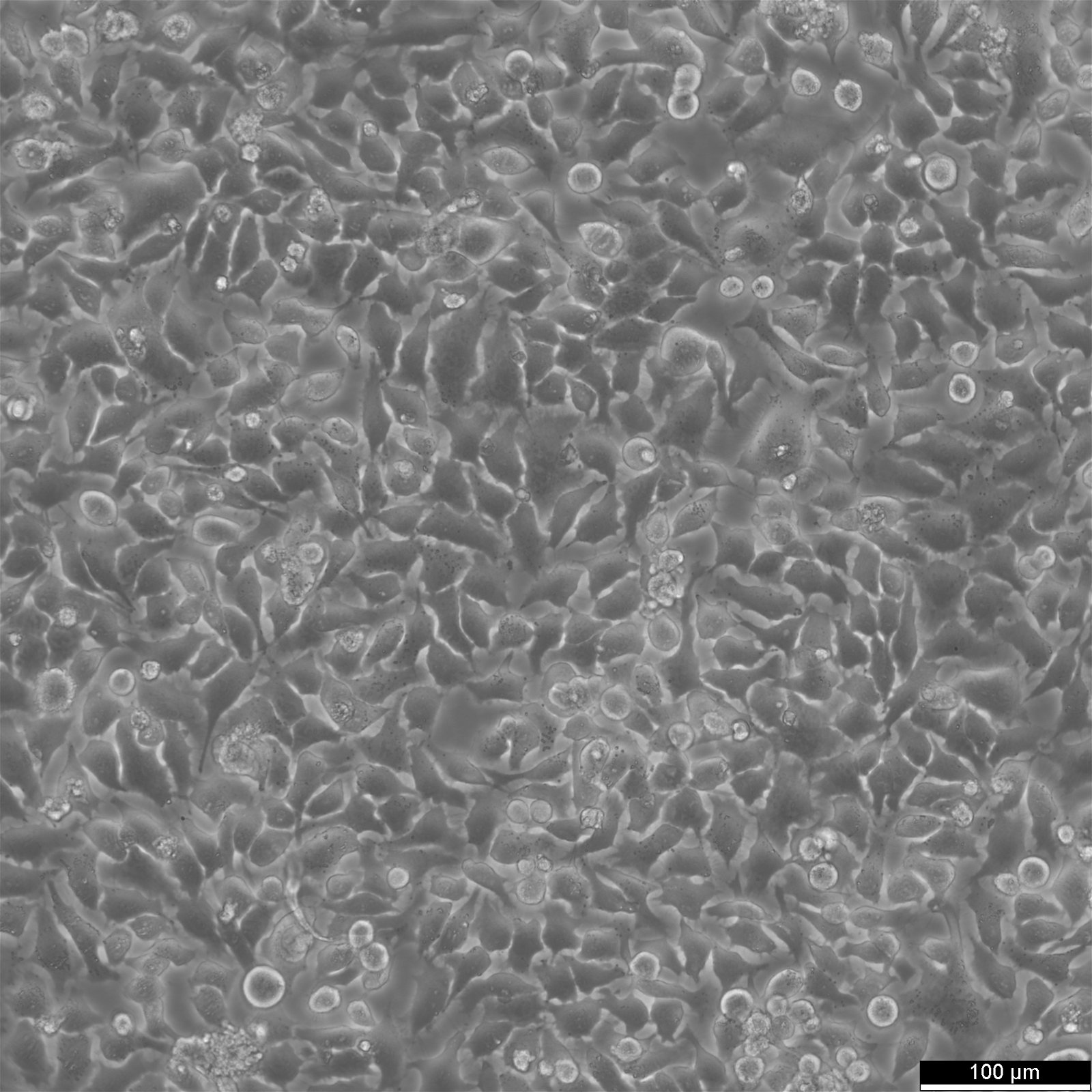
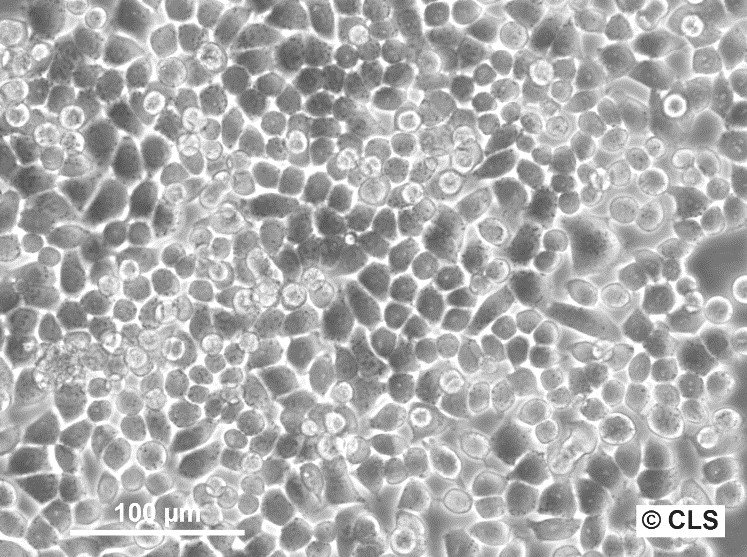
HeLa-Luc Cells
CAD$1,104.00*
Products are shipped frozen on dry ice in cryotubes. Each cryotube typically contains 3 × 10⁶ cells for adherent lines or 5 × 10⁶ cells for suspension lines (refer to the batch CoA for details).
General information
| Description | HeLa-Luc cells are a bioluminescent derivative of the human HeLa cervical adenocarcinoma cell line that have been engineered to constitutively express the firefly luciferase reporter gene. Following administration of the luciferin substrate, these cells emit a quantifiable luminescent signal that directly correlates with viable cell number and metabolic activity. This feature enables sensitive, non-invasive monitoring of tumor cell proliferation, survival, and dissemination in both in vitro assays and in vivo imaging applications. HeLa-Luc cells retain the robust growth characteristics and epithelial morphology associated with parental HeLa cells while providing an additional optical readout for longitudinal experimental analysis. The luciferase-expressing phenotype makes HeLa-Luc cells particularly useful for xenograft and metastasis studies in immunocompromised animal models, where real-time bioluminescence imaging can be used to track tumor burden and therapeutic response over time. In cell-based assays, these cells are widely employed for high-throughput drug screening, cytotoxicity testing, evaluation of gene delivery systems, and studies of cancer cell signaling and apoptosis. The stable reporter expression also supports reproducible quantification in co-culture systems and experimental models requiring dynamic monitoring of cellular viability or transcriptional activity. As with parental HeLa cells, HeLa-Luc cells exhibit the genomic instability and high proliferative capacity characteristic of transformed cervical cancer cells associated with human papillomavirus type 18 (HPV-18). Experimental conditions, luciferase vector design, promoter selection, and selection strategy may vary between laboratories or commercial sources, potentially influencing reporter intensity and long-term expression stability. Researchers should therefore verify luciferase activity, growth kinetics, and phenotypic consistency under their specific culture and assay conditions prior to large-scale experimental use. |
|---|---|
| Organism | Human |
| Tissue | Uterus, cervix |
| Disease | Human papillomavirus-related endocervical adenocarcinoma |
Characteristics
| Age | 30,5 years |
|---|---|
| Gender | Female |
| Ethnicity | African American |
| Morphology | Epithelial-like |
| Growth properties | Adherent |
Regulatory Data
| Citation | Hela-Luc (Cytion catalog number 305664) |
|---|---|
| Biosafety level | 1 |
| NCBI_TaxID | 9606 |
| CellosaurusAccession | CVCL_YA88 |
| GMO Status | GMO-S1: This HeLa cell line contains a lentiviral-Luc reporter construct for bioluminescent monitoring of cervical cancer cell behavior. This classification applies only within Germany and may differ elsewhere. |
Biomolecular Data
| Protein expression | Luc |
|---|---|
| Isoenzymes | G6PD, A |
| Virus susceptibility | Poliovirus 1, 2, 3, vesicular stomatitis (Indiana), encephalomyocarditis, adenovirus 5 |
| Reverse transcriptase | Negative |
| Products | Keratin |
Handling
| Culture Medium | EMEM (MEM Eagle), w: 2 mM L-Glutamine, w: 2.2 g/L NaHCO3, w: EBSS (Cytion article number 820100a) |
|---|---|
| Supplements | Supplement the medium with 10% FBS and 1% NEAA |
| Dissociation Reagent | Accutase |
| Seeding density | 1 to 3 x 10⁴ cells/cm2 |
| Fluid renewal | 2 to 3 times per week |
| Freeze medium | As a cryopreservation medium, we use complete growth medium + 10% DMSO for adequate post-thaw viability. |
| Thawing and Culturing Cells |
|
| Incubation Atmosphere | 37°C, 5% CO2, humidified atmosphere. |
| Shipping Conditions | Cryopreserved cell lines are shipped on dry ice in validated, insulated packaging with sufficient refrigerant to maintain approximately −78 °C throughout transit. On receipt, inspect the container immediately and transfer vials without delay to appropriate storage. |
| Storage Conditions | For long-term preservation, place vials in vapor-phase liquid nitrogen at about −150 to −196 °C. Storage at −80 °C is acceptable only as a short interim step before transfer to liquid nitrogen. |
Quality Control & Molecular Analysis
Certificate of Analysis (CoA)
| Lot Number | Certificate Type | Date | Catalog Number |
|---|---|---|---|
| 305664-010426 | Certificate of Analysis | 15. May. 2026 | 305664 |
-
Related products
Related products
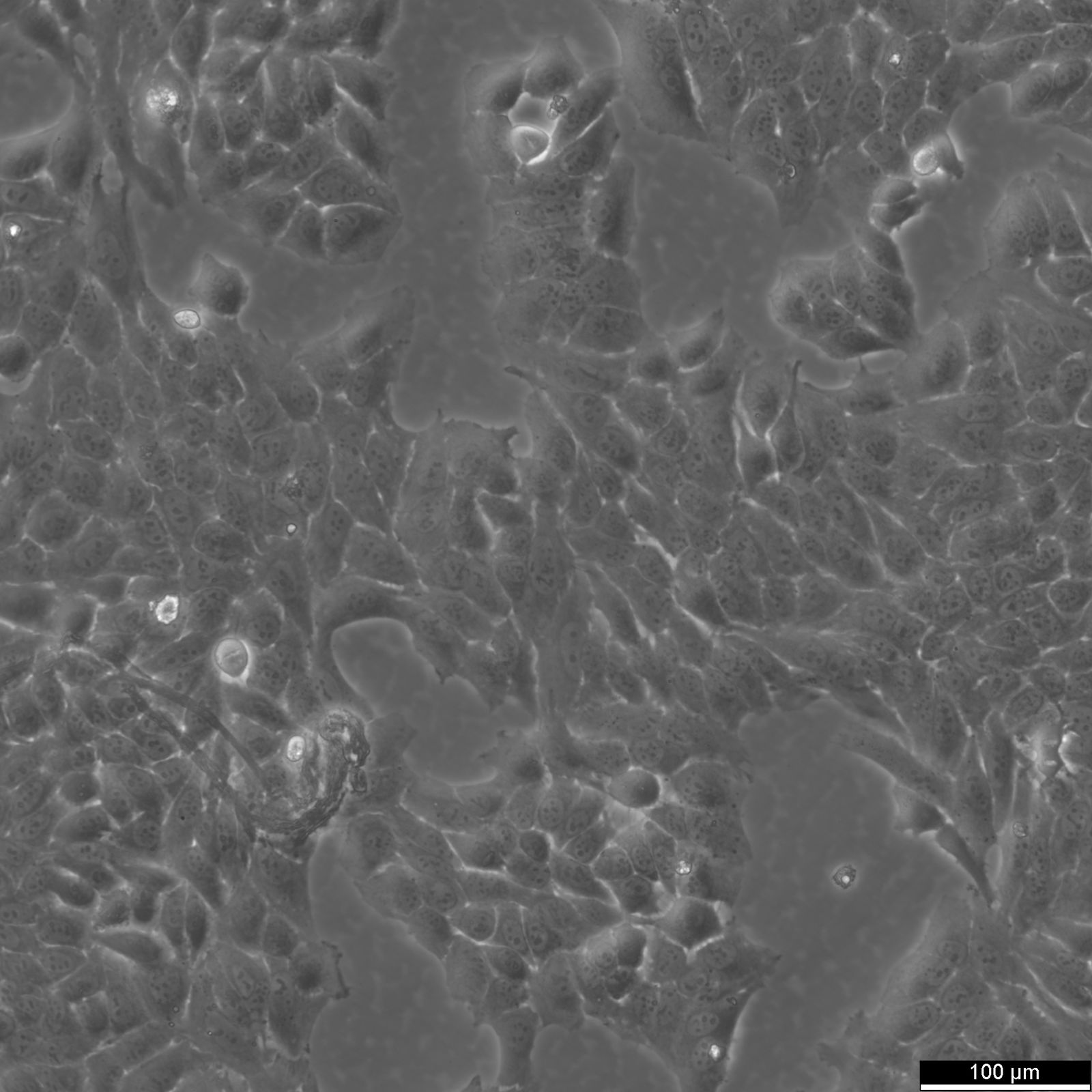
Hela 229 CellsOrganism Human Tissue Cervix Disease Human papillomavirus-related endocervical adenocarcinoma CAD$545.10*