
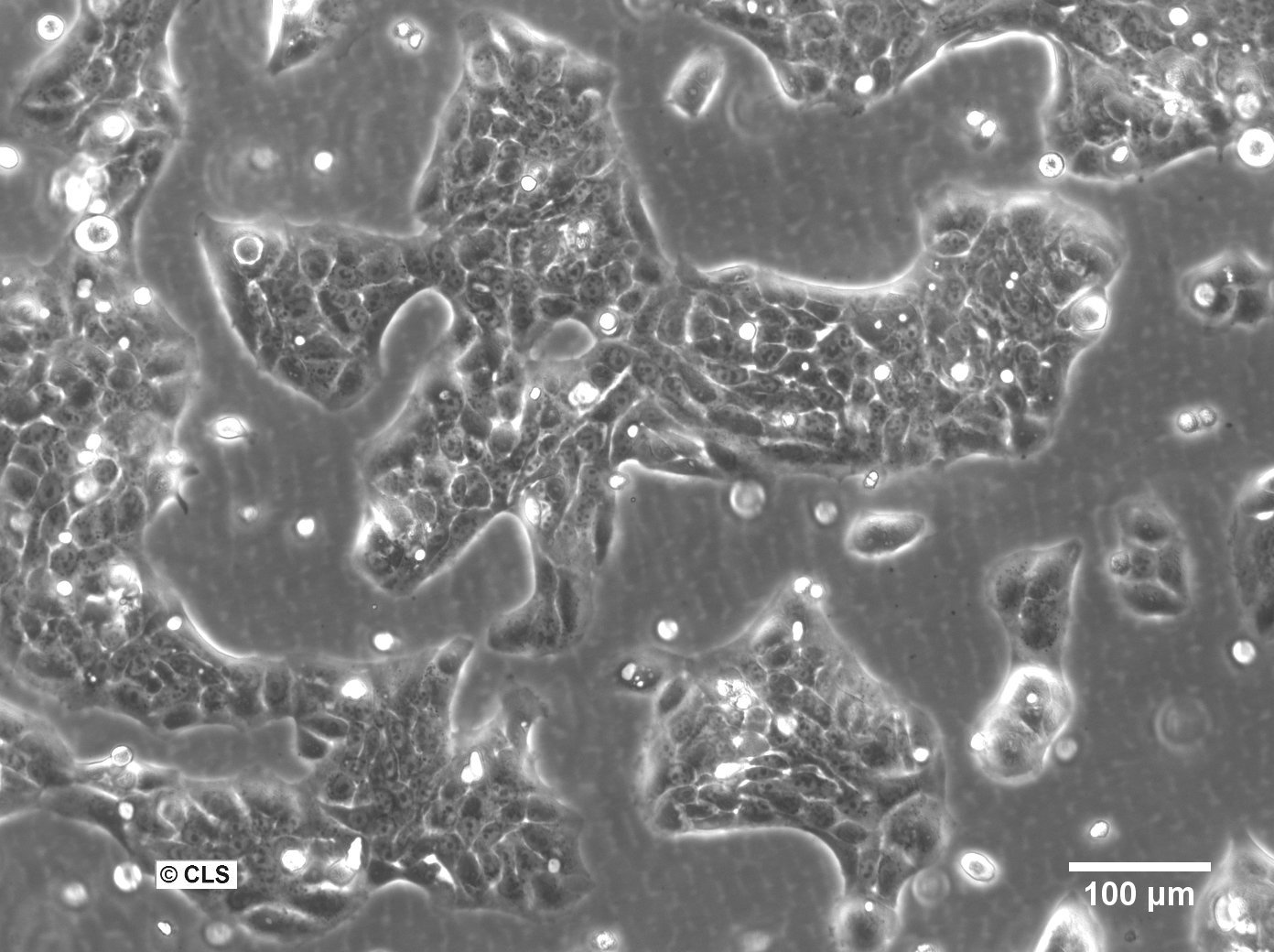
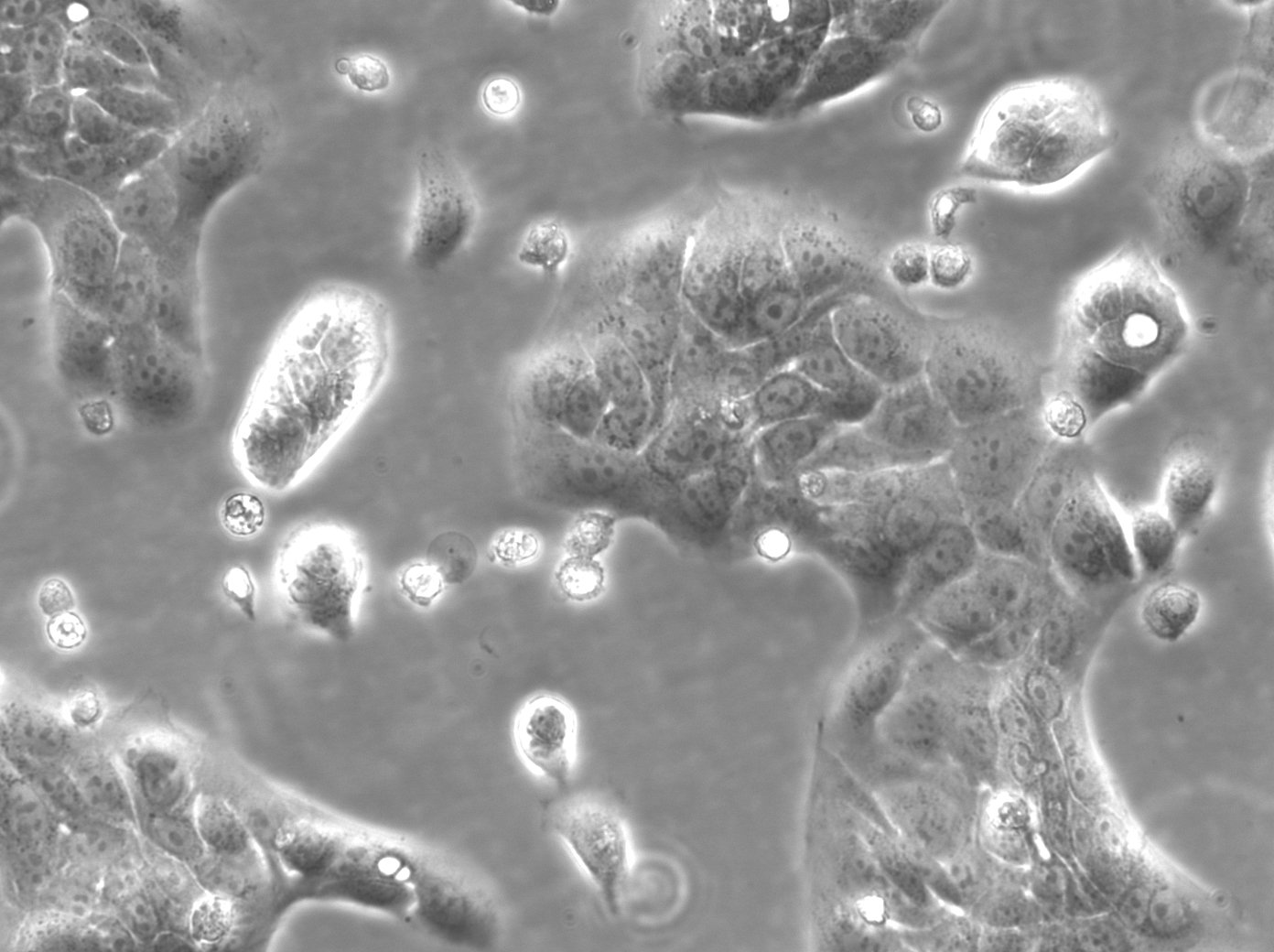
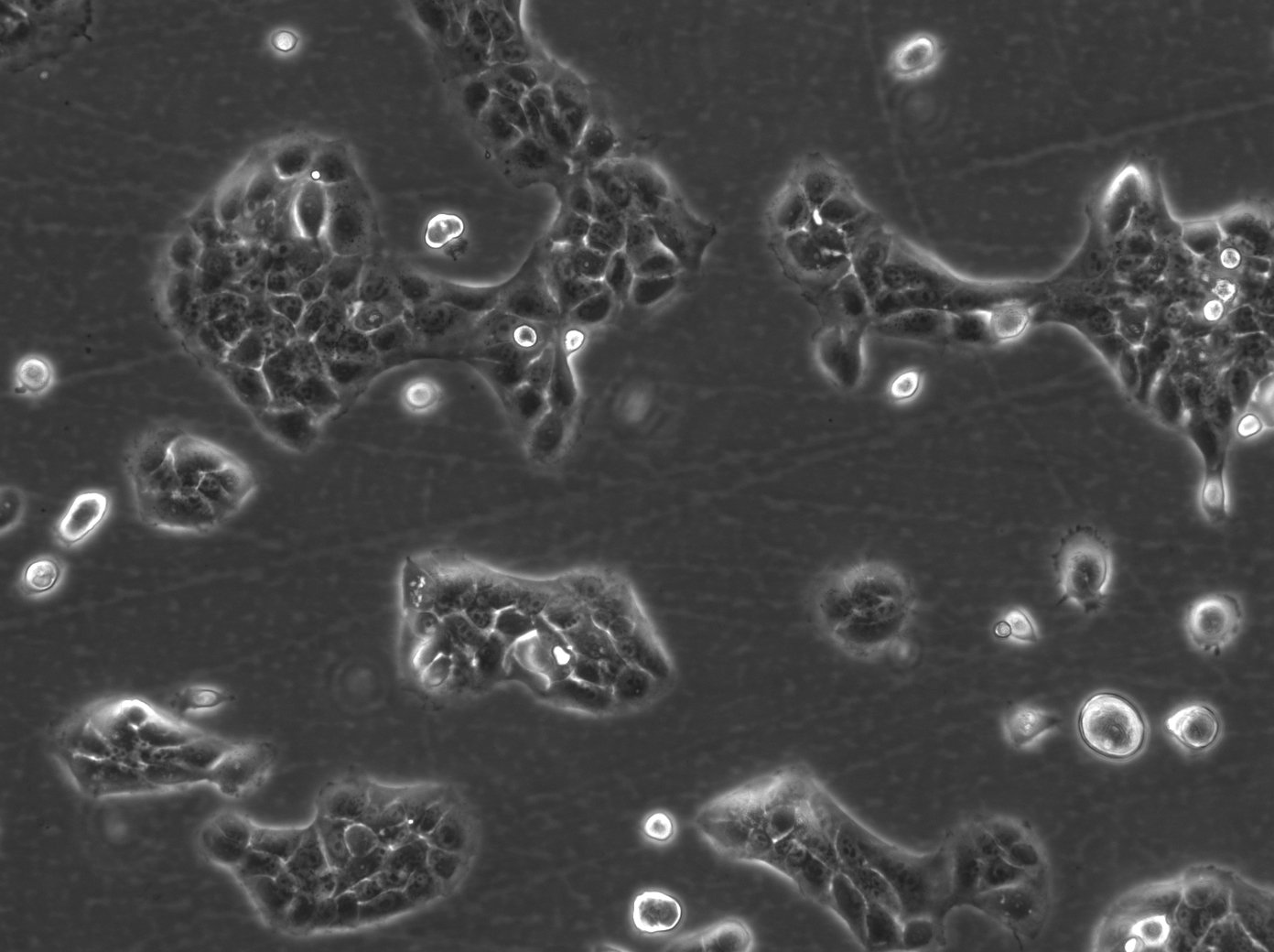
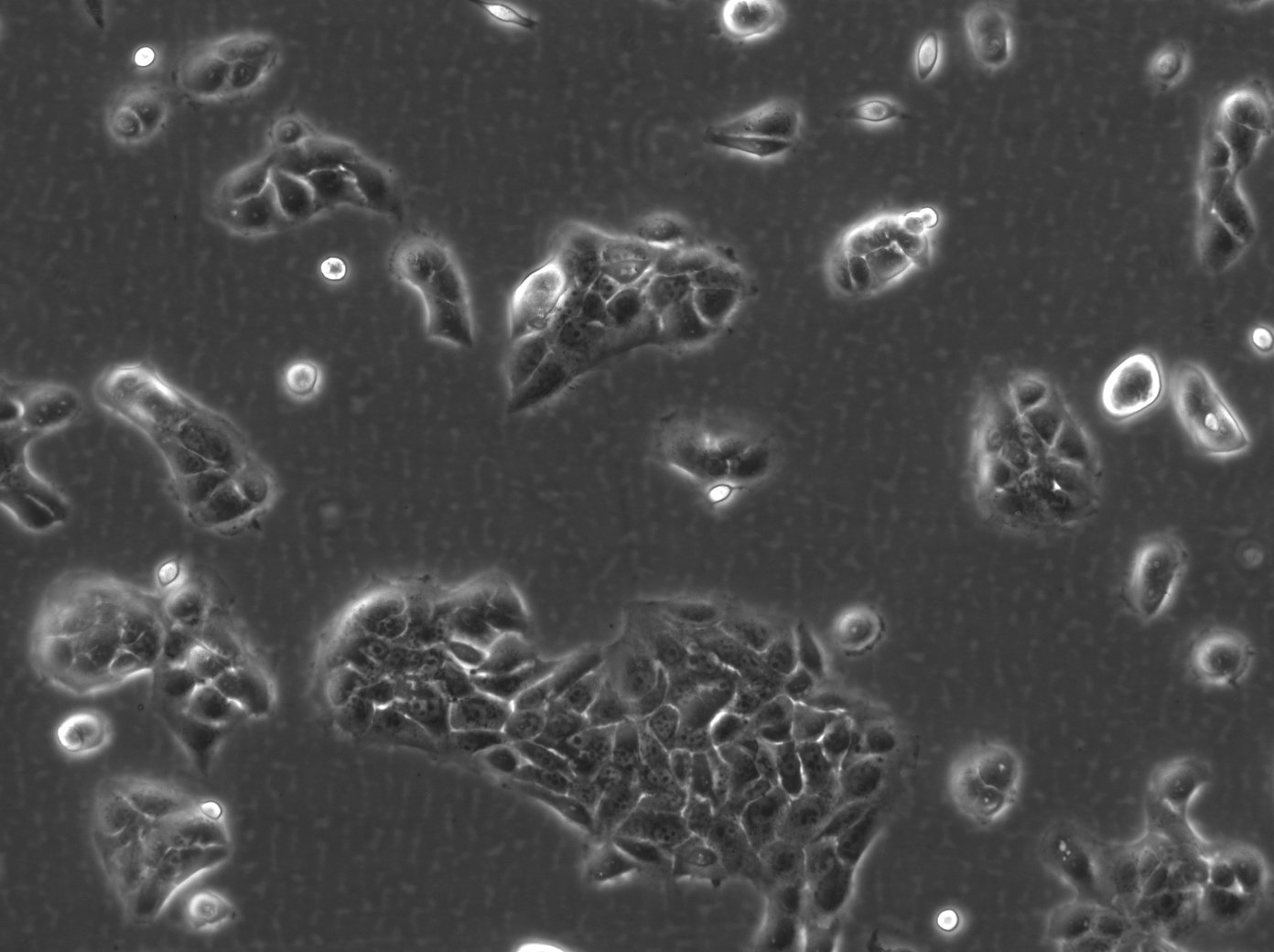
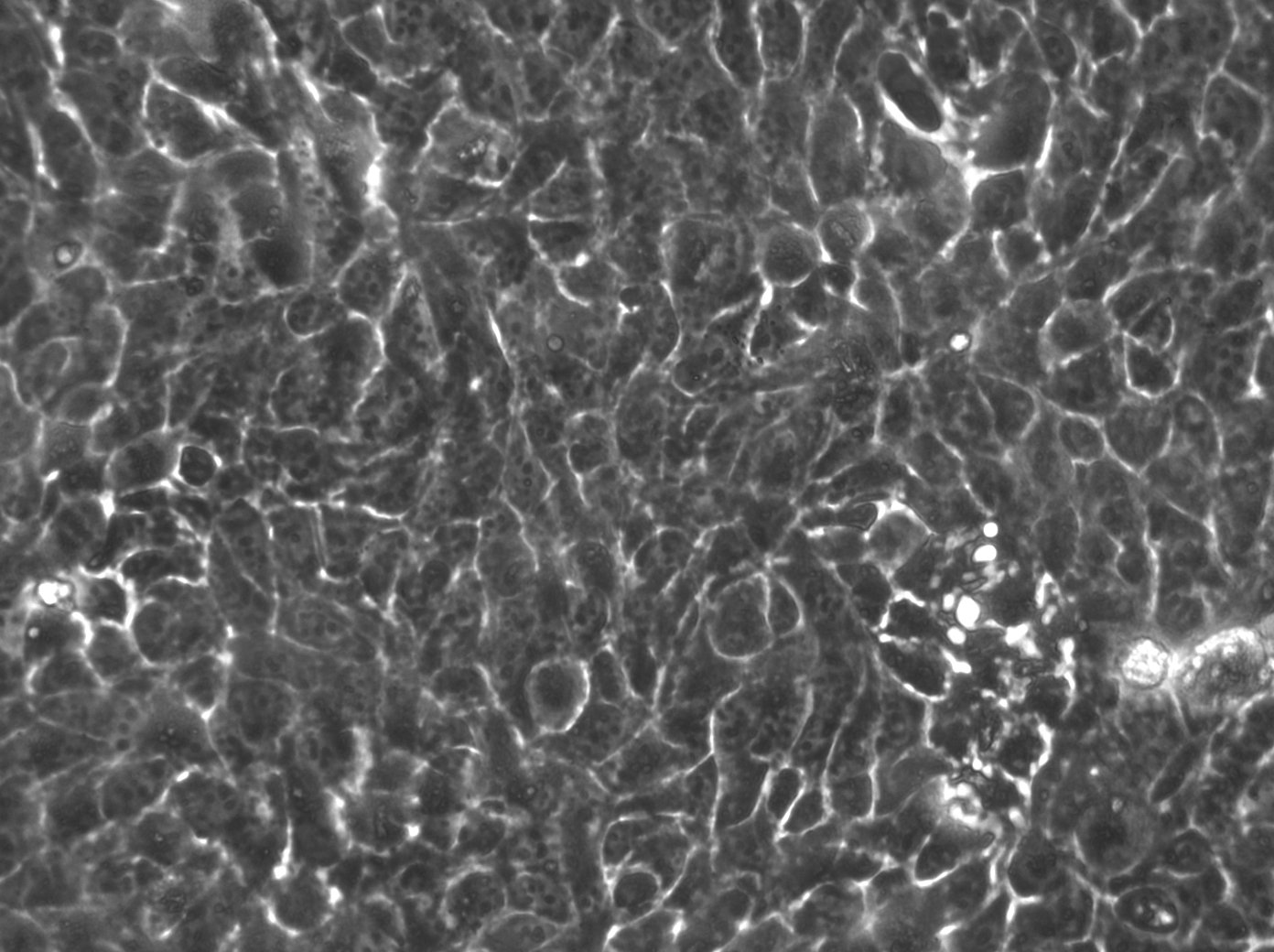
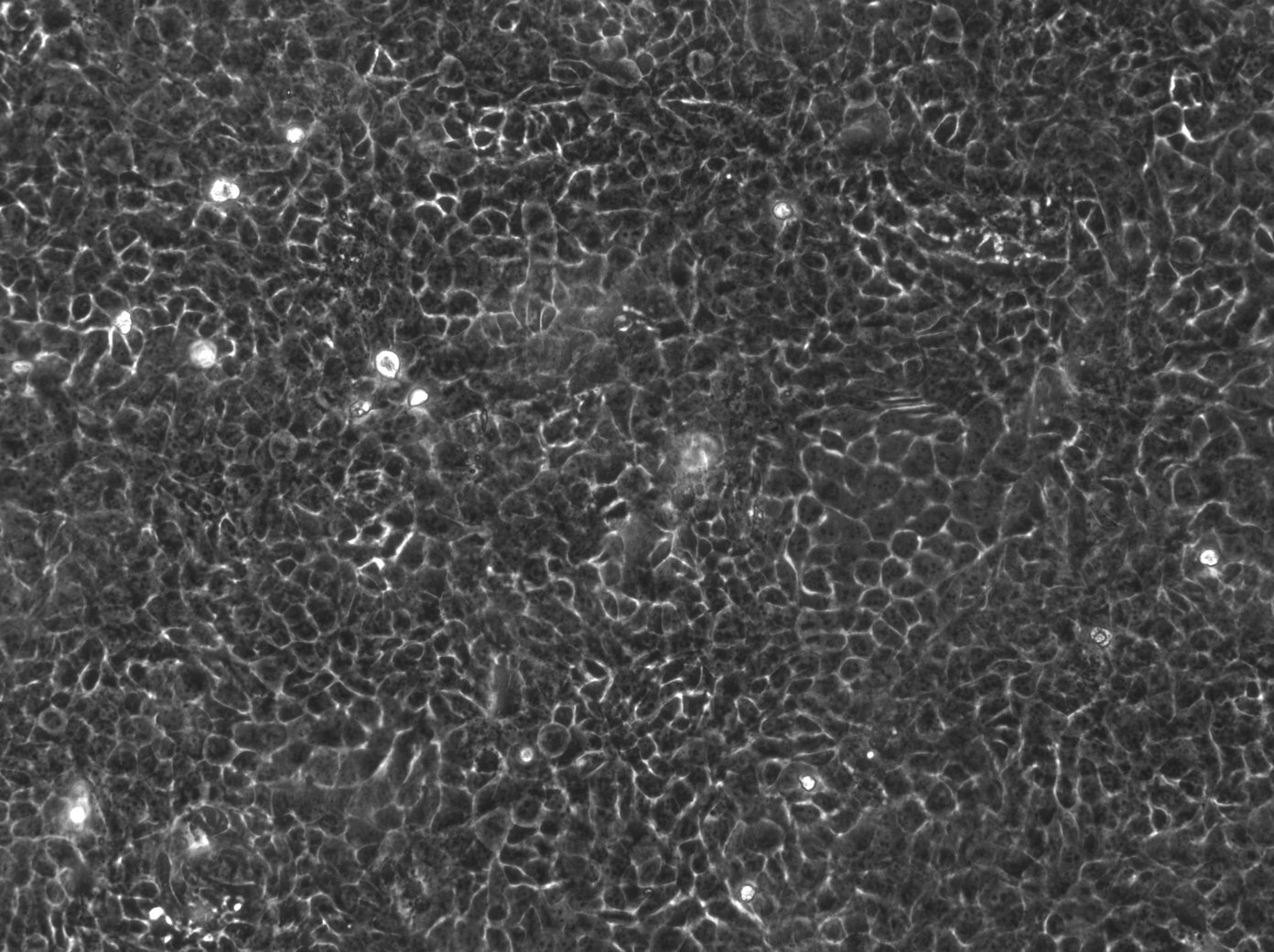
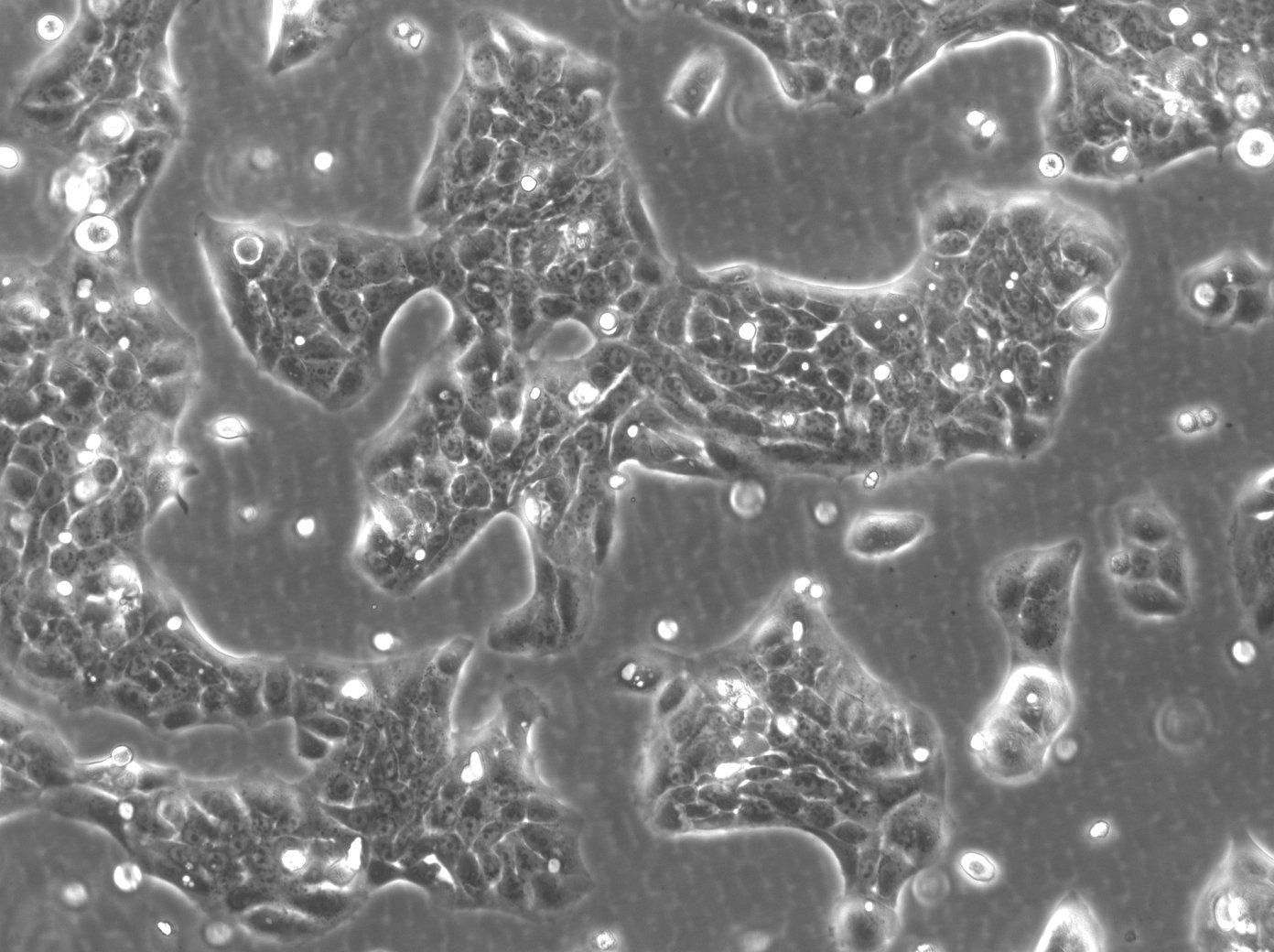
HaCaT-ras A5 Cells
CAD$759.00*
Products are shipped frozen on dry ice in cryotubes. Each cryotube typically contains 3 × 10⁶ cells for adherent lines or 5 × 10⁶ cells for suspension lines (refer to the batch CoA for details).
General information
| Description | HaCaT-ras A5 cells are a spontaneously immortalized, non-tumorigenic human skin keratinocyte cell line, instrumental in the study of tumour microenvironment interactions and the progression of skin carcinoma. Originating from a 62-year-old Caucasian male, these cells have undergone clonal selection and mutagenesis, which, coupled with autocrine growth factor regulation, enable the formation of slow-growing, highly differentiated benign cystic tumours in Balb/c-nu/nu mice. This makes them a valuable model for investigating the cellular dynamics and molecular mechanisms of tumour progression in vivo. The HaCaT-ras A5 cells are particularly useful for elucidating the complex interactions between tumour cells and surrounding stromal cells, including fibroblasts, immune cells, and endothelial cells. These interactions are mediated by the secretion of various signalling molecules such as growth factors, cytokines, and proteases, among which interleukin-6 (IL-6) plays a pivotal role. IL-6 is known to become dysregulated in many cancer types, primarily through overexpression or persistent activation of the STAT3 transcription factor. Research has shown that IL-6 stimulation of HaCaT-ras A5 cells significantly increases their proliferation via the JAK/STAT signalling pathway, while fibroblasts remain unaffected due to a more potent inhibition by SOCS3, a negative regulator of this pathway. This differential response has been captured in a mathematical model describing the dynamics of STAT3 and SOCS3, providing a deeper understanding of cell-specific signalling cascades. Furthermore, IL-6 not only directly affects HaCaT-ras A5 cell proliferation but also indirectly influences the cellular environment through the activation of a network of growth factors such as HGF, KGF, VEGF, and IL-8. Gene expression analysis involving over 16,000 genes revealed that IL-6 stimulation upregulates 19 genes related to the interferon signal pathway in both HaCaT-ras A5 cells and fibroblasts, which correlates with the observed growth inhibition in fibroblasts. The discovery of the crucial role of SerpinB4 in the proliferation of HaCaT-ras A5 cells, confirmed through siRNA knockdown experiments, underscores the intricate regulation by IL-6 in both tumour and stromal cells. This comprehensive understanding of IL-6’s roles enhances the potential for developing targeted therapeutic strategies aimed at modulating IL-6 signalling pathways in the tumour microenvironment. Overall, HaCaT-ras A5 cells offer a robust model for exploring the complex interplay within the tumour microenvironment, paving the way for novel approaches in cancer research and therapy development. |
|---|---|
| Organism | Human |
| Tissue | Skin |
| Synonyms | HaCaT-ras clone A-5, HaCaT A-5, A-5, A5 |
Characteristics
| Age | 62 years |
|---|---|
| Gender | Male |
| Ethnicity | Caucasian |
| Cell type | Keratinocyte |
| Growth properties | Adherent |
Regulatory Data
| Citation | HaCaT-ras A5 (Cytion catalog number 300494) |
|---|---|
| Biosafety level | 1 |
| NCBI_TaxID | 9606 |
| CellosaurusAccession | CVCL_xK16 |
| GMO Status | GMO-S1: This HaCaT-ras A5 line contains a plasmid-borne c-Ha-ras oncogene construct for epithelial transformation research. This classification applies only within Germany and may differ elsewhere. |
Biomolecular Data
| Protein expression | P53 (+), CEA (+), |
|---|---|
| Tumorigenic | Formation of benign tumors in Balb/c-nu/nu mice. |
| Karyotype | Aneuploid (hypotetraploid) |
Handling
| Culture Medium | DMEM, w: 4.5 g/L Glucose, w: 4 mM L-Glutamine, w: 3.7 g/L NaHCO3, w: 1.0 mM Sodium pyruvate (Cytion article number 820300a) |
|---|---|
| Supplements | Supplement the medium with 10% FBS |
| Dissociation Reagent | The 1:1 mixture of EDTA (stock. 0.05%) and trypsin (stock: 0.1%) must be prepared each time ahead of detaching the cells using PBS without Ca2+ and Mg2+ to provide a physiologic osmolarity. Ready-to-use mixtures of trypsin/EDTA are not recommended, as this may result in cell clumps. As an alternative, TrypLETM Express (Life Technologies) instead of trypsin/EDTA can be used. The protocol of the manufacturer should be followed. |
| Subculturing |
|
| Seeding density | 1 x 10⁴ cells/cm2 |
| Fluid renewal | 2 times per week |
| Freeze medium | As a cryopreservation medium, we use complete growth medium (including FBS) + 10% DMSO for adequate post-thaw viability, or CM-1 (Cytion catalog number 800100), which includes optimized osmoprotectants and metabolic stabilizers to enhance recovery and reduce cryo-induced stress. |
| Thawing and Culturing Cells |
|
| Incubation Atmosphere | 37°C, 5% CO2, humidified atmosphere. |
| Shipping Conditions | Cryopreserved cell lines are shipped on dry ice in validated, insulated packaging with sufficient refrigerant to maintain approximately −78 °C throughout transit. On receipt, inspect the container immediately and transfer vials without delay to appropriate storage. |
| Storage Conditions | For long-term preservation, place vials in vapor-phase liquid nitrogen at about −150 to −196 °C. Storage at −80 °C is acceptable only as a short interim step before transfer to liquid nitrogen. |
Quality Control & Molecular Analysis
| Sterility | Mycoplasma contamination is excluded using both PCR-based assays and luminescence-based mycoplasma detection methods. To ensure there is no bacterial, fungal, or yeast contamination, cell cultures are subjected to daily visual inspections. |
|---|