
HTR-8/SVneo Cells
CAD$545.10*
Products are shipped frozen on dry ice in cryotubes. Each cryotube typically contains 3 × 10⁶ cells for adherent lines or 5 × 10⁶ cells for suspension lines (refer to the batch CoA for details).
General information
| Description | HTR-8/SVneo is a human trophoblast cell line derived from the chorionic villi of a first-trimester placenta, specifically from a 6-to-12-week-old embryo. These cells were immortalized by transfecting them with the gene encoding the simian virus 40 (SV40) large T antigen, which extends their lifespan while maintaining characteristics typical of extravillous invasive trophoblasts. This cell line expresses several key markers associated with extravillous trophoblasts, including insulin-like growth factor II (IGF-II), NDOG-5, proliferating cell nuclear antigen (PCNA), and a range of integrins (α1, α3, α5, αv, and β1 subunits, along with the αvβ3/β5 vitronectin receptor). It is negative for macrophage marker 63/D3, endothelial cell marker factor VIII, and α6 and β4 integrin subunits, confirming its trophoblast lineage and distinguishing it from other cell types such as macrophages and endothelial cells. HTR-8/SVneo cells are widely used as a model to study trophoblast invasion and placental biology, particularly the epithelial-to-mesenchymal transition (EMT), which is crucial for trophoblasts' invasive behavior during placental development. Research has shown that these cells exhibit a mixed population of epithelial and mesenchymal phenotypes, with the ability to undergo EMT under standard culture conditions. This transition is mediated by TGF-β signaling, which promotes the mesenchymal phenotype, as evidenced by the upregulation of mesenchymal markers such as vimentin and the downregulation of epithelial markers like E-cadherin. This makes HTR-8/SVneo a valuable in vitro model for studying the molecular mechanisms underlying EMT in trophoblasts and its implications in both normal placental development and pregnancy-related disorders. Studies have further demonstrated that HTR-8/SVneo cells can form spheroids, which predominantly express epithelial markers. When these spheroids are re-plated in 2D culture, the cells exhibit a shift towards a mesenchymal phenotype, indicating an ongoing EMT process. This cell line's unique properties, including its responsiveness to TGF-β and its mixed epithelial-mesenchymal nature, provide critical insights into the complex cellular dynamics of trophoblast invasion and the regulation of placental development, offering a robust platform for investigating pregnancy-related pathologies such as pre-eclampsia and intrauterine growth restriction. |
|---|---|
| Organism | Human |
| Tissue | Trophoblast, Placenta |
| Synonyms | HTR-8/SV neo, HTR-8/SV-neo, HTR8/SVneo, HTR8svn |
Characteristics
| Age | 6-12 fetal weeks |
|---|---|
| Gender | Unspecified |
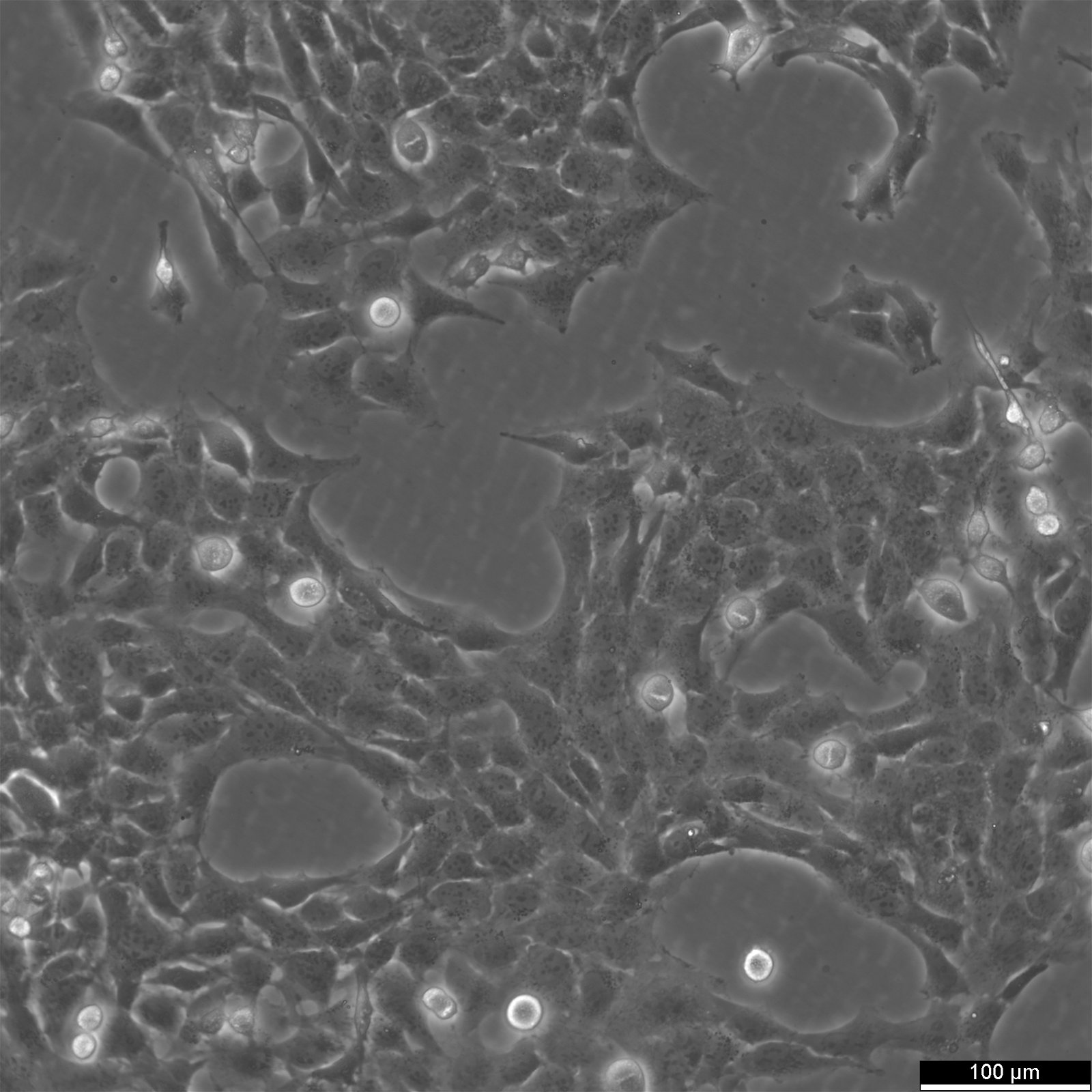
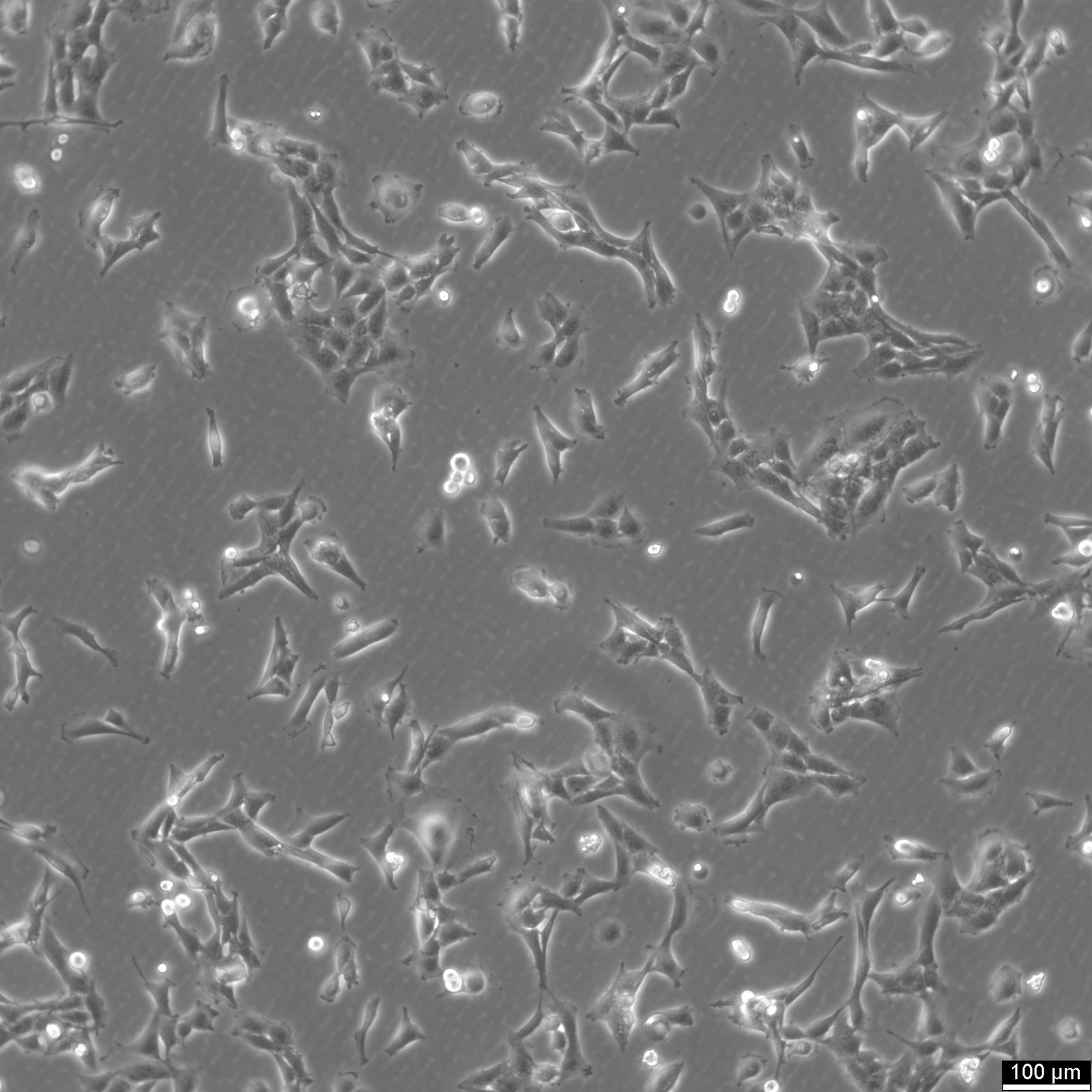
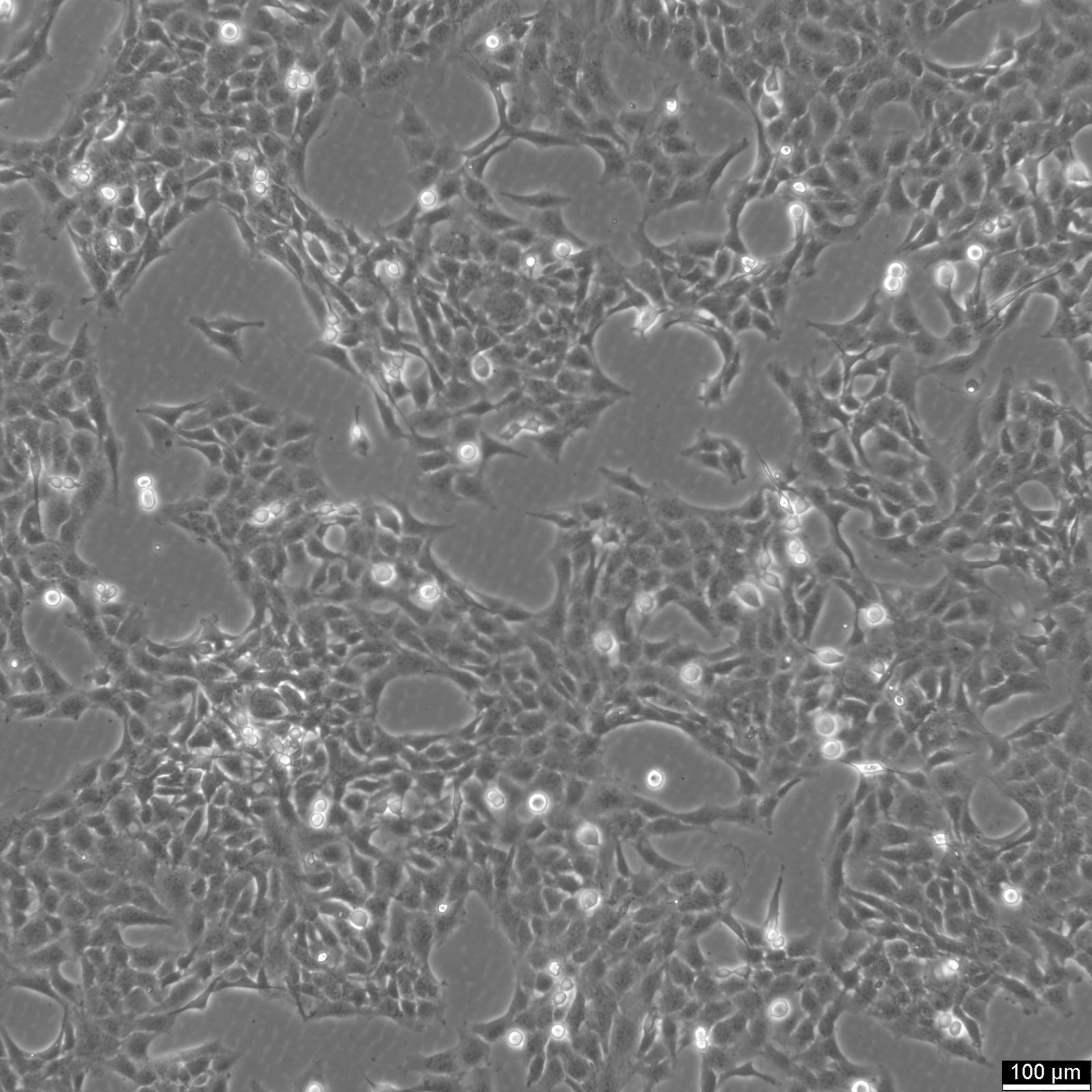
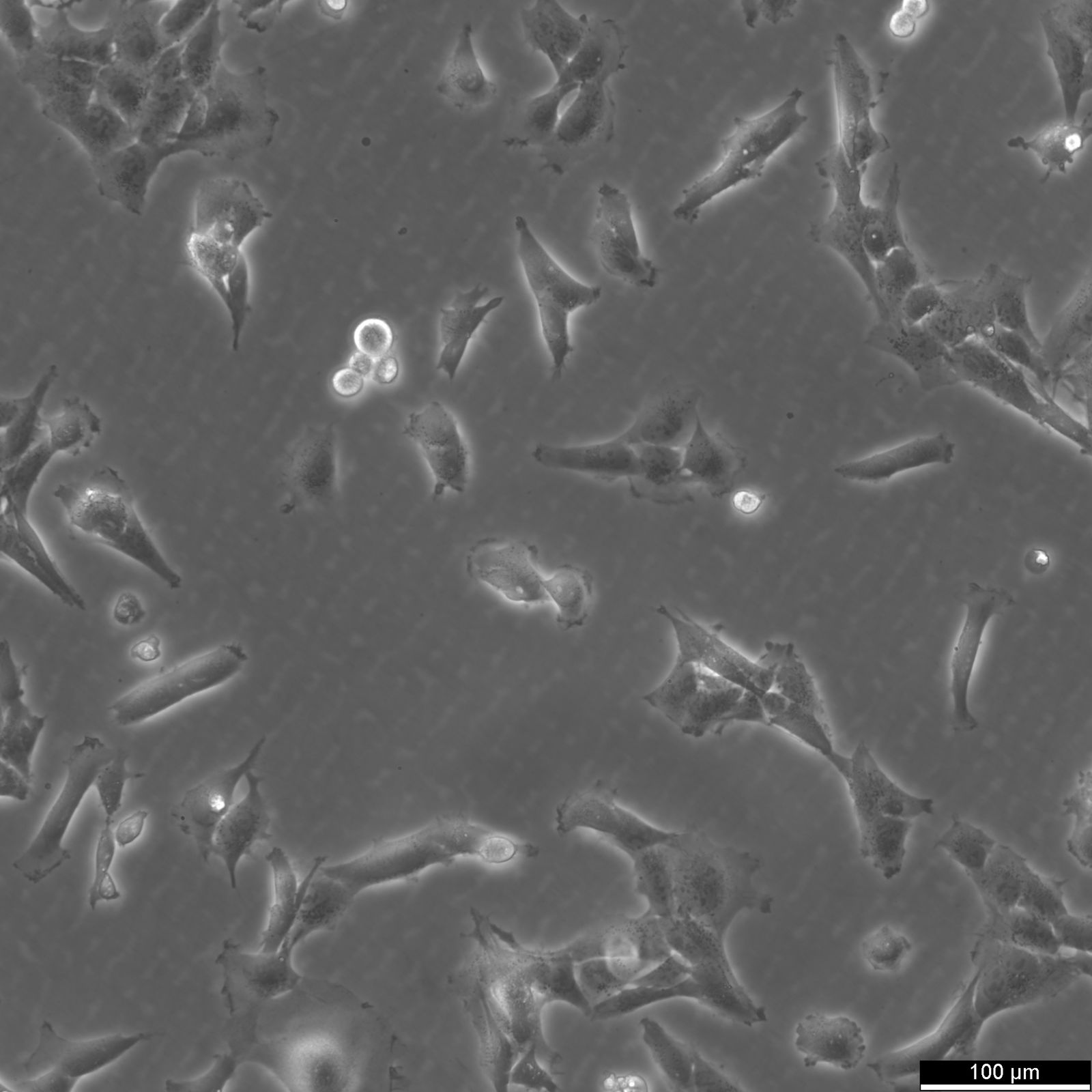
| Morphology | A mixture of epithelial and mesenchymal-like cells |
| Growth properties | Adherent |
Regulatory Data
| Citation | HTR-8/SVneo (Cytion catalog number 305221) |
|---|---|
| Biosafety level | 1 |
| NCBI_TaxID | 9606 |
| CellosaurusAccession | CVCL_7162 |
| GMO Status | GMO-S1: This human trophoblast cell line (HTR-8/SVneo) contains an SV40 T-Antigen construct introduced by transfection, enabling immortalization of primary trophoblast cells. The insert is stably integrated. This classification applies only within Germany and may differ elsewhere. |
Biomolecular Data
| Viruses | Simian virus 40 (transfected with pSV3neo plasmid containing the early region of SV40) |
|---|
Handling
| Culture Medium | RPMI 1640, w: 2.0 mM stable Glutamine, w: 2.0 g/L NaHCO3 (Cytion article number 820700a) |
|---|---|
| Supplements | Supplement the medium with 10% FBS |
| Dissociation Reagent | Accutase |
| Subculturing | Remove the old medium from the adherent cells and wash them with PBS that lacks calcium and magnesium. For T25 flasks, use 3-5 ml of PBS, and for T75 flasks, use 5-10 ml. Then, cover the cells completely with Accutase, using 1-2 ml for T25 flasks and 2.5 ml for T75 flasks. Let the cells incubate at room temperature for 8-10 minutes to detach them. After incubation, gently mix the cells with 10 ml of medium to resuspend them, then centrifuge at 300xg for 3 minutes. Discard the supernatant, resuspend the cells in fresh medium, and transfer them into new flasks that already contain fresh medium. |
| Freeze medium | As a cryopreservation medium, we use complete growth medium (including FBS) + 10% DMSO for adequate post-thaw viability, or CM-1 (Cytion catalog number 800100), which includes optimized osmoprotectants and metabolic stabilizers to enhance recovery and reduce cryo-induced stress. |
| Thawing and Culturing Cells |
|
| Incubation Atmosphere | 37°C, 5% CO2, humidified atmosphere. |
| Shipping Conditions | Cryopreserved cell lines are shipped on dry ice in validated, insulated packaging with sufficient refrigerant to maintain approximately −78 °C throughout transit. On receipt, inspect the container immediately and transfer vials without delay to appropriate storage. |
| Storage Conditions | For long-term preservation, place vials in vapor-phase liquid nitrogen at about −150 to −196 °C. Storage at −80 °C is acceptable only as a short interim step before transfer to liquid nitrogen. |
Quality Control & Molecular Analysis
| Sterility | Mycoplasma contamination is excluded using both PCR-based assays and luminescence-based mycoplasma detection methods. To ensure there is no bacterial, fungal, or yeast contamination, cell cultures are subjected to daily visual inspections. |
|---|
Certificate of Analysis (CoA)
| Lot Number | Certificate Type | Date | Catalog Number |
|---|---|---|---|
| 305221-170925 | Certificate of Analysis | 05. Dec. 2025 | 305221 |