
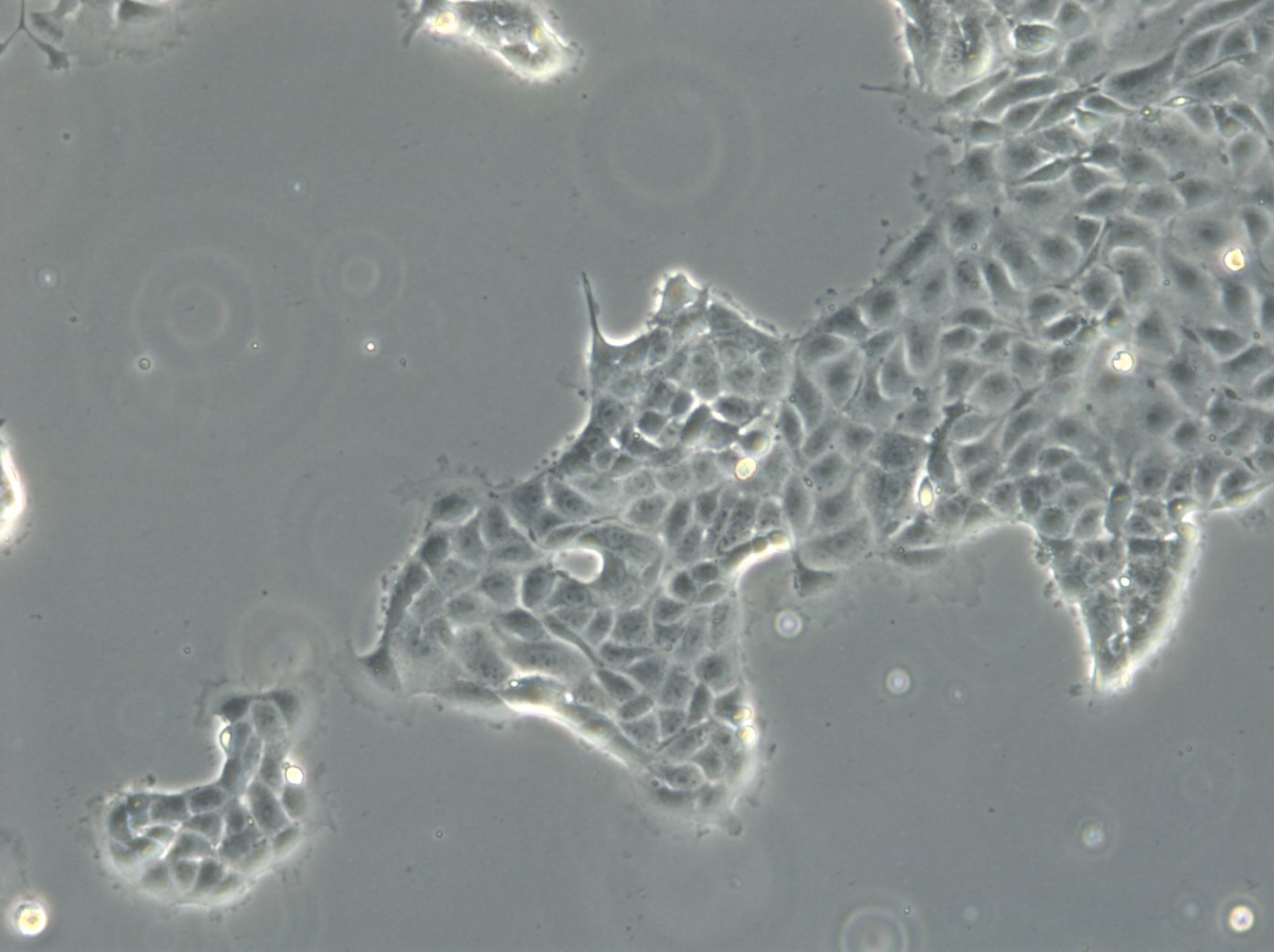
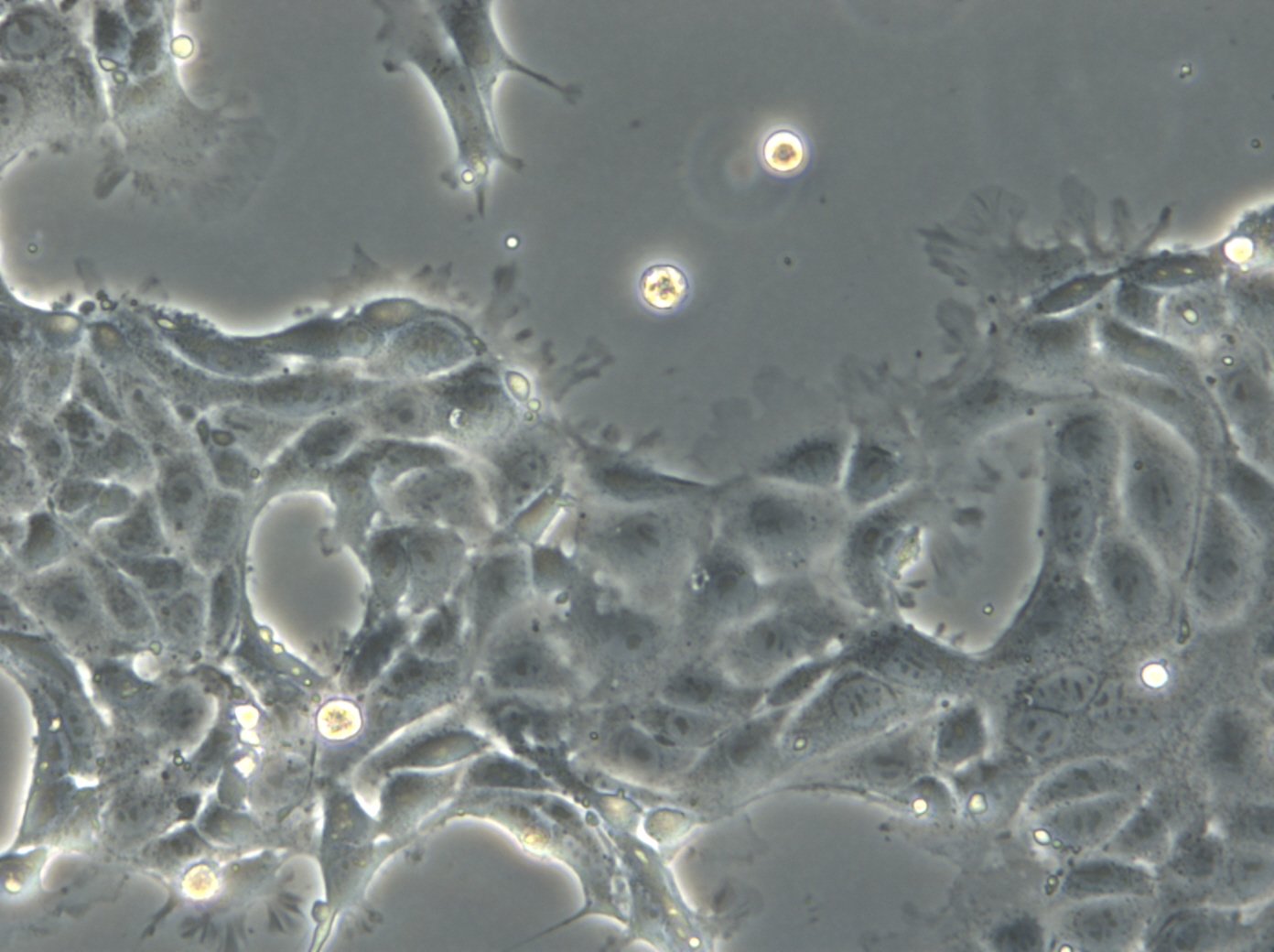
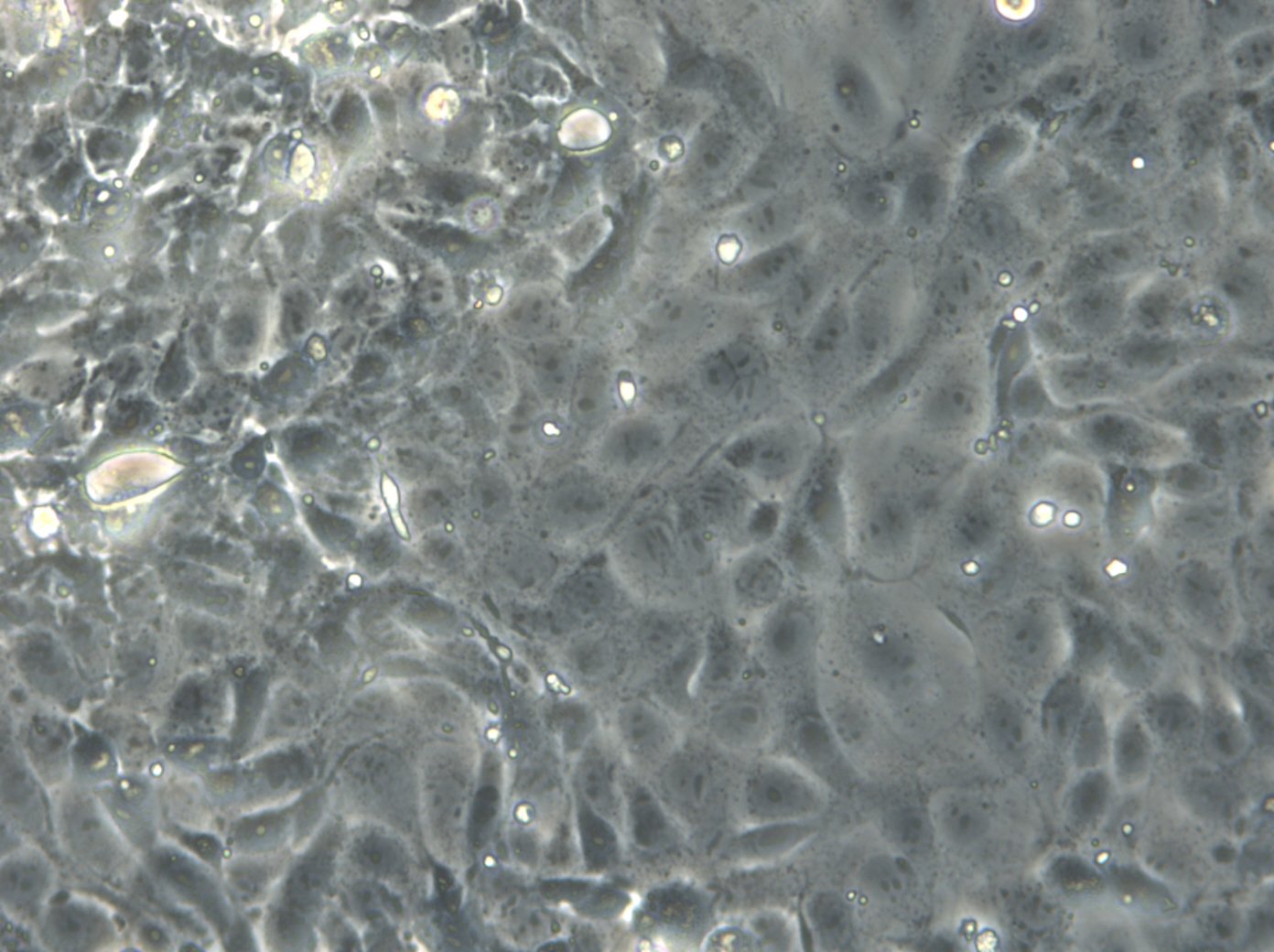
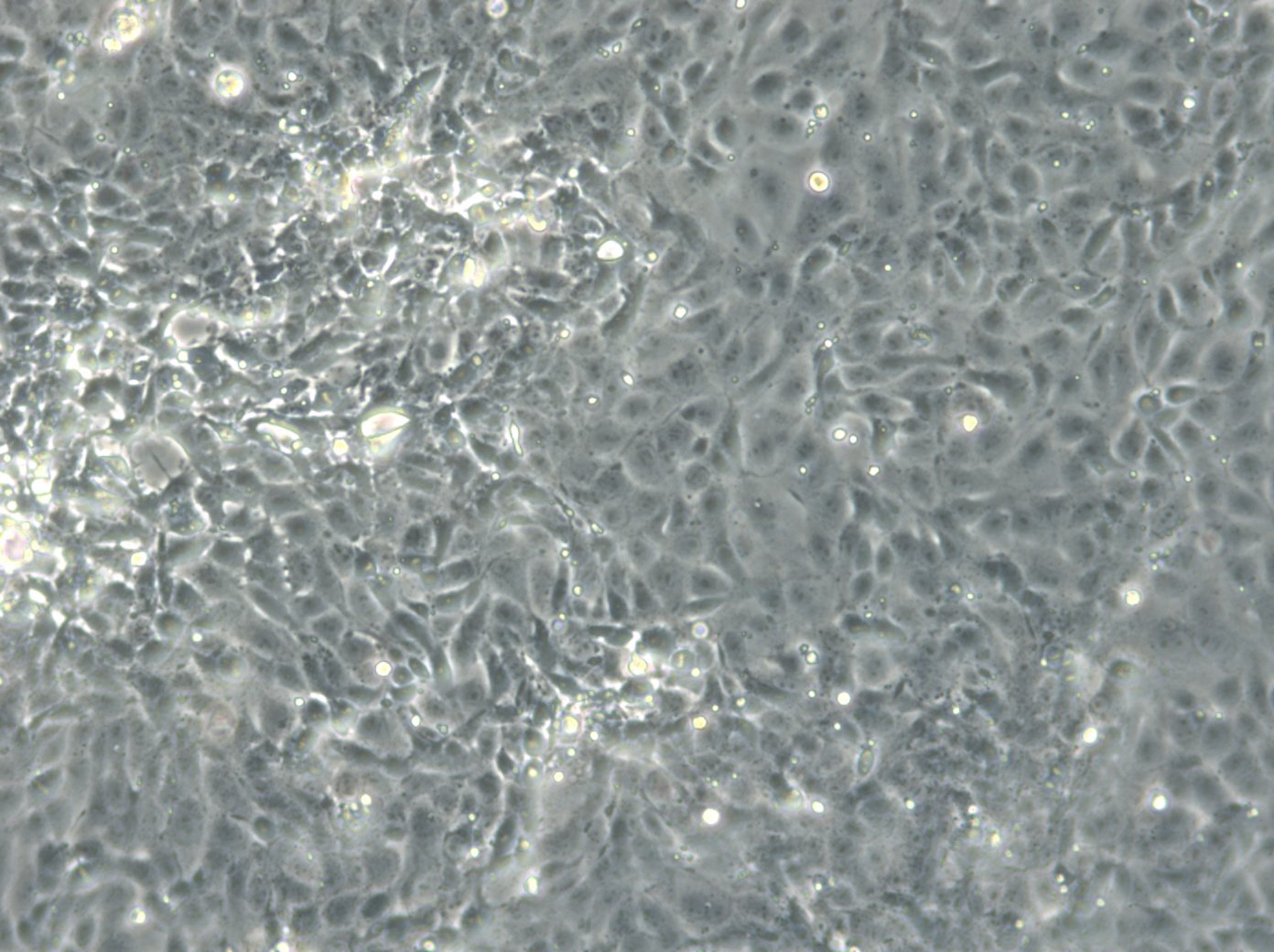
DSL-6B-C2 Cells
CAD$545.10*
Products are shipped frozen on dry ice in cryotubes. Each cryotube typically contains 3 × 10⁶ cells for adherent lines or 5 × 10⁶ cells for suspension lines (refer to the batch CoA for details).
General information
| Description | The DSL-6B/C2 cell line is derived from the DSL-6 transplantable acinar cell carcinoma of the pancreas, specifically established from a tumor model in a male Lewis rat. This model was initiated in 1986 from a primary acinar cell carcinoma that developed after intraperitoneal administration of azaserine, a potent carcinogen. The significance of this cell line stems from its origin in pancreatic cancer research, highlighting its utility in studying the biology and underlying mechanisms of pancreatic acinar cell carcinomas. Initially, upon establishment in culture, DSL-6B/C2 cells exhibited the characteristic production of amylase, a hallmark of pancreatic exocrine function. However, this exocrine enzyme production was transient, ceasing within one to two weeks of culture. This change in phenotypic expression is notable as it suggests an adaptation to the in vitro environment, which may affect the cells' utility in certain types of biological assays. The loss of amylase production might also reflect changes in cell differentiation or the emergence of subpopulations within the cultured cells, which could be critical for researchers focusing on the evolution of tumor cell characteristics in vitro. |
|---|---|
| Organism | Rat |
| Tissue | Pancreas |
| Disease | Carcinoma |
| Metastatic site | Ductal |
| Synonyms | DSL-6B/C2, DSL6B/C2 |
Characteristics
| Breed/Subspecies | Lewis |
|---|---|
| Age | 2 years |
| Gender | Male |
| Morphology | Epithelial-like |
| Cell type | Acinar cells |
| Growth properties | Adherent |
Regulatory Data
| Citation | DSL-6B-C2 (Cytion catalog number 500167) |
|---|---|
| Biosafety level | 1 |
| NCBI_TaxID | 10116 |
| CellosaurusAccession | CVCL_4167 |
Biomolecular Data
| Tumorigenic | Yes, in Lewis rats the cells produce solid tumors and partially cystic tumors composed with a mixed phenotype of squamous, mucinous and glandular areas |
|---|---|
| Products | Mucin |
Handling
| Culture Medium | DMEM:Ham's F12 (1:1), w: 3.1 g/L Glucose, w: 2.5 mM L-Glutamine, w: 15 mM HEPES, w: 0.5 mM Sodium pyruvate, w: 1.2 g/L NaHCO3 (Cytion article number 820400a) |
|---|---|
| Supplements | Supplement the medium with 10% FBS |
| Dissociation Reagent | Accutase |
| Subculturing | Remove the old medium from the adherent cells and wash them with PBS that lacks calcium and magnesium. For T25 flasks, use 3-5 ml of PBS, and for T75 flasks, use 5-10 ml. Then, cover the cells completely with Accutase, using 1-2 ml for T25 flasks and 2.5 ml for T75 flasks. Let the cells incubate at room temperature for 8-10 minutes to detach them. After incubation, gently mix the cells with 10 ml of medium to resuspend them, then centrifuge at 300xg for 3 minutes. Discard the supernatant, resuspend the cells in fresh medium, and transfer them into new flasks that already contain fresh medium. |
| Seeding density | 1 x 10⁴ cells/cm2 will yield in a confluent layer in about 4 days |
| Fluid renewal | 2 times per week |
| Post-Thaw Recovery | After thawing, plate the cells at 5 x 10⁴ cells/cm2 and allow the cells to recover from the freezing process and to adhere for at least 24 hours. |
| Freeze medium | As a cryopreservation medium, we use complete growth medium (including FBS) + 10% DMSO for adequate post-thaw viability, or CM-1 (Cytion catalog number 800100), which includes optimized osmoprotectants and metabolic stabilizers to enhance recovery and reduce cryo-induced stress. |
| Thawing and Culturing Cells |
|
| Incubation Atmosphere | 37°C, 5% CO2, humidified atmosphere. |
| Shipping Conditions | Cryopreserved cell lines are shipped on dry ice in validated, insulated packaging with sufficient refrigerant to maintain approximately −78 °C throughout transit. On receipt, inspect the container immediately and transfer vials without delay to appropriate storage. |
| Storage Conditions | For long-term preservation, place vials in vapor-phase liquid nitrogen at about −150 to −196 °C. Storage at −80 °C is acceptable only as a short interim step before transfer to liquid nitrogen. |
Quality Control & Molecular Analysis
| Sterility | Mycoplasma contamination is excluded using both PCR-based assays and luminescence-based mycoplasma detection methods. To ensure there is no bacterial, fungal, or yeast contamination, cell cultures are subjected to daily visual inspections. |
|---|
Certificate of Analysis (CoA)
| Lot Number | Certificate Type | Date | Catalog Number |
|---|---|---|---|
| 500167-412 | Certificate of Analysis | 18. Aug. 2025 | 500167 |
| 500167-516SF | Certificate of Analysis | 23. May. 2025 | 500167 |