
DMS-79 Cells
CAD$759.00*
Products are shipped frozen on dry ice in cryotubes. Each cryotube typically contains 3 × 10⁶ cells for adherent lines or 5 × 10⁶ cells for suspension lines (refer to the batch CoA for details).
General information
| Description | DMS-79 is a human lung cancer cell line derived from a small cell lung carcinoma. These cells exhibit a classical neuroendocrine phenotype, which is characteristic of small cell lung cancer. This phenotype is significant because it implies a potential utility in studying neuroendocrine signaling pathways, which are crucial in the development and progression of lung cancer. The DMS-79 cell line has been widely utilized in research to understand the molecular biology of lung cancers, particularly in the context of tumor genesis, cell proliferation, and apoptosis. The cell line is known for its aggressive growth and high tumorigenicity in vivo, making it an excellent model for in vivo studies of tumor behavior and response to therapeutics. DMS-79 cells also serve as a useful tool for pharmacological testing and drug development, offering insights into the cellular responses to various chemotherapeutic agents. Furthermore, these cells have been instrumental in the study of cancer stem cell characteristics and mechanisms of metastasis in small cell lung carcinoma. This extensive usage underscores the importance of DMS-79 in cancer research, particularly in therapies targeting aggressive and hard-to-treat cancers like small cell lung carcinoma. |
|---|---|
| Organism | Human |
| Tissue | Lung |
| Disease | Carcinoma, azaserine induced |
| Metastatic site | Pleural effusion |
| Synonyms | DMS 79, DMS79 |
Characteristics
| Age | 65 years |
|---|---|
| Gender | Male |
| Ethnicity | Caucasian |
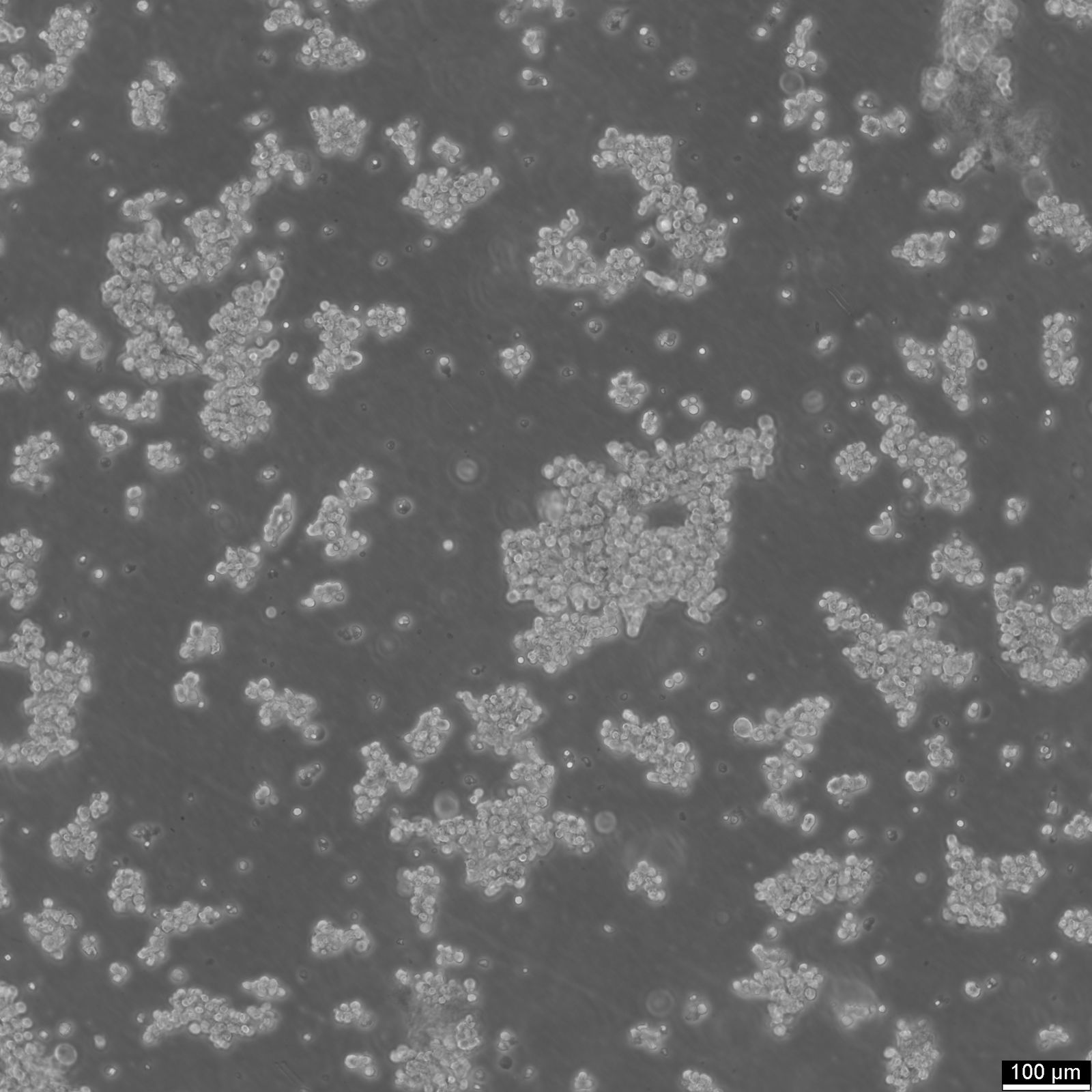
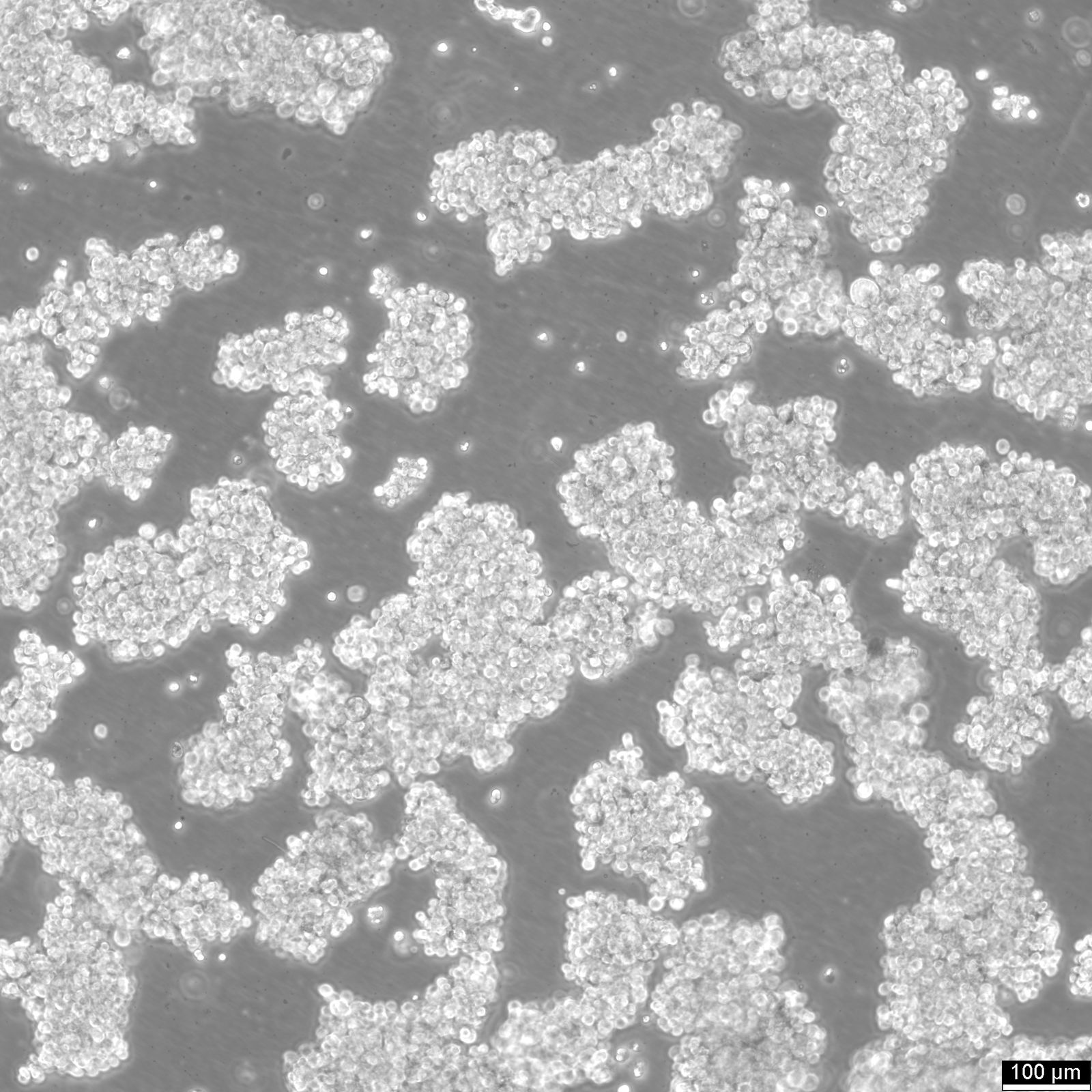
| Growth properties | Aggregates in suspension |
Regulatory Data
| Citation | DMS-79 (Cytion catalog number 300164) |
|---|---|
| Biosafety level | 1 |
| NCBI_TaxID | 9606 |
| CellosaurusAccession | CVCL_1178 |
Biomolecular Data
| Receptors expressed | Epidermal growth factor (EGF) |
|---|---|
| Antigen expression | Leu 7, My23, Class 1 HLA, Class 2 HLA |
| Oncogenes | C-myc +, N-myc +, c-raf-1 +, Ha-ras +, Ki-ras +, N-ras +, v-fes -, v-fms - |
| Tumorigenic | Yes, in nude mice |
| Products | Adrenocorticotropin (adrenocorticotropic hormone, ACTH), bombesin, calcitonin, corticotropin, beta endorphin, 17 beta estradiol, lipotropin, oxytocin - neurophysin (OT-NP), parathormone, somatostatin-like immunoreactivity (SRIF) |
Handling
| Culture Medium | RPMI 1640, w: 2.0 mM stable Glutamine, w: 2.0 g/L NaHCO3 (Cytion article number 820700a) |
|---|---|
| Supplements | Supplement the medium with 10% heat-inactivated FBS, add 2.5 g/L glucose and 10 mM HEPES |
| Doubling time | 96 hours |
| Subculturing | Once or twice a week add 5 ml of fresh cell culture medium, as soon as the culture medium gets acidic. Subculture as soon as many very large clusters are observed. Dissociate the clusters by collecting the cells, rinsing once using PBS without calcium/magnesium and adding 3-5 ml Accutase. Incubate at 37 degree Celsius for 10minutes. Collect the cells following centrifugation, resuspend in fresh cell culture medium and count. Start cultures at 2-4 x 10⁴ cells/ml. |
| Seeding density | 2 to 4 x 10⁴ cells/cm2 |
| Fluid renewal | 2 to 3 times per week |
| Post-Thaw Recovery | After thawing, allow the cells to recover from the freezing process for at least 24 hours. |
| Freeze medium | As a cryopreservation medium, we use complete growth medium (including FBS) + 10% DMSO for adequate post-thaw viability, or CM-1 (Cytion catalog number 800100), which includes optimized osmoprotectants and metabolic stabilizers to enhance recovery and reduce cryo-induced stress. |
| Thawing and Culturing Cells |
|
| Incubation Atmosphere | 37°C, 5% CO2, humidified atmosphere. |
| Shipping Conditions | Cryopreserved cell lines are shipped on dry ice in validated, insulated packaging with sufficient refrigerant to maintain approximately −78 °C throughout transit. On receipt, inspect the container immediately and transfer vials without delay to appropriate storage. |
| Storage Conditions | For long-term preservation, place vials in vapor-phase liquid nitrogen at about −150 to −196 °C. Storage at −80 °C is acceptable only as a short interim step before transfer to liquid nitrogen. |
Quality Control & Molecular Analysis
| Sterility | Mycoplasma contamination is excluded using both PCR-based assays and luminescence-based mycoplasma detection methods. To ensure there is no bacterial, fungal, or yeast contamination, cell cultures are subjected to daily visual inspections. |
|---|
Certificate of Analysis (CoA)
| Lot Number | Certificate Type | Date | Catalog Number |
|---|---|---|---|
| 300164-270924 | Certificate of Analysis | 18. Dec. 2025 | 300164 |
| 300164-913 | Certificate of Analysis | 23. May. 2025 | 300164 |