
Colo-205 Cells
CAD$545.10*
Products are shipped frozen on dry ice in cryotubes. Each cryotube typically contains 3 × 10⁶ cells for adherent lines or 5 × 10⁶ cells for suspension lines (refer to the batch CoA for details).
General information
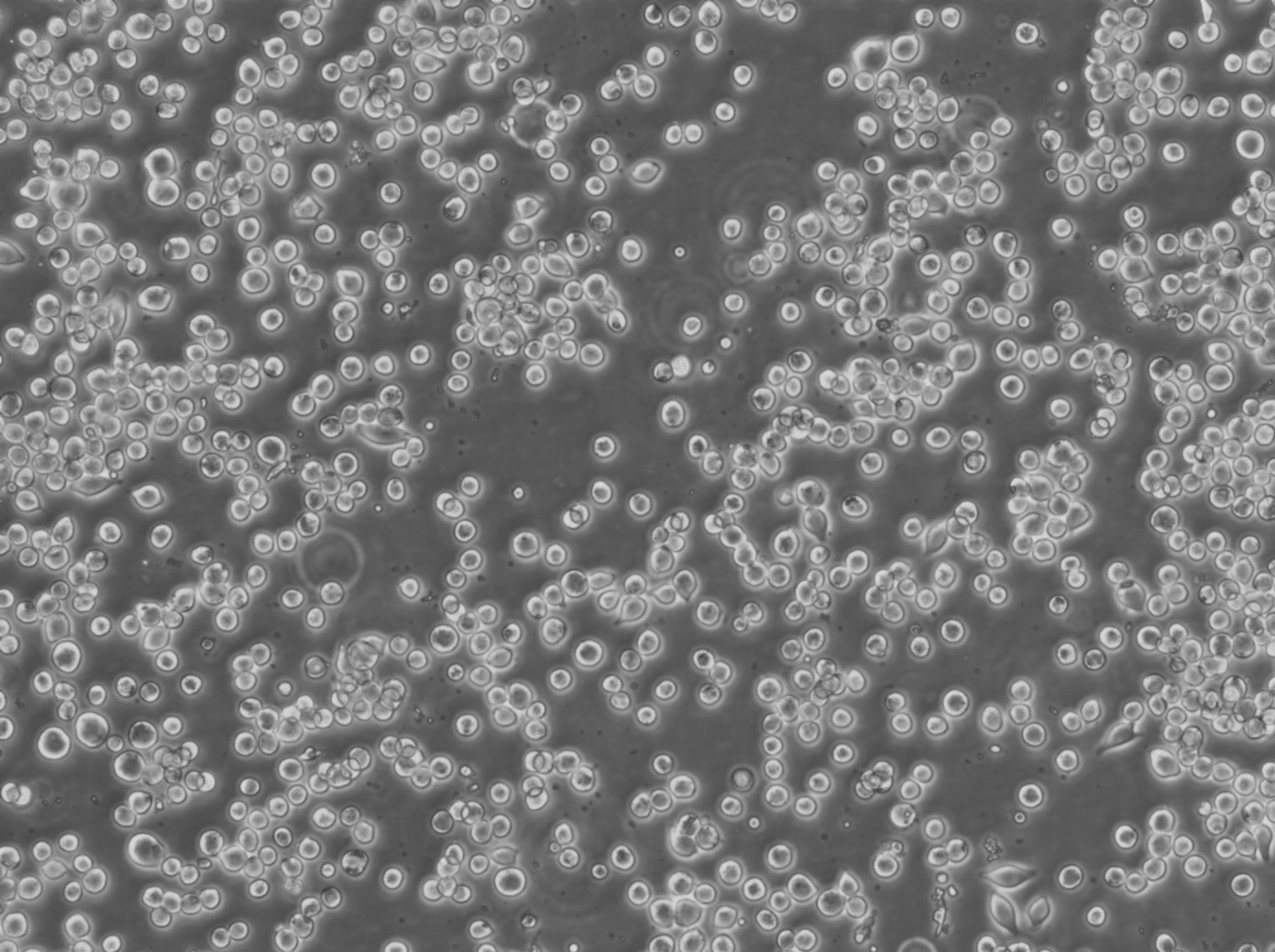
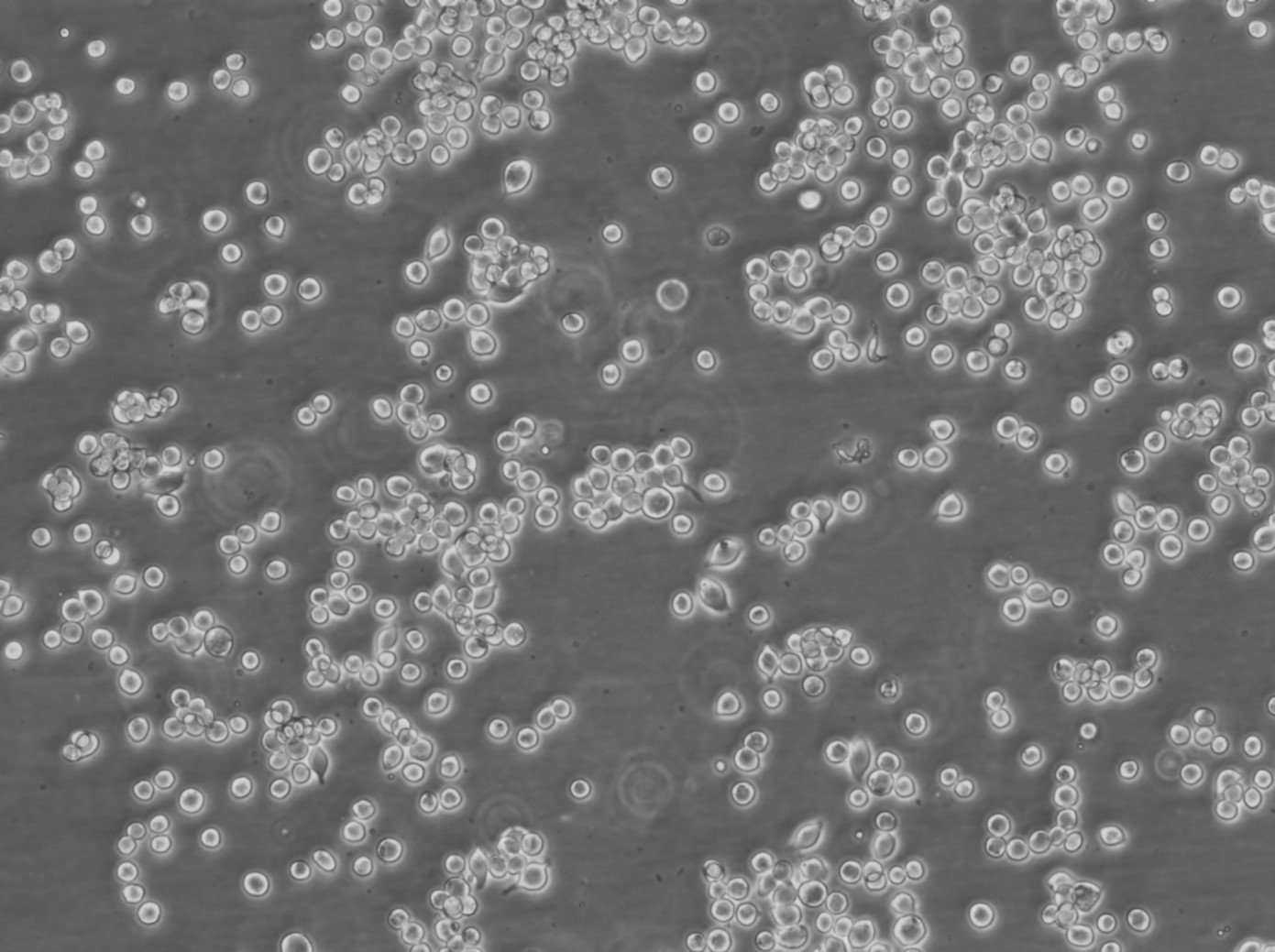
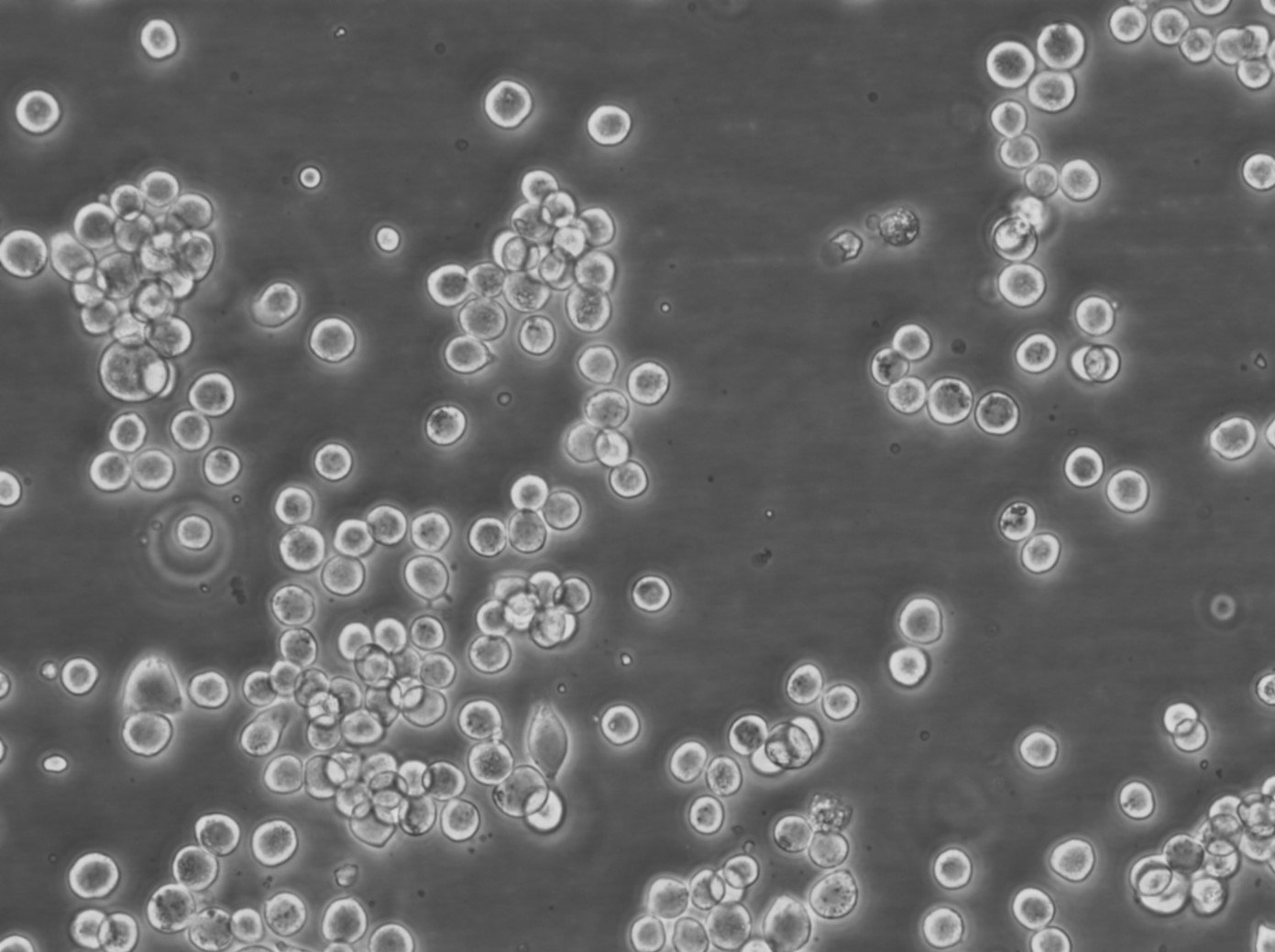
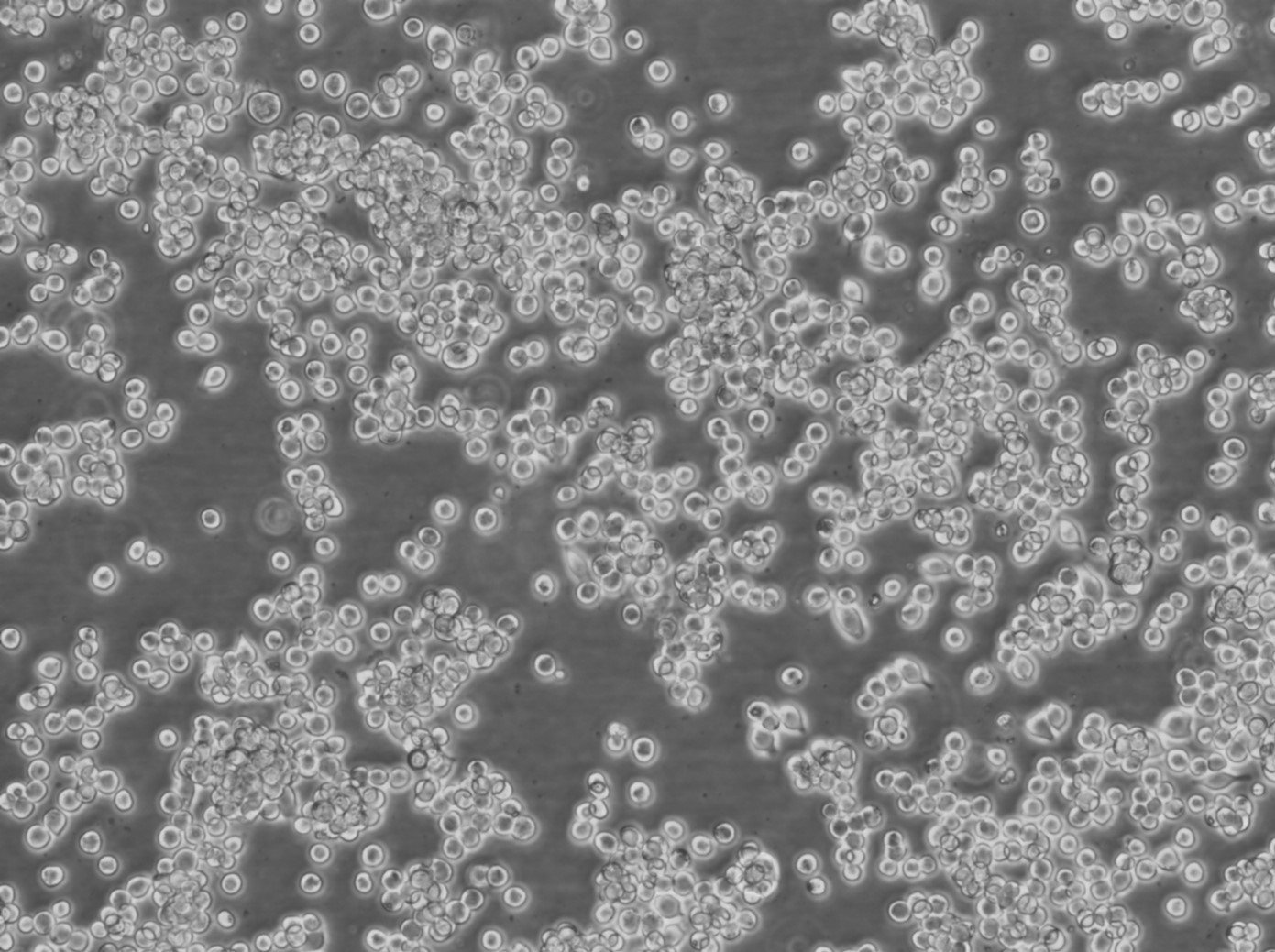
| Description | The COLO-205 cell line is a human colorectal adenocarcinoma cell line first established from the metastatic site of the ascites in a 70-year-old Caucasian male. Characterized by its epithelial cell morphology, this cell line is frequently utilized in biomedical research focused on colorectal cancer, particularly in studies related to cancer biology, drug response, and metastatic mechanisms. COLO-205 cells exhibit a hyperdiploid karyotype and are known to form moderately well-differentiated adenocarcinomas when xenografted into immunodeficient mice. COLO-205 cells express several key oncogenic and tumor suppressor pathways, making them a valuable model for pharmacological testing and cancer research. They are responsive to tumor necrosis factor-related apoptosis-inducing ligand (TRAIL) making them suitable for apoptosis studies. Furthermore, these cells have been used extensively to investigate the pharmacodynamics of various chemotherapeutic agents, providing insights into the mechanisms of action and resistance in colorectal cancer therapy. Research utilizing the COLO-205 line has contributed significantly to understanding the biological behaviors typical of colorectal adenocarcinomas, including cellular proliferation, differentiation, and interaction with anticancer drugs. |
|---|---|
| Organism | Human |
| Tissue | Colon, Dukes' type D |
| Disease | Colorectal adenocarcinoma |
| Metastatic site | Ascites |
| Synonyms | Colo 205, CoLo 205, COLO-205, COLO 205, COLO.205, Colo205, COLO205, Co 205, Colorado 205 |
Characteristics
| Age | 70 years |
|---|---|
| Gender | Male |
| Morphology | Epithelial-like |
| Growth properties | Adherent/suspension, loosely attached |
Regulatory Data
| Citation | COLO-205 (Cytion catalog number 300380) |
|---|---|
| Biosafety level | 1 |
| NCBI_TaxID | 9606 |
| CellosaurusAccession | CVCL_0218 |
Biomolecular Data
| Protein expression | CSAp- (Centriole and Spindle-Associated protein) |
|---|---|
| Antigen expression | The cells are positive for keratin by immunoperoxidase staining. |
| Isoenzymes | G6PD, B, PGM1, 1-2, PGM3, 1-2, 6PGD, A, ES-D, 1-2, PEP-D, 1 |
| Tumorigenic | Yes, in nude mice |
| Reverse transcriptase | Negative |
| Products | Carcinoembryonic antigen (CEA) 1.5 to 4.1 ng/106 cells/10 days, keratin, interleukin 10 (IL-10, interleukin-10) |
| Ploidy status | Aneuploid |
| MSI-status | Stable (MSS) |
Handling
| Culture Medium | RPMI 1640, w: 2.0 mM stable Glutamine, w: 2.0 g/L NaHCO3 (Cytion article number 820700a) |
|---|---|
| Supplements | Supplement the medium with 10% FBS |
| Doubling time | 20 to 25 hours |
| Subculturing | Collect suspension cells in a 15 ml tube and carefully rinse the adherent cells using PBS without calcium and magnesium (3-5 ml PBS for T25, 5-10ml for T75 cell culture flasks). Add Accutase (1-2ml per T25, 2.5ml per T75 cell culture flask), the cell sheet must be covered completely. Incubate at ambient temperature for 10 minutes, then centrifuge the cells growing in suspension and the adherent cells together. Carefully resuspend the cells and dispense into new flasks which contain fresh medium. |
| Seeding density | 1 x 10⁴ cells/cm2 |
| Fluid renewal | 2 to 3 times per week |
| Post-Thaw Recovery | After thawing, plate the cells at 5 x 10⁴ cells/cm2 and allow the cells to recover from the freezing process and to adhere for at least 24 hours. |
| Freeze medium | As a cryopreservation medium, we use complete growth medium (including FBS) + 10% DMSO for adequate post-thaw viability, or CM-1 (Cytion catalog number 800100), which includes optimized osmoprotectants and metabolic stabilizers to enhance recovery and reduce cryo-induced stress. |
| Thawing and Culturing Cells |
|
| Incubation Atmosphere | 37°C, 5% CO2, humidified atmosphere. |
| Shipping Conditions | Cryopreserved cell lines are shipped on dry ice in validated, insulated packaging with sufficient refrigerant to maintain approximately −78 °C throughout transit. On receipt, inspect the container immediately and transfer vials without delay to appropriate storage. |
| Storage Conditions | For long-term preservation, place vials in vapor-phase liquid nitrogen at about −150 to −196 °C. Storage at −80 °C is acceptable only as a short interim step before transfer to liquid nitrogen. |
Quality Control & Molecular Analysis
| Sterility | Mycoplasma contamination is excluded using both PCR-based assays and luminescence-based mycoplasma detection methods. To ensure there is no bacterial, fungal, or yeast contamination, cell cultures are subjected to daily visual inspections. |
|---|
Certificate of Analysis (CoA)
| Lot Number | Certificate Type | Date | Catalog Number |
|---|---|---|---|
| 300380-613 | Certificate of Analysis | 22. Oct. 2025 | 300380 |
| 300380-171125 | Certificate of Analysis | 15. Jan. 2026 | 300380 |
| 300380-714SF | Certificate of Analysis | 23. May. 2025 | 300380 |