
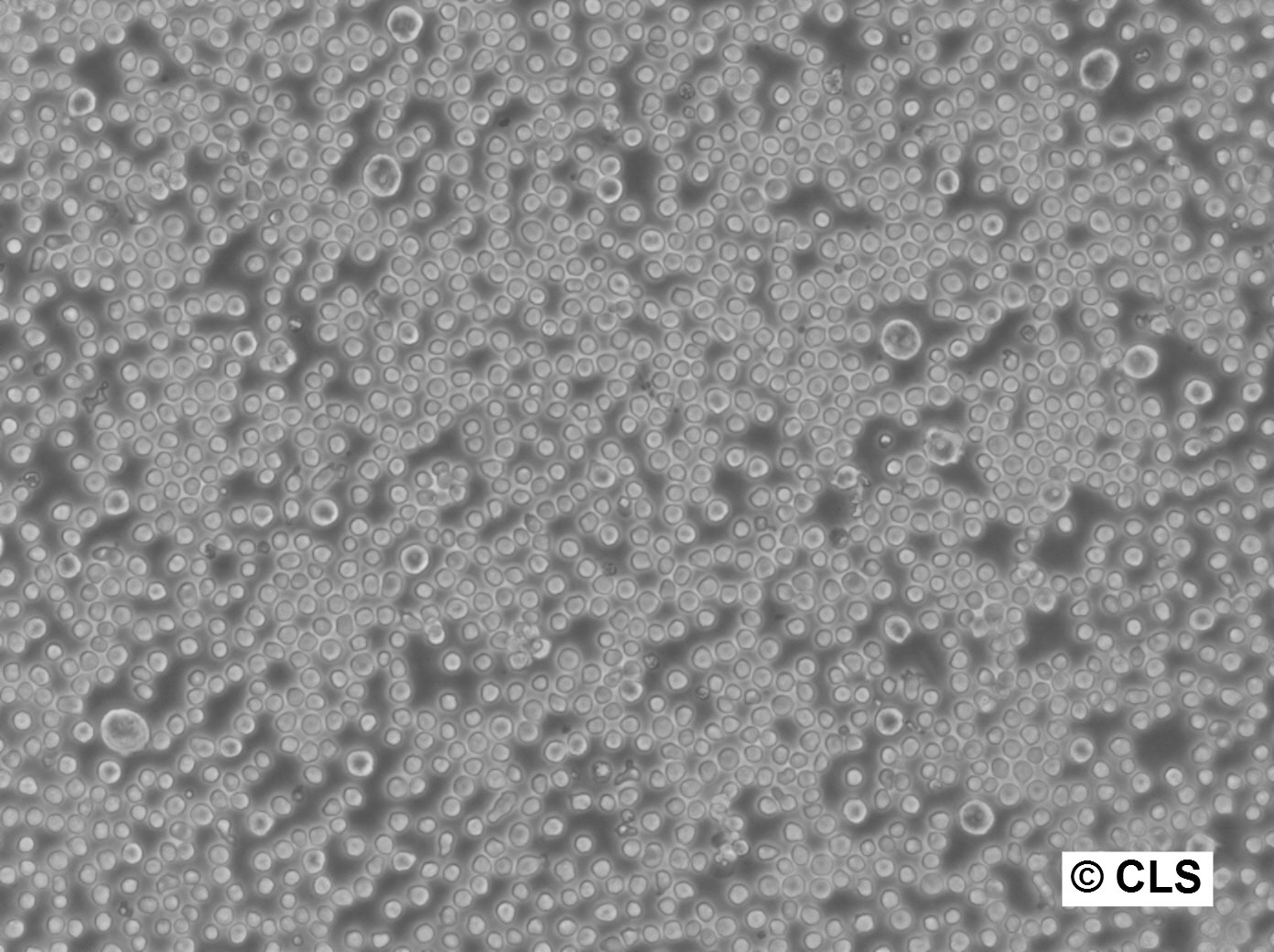
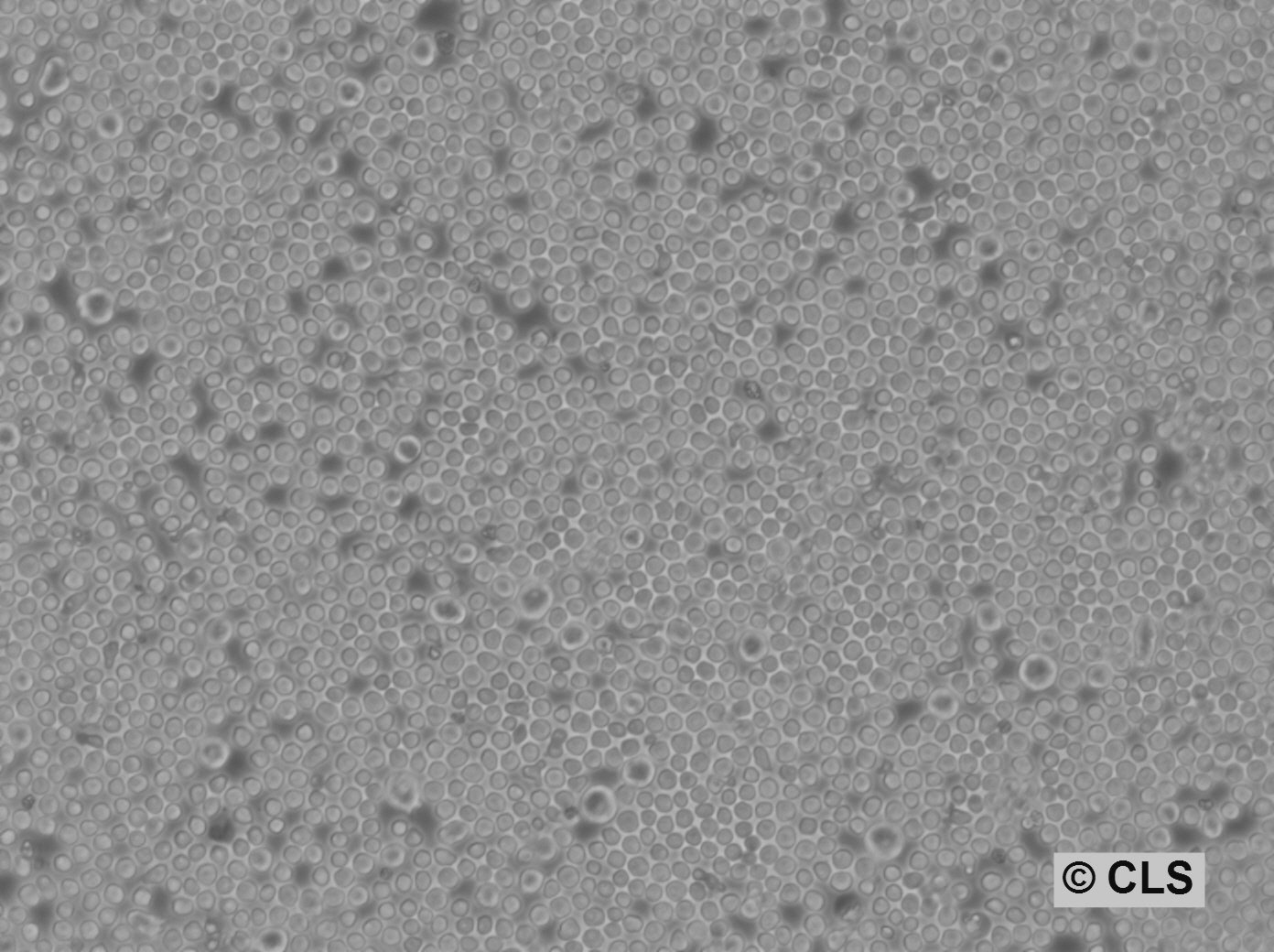
CTLL-2 Cells
CAD$545.10*
Products are shipped frozen on dry ice in cryotubes. Each cryotube typically contains 3 × 10⁶ cells for adherent lines or 5 × 10⁶ cells for suspension lines (refer to the batch CoA for details).
General information
| Description | CTLL-2, or cytotoxic T lymphocyte cell line-2, is an immortalized mouse cell line that originates from cytotoxic T cells. These cells were obtained through repetitive allogeneic Mixed Tumor-Lymphocyte Cultures (MTLC) of spleen cells from C57BL/6 mice immunized with F4-5 Friend virus (FLV)-induced leukemia cells. This specific derivation makes CTLL-2 a highly relevant model for studying T-cell mediated responses to viral oncogenesis and tumor immunology. The cell line requires the presence of interleukin-2 (IL-2) in its culture medium for survival and proliferation, emphasizing its utility in researching cytokine-driven cell processes. In immunological research, CTLL-2 serves as a critical tool for examining various aspects of T-cell function and cytokine biology. Its dependency on IL-2 for growth and sustenance is particularly useful for exploring the signaling pathways activated by this cytokine, as well as the broader gene expression changes in T cells responding to external stimuli. Furthermore, CTLL-2 is employed in studies related to T-cell receptor (TCR) activation, leading to insights into cell proliferation, apoptosis, and cytokine secretion. These attributes make CTLL-2 essential for high-throughput screening assays aimed at discovering new immunomodulatory agents, and for testing the biological activity of IL-2 formulations, which are pivotal in cancer immunotherapy and autoimmune disease management. |
|---|---|
| Organism | Mouse |
| Tissue | Blood |
| Synonyms | CTLL 2, CTLL2, CTLL(2) |
Characteristics
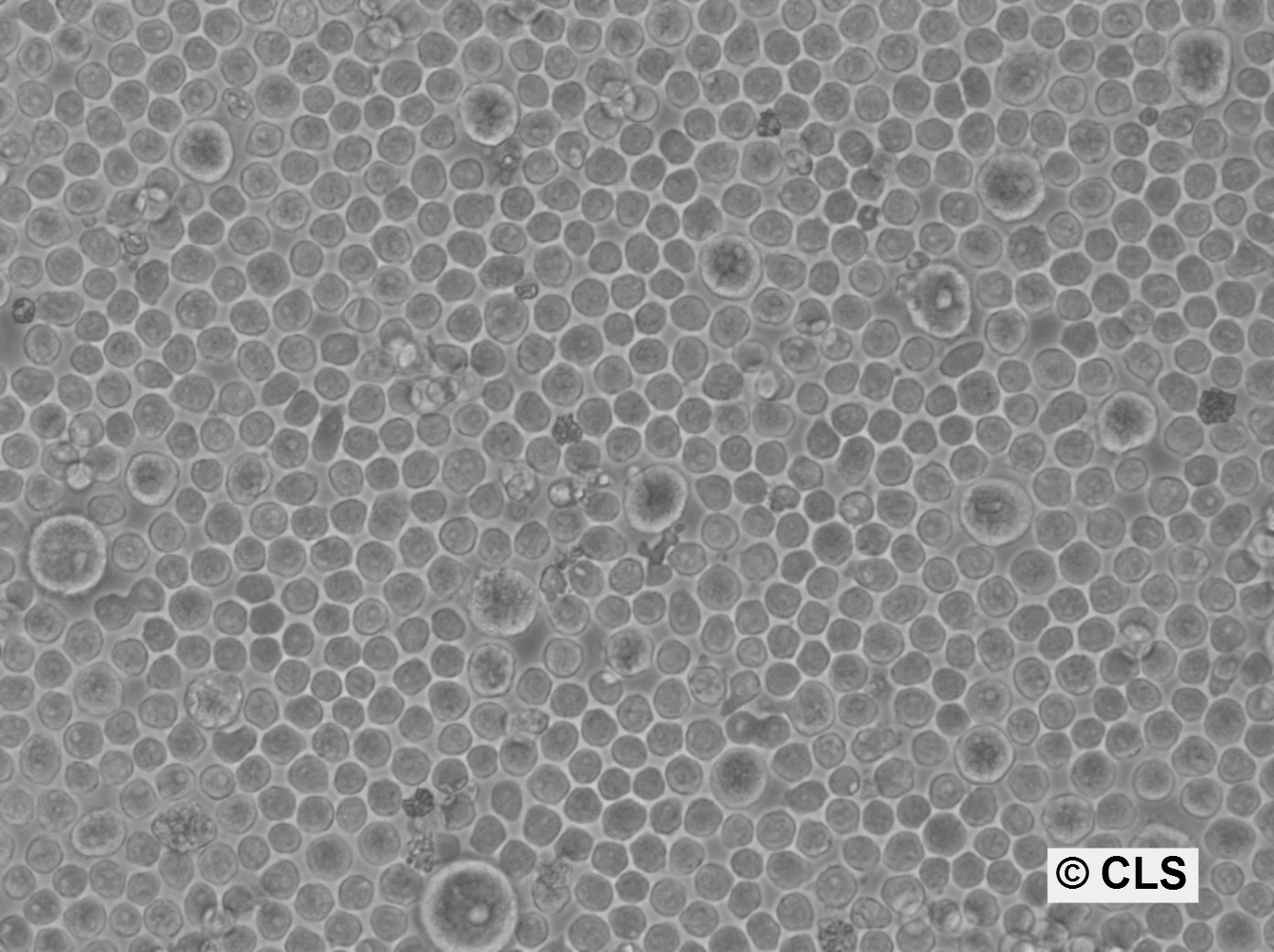
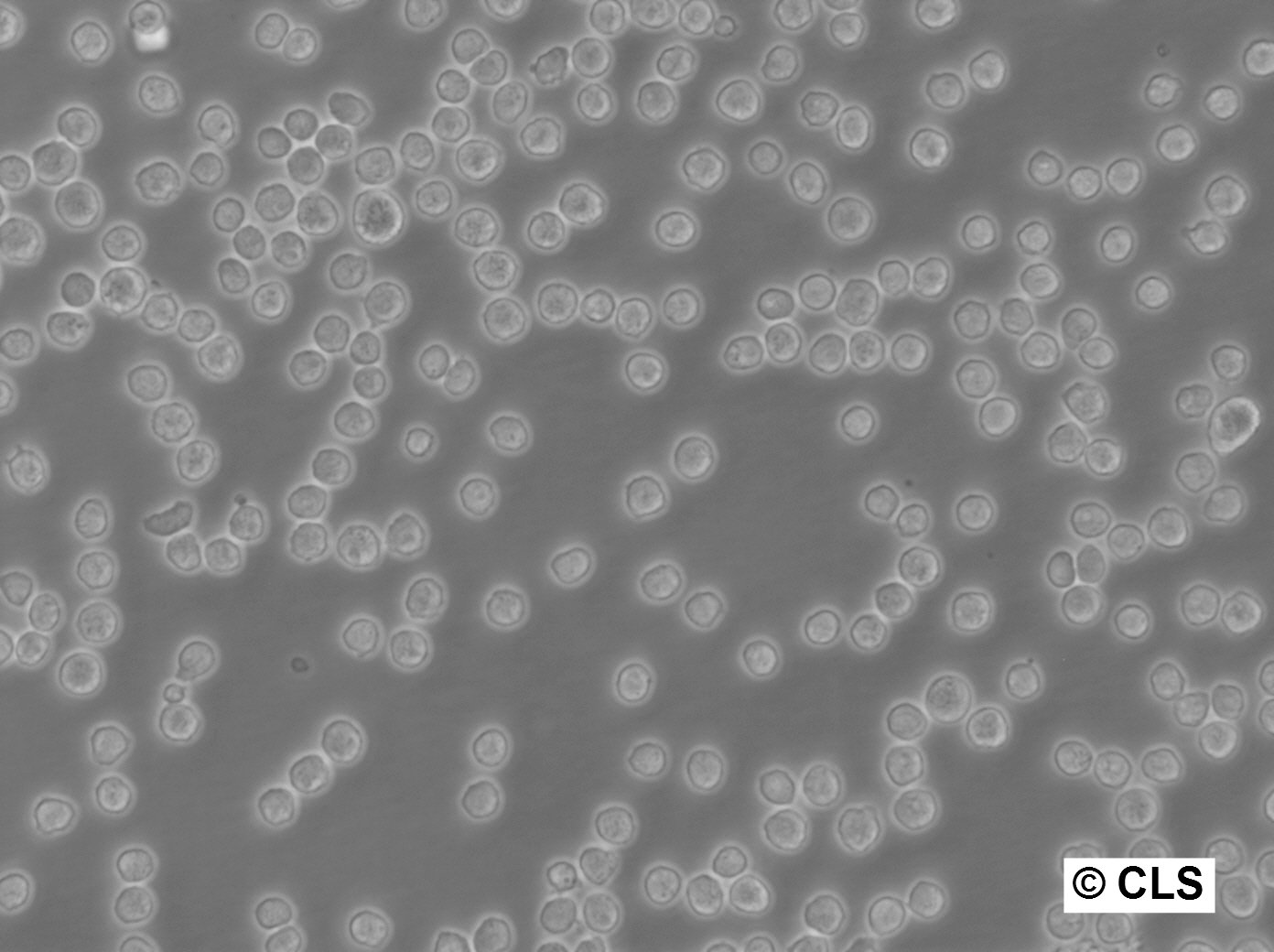
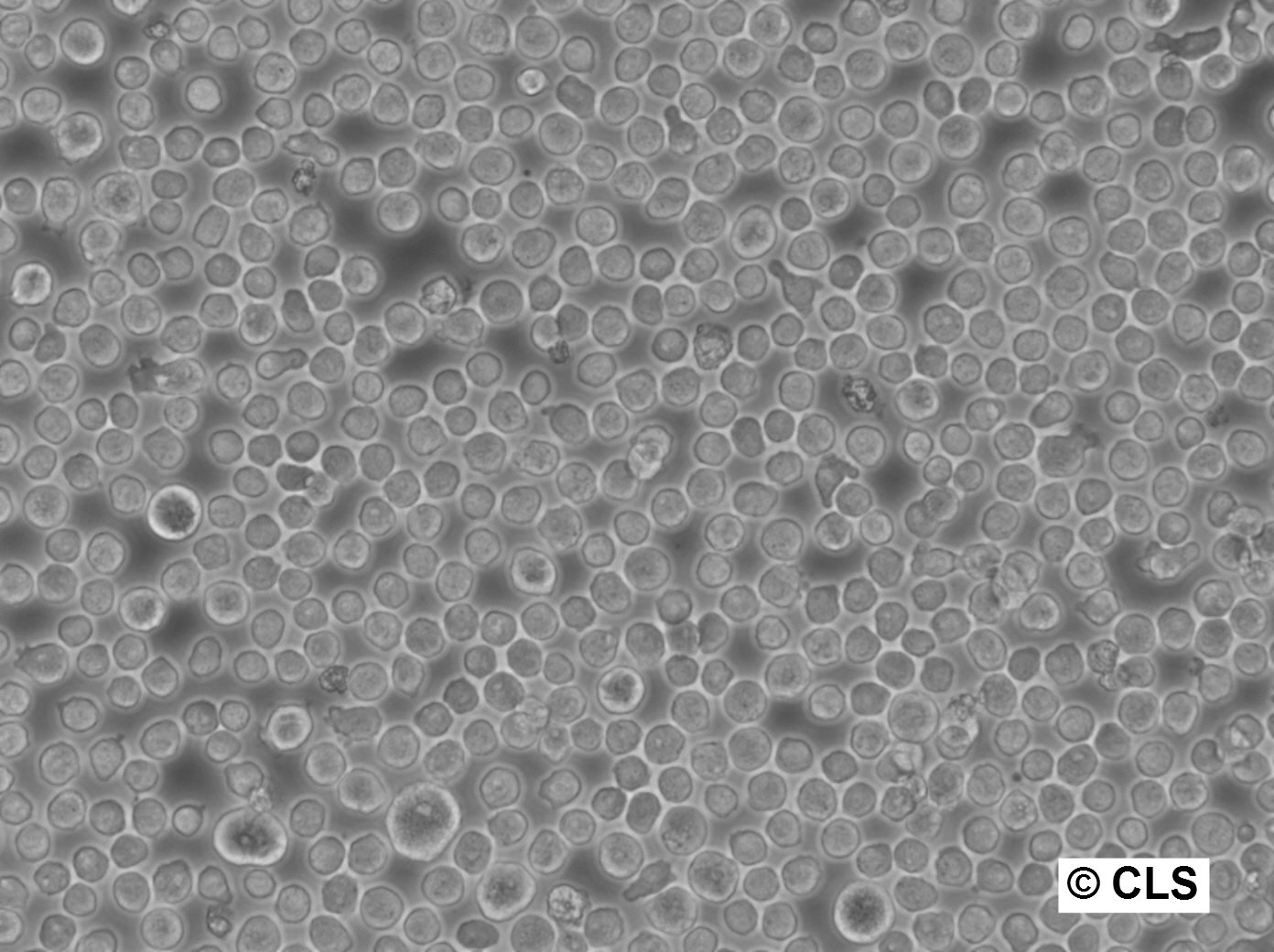
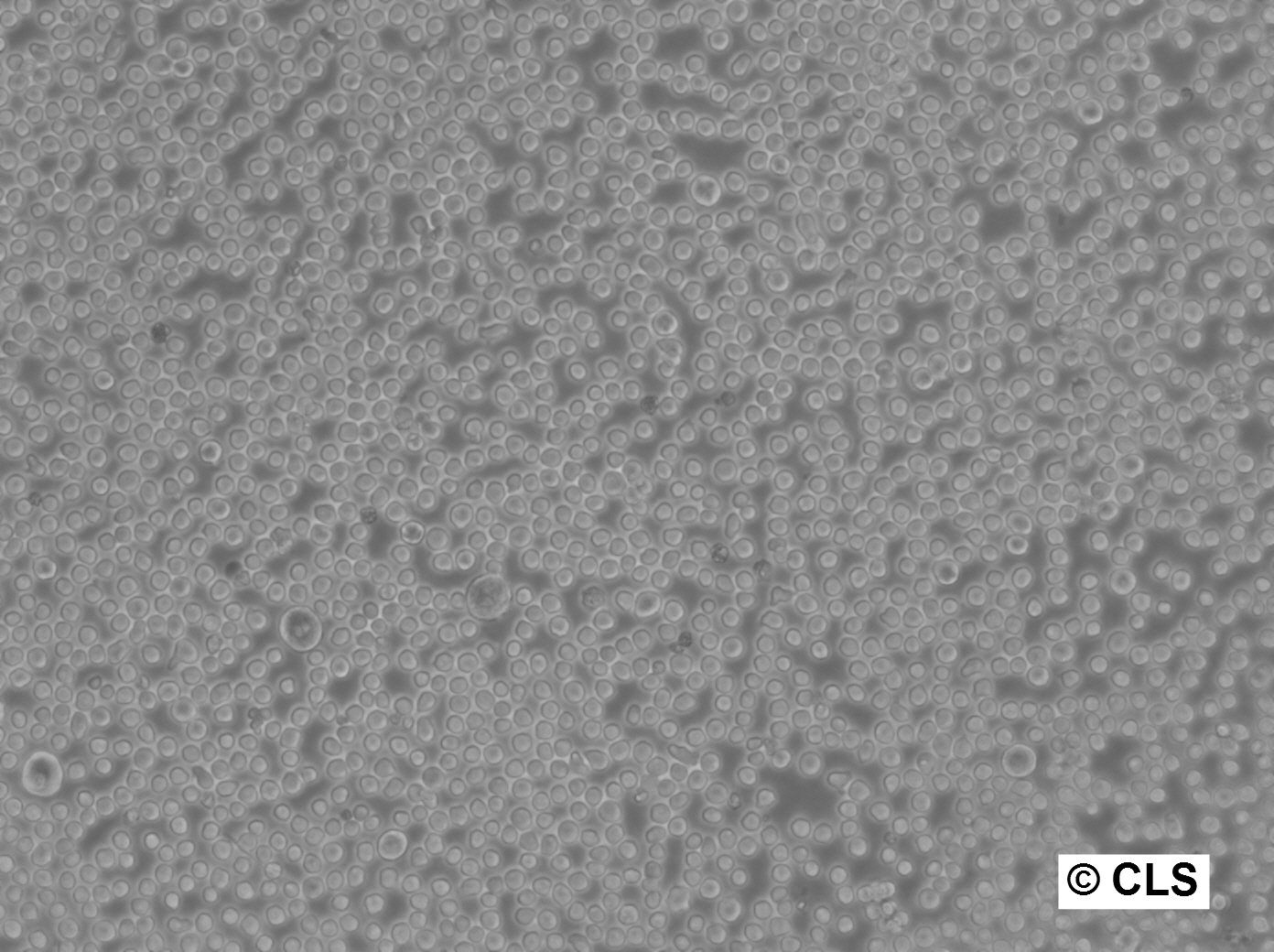
| Morphology | Single cell suspension, round, shining cells |
|---|---|
| Cell type | Lymphoblast |
| Growth properties | Suspension |
Regulatory Data
| Citation | CTLL-2 (Cytion catalog number 400482) |
|---|---|
| Biosafety level | 1 |
| NCBI_TaxID | 10090 |
| CellosaurusAccession | CVCL_0227 |
Biomolecular Data
| Receptors expressed | IL-2 |
|---|---|
| Viruses | Tested and found negative for ectromelia virus (mousepox) . |
| Karyotype | Not specified |
Handling
| Culture Medium | i2Cult (We do not supply this product; please consider other suppliers. Please let us know if you need further assistance) |
|---|---|
| Subculturing | Immediately after thawing, about 50% viable cells were measured using Trypan Blue dye exclusion. The viability of the cells eventually will drop to even lower values. The cell viability should however increase to > 80% within 48 hours, at a cell concentration of about 1 million cells/ml. Subculture the cells at an inoculation density of 40000 cells/ml. Control the cell viability every day. Keep the cells at 37 degree Celsius and 5% CO2. |
| Seeding density | 5 x 10⁵ cells/mL |
| Fluid renewal | 2 to 3 times per week |
| Post-Thaw Recovery | Allow the cells to recover from the freezing process for at least 48 hours. |
| Freeze medium | As a cryopreservation medium, we use complete growth medium (including FBS) + 10% DMSO for adequate post-thaw viability, or CM-1 (Cytion catalog number 800100), which includes optimized osmoprotectants and metabolic stabilizers to enhance recovery and reduce cryo-induced stress. |
| Thawing and Culturing Cells |
|
| Incubation Atmosphere | 37°C, 5% CO2, humidified atmosphere. |
| Shipping Conditions | Cryopreserved cell lines are shipped on dry ice in validated, insulated packaging with sufficient refrigerant to maintain approximately −78 °C throughout transit. On receipt, inspect the container immediately and transfer vials without delay to appropriate storage. |
| Storage Conditions | For long-term preservation, place vials in vapor-phase liquid nitrogen at about −150 to −196 °C. Storage at −80 °C is acceptable only as a short interim step before transfer to liquid nitrogen. |
Quality Control & Molecular Analysis
| Sterility | Mycoplasma contamination is excluded using both PCR-based assays and luminescence-based mycoplasma detection methods. To ensure there is no bacterial, fungal, or yeast contamination, cell cultures are subjected to daily visual inspections. |
|---|
Certificate of Analysis (CoA)
| Lot Number | Certificate Type | Date | Catalog Number |
|---|---|---|---|
| 400482-216SF | Certificate of Analysis | 23. May. 2025 | 400482 |